Winter travel is supposed to feel magical—snow-dusted streets, glowing markets, cozy cabins, and festive celebrations. Unfortunately, scammers know exactly how to turn that excitement into profit. Every year, especially between November and February, travelers fall victim to fake winter tours, fraudulent rental listings, and misleading holiday packages.
These scams aren’t rumors; they’re documented by consumer-protection agencies and lawmakers across Europe and North America. Knowing how they work is the best way to keep your winter getaway joyful instead of stressful.
The Fake Winter Tour Trap
One of the most common winter scams involves fabricated or heavily misrepresented tour packages. Scammers build polished websites advertising exclusive Northern Lights excursions, VIP Christmas market tours, private sleigh rides, or luxury winter photography trips. The photos are usually stolen from legitimate operators, and the tours either don’t exist or look nothing like the advertisements.
Travelers arrive expecting a curated winter wonderland and instead find disorganized events, nonexistent guides, or generic public attractions dressed up as “exclusive experiences.” These scams succeed because winter travelers often book from afar and rely heavily on online descriptions, especially when the experience feels like a once-in-a-lifetime opportunity.
The Problem with Perfect Reviews
Fake reviews are one of the most powerful tools scammers use. They flood platforms with glowing testimonials that sound enthusiastic but lack real detail. Some even plant reviews on Google Maps or social media to appear legitimate. When every review sounds identical, overly polished, or strangely vague, it’s worth stepping back and reading more critically.
Checking multiple platforms, looking for recent traveler photos, and comparing experiences across different sites can reveal inconsistencies that expose a scam. Travelers who take a few extra minutes to verify reviews often avoid the traps that catch others.
Deals That Are Too Good to Be Real
Winter is peak travel season in many destinations, which means prices rarely drop dramatically. That’s why scammers rely on unbelievably low prices to lure victims. A luxury chalet offered at half the normal rate or a multi-day package priced like a single excursion should raise suspicion. Legitimate operators seldom slash prices during high-demand months.
When a deal looks magical, comparing it to official tourism sites or well-known companies can reveal whether it’s realistic. Many victims only realize the truth after paying deposits they can’t recover or discovering that promised amenities simply don’t exist.
Suspicious Communication Tactics
Communication patterns often reveal a scam long before money changes hands. Scammers tend to push for immediate booking, avoid phone calls, and rely on messaging apps or email addresses that don’t match the company name. They may dodge simple questions or provide vague answers that don’t align with the advertised experience. Some even impersonate legitimate companies by copying logos or using URLs that look similar to real ones.
A trustworthy operator will always provide verifiable contact information, clear cancellation policies, and secure payment options. When communication feels rushed, evasive, or inconsistent, it’s safer to walk away.
The Rise of Fake Winter Rentals
Fraudulent vacation rentals are another major winter travel issue, especially in ski towns and holiday destinations. Scammers post cabins, chalets, or apartments they don’t own—or that don’t exist at all. Travelers arrive to find someone else living there or discover the address leads to an empty lot.
These scams spike around Christmas and New Year’s, when demand is highest. Booking through reputable platforms, avoiding unprotected payment methods, and verifying listings across multiple sites can dramatically reduce the risk.
What Victims Actually Experience
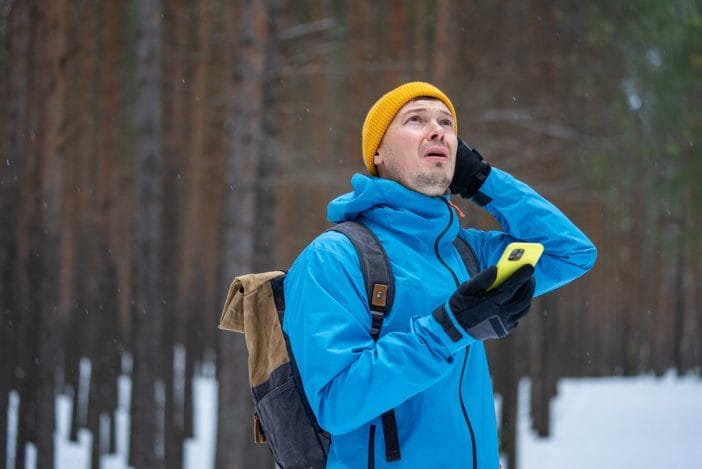
People who fall for winter travel scams often describe the same pattern. They arrive expecting a curated winter adventure and instead find chaotic events, missing guides, or locations that barely resemble the photos.
Some spend additional money trying to salvage the trip, while others lose deposits with no way to recover them. The financial loss is frustrating, but the emotional disappointment can be even worse, especially when the trip was meant to be a holiday highlight.
How to Protect Your Winter Getaway
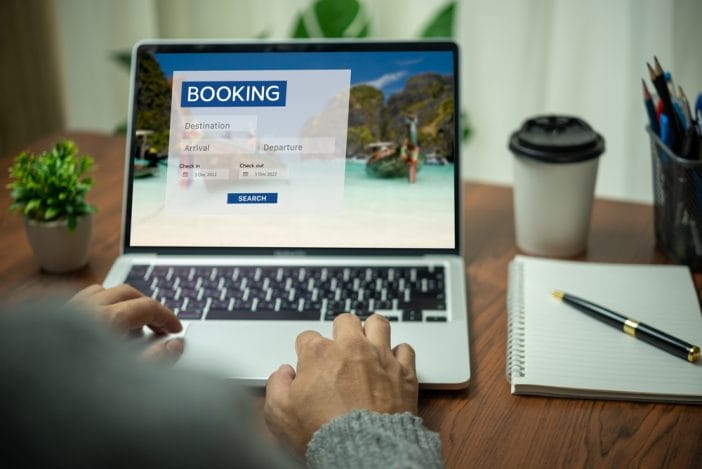
Staying safe doesn’t require paranoia—just awareness. Using trusted booking platforms, verifying operators through official tourism boards, and comparing prices with reputable companies are simple steps that prevent most scams.
Reading recent reviews, checking for real traveler photos, and paying with methods that offer fraud protection add another layer of security. Travel insurance that covers fraud or trip disruption can also help if something goes wrong. A little caution ensures your winter adventure stays magical instead of becoming a cautionary tale.
Enjoy the Season Without the Scams
Winter travel can still be enchanting—glittering lights, festive markets, snowy landscapes, and unforgettable experiences. Scammers only succeed when travelers rush through bookings without verifying details. By recognizing red flags, double-checking information, and using secure payment methods, you can enjoy the season’s magic without falling for a fabricated fantasy. A thoughtful approach turns potential pitfalls into a smooth, memorable holiday.
How do you keep your winter trips safe and scam-free? Make sure you give your helpful ideas in our comments section below.
You May Also Like…
10 Travel Destinations That Leave Couples Regretting Vacations
10 Things to Remove from Your Wallet Before Traveling in 2026
5 Vacation Mistakes That Instantly Make Husbands Look Irresponsible
The “Pothole” Scams Cities Use to Avoid Paying for Your Car Damage
The “IRS Agent” Phone Call That Is Actually a Phishing Scam
The post The “Winter Wonder” Scam Targeting Tourists appeared first on Clever Dude Personal Finance & Money.