

The secret is out: Southern gardeners have a winter trick that feels almost like cheating, and once you learn it, you’ll never look at cold-season growing the same way again. While the rest of the country is scraping frost off windshields and giving their garden beds a final goodbye, Southerners are quietly coaxing vibrant greens, crisp roots, and unbelievably resilient herbs from soil that should be “asleep.” It’s the kind of hack that makes northern gardeners suspicious and newcomers say, “Wait… that actually works?” And yes—it does, beautifully.
The magic of it isn’t just that it keeps vegetables alive; it actually helps them thrive, even when temperatures dip in ways that would normally send tender crops into early retirement.
The Secret Weapon: Low Tunnels And Mini Greenhouses
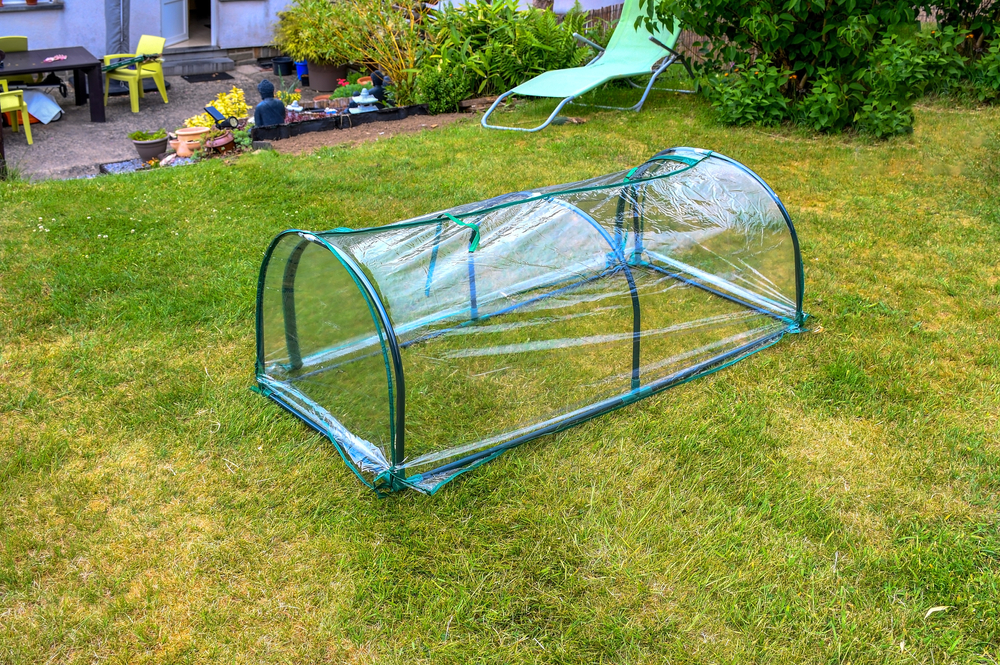
The trick Southern gardeners swear by is using low tunnels—small, hoop-style frames covered with plastic or fabric—to shield winter vegetables from harsh cold. This technique creates a microclimate that’s several degrees warmer than the outside air, enough to keep hardy veggies in production even on frosty nights. Gardeners love it because you don’t need fancy materials; PVC pipes, flexible rods, or even sturdy branches can serve as the hoops. Once covered with plastic sheeting, the structure traps heat during the day and holds it through the night. The result is an environment where kale, carrots, spinach, and even lettuce keep pushing up new growth long after the weather becomes unfriendly.
Why This Hack Thrives In Southern Winters
The South’s winters are famously unpredictable—mild one week, freezing the next—but low tunnels smooth out these temperature swings. Because the region rarely stays below freezing for long stretches, the added barrier is more than enough to keep soil warm and roots active. Southern gardeners also appreciate that low tunnels shield plants from biting wind, which often does more damage than the cold itself.
The humidity trapped inside helps maintain soft, tender leaves rather than the brittle growth you get in exposed winter beds. Even gardeners who don’t consider themselves handy quickly fall in love with the simplicity and payoff of this method.
Crops That Absolutely Love The Low Tunnel Treatment
Some vegetables practically throw a party under low tunnels, especially when grown in Southern winters. Leafy greens like collards, kale, mustard, and Swiss chard stay lush and flavorful, often tasting sweeter after a few cold snaps. Root crops—turnips, beets, carrots, and radishes—also thrive, their sugars concentrating as the soil cools. Herbs that normally sulk in winter, such as parsley and cilantro, become shockingly resilient when given the extra protection. Even lettuce, which is notoriously sensitive to frost, bounces back beautifully inside a mini greenhouse setup.
The Real Magic: Growth When Others Expect Dormancy
People assume winter means plants go into hibernation, but low tunnels flip that idea on its head. With the extra warmth, vegetables that would normally pause growth continue pushing new leaves and expanding roots. The soil stays soft and workable, preventing the sluggishness that typically comes with cold, compacted earth. Gardeners report that harvests remain steady and dependable, even when nighttime temperatures dip into the low twenties. For many Southern growers, this hack means enjoying fresh salads in January instead of relying on store-bought greens that wilt before the week is over.
Low Tunnels Make Gardening Feel Effortless
The beauty of low tunnels lies in how little maintenance they require once set up. Gardeners typically vent the tunnel during warm afternoons by lifting the sides, allowing excess heat to escape—otherwise the interior can get surprisingly toasty. Watering remains minimal because the covered environment holds moisture longer than open beds. Pests are kept at bay, not just because of the barrier but because winter insects are already sluggish. For busy gardeners, it’s the closest thing to a “set it and forget it” winter gardening system.
A Budget-Friendly Trick With Big Results
It’s hard not to love a gardening hack that saves money while boosting productivity. Low tunnels require far fewer materials and effort than full-sized greenhouses, and many of the components can be reused year after year. Gardeners who grow most of their vegetables find the investment pays for itself quickly by reducing grocery bills during winter months. The increase in plant survival also means less replanting and less wasted seed. And because the structures are small and portable, gardeners can easily adjust their setup as their beds change from season to season.
Why Beginners Love This Hack Just As Much As Experts
Low tunnels are incredibly beginner-friendly because they don’t demand perfect timing or precision. Even if you plant a little late or encounter surprise cold snaps, the tunnel provides enough cushion to keep your vegetables safe. Experts appreciate the subtle control it gives them—managing airflow, regulating temperature, and tailoring the environment to specific crops. Beginners, on the other hand, enjoy the confidence boost of seeing winter vegetables thrive without complicated instructions. No matter your experience level, there’s something undeniably satisfying about lifting a tunnel cover on a cold morning to find your garden glowing with life.
A Winter Tradition That Keeps Spreading
For years, low tunnels have been quietly circulating through Southern gardening communities like a secret handshake. Gardeners share tips at farmers markets, swap fabric remnants with neighbors, and show off photos of thriving winter greens while everyone else’s gardens sleep. The technique has spread through online forums, social media groups, and backyard workshops, turning winter gardening into a regional art form. Many who once considered winter a “dead season” now look forward to it as their most productive growing period. It’s become more than a hack—it’s a tradition built on creativity, resilience, and the joy of coaxing life from the cold.
Try It And See The Winter Garden Come Alive
Winter gardening doesn’t have to be a gamble or a guessing game—not when Southern gardeners have perfected a hack that keeps vegetables thriving long past their expected limits. Low tunnels create warmth, protection, and consistency, turning chilly soil into a cozy haven for greens and roots alike. Whether you’re a seasoned gardener or someone just dipping your toes into winter planting, this trick can transform your cold-weather harvests. Give it a try, watch your vegetables flourish, and experience firsthand why this method has such a loyal following.
Have you tested low tunnels in your own garden? Share your experiences, tips, or winter-growing stories in the comments.
You May Also Like…
DIY Winter Gardening Projects: How to Make the Most of Your Garden This Season
The Lazy Gardener’s Trick for Keeping Raised Beds Fertile All Winter
The Vegetables You Can Still Plant Before the Deep Freeze
9 Root Vegetables That Should Be Stored in Sawdust
8 Flowers to Dry for Winter Bouquets
The post The Winter Vegetable Garden Hack That Southern Gardeners Swear By appeared first on Frugal Gardening.