The winner of a new generation of electricity pylons is announced
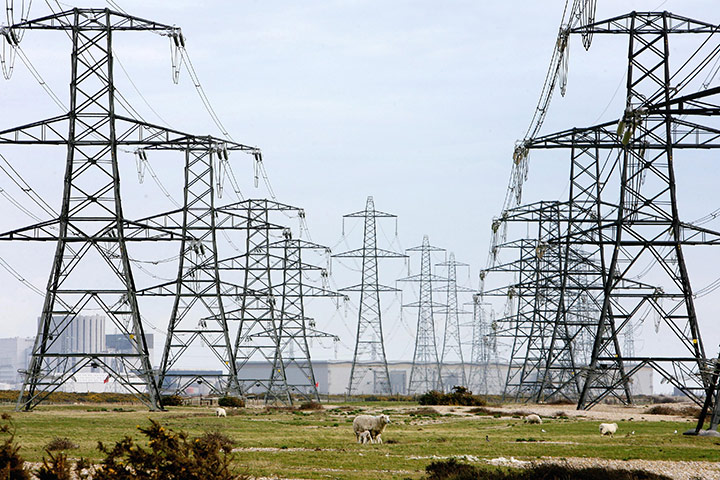
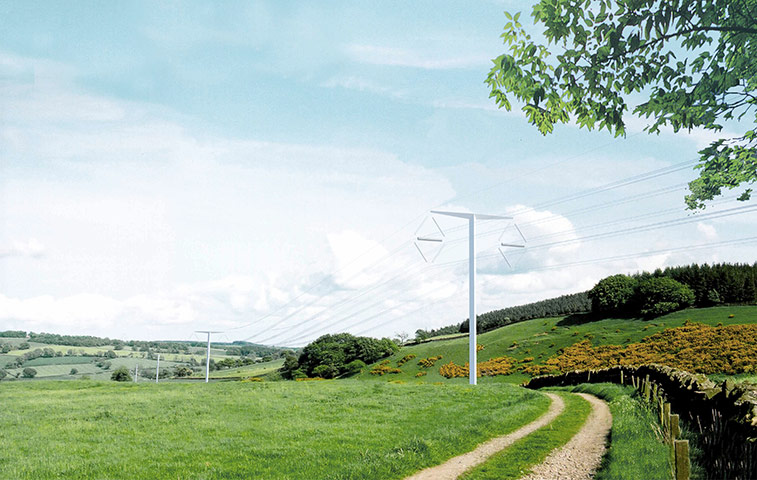
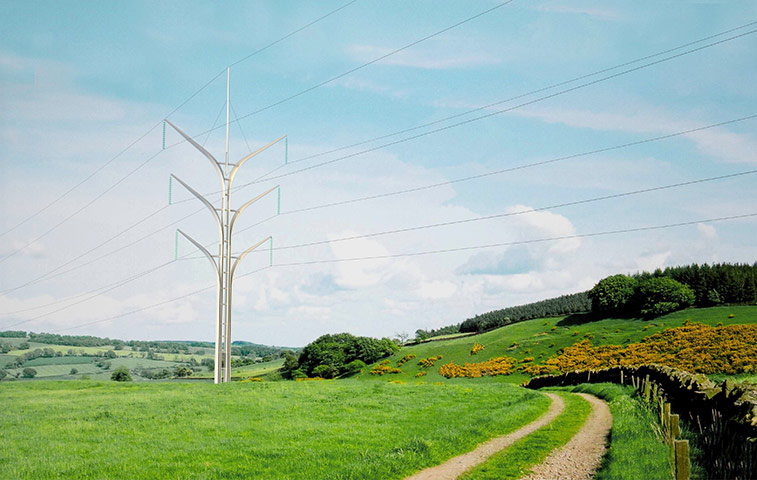
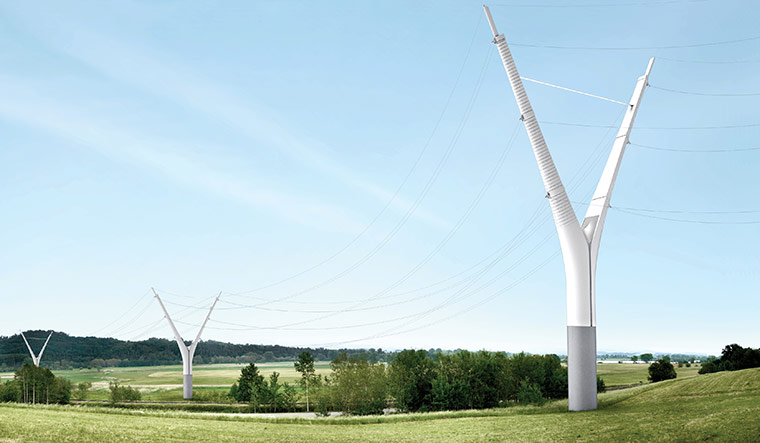
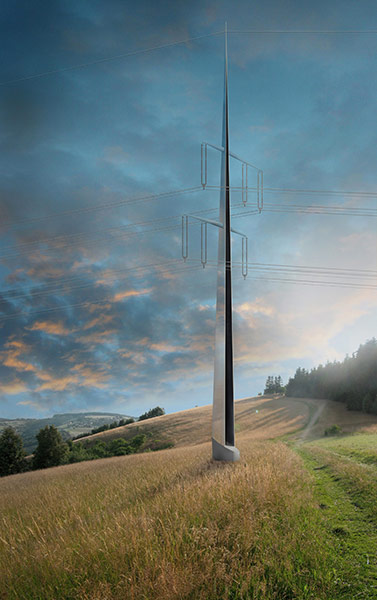
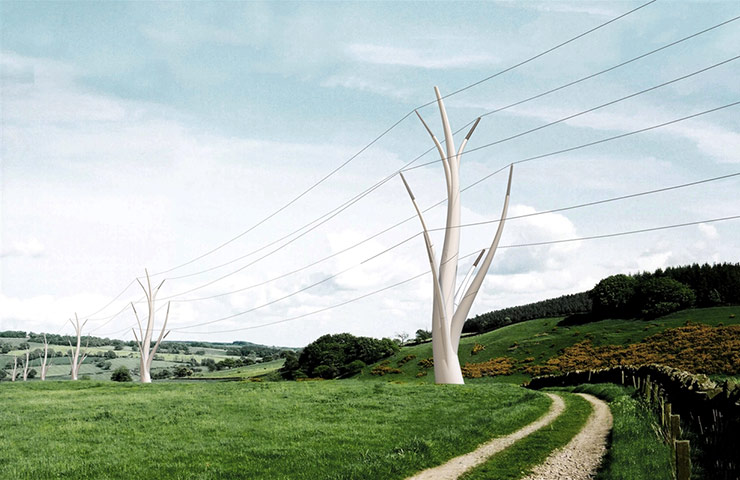
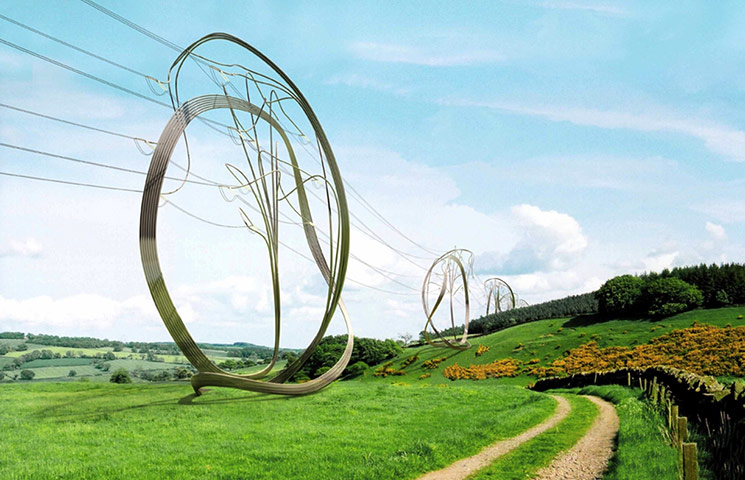
The current design of overhead power cablesPhotograph: Gareth Fuller/PAThe winner: T-Pylon by Danish company Bystrup Architecture, Design & Engineering, made from hot dip galvanized steel with a paint finish and as alternatives Cor-Ten steel, stainless steel, and hot dip galvanized without paint. It has a classic appearance and elegance, yet its starting point is a pure engineering responsePhotograph: DECCShort listed: Flower Tower by Gustafson Porter with Atelier One, and Pfisterer. Made from painted Galvanised Steel, the judges were impressed by the elegance of the submission - it had been well developed into a contemporary, sculptural - yet technically inventive and feasible - optionPhotograph: DECC
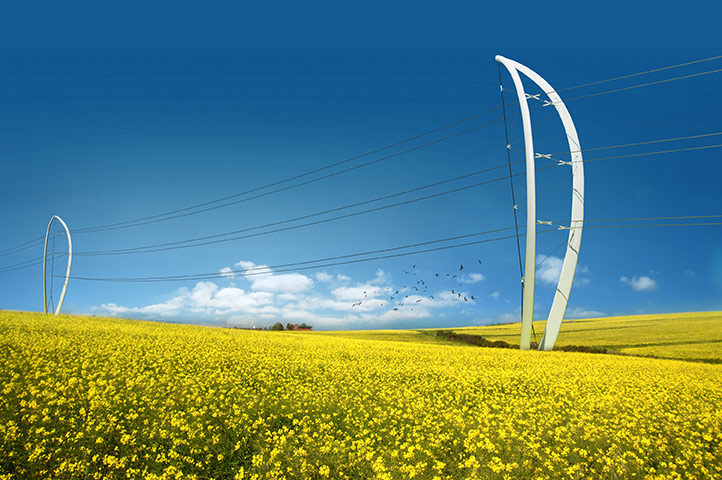
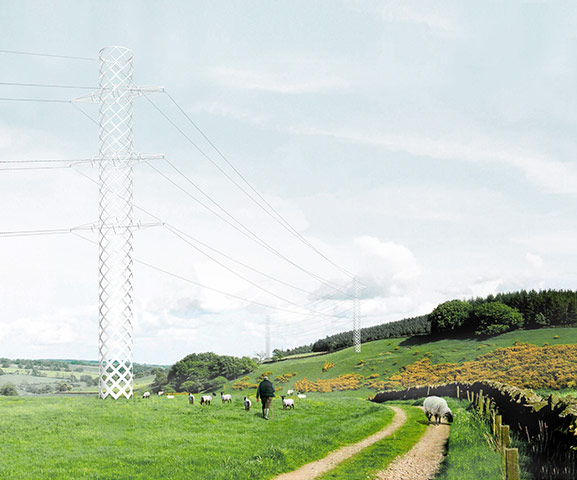
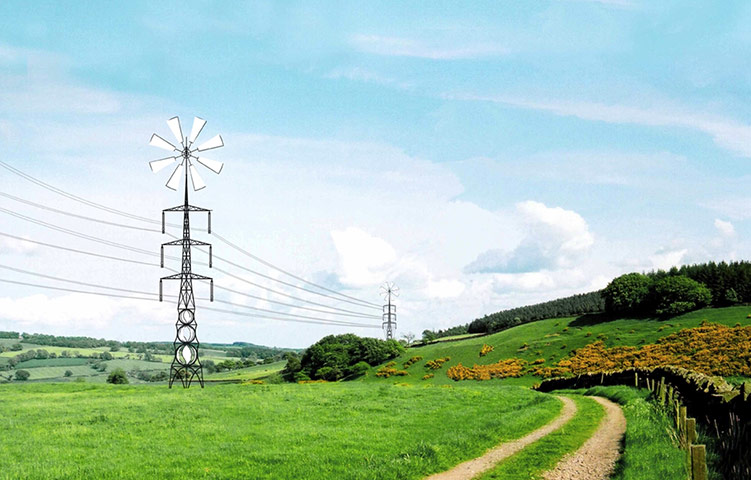
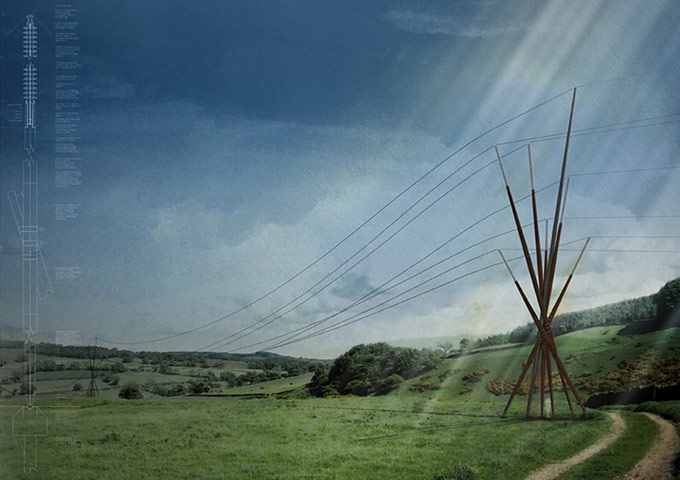
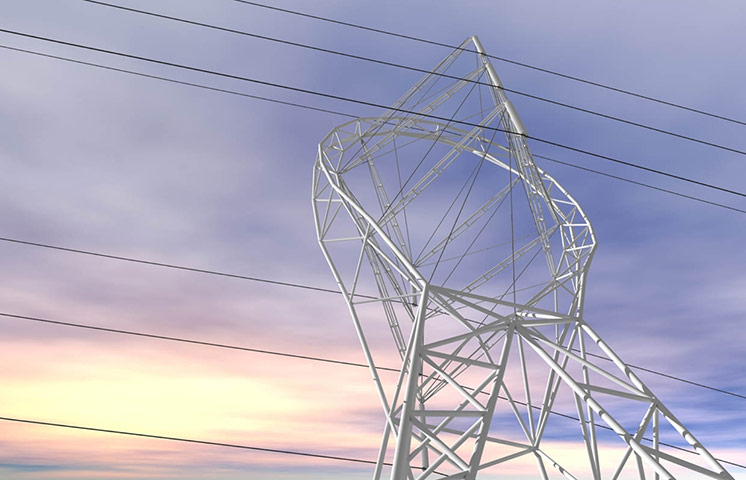
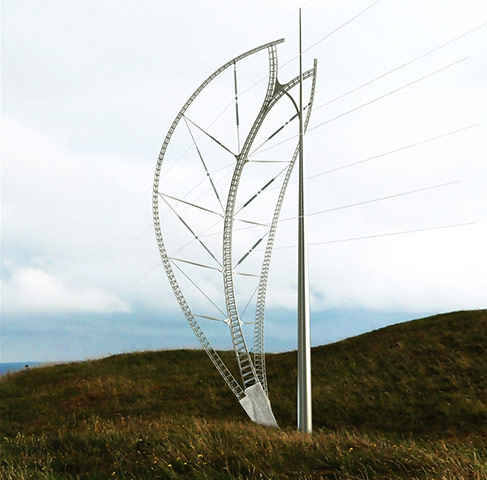
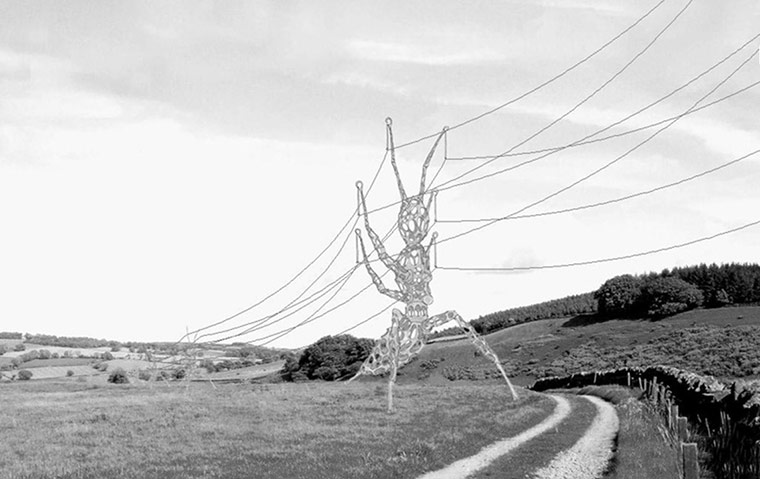
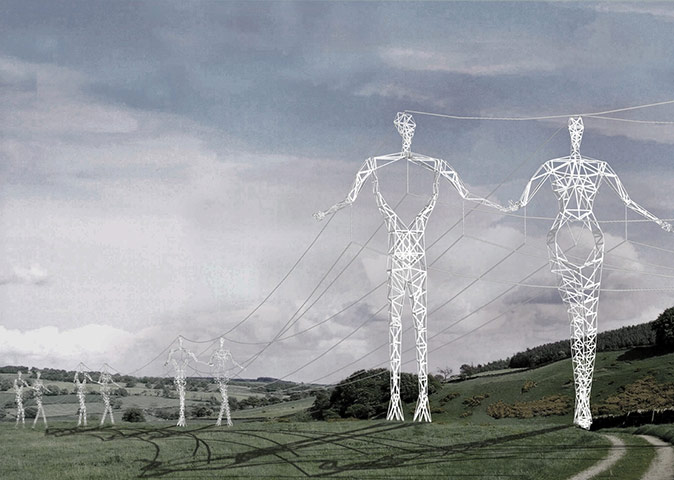
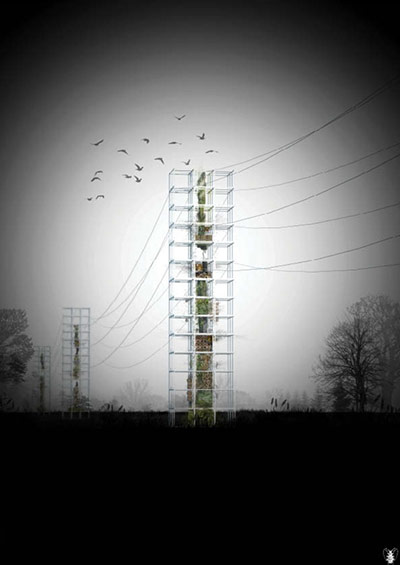
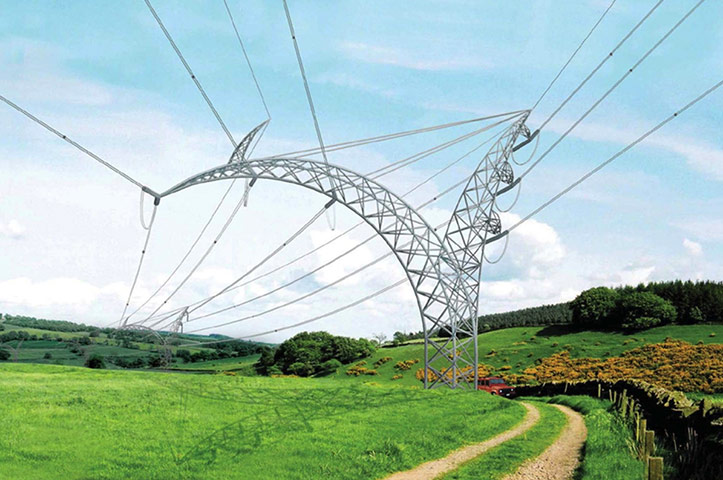
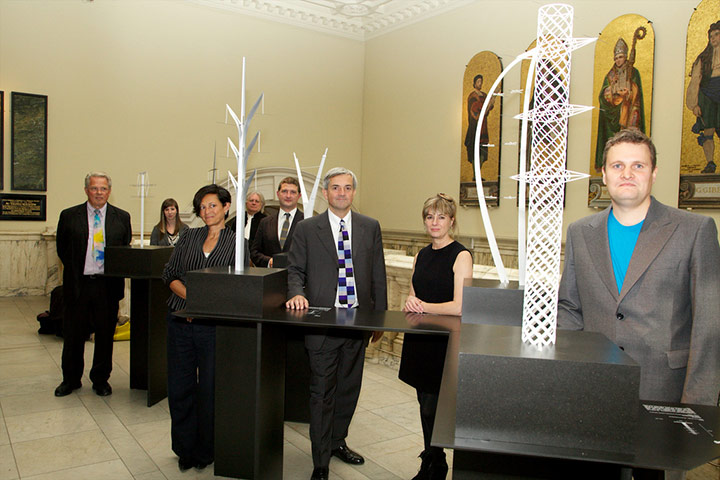
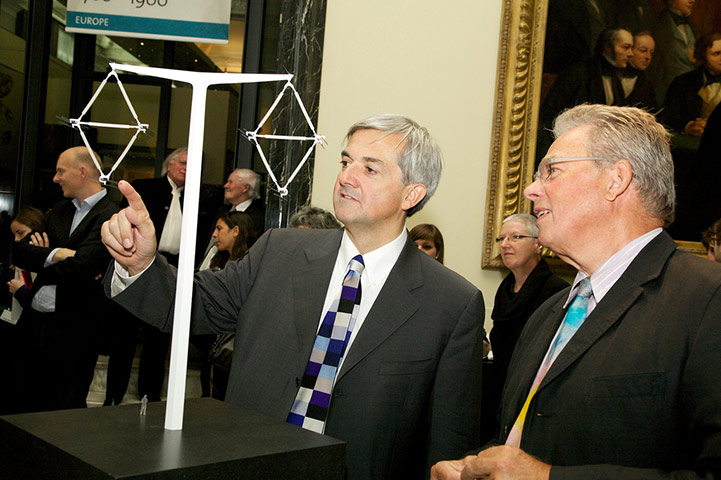
Short listed: Plexus by Al-A with Arup. This design is made from steel or composites. The judges liked that its design is very much of its time and the panel admired the grace of this visually dynamic proposalPhotograph: DECCY-Pylon by Knight Architects with Roughan & O’Donavon, and ESB International in association with MEGA. This design was short listed. Made from carbon steel, fibre reinforced Polymer (FRP), and silicon rubber. The judges liked that it was an extremely simple yet sophisticated idea, with a high degree of engineering innovation integrated into a coherent designPhotograph: DECCShort listed: Totem by New Town Studio, with Structure Workshop. The tower is made from steel painted and the arms are made from electrically insulating composite material, painted to match tower. The judges liked The panel enjoyed the simplicity yet sophistication of this idea. The decreasing density of structure as the pylon ascended to the sky was both logical and enjoyable, the whole effect was one of disappearance and permeabilityPhotograph: DECCJoana Rosa Guedes de Carvalho & Jose BarbedoPhotograph: Pylon Design competitionOval Partnership Architecture LtdPhotograph: Pylon Design competitionSilhouette by Ian Ritchie Architects and Jane Wernick Associates. Made from exposed concrete and mild steel hot dip galvanized and painted, with an exterior made from stainless clad, steel plate (2mm thick). The judges liked that the proposal was for the pylon as a sculptural object within the landscape. The overall effect and sophistication of the expression made this entry stand out aesthetically – particularly when considered in silhouette against the horizonPhotograph: DECCAndy Martin ArchitectsPhotograph: Pylon Design competitionGiffordPhotograph: Pylon Design competitionAgencie Group LLCPhotograph: Pylon Design competitionPeter MccaffertyPhotograph: Pylon Design competitionChoi+Shine ArchitectsPhotograph: Pylon Design competitionKnight ArchitectsPhotograph: Pylon Design competitionHarrison and Mashoof ConsultancyPhotograph: Pylon Design competitionBaharash BagherianPhotograph: Pylon Design competitionAlexander SmagaPhotograph: Pylon Design competitionH and J ArchitecturePhotograph: Pylon Design competitionArchitectural & Ruthan GmbhPhotograph: Pylon Design competitionMake architectsPhotograph: Pylon Design competitionChris Huhne with the pylon competition finalists and their models at the V&A museumPhotograph: DECCChris Huhne with Eric Bystrup and the 'T-Pylon'Photograph: DECC
Sign up to read this article
Read news from 100's of titles, curated specifically for you.