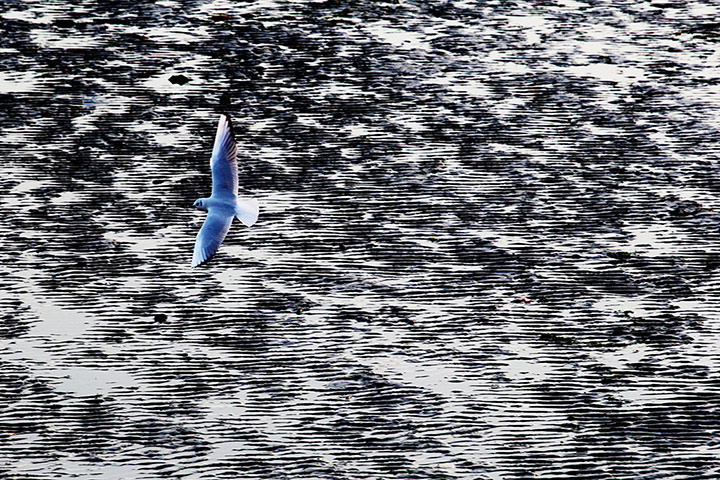
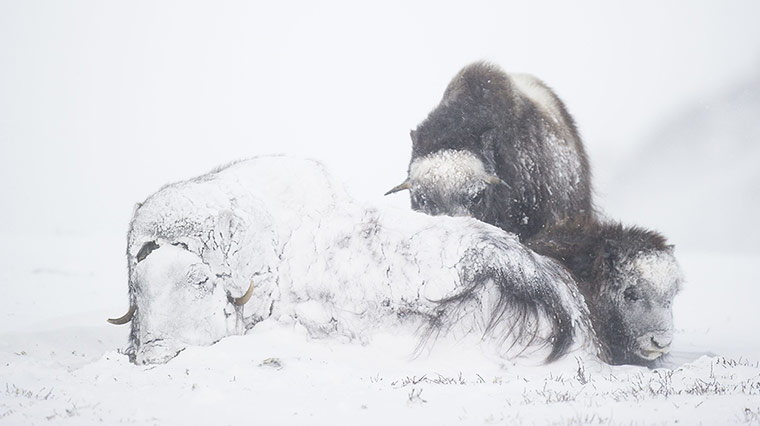
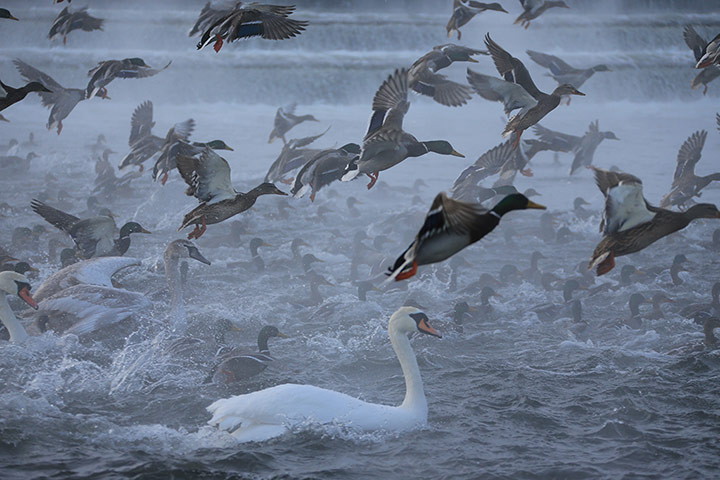
A seagull above the water in Qingdao, ChinaPhotograph: Barcroft MediaAfter 30 minutes in a blizzard this female musk ox was completely snowed in, with her calf and a youngster finding shelter behind her in -25C and galeforce winds at Dovrefjell national park, Norway. Wildlife photographer Roy Mangersnes captured these pictures after six arduous days in the field. 'The musk ox lives in the park, where they were reintroduced after bone fossils were found in the late 30s. Today a population of about 300 animals still remain, and for me they resemble ice-age giants knowing that they actually walked these mountains alongside woolly mammoth about 40,000 years ago' Photograph: Roy Mangersnes/Rex FeaturesMinsk, Belarus. Due to extremely low temperatures, there is only one unfrozen water source in the region, where more than 50 swans and several hundred of wild ducks have gathered Photograph: Anatoli Kliashchuk/ Anatoli Kliashchuk/Demotix/Corbis
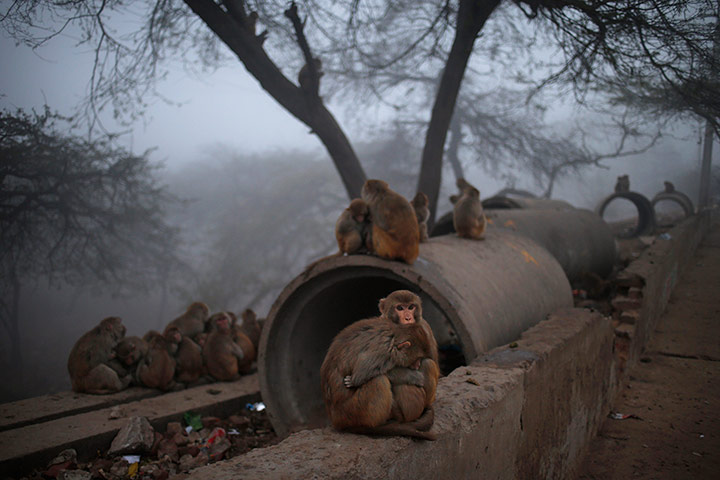
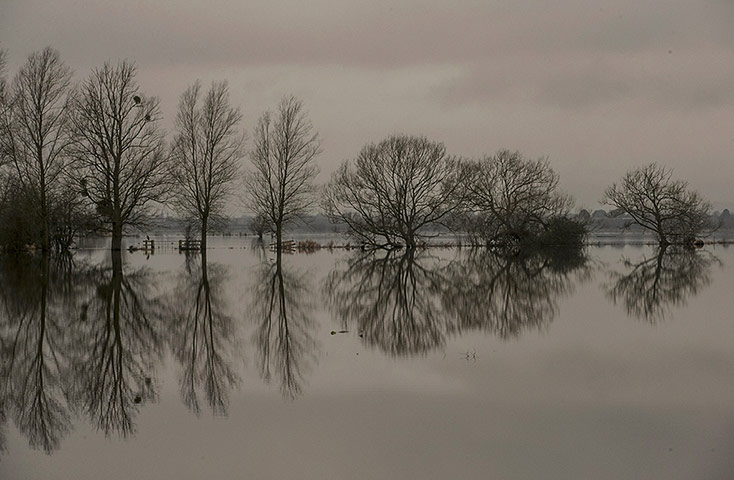
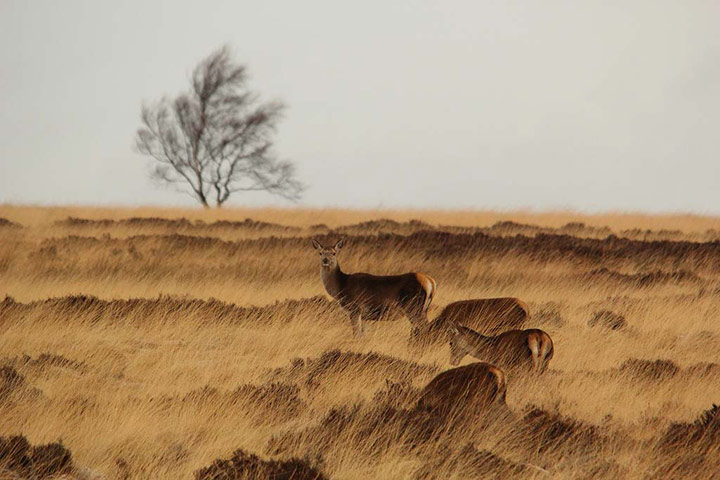
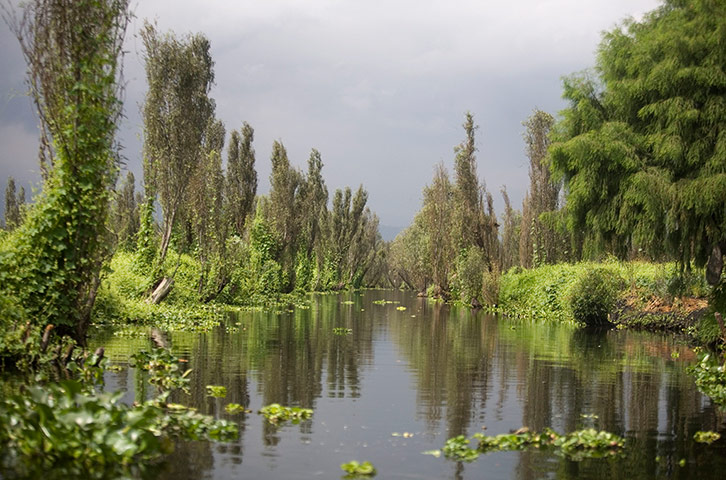
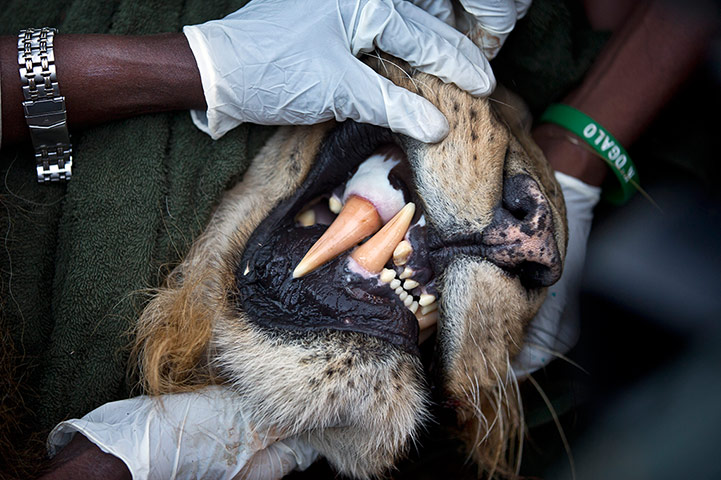
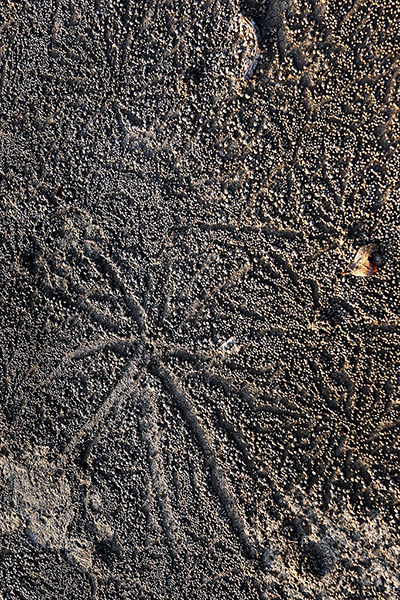
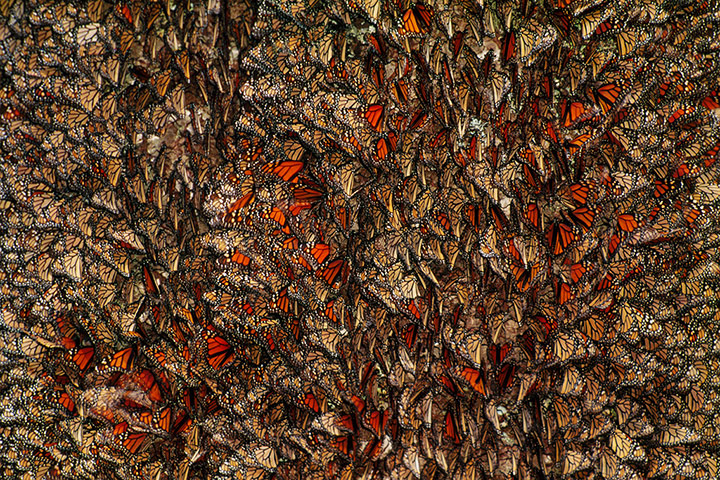
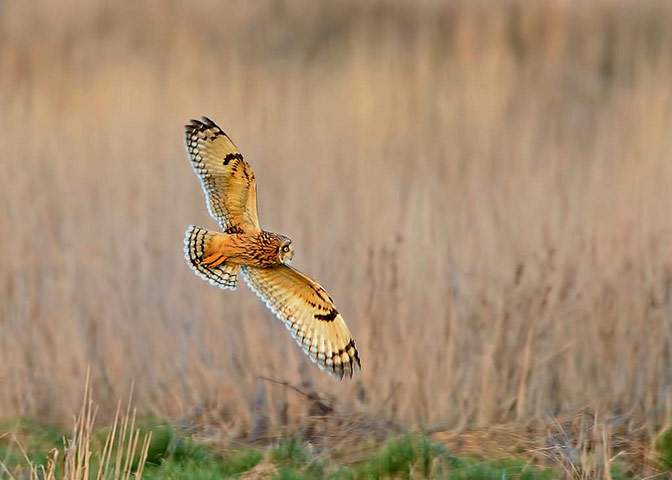
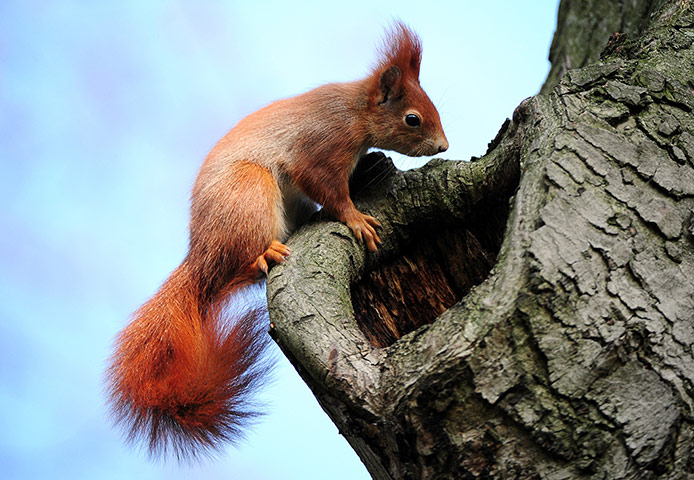
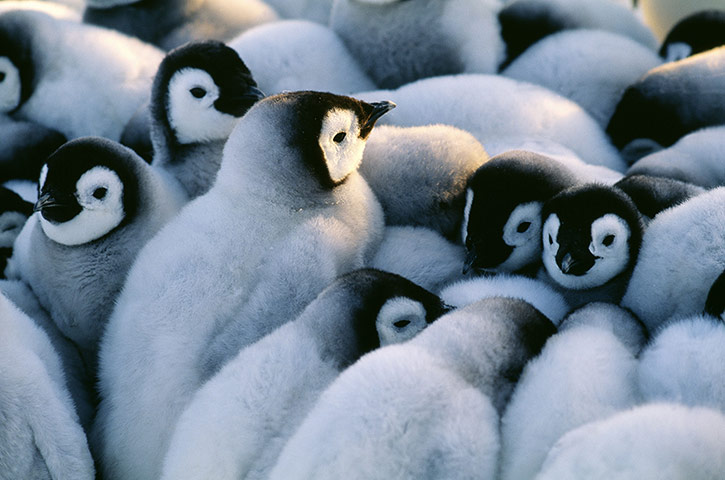
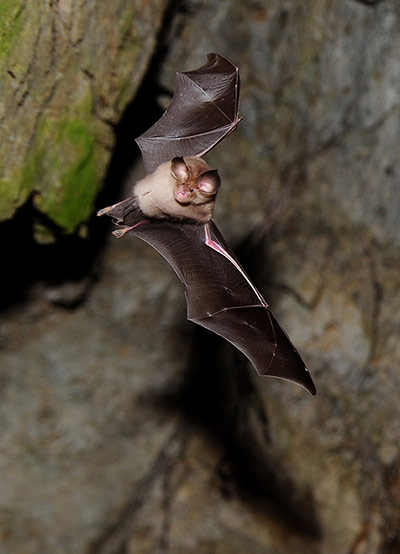
Monkeys huddle together in the early morning as they wait for people to feed them in New Delhi, India. Hindus believe that feeding monkeys bring them the blessings of the Hindu god, Lord HanumanPhotograph: Saurabh Das/APTrees are reflected in flood waters on the Somerset Levels on 29 January 2014 near Langport in Somerset, England. As weather forecasters predict more stormy weather, many villages on the Somerset Levels have faced weeks of floodingPhotograph: Matt Cardy/Getty ImagesRed deer on the open moor, taken on 5 January by Derbyshire Harrier and featured in our Green shoots reader winter photographs gallery Photograph: Derbyshire Harrier/Green Shoots/FlickrA canal in Xochimilco Lake in Mexico City. The salamander-like axolotl, also known as the 'water monster' or 'Mexican walking fish', may have disappeared from its only known natural habitat, Lake Xochimilco. Biologists said the most recent three-month attempt to net axolotls found not one of the creaturesPhotograph: Dario Lopez-Mills/APA team led by the Kenya Wildlife Service takes measurements of the canine teeth while they prepare to fit a GPS-tracking collar to a tranquilised male lion, in Nairobi national park. Kenyan wildlife authorities are fitting livestock-raiding lions with a GPS collar that alerts rangers by text message when the predators venture out of park, enabling the rangers to quickly move to the areas where the lions have encroached and return the animals to the parkPhotograph: Ben Curtis/APThe lunar landscape-like tracks left by the diggings of common hermit crabs (Pagurus bernhardus), who look for a comfortable place for moulting or shedding their skin on the golden beach at Mirissa, Sri LankaPhotograph: M.a.pushpa Kumara/EPAMonarch butterflies (Danaus plexippus) in Michoacan, Mexico. A historic low in the number of Monarch butterflies overwintering in a wooded sanctuary in central Mexico is prompting experts to warn that the insects's famed annual migration from Canada and the United States could fade away soonPhotograph: Frans Lanting/AlamyIlluminated by the setting sun, this short-eared owl was working hard. Taken on 19 January by Andy Pritchard and featured in our Green shoots reader winter photographs gallery Photograph: Andy Pritchard/Green Shoots/FlickrA red squirrel looks into a hole in a tree in the Frankfurt Main, GermanyPhotograph: Daniel Reinhardt/CorbisThis Columbus crab (Planes minutus), just 10mm long, was found among common goose barnacles on a longline buoy last week, washed ashore on the Chesil beach, a natural catchment area for marine litter in Dorset. Native to the Sargasso Sea near Bermuda, it drifted away along the Gulf Stream and ended with many objects from the American and Canadian fishing industry on British shores Photograph: Steve Trewhella/UK Coastal WidlifeEmperor penguins huddle for warmth. Penguins are in peril because of extreme environmental conditions linked to climate change, research has shown. Two new studies highlight the plight of penguin colonies trying to cope with the effects of global warming in Argentina and AntarcticaPhotograph: David Tipling/NPL/Rex FeaturesA bat in a cave by the River Danube near Bazias, Romania. European bat numbers are recovering after years of decline, according to a wide-ranging study. Scientists surveyed 16 European bat species in nine countries, including Britain, and found that the total number increased by more than 40% between 1993 and 2011Photograph: Daniel Mihailescu/AFP/Getty Images
Sign up to read this article
Read news from 100's of titles, curated specifically for you.