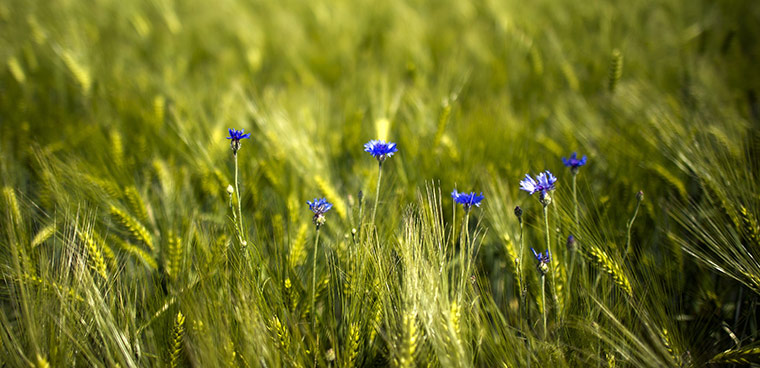
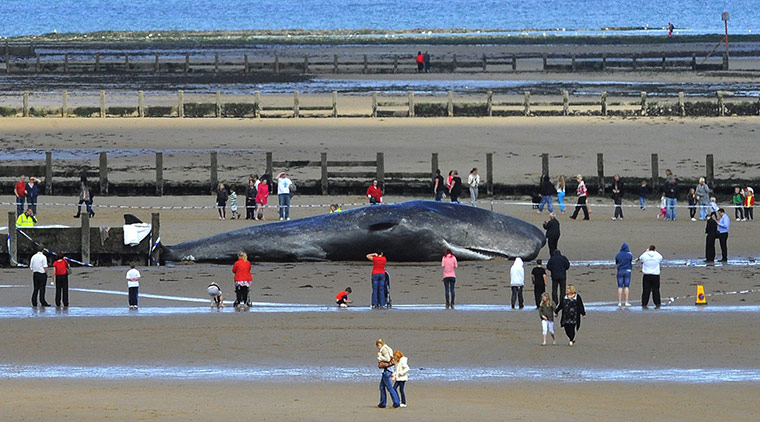
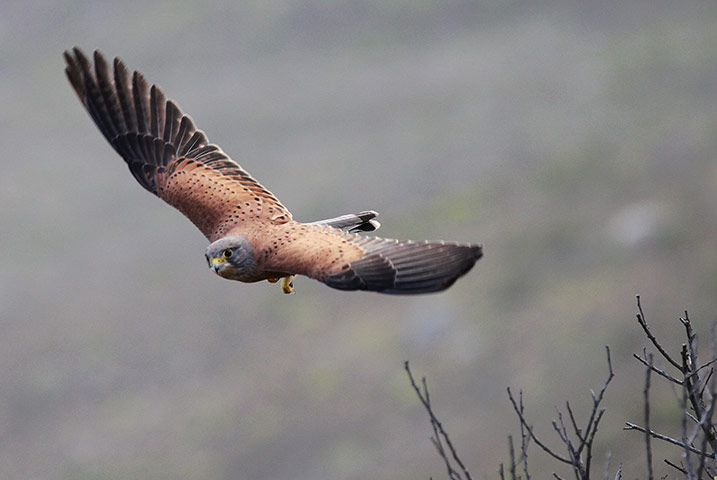
Blue cornflowers in field near Radibor, eastern Germany. The flower, native to Europe, is endangered due to the use of herbicidesPhotograph: Arno Burgi/AFP/Getty ImagesA 30ft sperm whale that washed up on the beach at Redcar, Cleveland, died despite efforts to save it. A cordon had been set up around the stricken whale to stop people getting too close and causing it stressPhotograph: Nigel Roddis/REUTERSA rock kestrel takes flight off the cliffs of Chapmans Peak in Cape Town, South Africa. The rock kestrel is a subspecies of the common kestrel that is found south of Angola, across to southern Tanzania and then southwards towards South Africa, where it resides in open mountain habitatsPhotograph: Nic Bothma/EPA
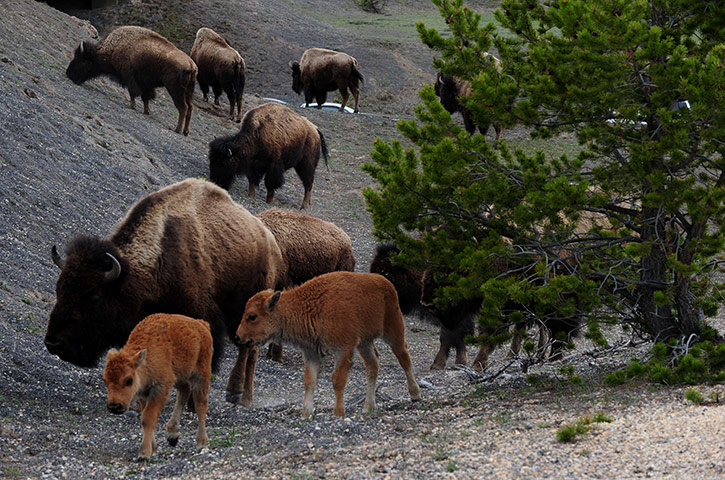
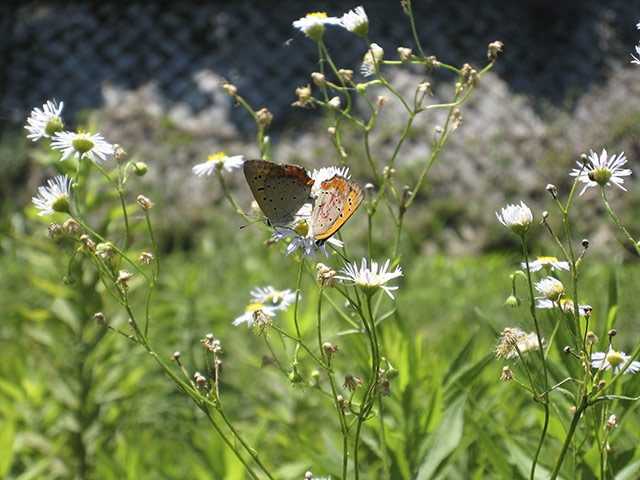
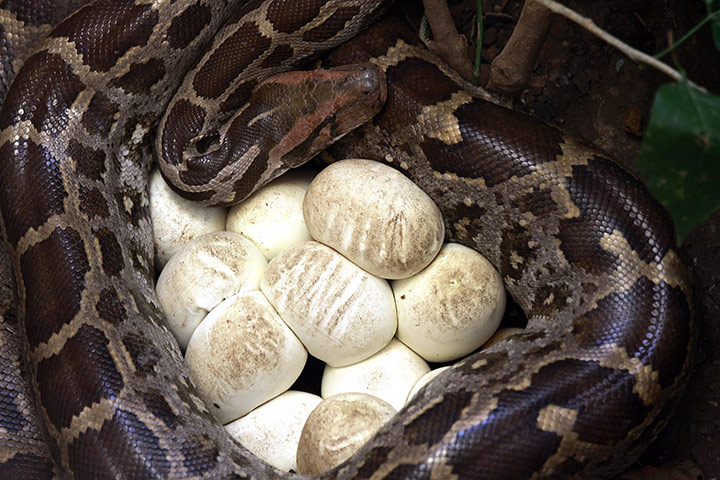
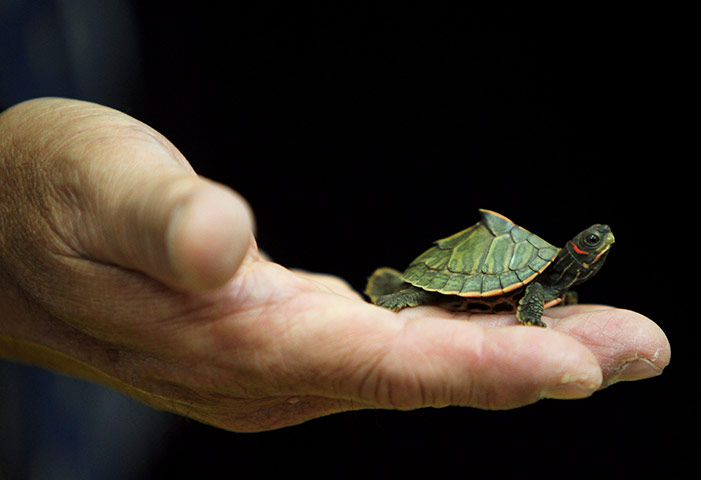
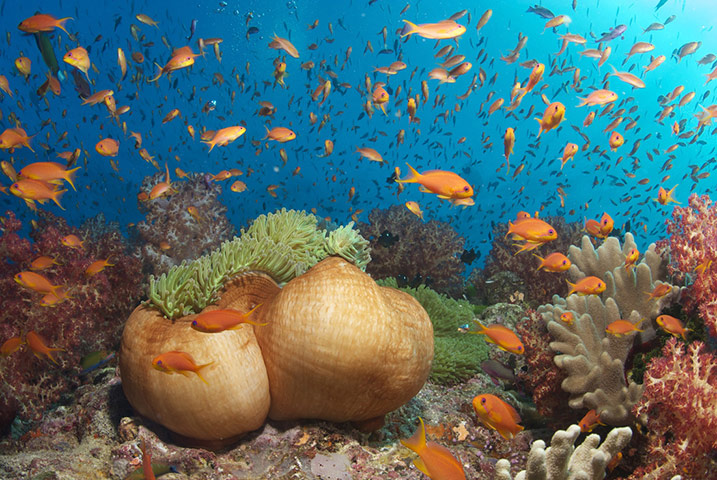
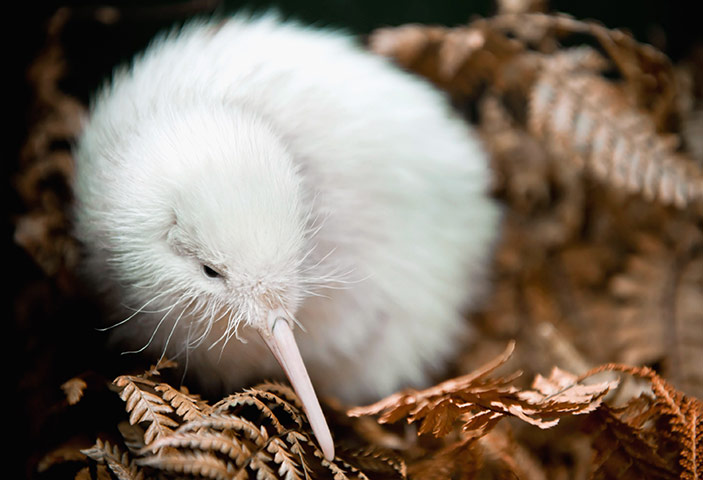
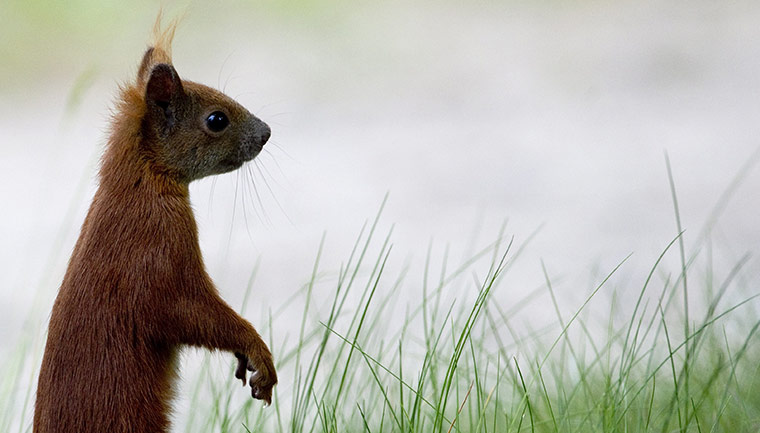
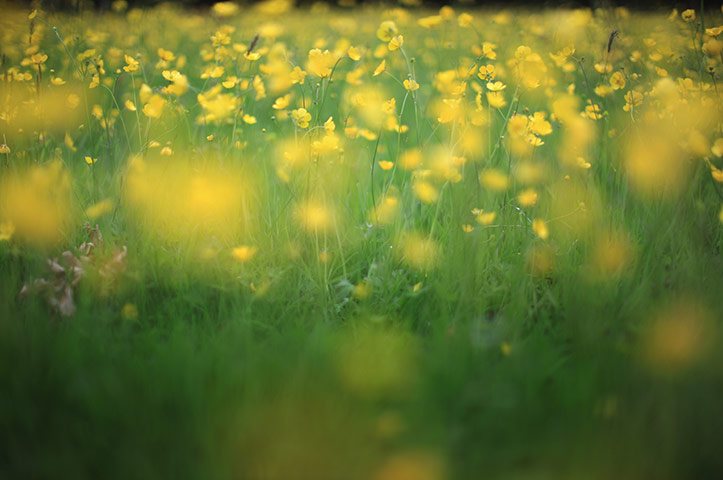
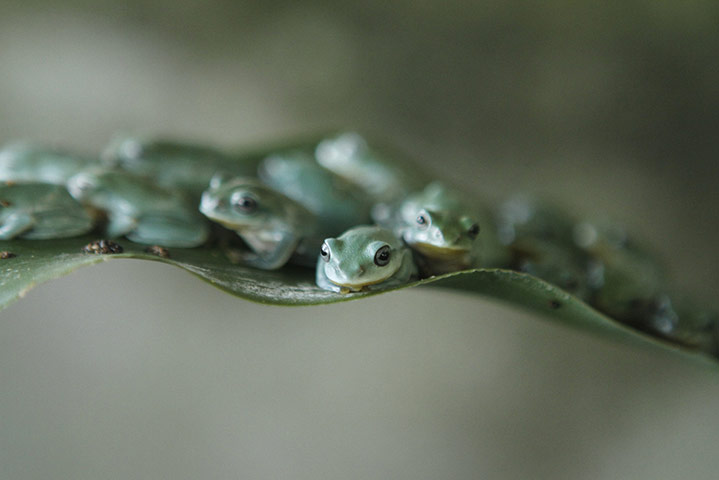
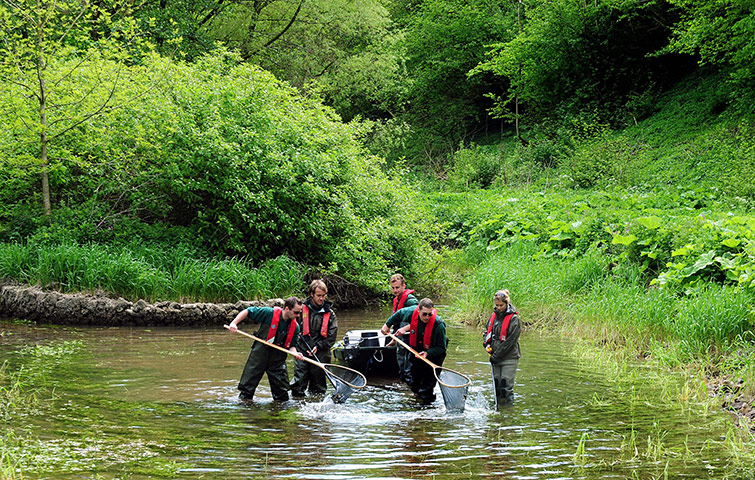
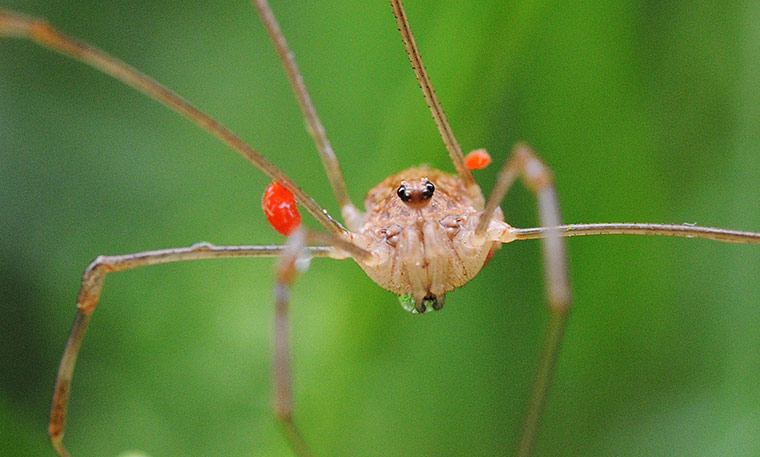
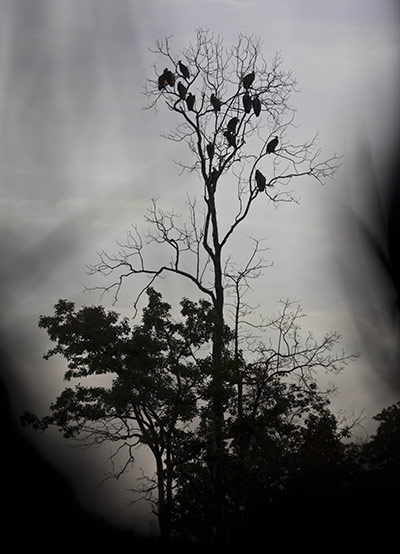
American bison (also known as buffalo) and their calves forage for food at Yellowstone national park, Wyoming. In the early 1800s, an estimated 65 million bison roamed throughout the continent of North America but hunting and poaching had a devastating effect on their population and by 1890, less than 1,000 remained. Today there are an estimated 4,000 bison in YellowstonePhotograph: Mark Ralston/AFP/Getty ImagesA female small copper butterfly (right) mates with a male in Kyoto, Japan. Observations of this colourful orange and black butterfly have revealed that some females close their wings when males fly by, but only when they are males of their own species. This kind of female butterfly mates only once in its life, and then closes its wings to avoid 'harassment' when pursued by persistent and unwanted males, Japanese researchers say • Click here for Guardian reader photographs of butterfliesPhotograph: HO/ReutersA cygnet and a female swan at the Alster lake in Hamburg, GermanyPhotograph: Bodo Marks/EPAA python protects its eggs at Van Vihar national park in Bhopal, India. Some 22 eggs were reported to have been laid by the snakePhotograph: Sanjeev Gupta/EPAA Thai Customs official holds a confiscated Indian roofed turtle during a press conference at Bangkok's Suvarnabhumi airport. Officials found 451 turtles and other rare reptiles stashed in suitcases offloaded from a passenger flight from BangladeshPhotograph: Rungroj Yongrit/EPAA school of yellow and orange reef fish above a large magnificent anemone observed during an eight-day marine expedition to Fiji Photograph: Keith EllenbogenA rare white kiwi chick in the forest reserve at the National Wildlife Centre in Wellington, New Zealand. The all-white kiwi, named 'Manukura' is suspected to be the first white chick born in captivity. The chick is the 13th of 14 baby kiwis hatched at the wildlife centre this seasonPhotograph: Mike Heydon/Jet Productions NZ Limited /Getty ImagesA red squirrel in Zeuthen, north-eastern GermanyPhotograph: Johannes Eisele/AFP/Getty ImagesButtercups in a meadow near Lake Windermere in the Lake District, England. Share your photos of meadows on our Flickr groupPhotograph: Christopher Furlong/Getty ImagesTree frogs sit on a leaf at an amphibian feeding camp outside Hanoi. Vietnam's first amphibian breeding farm was established in 2004 with the aim of promoting environmental awareness, conservation and for export to the US, Europe and Japan as petsPhotograph: KHAM/REUTERSAn Environment Agency fisheries team rescue stranded brown trout from the River Lathkill, in Over Haddon, Derbyshire, following a drop in river levels. Across the whole of England and Wales, 2011 has had the second driest spring since 1910 and the driest spring since 1990, according to the Met OfficePhotograph: Rui Vieira/PAA spider at the Grosses Moor nature reserve near Gifhorn, north-western Germany. After a short period of rain and low temperatures, spring will again bring sun to wide parts of the country this weekend, meteorologists forecastPhotograph: Julian Stratenschulte/AFP/Getty ImagesA wake of vultures perches on the bare branches of a towering tree, sharp beaks and talons ready to tear apart a dead cow laid out in a Cambodian jungle clearing. This manmade 'vulture restaurant' is part of efforts across Asia to save the critically endangered bird from extinction. Now there are tentative signs they may be paying off - the population of vultures in Cambodia has doubled to 300 from as few as 150 in 2004Photograph: David Longstreath/AP
Sign up to read this article
Read news from 100’s of titles, curated specifically for you.