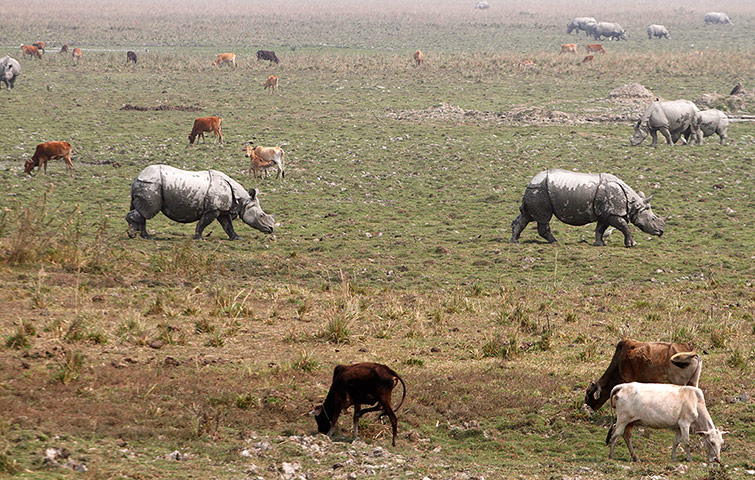
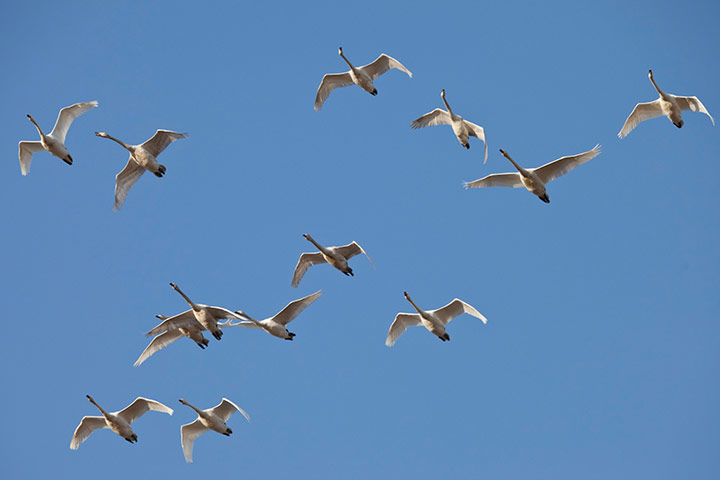
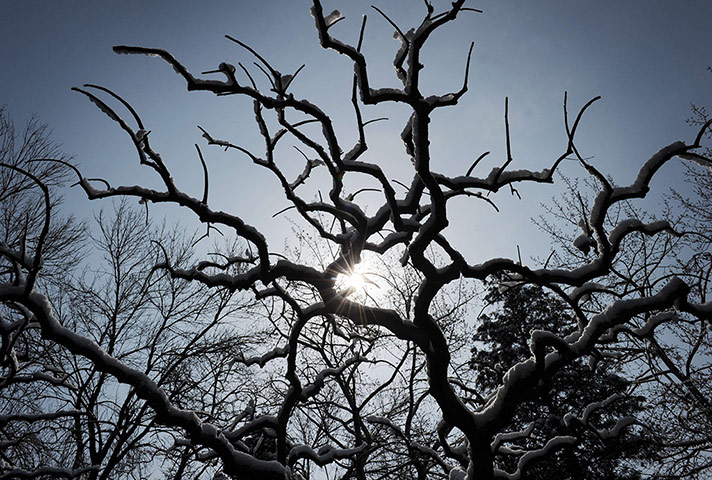
Rhinoceros are being counted as part of a census in the Pobitora wildlife sanctuary, India. According to the 2009 census, the density of rhinos has increased from 84 to 93, senior forest officials said, making it the highest density rhino population in the worldPhotograph: Anupam Nath/APA field in Fjärås, Sweden, has become a gathering place for a wide variety of birds. Birdwatchers have counted more than 600 whooper swans, along with Canada geese, pink footed geese, grey geese and the rare lesser white fronted goose. The birds are on their way to Lake Tysslingen, in Närke, northern Sweden which is a well known gathering place for birds. 'The most interesting I've seen has been three smaller tundra swans which are rare to see,' says birdwatcher Rolf Njord. 'I have also seen, five blue geese and two species of raptor, red kite and hen harrier. A sure sign of spring here'Photograph: Will Rose and Kajsa SjölanderSnow-covered trees in the Sanlitun district of Beijing. Melting sea ice in the Arctic may be causing the snowier winters the northern hemisphere has experienced in the last two seasons, US and Chinese researchers reportedPhotograph: Mark Ralston/AFP/Getty Images
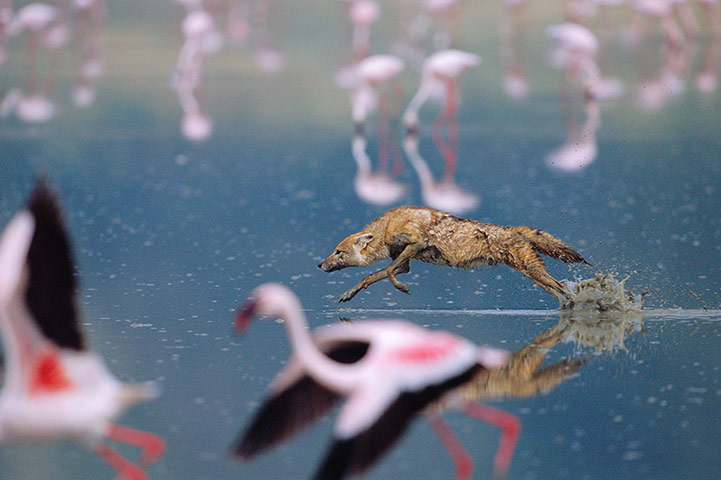
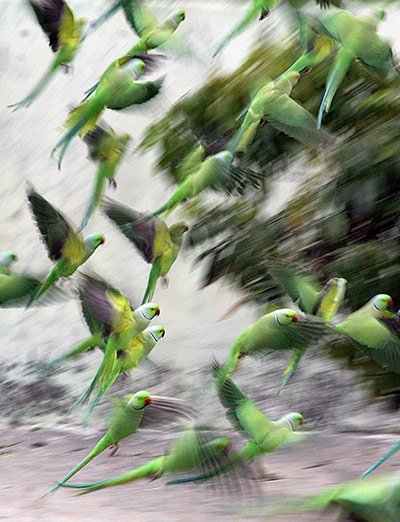
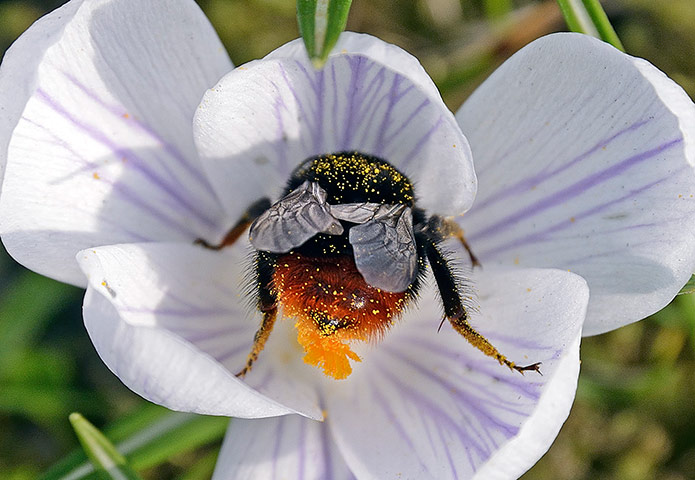
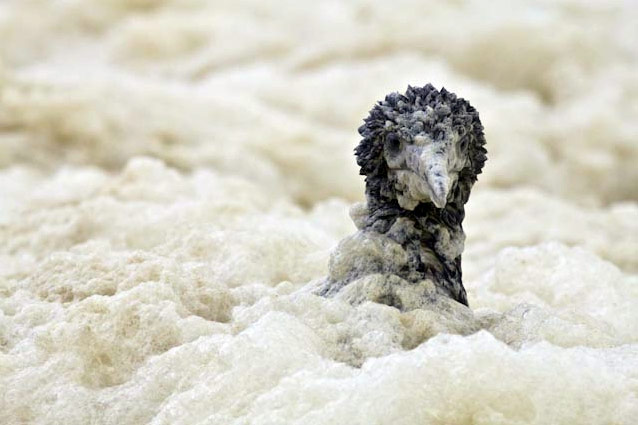
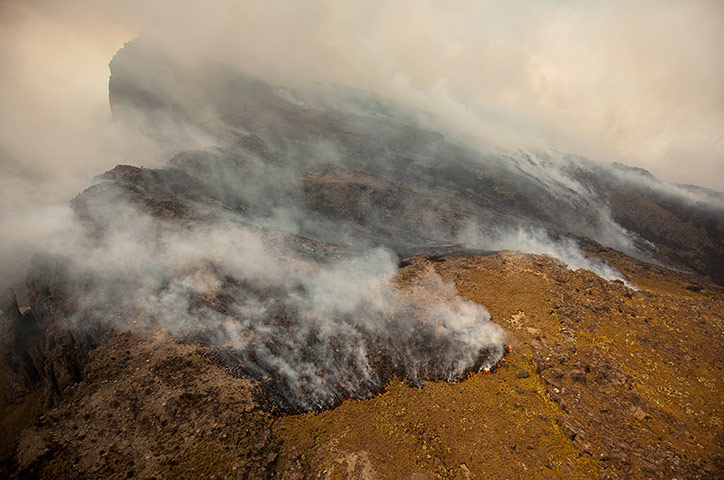
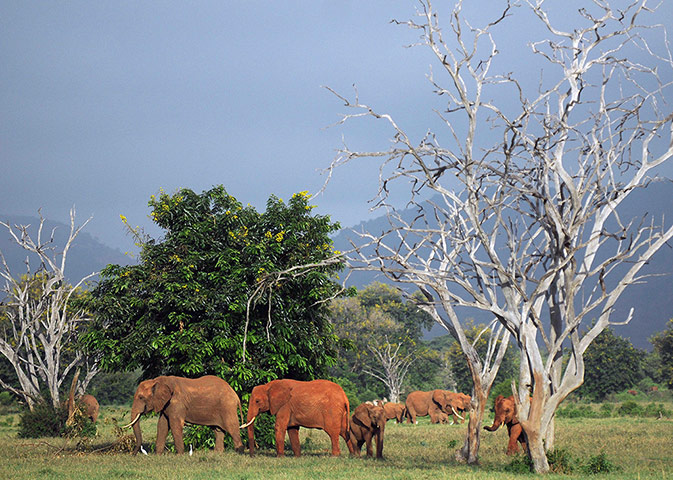
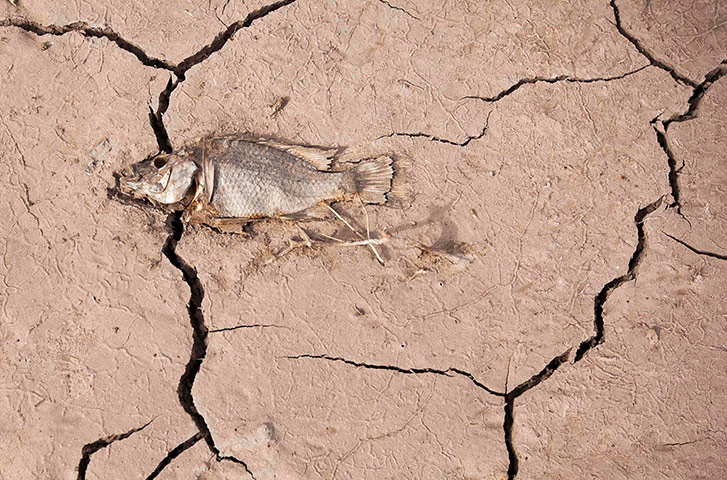
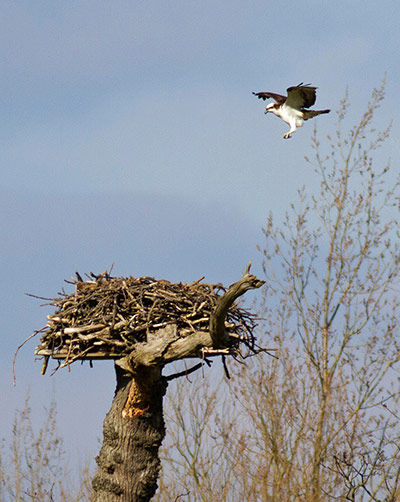
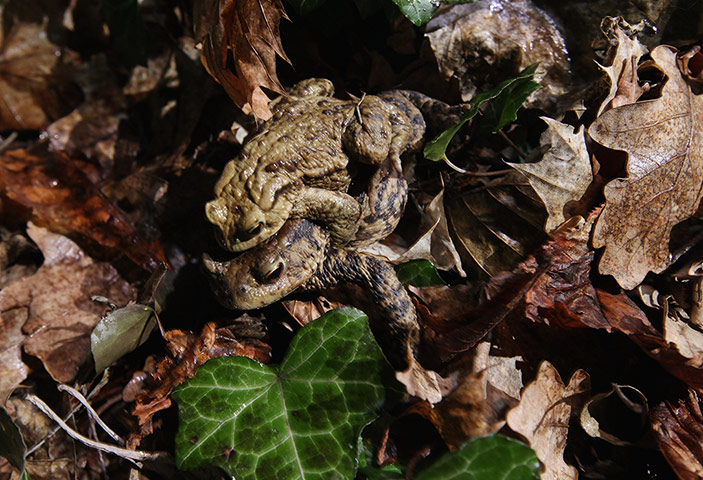
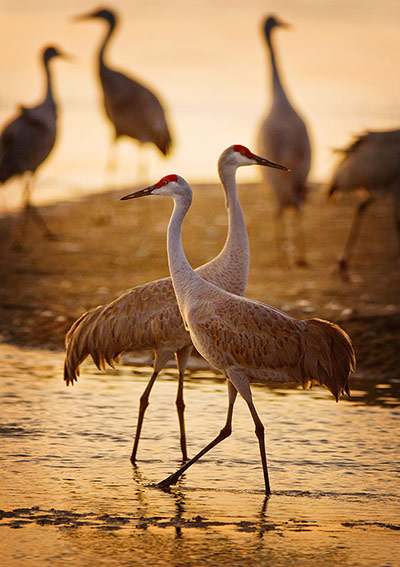
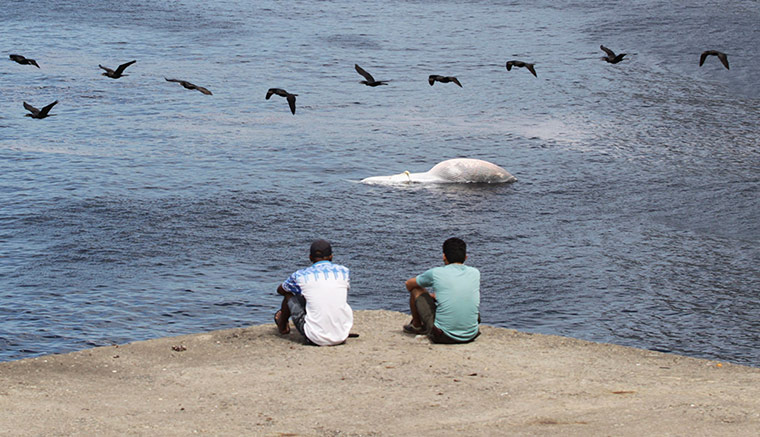
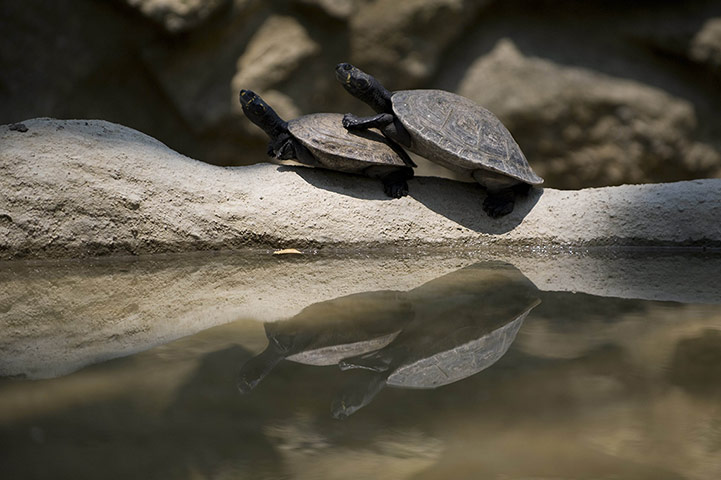
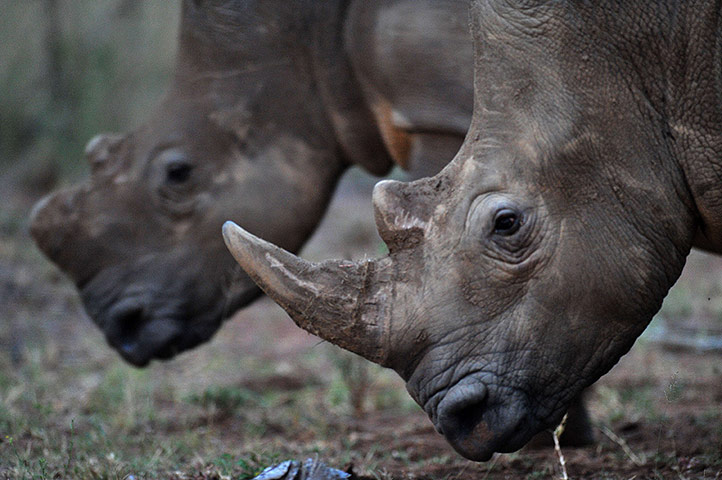
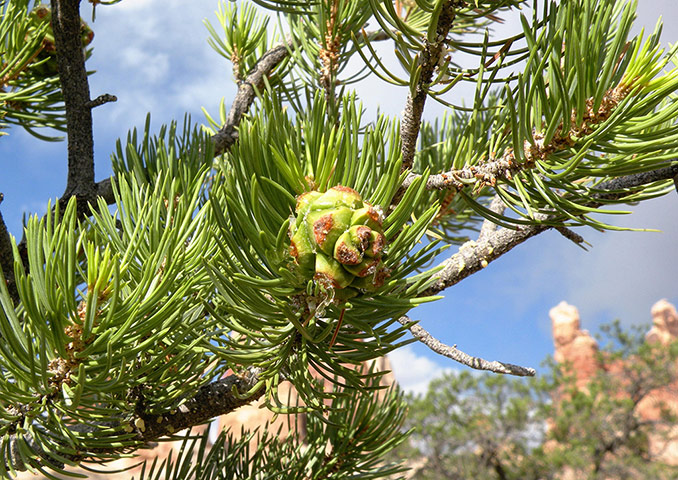
At the centre of Tanzania’s Ngorongoro crater is Lake Makat, a shallow warm soda lake. Spirulina algae bloom in the lake in vast numbers, attracting lesser flamingos in their thousands to come and feed. The birds in turn attract predators such as hyenas and golden jackals. Photographer Anup Shah watched this jackal target a bird, then accelerate to pursue it, alarming the rest of the flock, which took off in a flurry of wings and legs. This photo is part of Wild Planet at the Natural History Museum, a free outdoor photography exhibition of beautiful images from the natural worldPhotograph: Anup Shah/Wild PlanetParrots in flight in the north Indian city of JammuPhotograph: Jaipal Singh/EPAOn the first day of spring in Germany, a bee collects pollen from a blooming crocus GelsenkirchenPhotograph: Martin Meissner/APLamberts Bay, on South Africa's west coast, is experiencing an impressive algal bloom that has been intensifying over the last couple of weeks. This juvenile cape gannet got stuck in the huge amount of foam generated by the bloom. It took about three-quarters of an hour to get ashore as its feathers were completely saturated and greased by the slimy foamPhotograph: Vanessa StephenFires burn across the slopes of Mount Kenya, the second-highest peak in Africa at 5,199m. Fires that have been raging across Mount Kenya may have been set by poachers trying to create a diversion from their illegal attacks on animals, wildlife official sayPhotograph: Ben Curtis/APElephants forage in the Tsavo East national park during the second phase of a collaring exercise in the wake of a dramatic increase in the killings of elephants for their prized tusks. Kenya's estimated 30,000 elephant population has come under growing risk as reported incidences of poaching from all over the country continue to mount, despite governmental efforts supplements by international wildlife agenciesPhotograph: Tony Karumba/AFP/Getty ImagesA dead fish in the cracked earth of the dried-out La Sorrueda reservoir on the Spanish island of Gran Canaria. World water day, celebrated this week, aims to focus on the sustainable management of water resourcesPhotograph: Borja Suarez/ReutersThis little owl wasn't fooling anyone when it tried to blend in on a telegraph pole. It was spotted by wildlife photographer Mircea Costina in Dobrogea, Romania - but only after another bird gave its position away. Little owls are usually observed in daylight when they will find high perches from which to swoop down onto their preyPhotograph: Mircea Costina/Rex FeaturesRutland Water this week welcomed back its first ospreys of the year. Field officer John Wright was able to capture the precise moment when this male osprey returned to his nest after a long migration from his west African wintering grounds. He started rebuilding his nest almost immediately, in anticipation of the arrival of his mate. In 2001, following a successful translocation programme, Rutland Water became home to the first ospreys to breed in England for 150 years. A total of 53 chicks have since fledged from nests in the Rutland Water area, and in 2012 the team hopes there might be six or more breeding pairsPhotograph: john Wright/The Wildlife TrustA male toad clings to the back of his female partner after volunteers deposited them on the other side of a road along the toads' migration route near Berlin. Volunteers from Germany's NABU wildlife protection group collect toads migrating to spawn in a nearby lake in order to save them from the passing cars on a road that lies along the migration route. Every spring amphibians, including toads, frogs and newts, migrate to the waters where they were born in order to lay their eggs, and traffic is among the biggest hazards they will facePhotograph: Sean Gallup/Getty ImagesSandhill cranes preen and oil their feathers in the Platte River, Nebraska, an ideal stopping point for the cranes because the water is shallow with many sandbarsPhotograph: Alyssa Schukar/APResidents look on at a dead Bryde's whale near São Conrado beach in Rio de JaneiroPhotograph: Sergio Moraes/ReutersTwo seized turtles in their cage at the Villa Lorena animal shelter, in Cali, Colombia. Colombian law prohibits the possession of wild animals as pets and last year 1,156 wild animals in captivity were seized by policePhotograph: Luis Robayo/AFP/Getty ImagesTwo white rhinoceros walk in Limpopo, South Africa, near the new site of a rhinoceros orphanage yet to be built. The centre will take in baby rhinoceros that have been orphaned or injured by poachers. Rhinos will be wiped out from South Africa's wildlife parks by 2015 if poaching continues at its current rate, a campaigner fighting to save the animals has warnedPhotograph: Alexander Joe/AFP/Getty ImagesA study has shown that disturbing the peace and quiet of the countryside can be disrupting to plants as well as wild animals. One study looked at the effect of noise on the piñon pine (pictured), a dominant tree in the area whose seeds are eaten by many birds and animalsPhotograph: Clinton Francis/National Evolutionary Synthesis Cente/PA
Sign up to read this article
Read news from 100’s of titles, curated specifically for you.