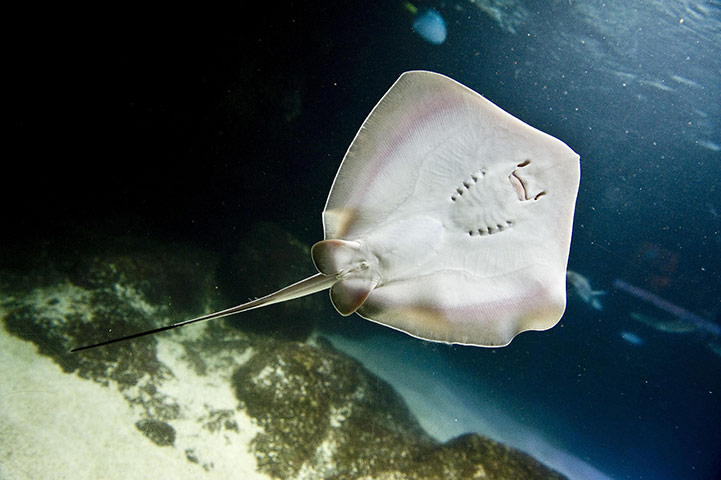
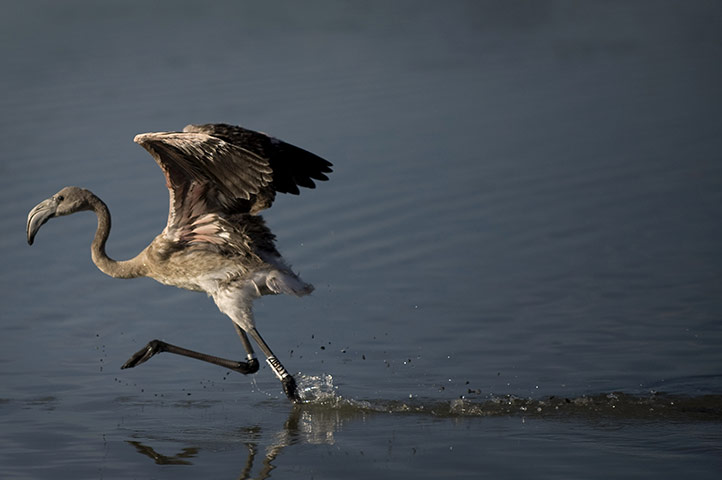
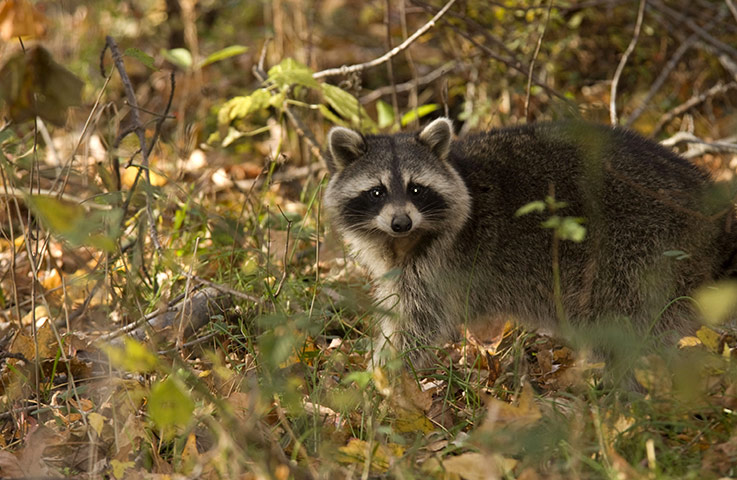
A baby stingray at the Sea Life London Aquarium. Staff were surprised to discover two female stingrays were both expecting young as they had not been in contact with a male for almost two years. Seven healthy stingrays were born Photograph: Ian West/PAA flamingo chick runs on the Fuente de Piedra lake, Spain, during a tagging and control operation of flamingo chicks to monitor the evolution of the species. The lake, which is the most important breeding ground for flamingos in the Iberian peninsula, is also a nature reserve and a haven for birds with over 170 different species recordedPhotograph: JORGE GUERRERO/AFP/Getty ImagesA raccoon in the US, where most rabies cases before 1960 were in domestic animals, but today more than 90% of all animal cases reported annually occur in wildlife, most frequently in raccoons, bats, skunks and foxesPhotograph: R. Anson Eaglin/USDA APHIS/AP
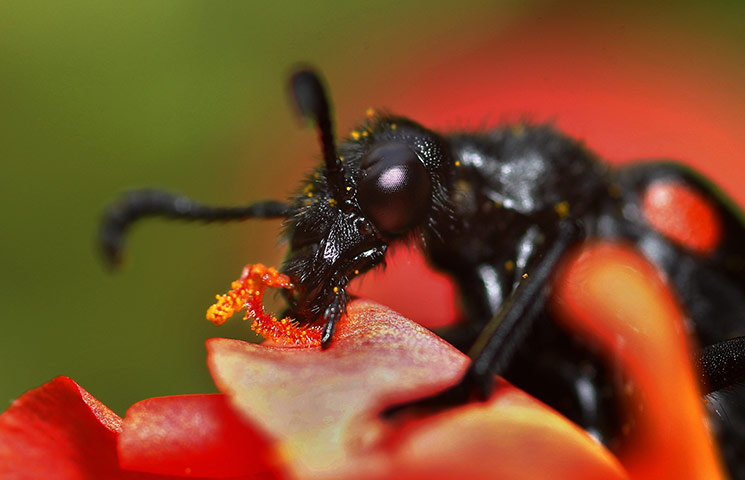
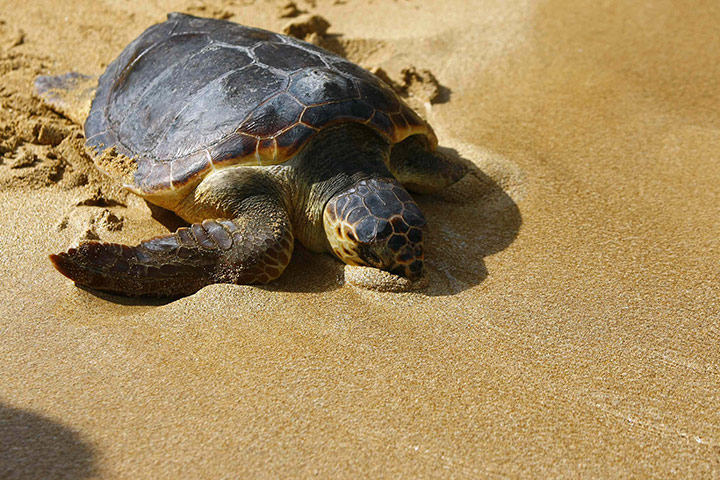
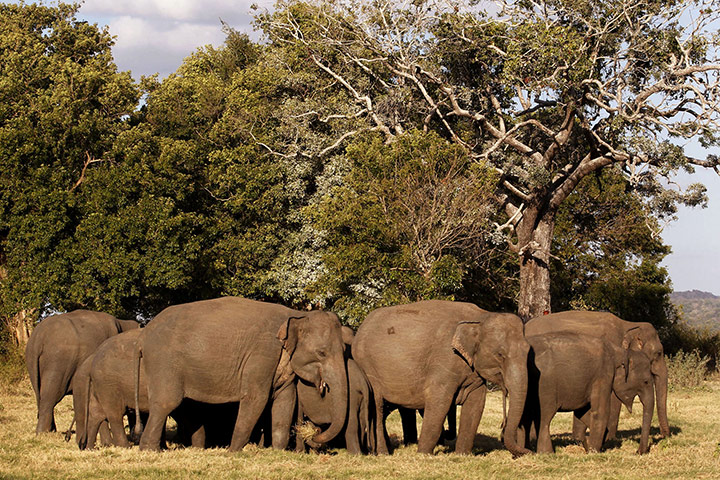
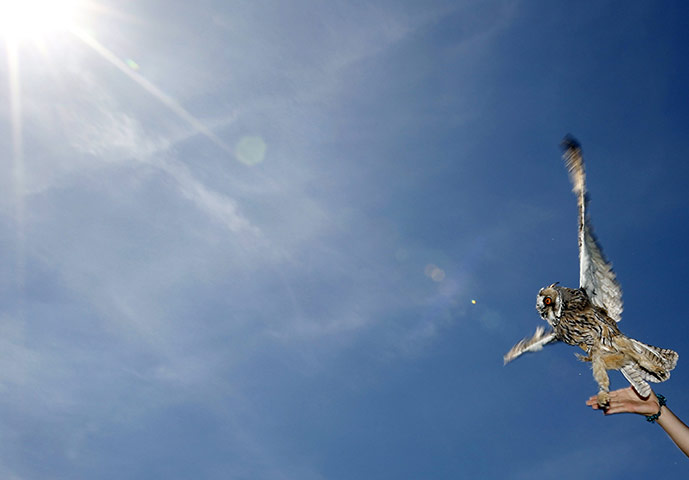
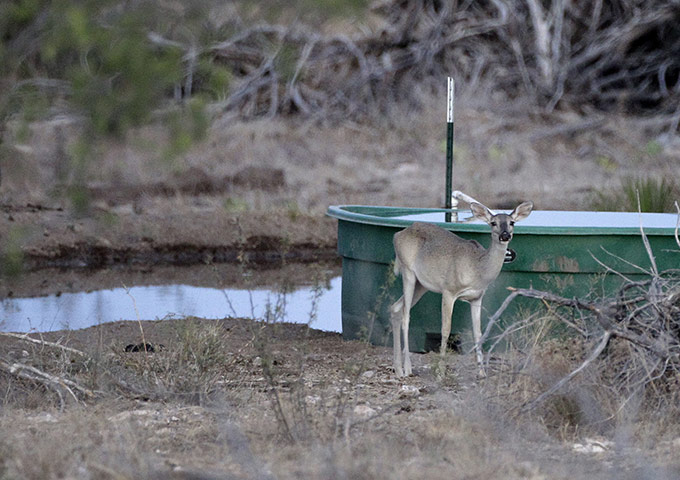
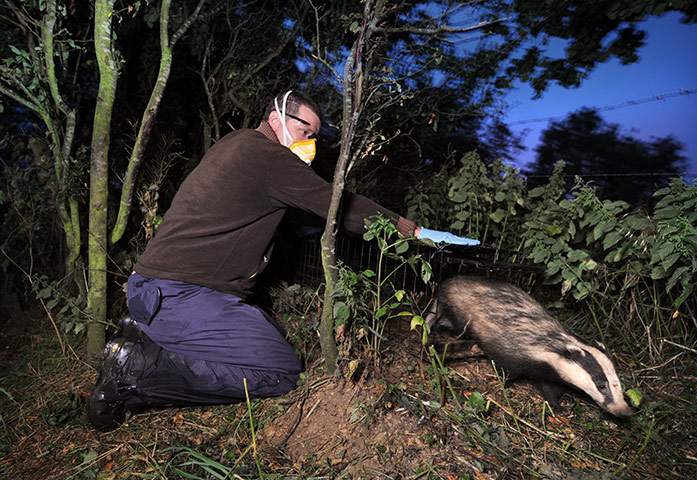
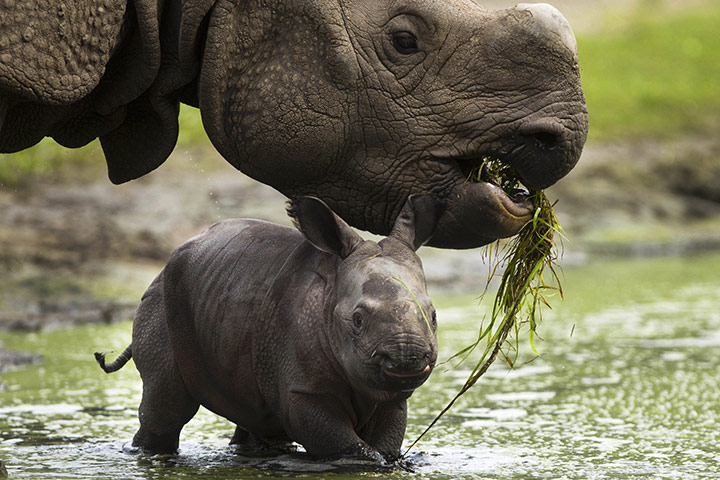
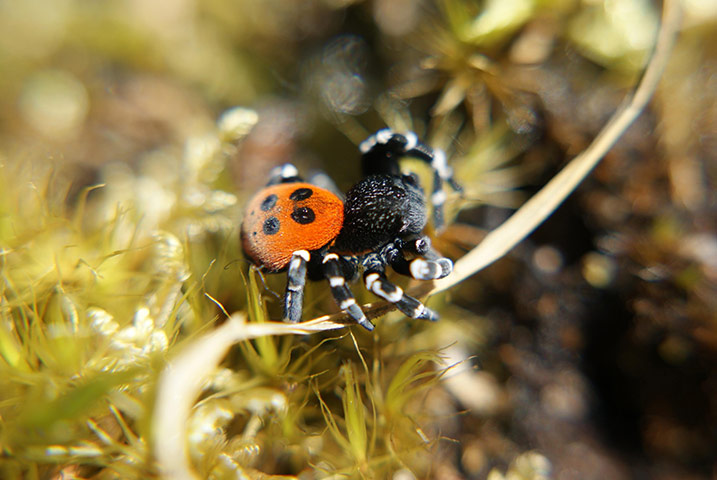
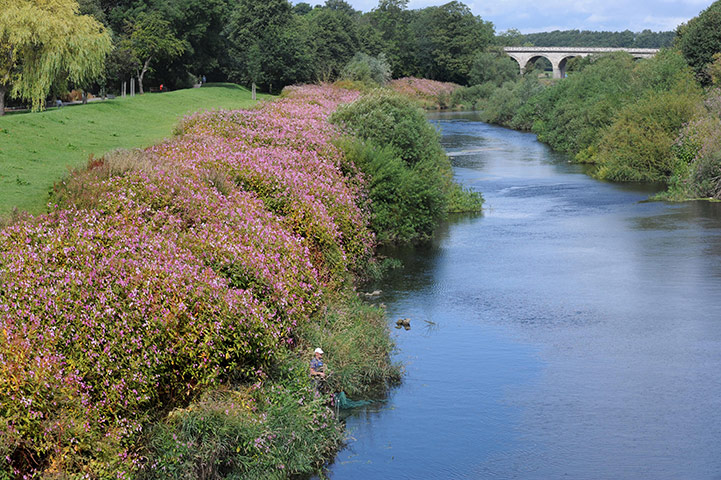
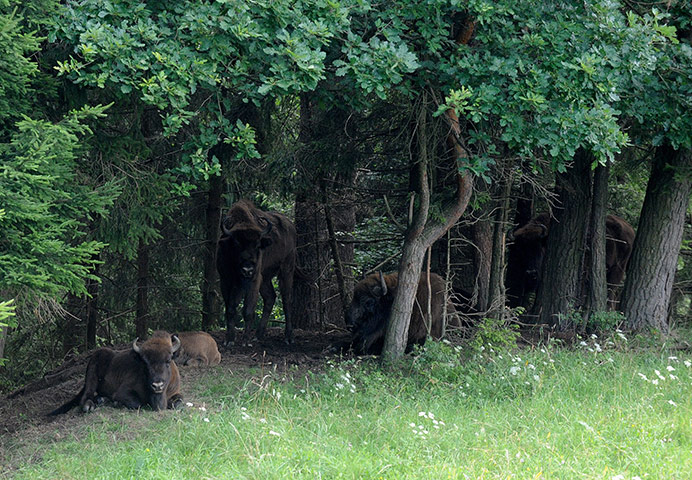
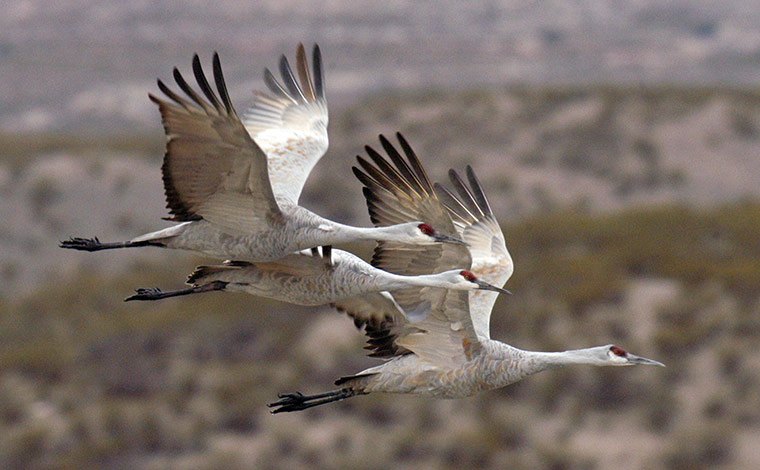
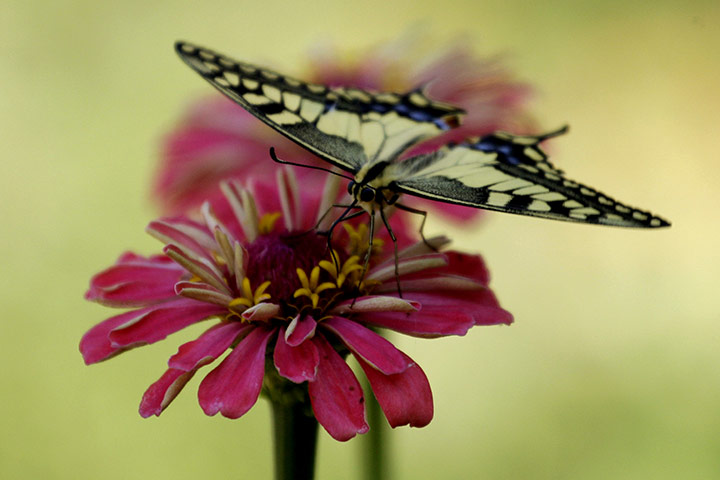
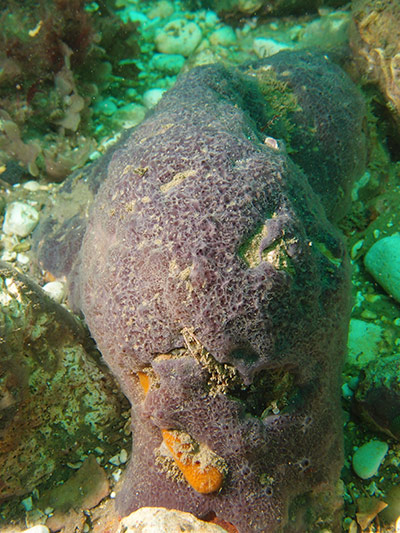
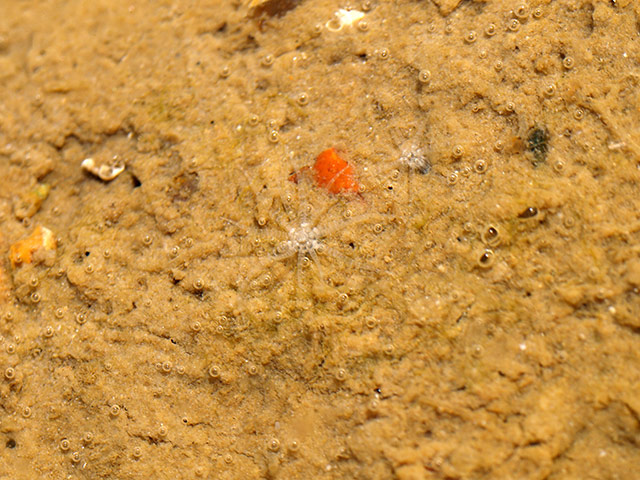
A blister beetle eats a petal of a flower in IndiaPhotograph: Gurinder Osan/APA loggerhead turtle reaches the water after making its way across the sandy beach towards the sea at Gnejna Bay, in the north of Malta. Beachgoers have been urged to report endangered leatherback turtle sightings Photograph: Darrin Zammit Lupi/ReutersAherd of Asiatic wild elephants gather at a national park in Minneriya, Sri Lanka. Thousands of wildlife officials and volunteers have taken up positions on treetop huts near reservoirs and watering holes for Sri Lanka's first national count of its dwindling wild elephant population. Sri Lankan wildlife activists have boycotted wild elephant censusPhotograph: Chamila Karunarathne/APAn ornithologist frees a long-eared owl in Hungary. The owl, which had been injured, was rescued and marked with an identification ring before it was returned to nature, ornithologists saidPhotograph: Laszlo Balogh/ReutersA white tail doe stands by a pump fed water tank on a ranch near San Angelo, Texas. Most of the wildlife on the ranch rely heavily on the watering holes the ranch owner maintains for themPhotograph: Tony Gutierrez/APThe badger TB vaccination programme at Gloucestershire Wildlife Trust's Greystones Farm nature reserve. Project officer John Field releases a vaccinated badger Photograph: Adrian Sherratt/GuardianA newborn Indian rhinoceros cub and its mother have a mud bath in Berlin zoo. The yet unnamed rhinoceros cub was born on 31 July and presented to the public on FridayPhotograph: Markus Schreiber/APA rare ladybird spider in its man-made home in an old old plastic bottle at Clouds Hill in Dorset, which will be used to transport it to the RSPB's Arne reserve in Dorset to help them breed. The bottles have been filled with heather and moss and captured spiders placed inside and monitored while they settled in and made their websPhotograph: Ian Hughes/RSPB/PAThe river bank is covered with colourful but invasive poor man orchid flowers after the hot weather, making it difficult for an angler to find a spot by the the River Wharfe, near TadcasterPhotograph: John Giles/PAEuropean bisons rest in a reserve in the former military zone at Ralsko, near Mimon town, a site occupied by Soviet forces from 1968 to 1991. European bison have returned to the Czech Republic after more than a century, as five animals from neighbouring Poland make their home in a former military zone occupied by the SovietsPhotograph: Michal Cizek/AFP/Getty ImagesSandhill cranes in flight. The sandhill crane has one of the longest fossil histories of any extant bird, with the oldest fossil dating to 2.5m years agoPhotograph: APA butterfly alights on a flower Photograph: Petros Giannakouris/APScientists taking part in the first ever survey of seaweed to span the length of the East Coast of England have discovered a variety of species new to the region, including this unidentified purple sponge, which was discovered off Sheringham in Norfolk by the Seaweed East surveyors. It is new to the UK and possibly to science. A total of 131 species have been collected to date, including four non-native species to the UK. All seaweeds collected from both shore and dive surveys will be pressed and scanned, producing an East Coast collection that will be available to view online once completePhotograph: Rob Spray/The Wildlife TrustsThis starlet sea anemone is a Biodiversity Action Plan species. The Seaweed East team recorded them off the East Anglian coast. This image was taken at Orfordness, Suffolk. The Seaweed East survey involved a team of surveyors, including renowned marine biologists, seasearch divers, a botanist and a wild food expert, exploring 11 locations from Essex to Northumberland between 1 and 10 AugustPhotograph: Rob Spray/The Wildlife Trusts
Sign up to read this article
Read news from 100’s of titles, curated specifically for you.