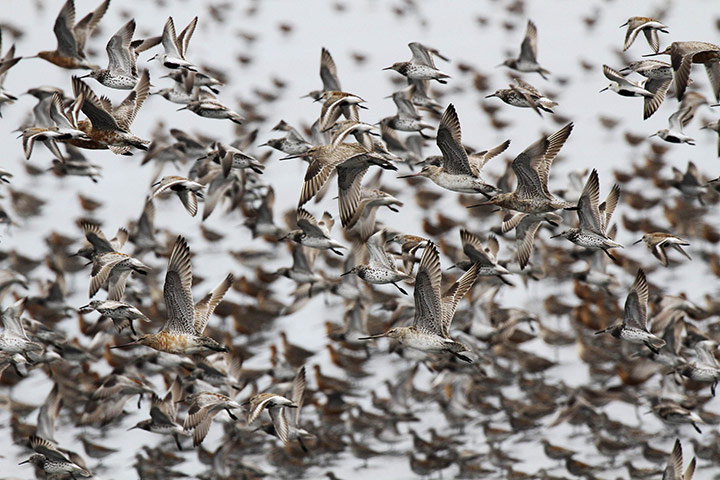
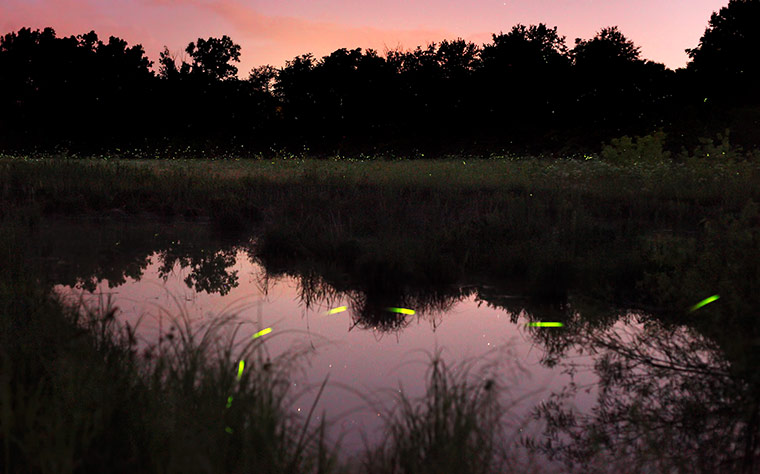
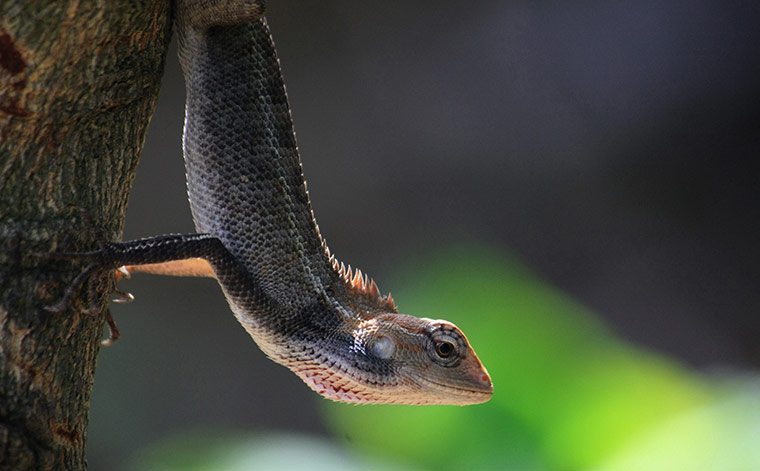
A flock of snipes flies over the Yalu River estuary nature reserve in the border city of Dandong, Liaoning province. The nature reserve encompasses a diverse ecosystem of plants, wild birds and fish. It is also an important habitat for migratory birds for the world's 10 flyways, supporting some endangered species of migratory birdsPhotograph: Jacky Chen/Reuters2011 International Garden Photographer of the year, second place, Radim Schreiber, Fireflies, taken in Fairfield, Iowa, US. 'I worked on a whole series of images last summer. I did not add or subtract fireflies from this photo. Everything is natural, one-exposure photography. The red glow is a natural glow of a nearby town. Using a relatively fast shutter speed allowed me to capture the fireflies’ own strong glow'Photograph: Radim Schreiber/IGPOTYA changeable lizard looks of its prey as it clings on a tree branch at Dimapur, in the north-eastern state of Nagaland. The changeable lizard, an agamid lizard found widely in Asia, can be seen in different colours which reflect their moodsPhotograph: STR/AFP/Getty Images
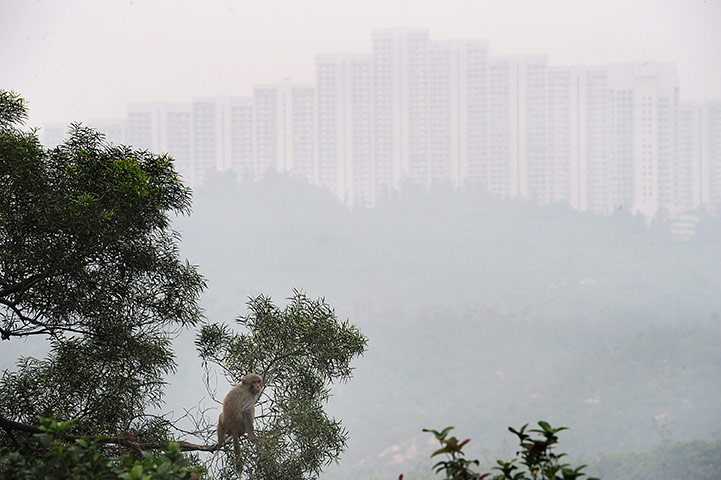
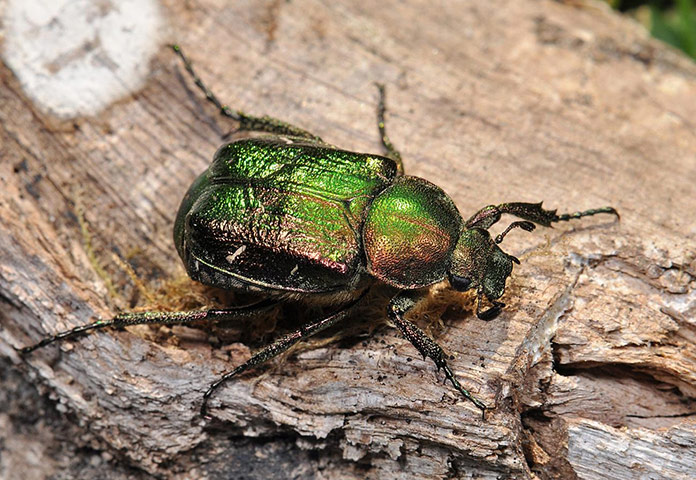
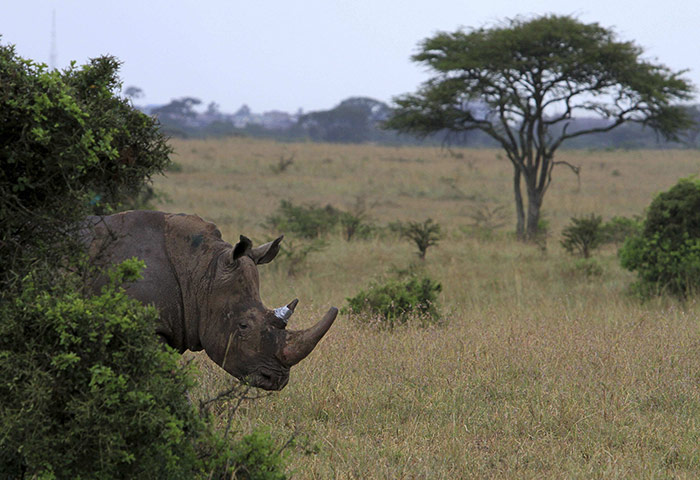
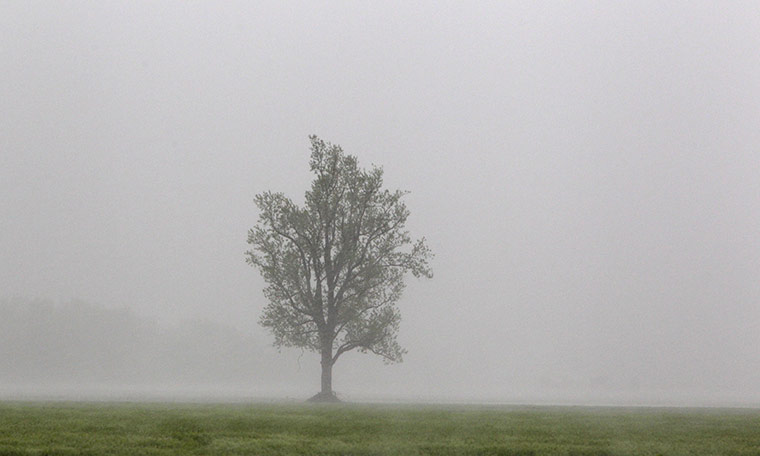
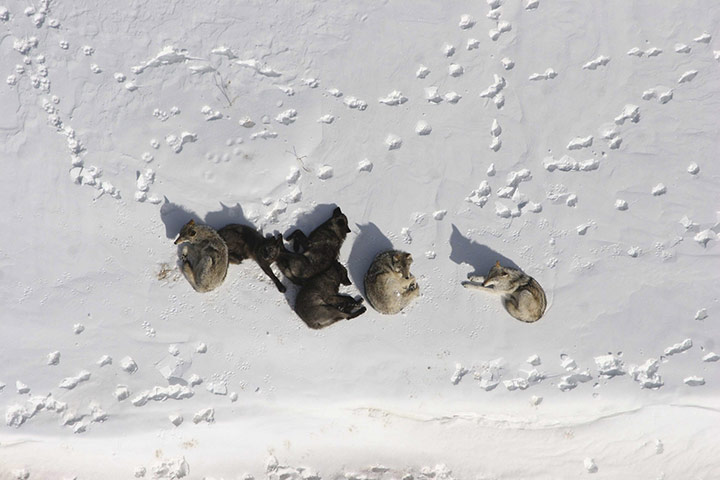
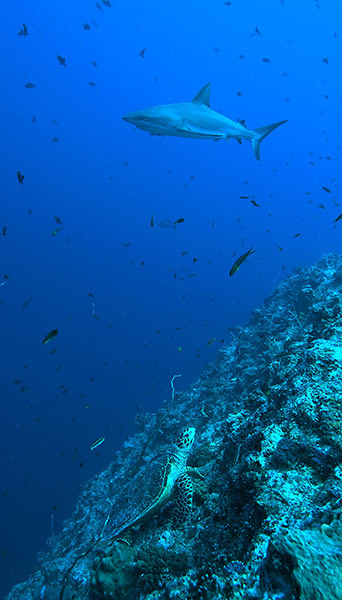
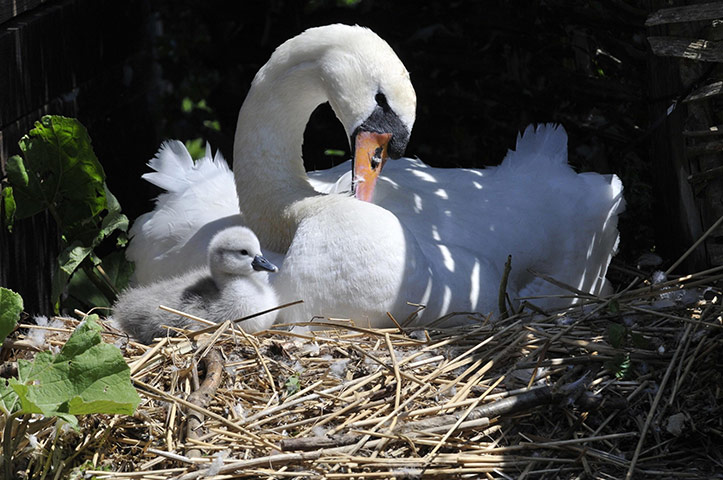
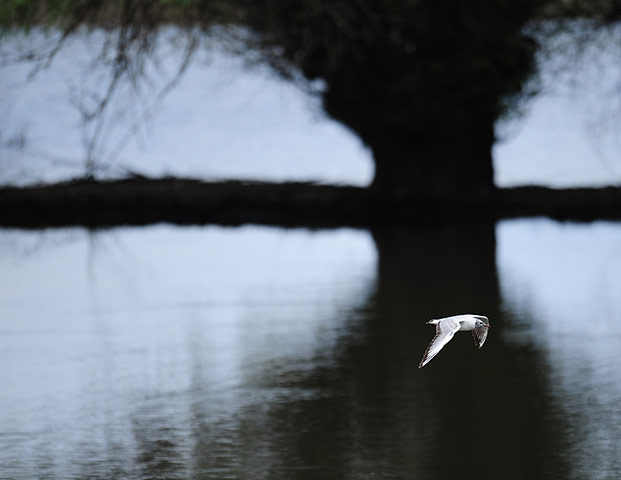
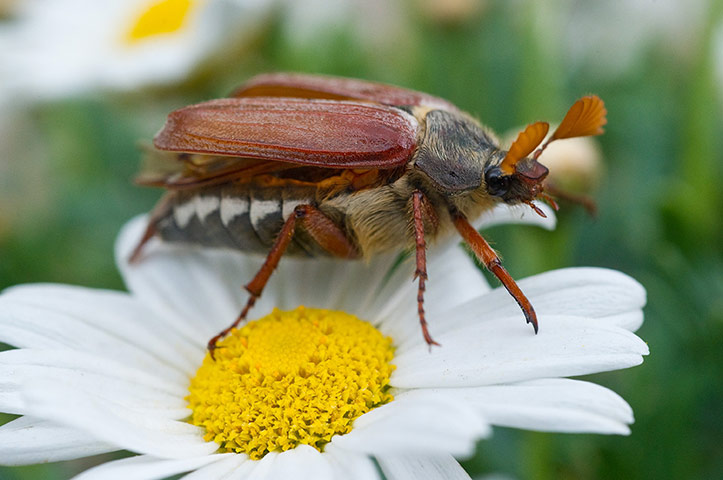
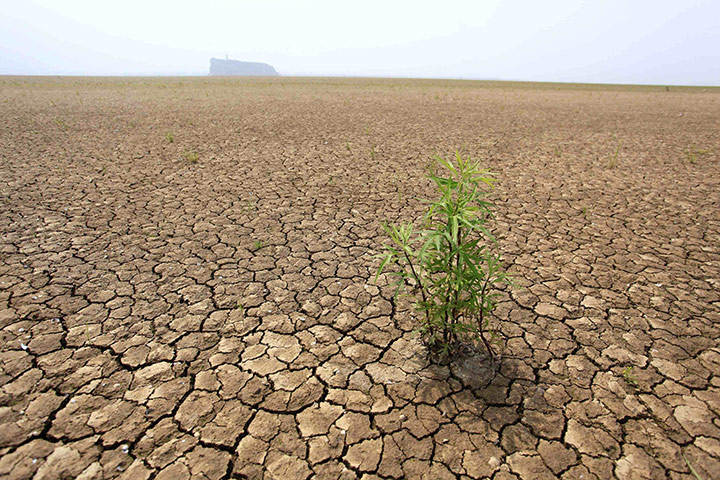
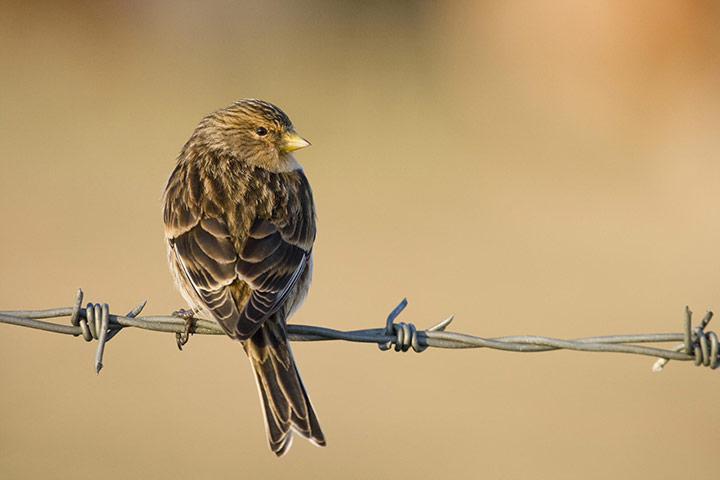
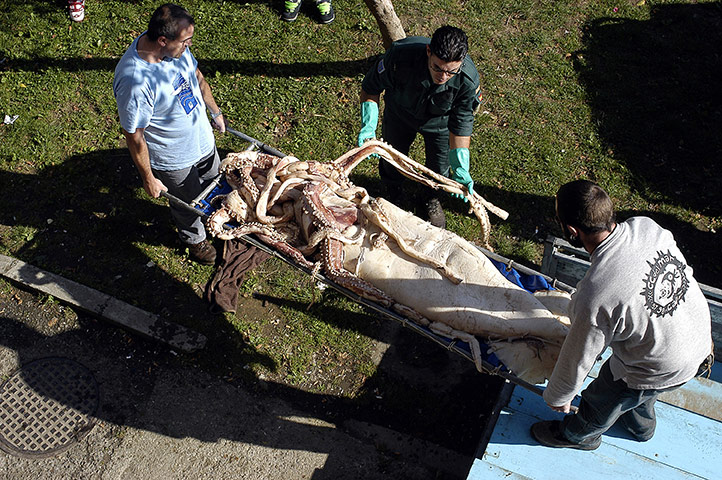
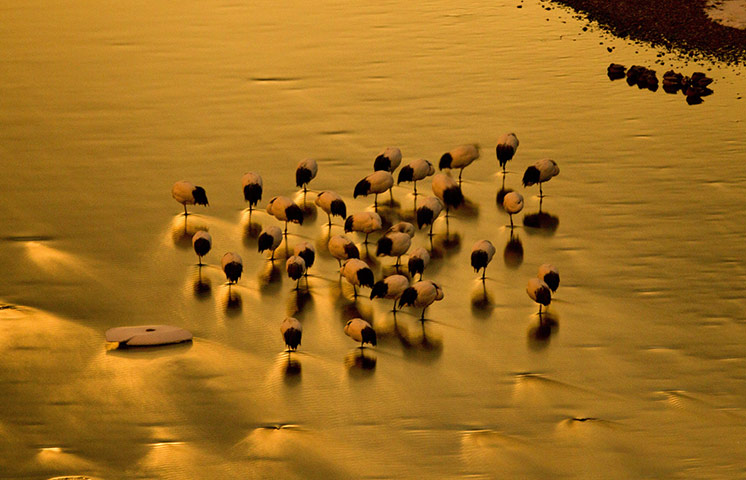
A monkey climbing a tree in a country park in Hong Kong. Wild monkeys don't seem to care that Hong Kong is a concrete jungle – they thrive so well on its fringes that the government has introduced birth control to curb a population boomPhotograph: Mike Clarke/AFP/Getty ImagesA noble chafer beetle which relies on the decaying wood of old fruit trees. More than 35,000 traditional orchards have been identified across England, but almost half are in a poor condition, experts warn. The five-year project to map traditional orchards, which are home to at least 1,800 wildlife species but are in decline, aimed to record the location, age and condition of the habitats and provide a baseline for future work to protect themPhotograph: Paul Brock/PAA white rhino walks after exiting a cage at Kenya's Nairobi national park, during the translocation of the rare white rhino from Maasai Mara reserve after it strayed close to residential areasPhotograph: Noor Khamis/ReutersA tree stands in a field during a torrential rainstorm near the Birds Point levee, near Wilson City, Missouri. The Army Corps of Engineers is considering blowing a two-mile hole into the Birds Point levee in south-east Missouri, which would flood 130,000 acres of farmland in Missouri's Mississippi County but protect nearby Cairo, IllinoisPhotograph: Jeff Roberson/APA wolf pack is bedded down in the snow in Yellowstone national park. Federal protections for 1,200 grey wolves in Montana and Idaho officially ended on 5 May under unprecedented legislation passed by Congress last month removing them from the endangered species listPhotograph: HO/ReutersA blue corner shark and a turtle off the coast of the Pacific island nation of Palau. A single reef shark can be worth nearly $2m in tourism revenue over its lifetime, according to a study released on Monday by researchers in AustraliaPhotograph: Todd Essick/AFP/Getty ImagesNewborn cygnet Sunny and his mother Annabelle at the Abbotsbury Swannery in DorsetPhotograph: PAA water bird flying over a Danube Delta's canal next to Tulcea city, Romania. Danube Delta is the second largest river delta and best preserved of Europe: 2,200 square miles of rivers, canals, marshes, tree-fringed lakes and reed islands. Roughly 15,000 people inhabit the Delta area, living in 28 villages and one city, Sulina Photograph: Daniel Mihailescu/AFP/Getty ImagesA cockchafer sits on a flower in a garden in Fuerstenwalde, north-eastern Germany. Owing to the extensive use of pesticides, the population of chockchafers in Europe was almost exterminated in the middle of the 20th century, but is increasing again after a regulation of pest controlPhotograph: Patrick Pleul/AFP/Getty ImagesA plant is seen on the cracked bed of the dried area of Xieshan, which is part of Poyang Lake in east China's Jiangxi Province. Chinese officials on Wednesday warned that an extended low-flow period, caused by the lingering spring drought in central China, might pose a threat to navigation in parts of the Yangtze River, the longest waterway in ChinaPhotograph: China Daily/ReutersTwite (Carduelis flavirostris), adult perched side-on upon barbed-wire fence. The spate of wildfires in parts of Britain is threatening ground-nesting birds, including the only English population of a species of finch called the twite, the RSPB has warnedPhotograph: Tom Marshall/RSPBWhen giant squid were found dead off Spain scientists suspected the cause to be powerful sound pulses from vessels. A new study has confirmed that low-frequency sounds from human activities can affect squid and other cephalopodsPhotograph: Fernando Camino/Getty ImagesA long exposure picture shows Japanese red-crowned cranes sleeping in their winter roost on a river lightened under the nearly full moon at Kushiro, an eastern city in Hokkaido, a northern island in Japan as temperatures lie at around -20C. The cranes overwinter on a river that does not freeze to protect themselves from their natural enemies like foxes, weasels, crows, Steller's sea eagles, white-tailed eagles and others. The estimated population of the red-crowned crane lies between 2,000 and 2,500 birds, with habitats in northern Japan, north-eastern China, Mongolia, Korean Peninsula and eastern Russia. The population on the northern Japanese island of Hokkaido is estimated at about 1,200 cranes. So far it appears that the Japan disaster has not had any adverse effects on the animals' habitat on HokkaikoPhotograph: Kimimasa Mayama/EPA
Sign up to read this article
Read news from 100's of titles, curated specifically for you.