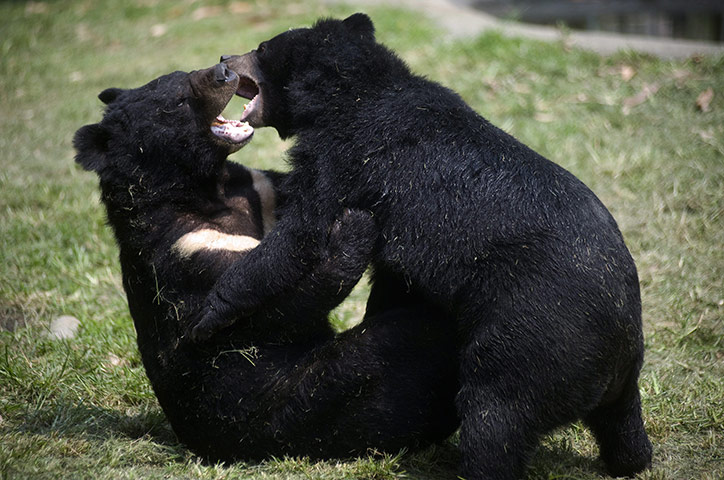
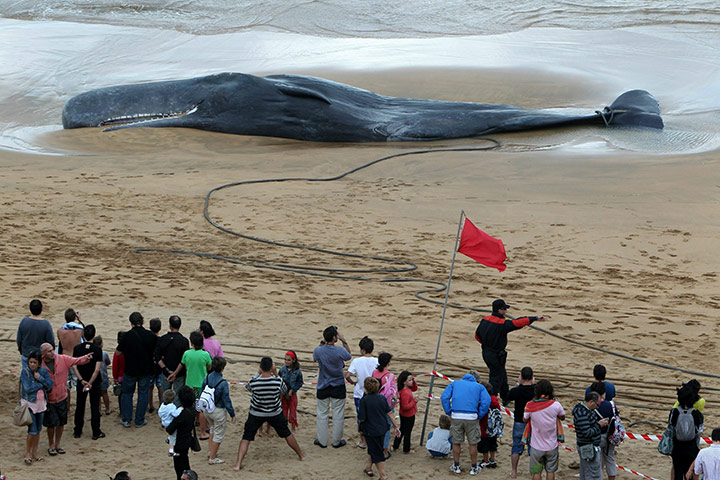
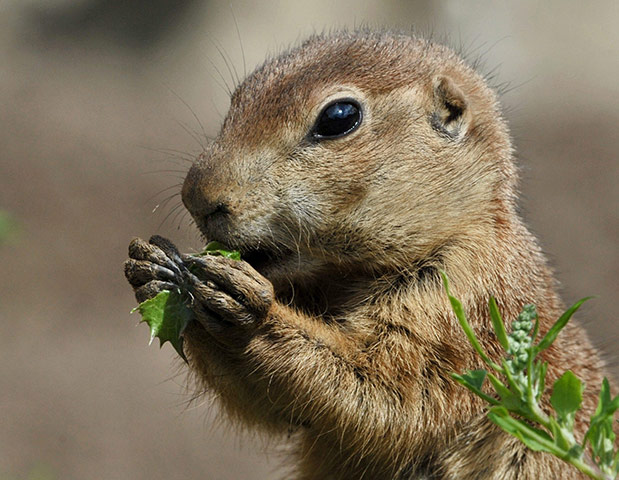
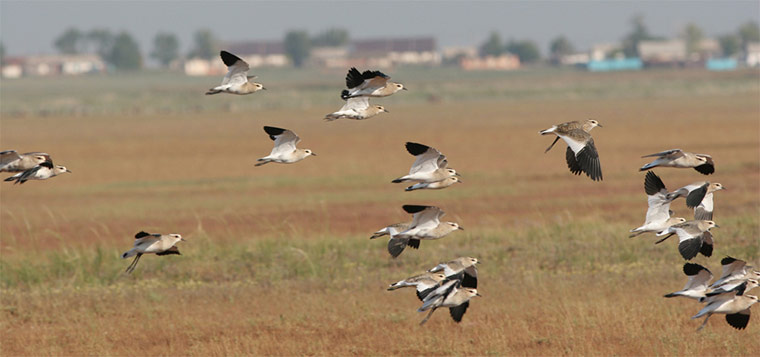
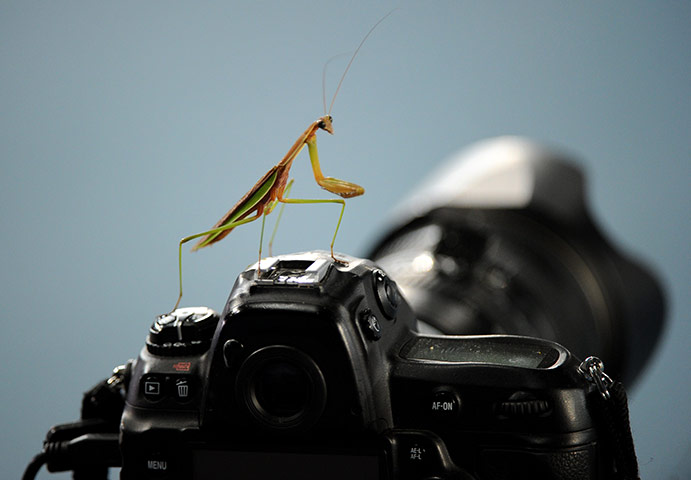
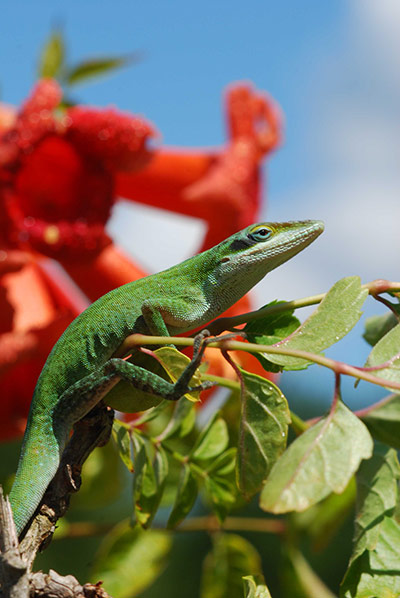
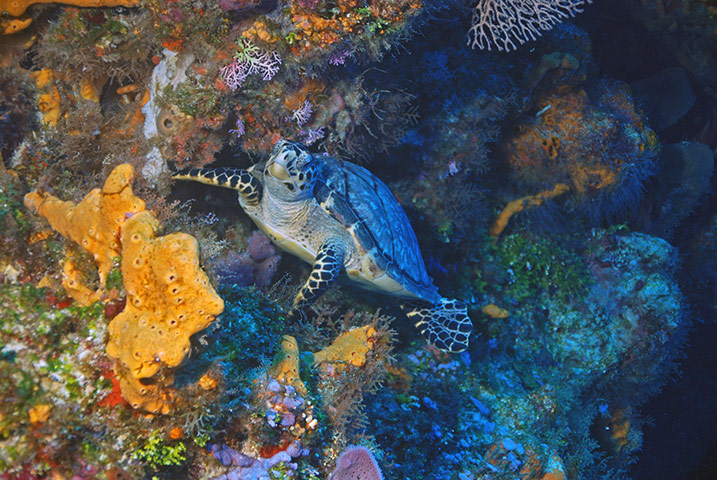
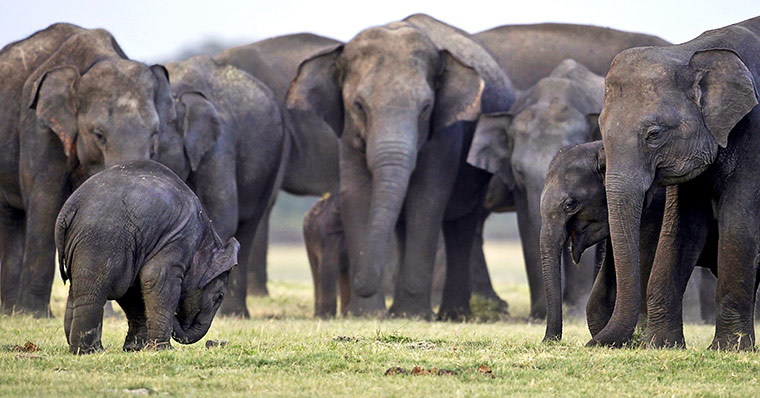
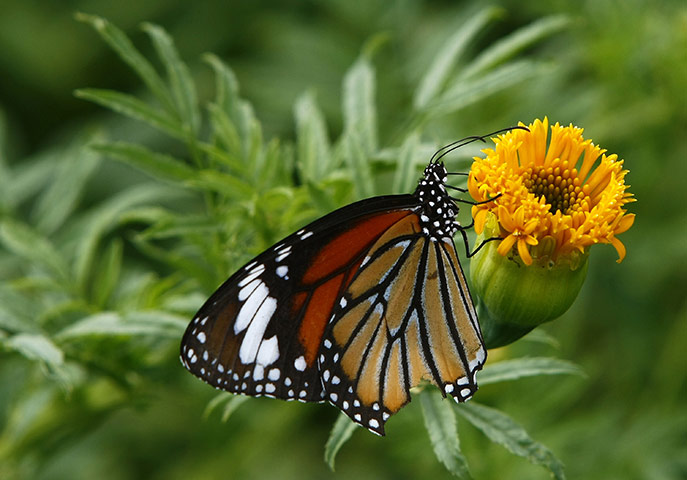
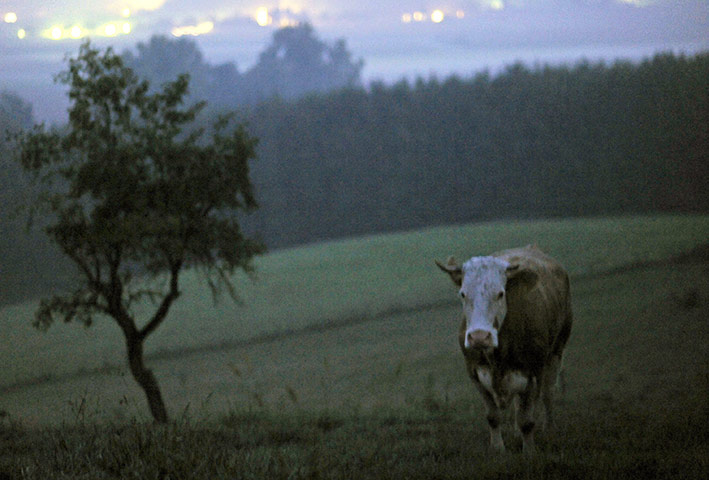
Two moon bears play at the Asia Black Bear Rescue Centre in Longqiao township in Chengdu, China. The centre was founded by Animals Asia Foundation (AAF) on with the aim of ending bear farming and the trade in bear bile. The centre has signed agreements with both the Chinese and Vietnamese governments to rescue 700 bears from bile farms, and bring them to their sanctuaries. The centre claims to have rescued a total of 277 bears in China in the past 11 years and closed down 43 Chinese farms. There are 165 bears living there and the elder black bear, named Oliver, is 30 years old. Bear bile is a valuable commodity for sale as an ingredient in traditional Chinese medicinePhotograph: WU HONG/EPAPeople view the body of a sperm whale at Zarautz beach in Guipúzcoa province, Basque country, northern Spain. The young animal, around 15m long and weighing about 30 tonnes, was still alive when it was discovered early in the morning, but soon died. It was so big that a tug boat was unable to pull it back out to sea. The cause of the whale's demise was not known, but marine scientist Enrique Franco said: 'It almost certainly came here to die. It's not uncommon for such animals to beach when they are very ill'Photograph: Juan Herrero/EPAA prairie dog nibbles on a leaf at Thuringian zoo in Erfurt, GermanyPhotograph: Martin Schutt/EPABirdLife International scientists monitoring migrating sociable lapwings in the heart of the Great Steppe have recently discovered the largest single flock seen in Kazakhstan since 1939, at AryktyPhotograph: R Urazaliyev/BirdLife InternationalA preying mantis on a camera at the International Association of Athletics Federations (IAAF) world championships in Daegu, South KoreaPhotograph: Olivier Morin/AFP/Getty ImagesVines grow over empty streets in Tomioka town, Fukushima, north-eastern JapanPhotograph: Hiro Komae/APA green anole lizard (Anolis carolinensis) in South Carolina. The lizard is first reptile to have its genes sequenced, which may provide scientists with clues about how animals and humans came to reproduce on land, a study saidPhotograph: David E. Scott/AFP/Getty ImagesA dead bird is seen in New Jersey during hurricane Irene. New York breathed a sigh of relief on Sunday after hurricane Irene passed over without major damage to the city, but the storm still caused deaths, serious floods and power blackouts affecting more than a million people as it swept up the north-eastern seaboard of the United States Photograph: KeystoneUSA-ZUMA/Rex FeaturesOnce written-off as functionally extinct in the eastern tropical Pacific Ocean, researchers in Central and South America are lauding the discovery of adult critically endangered hawksbill turtles (Eretmochelys imbricata) living among in-shore mangrove estuaries rather than the coral and rocky reefs for which they previously known to inhabit. This never-before-seen habitat adaptation by this population helps explain why the species went undetected in the region for decadesPhotograph: Simone Rossini/Conservation InternationalA herd of Asiatic wild elephants at a national park in Minneriya, Sri Lanka Photograph: Chamila Karunarathne/APA butterfly feeds on a flower in CambodiaPhotograph: Heng Sinith/APA cow called Yvonne, who escaped from a Bavarian farm after apparently sensing she was about to be slaughtered, has been tracked down after three months on the run. Having been fattened up for slaughter, the six-year-old brown dairy cow escaped from her field in the village of Zangberg, 50 miles north-east of Munich, on 24 May. Her whereabouts became a national obsession in Germany, with one tabloid offering a reward of €10,000 for her safe returnPhotograph: Andreas Gebert/EPA
Sign up to read this article
Read news from 100's of titles, curated specifically for you.