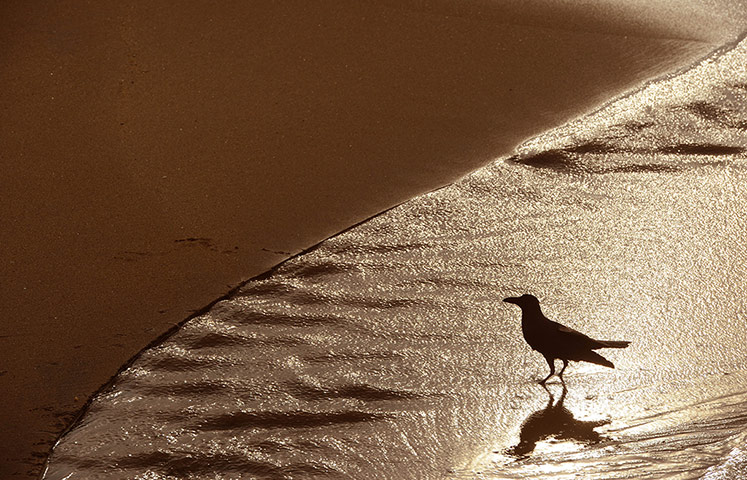
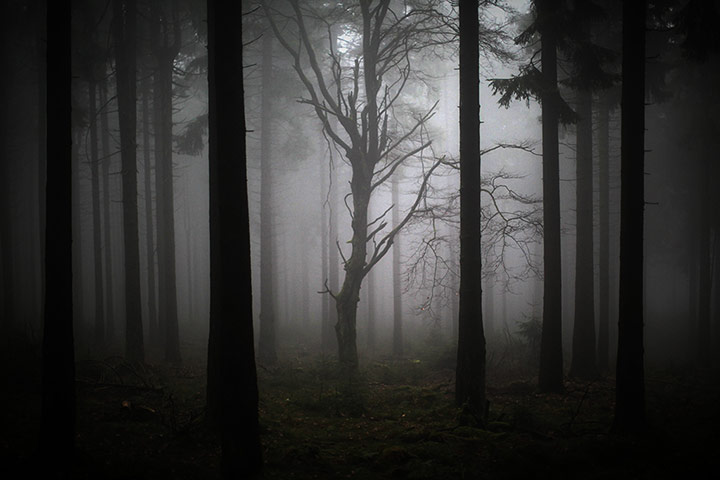
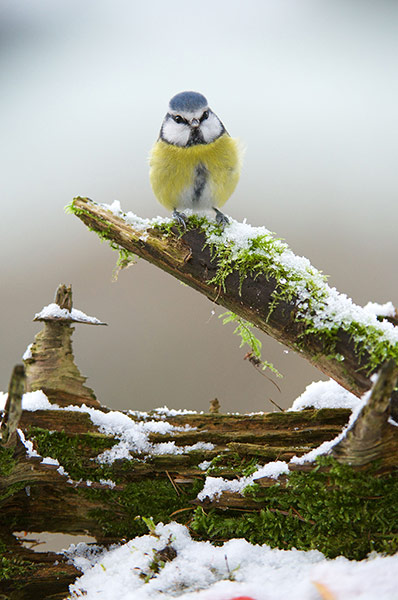
A crow looks for food at a beach in Colombo, Sri LankaPhotograph: Qin Qing/CorbisView into a forest veiled by fog on Feldberg mountain in the Taunus mountains near Schmitten, GermanyPhotograph: Fredrik von Erichsen/CorbisBlue tit in snow in the Berwyn mountains in north Wales, Britain. A new atlas shows the patterns of distribution, abundance and change among 296 bird species in Britain and Ireland. From tree sparrows to Egyptian geese - every species tells a story of changePhotograph: Richard Bowler/REX/Richard Bowler/REX
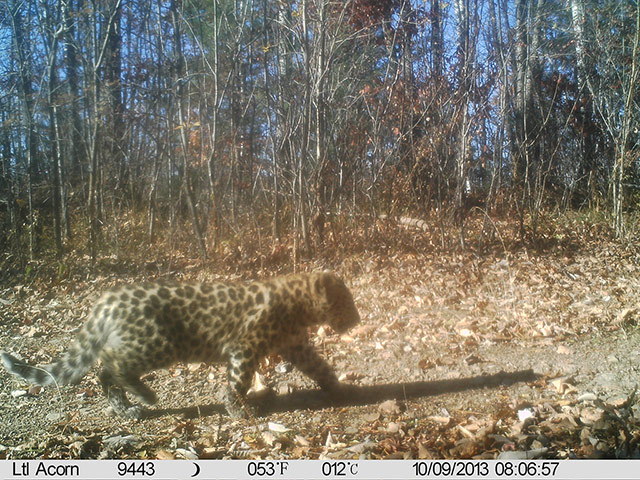
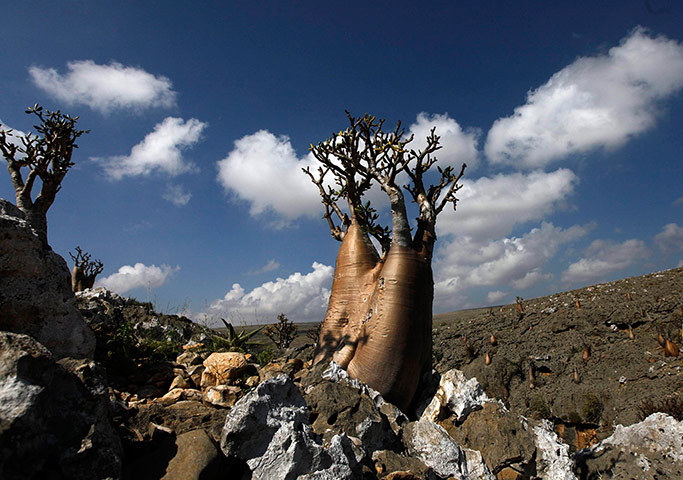
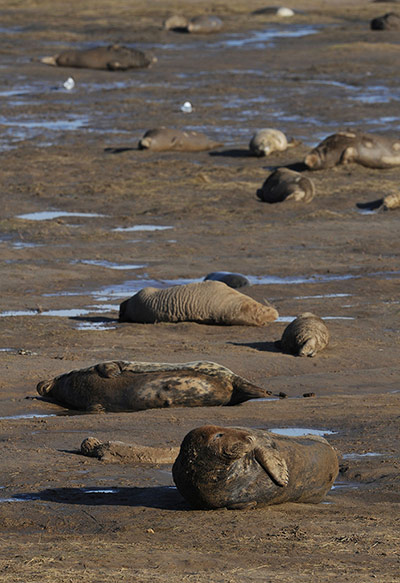
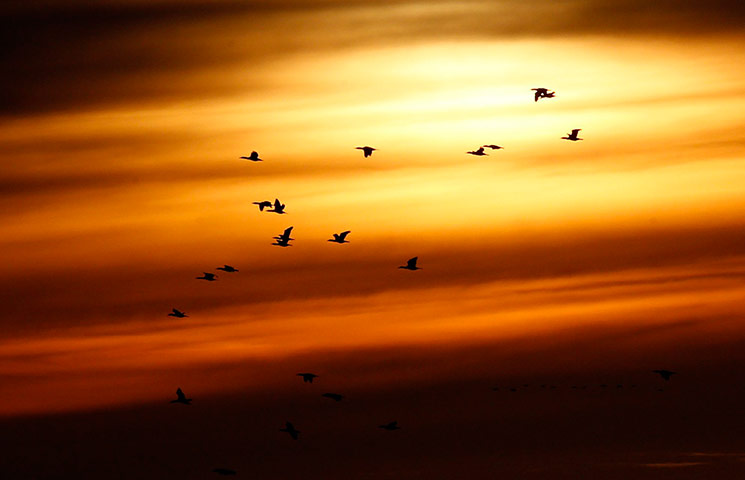
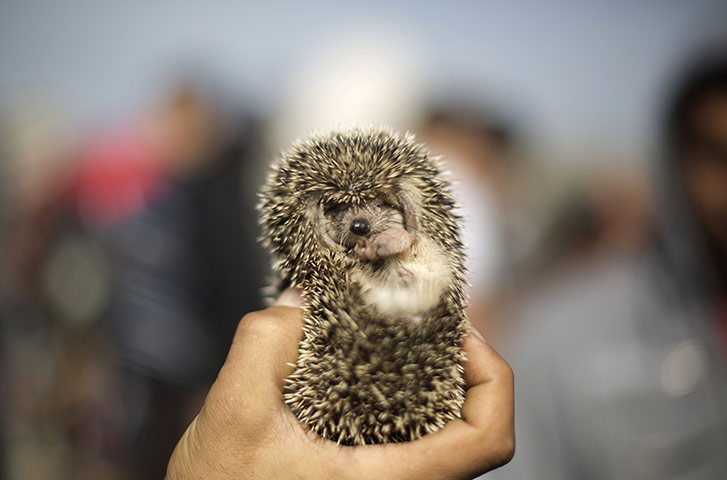
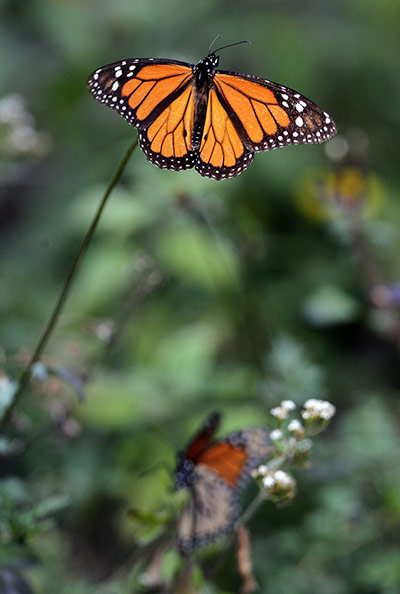
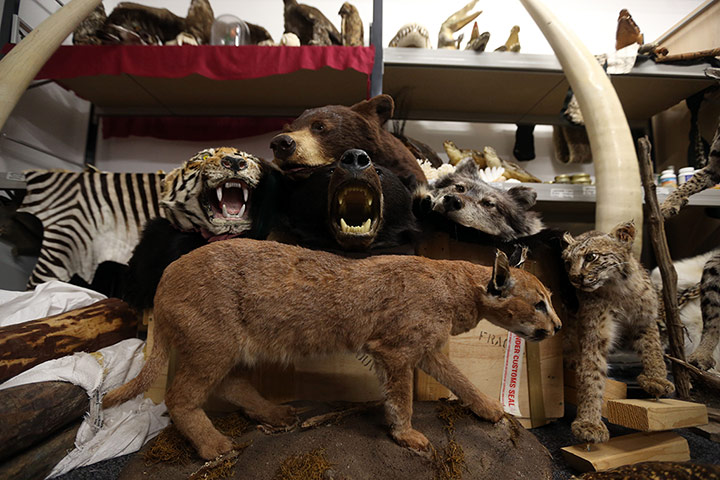
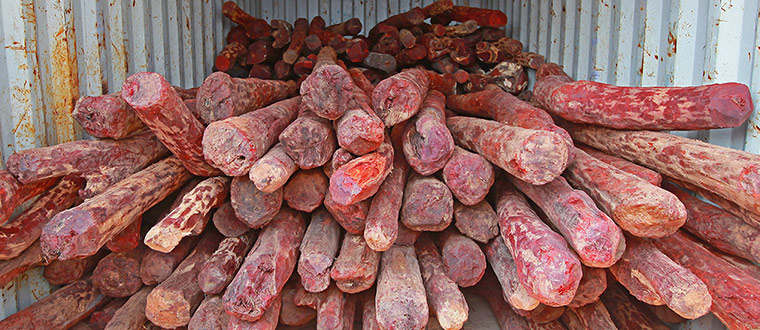
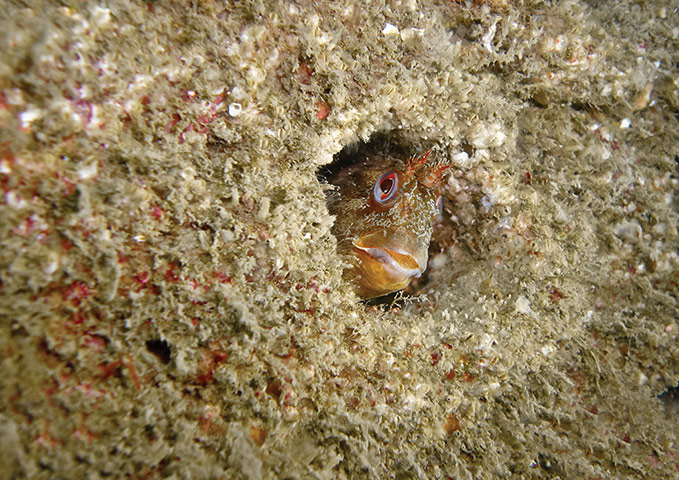
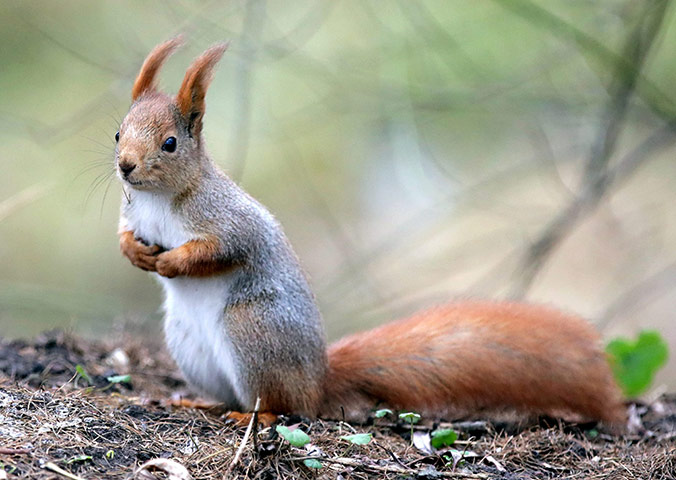
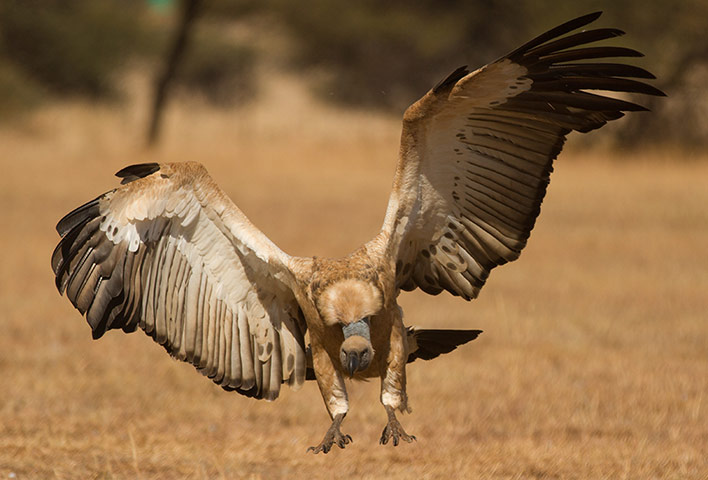
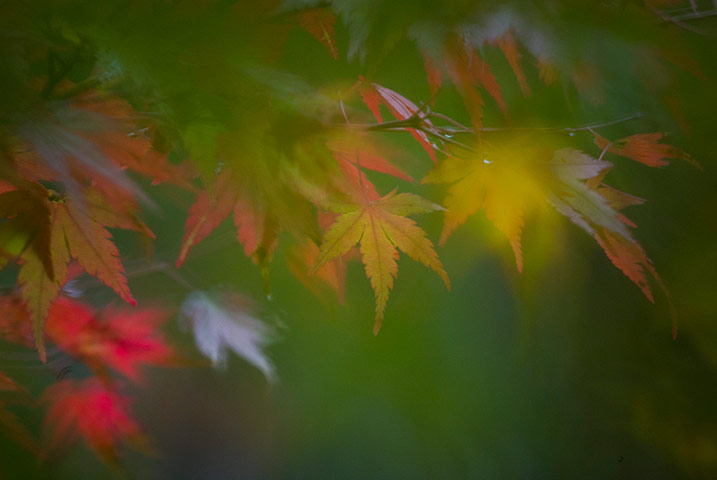
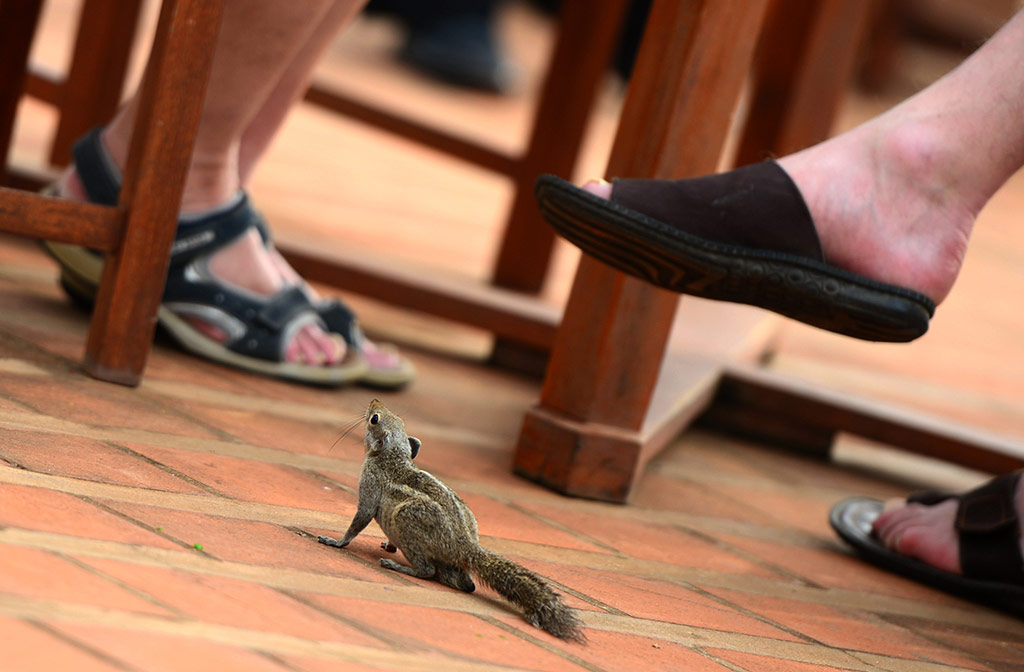
WWF has released infra-red photos showing rare evidence of endangered amur leopards and tigers roaming freely with their cubs in China’s north-eastern forests WWF has released infra-red photos showing rare evidence of endangered Amur leopards and tigers roaming freely with their cubs in China’s north-eastern forests. The images been hailed by WWF conservationists as rare evidence that both of these species are raising cubs in the greater Changbai Mountains area, which has not been documented before.Photograph: Feline Research Centre of SFA/WWF-ChinaSocotran "desert roses", whose huge trunks are adapted to store water, stand on a hillside in Wadi Diksam on Socotra Island. Socotra is located in the Arabian Sea, 380 km south of mainland Yemen and 80 km west of the Horn of Africa. The Socotra islands, which harbour many unique species of birds and plants, gained Unesco recognition in July 2008 as a world natural heritage sitePhotograph: Mohamed Al-Sayaghi/ReutersSeals laying in the dunes at the Donna Nook national nature reserve, North Lincolnshire. Hundreds of grey seals come ashore every November on to the dunes at Donna Nook to give birth to their pups. Currently over 700 pups have been born this autumnPhotograph: Anna Gowthorpe/PAWild geese fly across a colorful sunset in the Baltic Sea coast in Gelting, Germany. Meteorologists predict lower temperatures with even sub-zero degrees in the region the upcoming daysPhotograph: Axel Heimken/EPAA man displays a hedgehog for sale at a weekly pet market in Gaza City. Hundreds of people gather every Friday to sell, buy and tradePhotograph: Mohammed Abed/AFP/Getty ImagesA monarch butterfly at the Sanctuary Sierra Chincua, in the Mexican state of Michoacan. This insect will travel thousands of miles from the USA and Canada to hibernate in the Mexican forests Photograph: Ulises Ruiz Basurto/EPAItems seized by the UK by the border force at the Queens Warehouse, LondonPhotograph: Steve Parsons/PASri Lanka custom biodiversity protection unit officials seized more than 5,000kg of red sandalwood logs, at the Colombo Port from a Dubai bound transit cargo. Red sandalwood is listed as an endangered species and prohibited for trade under the Convention on International Trade in Endangered SpeciesPhotograph: Chamila Karunarathne/Corbis'The Curious Blenny' taken by Brian Tormey, winner of the nature and wildlife category of the Clean Coasts Photography Awards 2013Photograph: Brian Tormey/An Taisce/PAThe first case of a wild red squirrel surviving the poxvirus carried by greys has been recorded by researchers who have discovered encouraging signs of resistance to the deadly diseasePhotograph: MAXIM SHIPENKOV/EPAPower lines, known to cause vulture mortalities, could be providing additional foraging opportunities for threatened cape vultures in Africa, according to new research. A team, led by experts at Nottingham Trent University and vulture conservation programme VulPro, has found that the birds are adopting newly constructed pylons as roosting sites in areas with few natural perches Cape vulture (Gyps coprotheres) populations have declined in recent years due to various threats – including collisions and electrocutions with the expanding power line network and illegal and accidental poisoning. The new study, published in the journal PLOS ONE, involved tracking adult and immature Cape vultures across southern Africa using GPS technology, to build up a picture of their movements and home ranges.Photograph: VulPro/Nottingham Trent UniversityThe live sharksucker (Echeneis naucrates) has developed a sucker on the back of its head with which it sticks to big fishes, marine mammals, turtles, ships and even divers. The live sharksucker eats parasitic crustaceans from the latter, food scraps from the feeding activity of its host, or some small food caught by filtering the water through its villiform teeth while the navigating on its hostPhotograph: Jorge Sanz/ CorbisAutumn foliage in Nara Park near Nara city, western Japan. The park is also known for its 1,200 wild deer which roam around freely, and it attracts 13 million visitors from all over the world every yearPhotograph: Everett Kennedy Brown/EPAA squirrel waits for food beside tourists at a bar in Colombo, Sri LankaPhotograph: Qin Qing/Corbis
Sign up to read this article
Read news from 100's of titles, curated specifically for you.