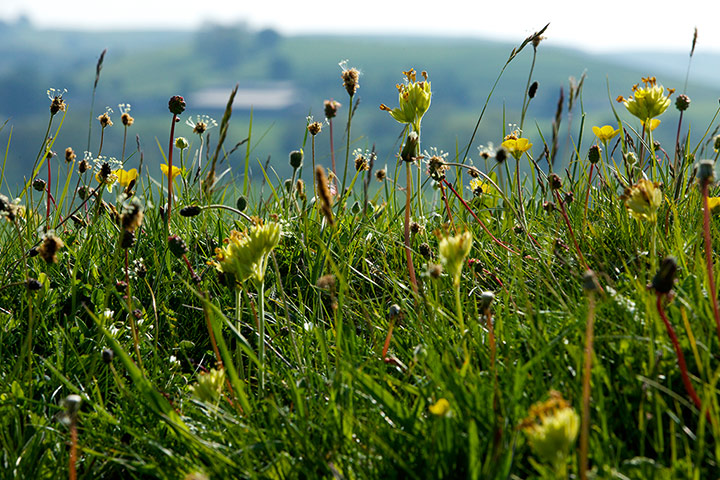
Tadpoles in the Campbell River, British Columbia, Canada. This image this won the silver award in the wide angle category of the underwater photographer of the year competition Photograph: Barcroft Media/Eiko Jones / Barcroft MediaPrzewalski's horses at the West Lake national nature reserve area near Xihu, in north-western China's Gansu province. In the harsh desert steppes, the horses, once classified as extinct in the wild, were named after a Russian officer and explorer who spotted them around 1880 Photograph: Ed Jones/AFP/Getty ImagesA wildflower meadow at Priestcliffe Lees, a steep limestone hillside high above the Monsal trail in Derbyshire, one of the nationwide venues for the second annual Meadow Wildlife Weekend. Traditional meadows have been declining for decades but this weekend, the Wildlife Trust event is inviting people to celebrate those that remain and wander through a meadow. Priestcliffe Lees is a site of special scientific interest where cowslips, purple orchids, yellow mountain parsley and leadwort are among the many species Photograph: Christopher Thomond for The Guardian
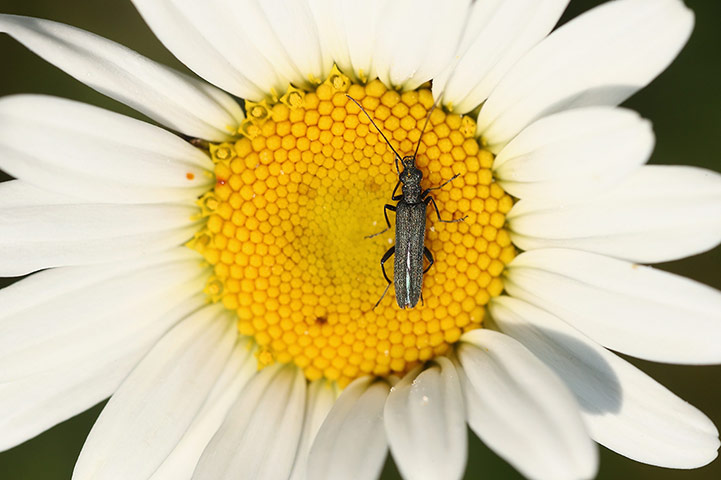
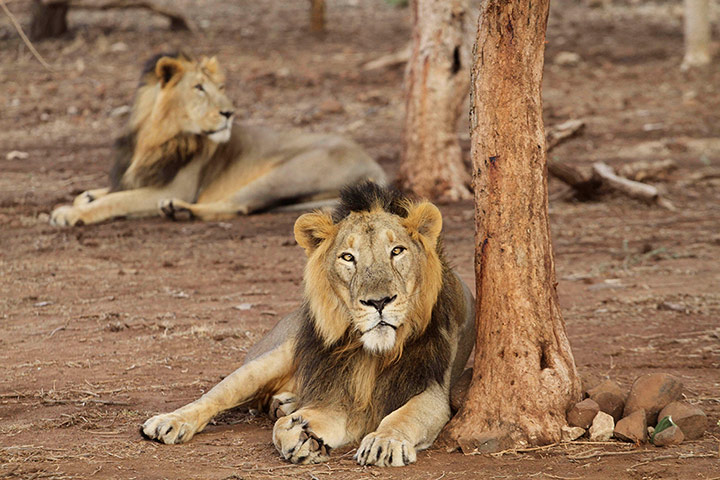
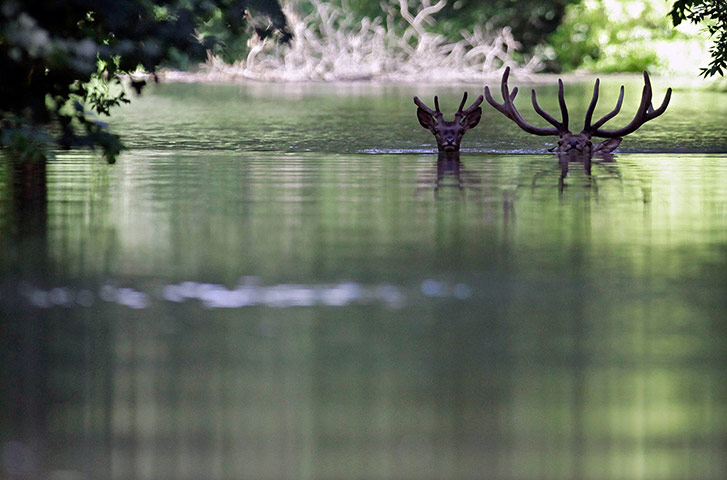
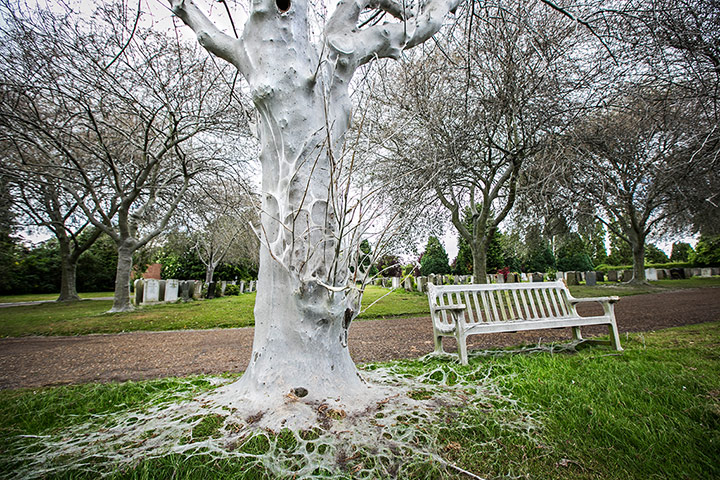
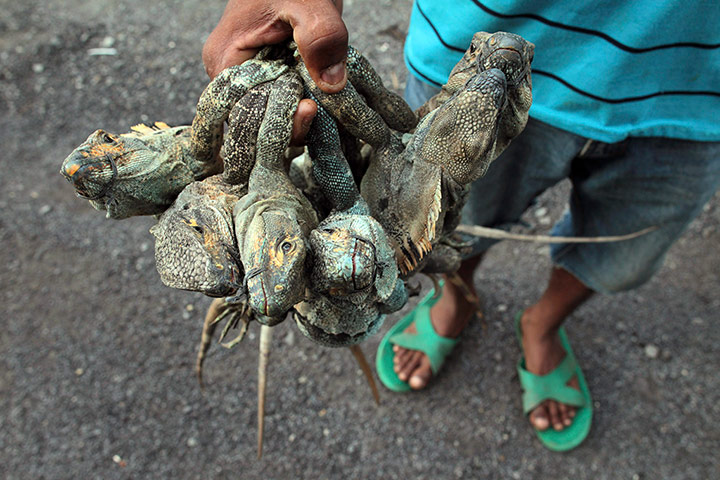
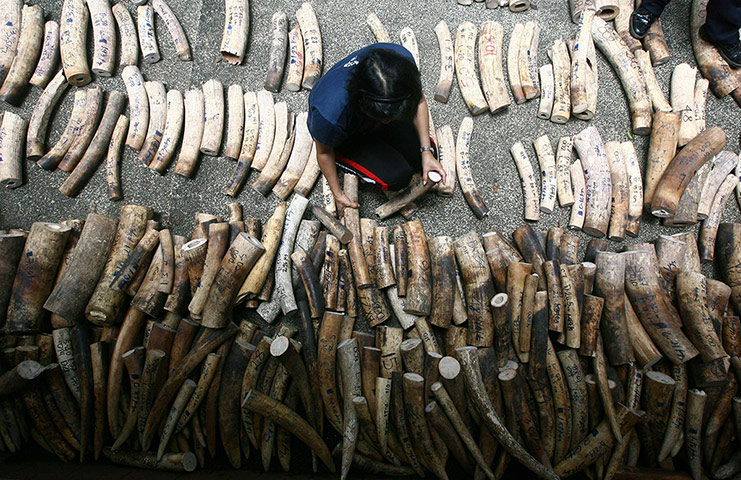
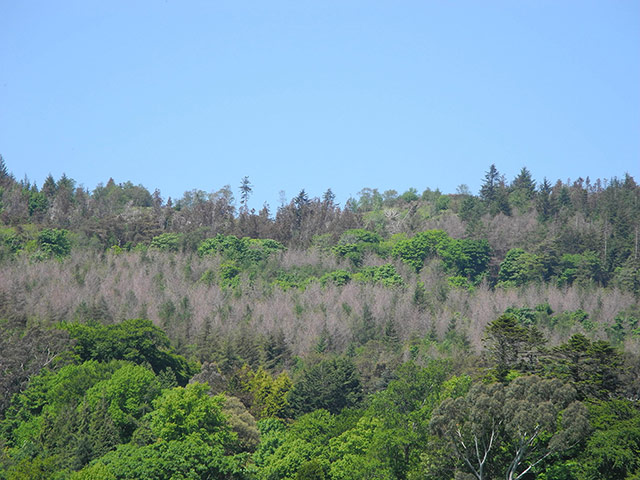
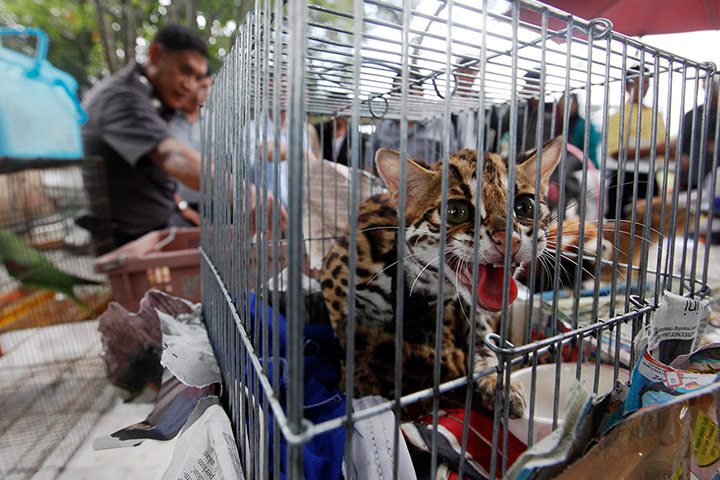
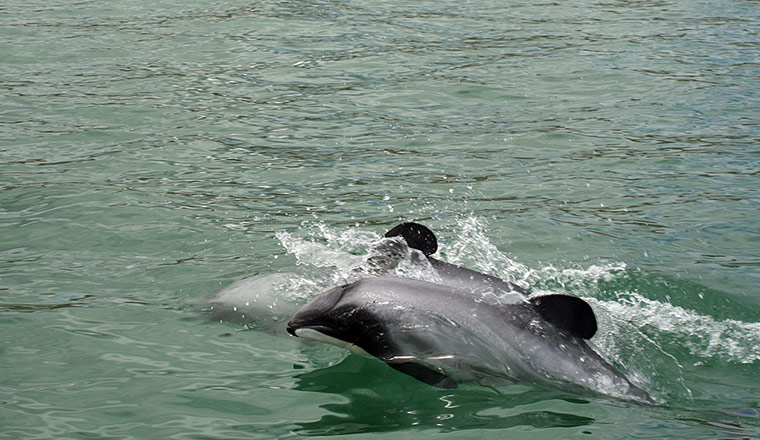
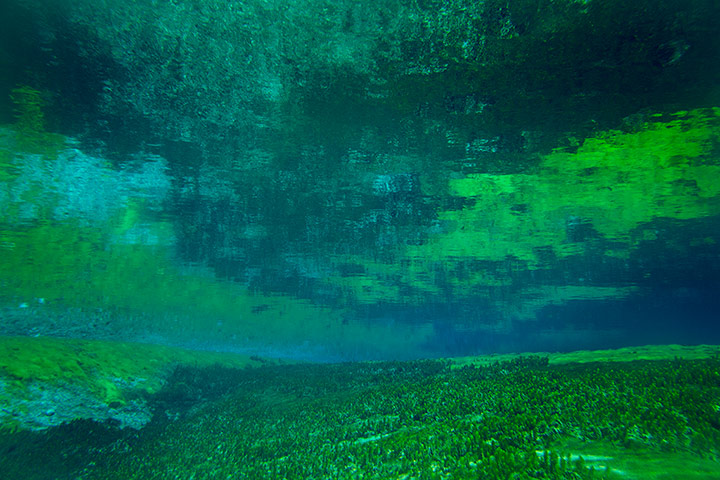
A beetle on a wild daisy at Thurrock Thameside nature park. The 120 acres of grass, bramble and shrub that make up the park sit on top of what was Europe's largest landfill site overlooking the Essex coastline in the Thames Estuary. When finished, the £2.5m restoration project will encompass 845 acres run by the Essex Wildlife Trust and is home to an array of wildlife including the shrill carder bee, great crested newt, brown hare, avocet, short-eared owl, barn owl and kingfisherPhotograph: Dan Kitwood/Getty ImagesEndangered Asiatic lions at the Gir lion sanctuary at Sasan in Junagadh district of Gujarat state, India. The Asiatic lion has been almost wiped out in India, but intense conservation efforts by Gujarat over the last 50 years have brought them back from the brink of extinction. There are now 400 Asiatic lions in Gujarat's Gir forestsPhotograph: Ajit Solanki/APFleeing from the flood, two deer swim in the flooded water of the Danube River to look for shelter in the Gemenc Forest, about 170km south of the Hungarian capital BudapestPhotograph: Peter Kohalmi/AFP/Getty ImagesTrees and shrubs in Sutton Road cemetery, Southend, became shrouded in spectacular cobweb-like nests created by an infestation of bird cherry ermine moth caterpillars. There was a similar infestation in Cambridge this week Photograph: Felix Clay for The GuardianA man illegally sells iguanas on the road to the city of León, NicaraguaPhotograph: Oswaldo Rivas/ReutersA woman arranges confiscated elephant ivory tusks at a rescue centre in Manila, the Philippines. According to the Department of Environment and Natural Resources, the government intends to destroy five tonnes of confiscated elephant ivory tusks, estimated to be worth roughly £6.18m ($9.7m), by crushing it with a road roller and burning it in the presence of foreign experts and anti-ivory trade advocates. The destruction of the ivory tusks is intended to show that the Philippines will not tolerate illegal wildlife tradePhotograph: Romeo Ranoco/ReutersA female great white egret feeds her chicks by regurgitating a congealed tube of fish in St Augustine, Florida. The chicks will ferociously battle for the meal as they compete with each other for survivalPhotograph: Graham McGeorge/Barcroft MediaPoppy flowers in a field in Gustorf, GermanyPhotograph: Federico Gambarini/AFP/Getty ImagesA large area affected by the tree disease Phytophthora ramorum at Castlewellan Forest Park, Co Down. More than 100 hectares of forest in Northern Ireland are to be cleared to help stop the spread of a deadly tree disease. The disease was identified when many trees that were apparently healthy last autumn showed symptoms during the spring. Many have already died. Action to fell the trees is under way because this is the most effective way of preventing further spreadPhotograph: Department of Agriculture and Ru/PAA police officer stands among caged animals during a raid on the outskirts of Bangkok. Thai police said they confiscated more than 1,000 wild animals including almost 1,000 sugar gliders, 14 white lions, 12 peacocks and 17 marmosets and will investigate their originsPhotograph: Kerek Wongsa/ReutersGalápagos sea lions (Zalophus wollebaeki) in Galápagos, Ecuador. According to a study from the Galápagos national park, the population has decreased by about 50% in the last 30 years. The study states that there is a 'great concern regarding the future of this species', which is already listed on the International Union for the Conservation of the Nature's 'red list' of threatened speciesPhotograph: Jose Jacome/EPACritically endangered Maui's dolphins swim off the west coast of New Zealand's North Island. The dolphin, found only in shallow waters off the North Island's west coast, is listed as critically endangered, with just 55 adults remaining. Experts fear it will disappear by 2030 unless urgent action is takenPhotograph: Department Of Conservation/AFP/Getty ImagesWild horses fight during the Rapa Das Bestas festival in Mougas, north-western Spain. Throughout the summer hundreds of wild horses are rounded up from the mountains of Sabucedo to be sheared and tagged Photograph: Miguel Vidal/ReutersStunning images emerged this week of the world’s clearest lake. Blue Lake is located on the top part of New Zealand’s South IslandPhotograph: Klaus Thymann /Project Pressure
Sign up to read this article
Read news from 100's of titles, curated specifically for you.