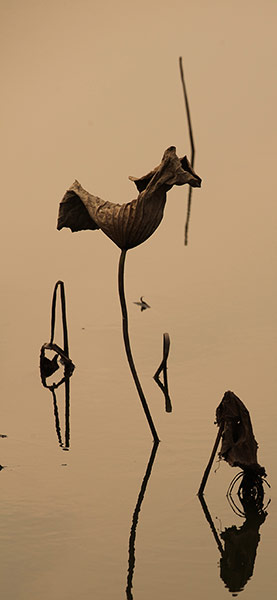
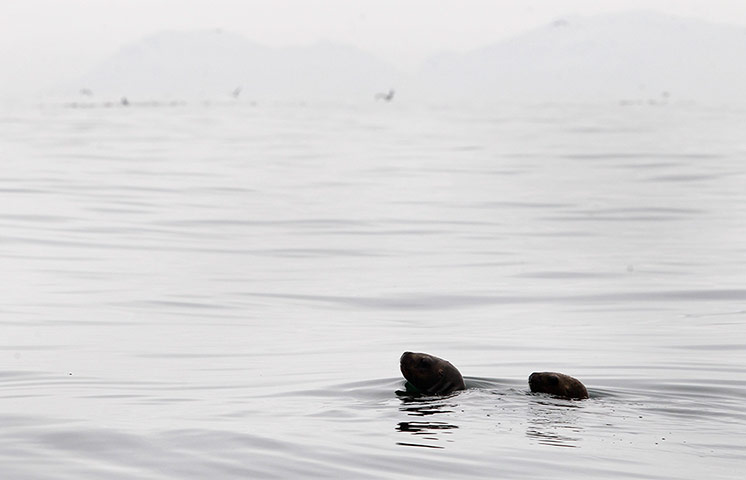
A titi monkey peeks through a wall at the home of the Aguero and Romero family in the Carro Cue settlement near Curuguaty, ParaguayPhotograph: Jorge Saenz/APA withered lotus in a lake in Chongqing, southwest China Photograph: Luo Guojia/CorbisOne year-old sea lions Camilo and Alex swim in the sea near Palomino island, Lima. They were found injured on the Peruvian coast and were put through rehabilitation for a month Photograph: Enrique Castro-Mendivil/Reuters
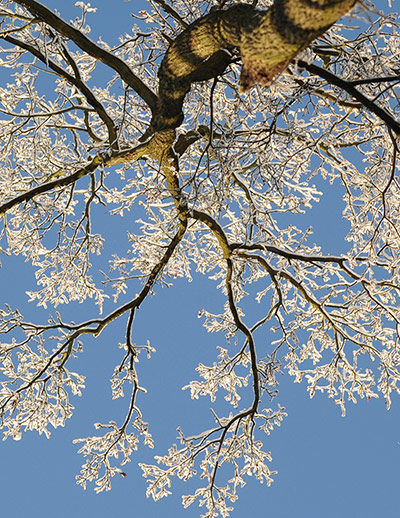
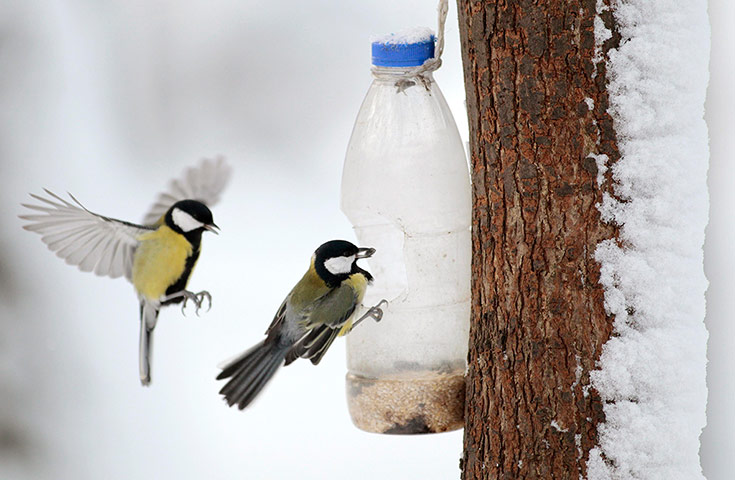
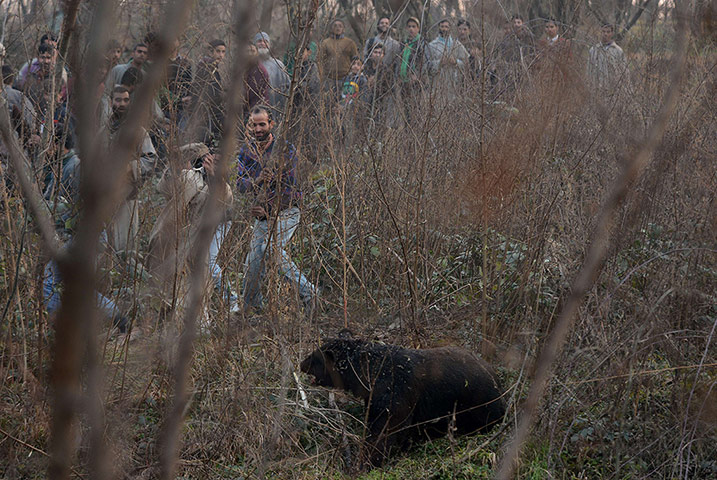
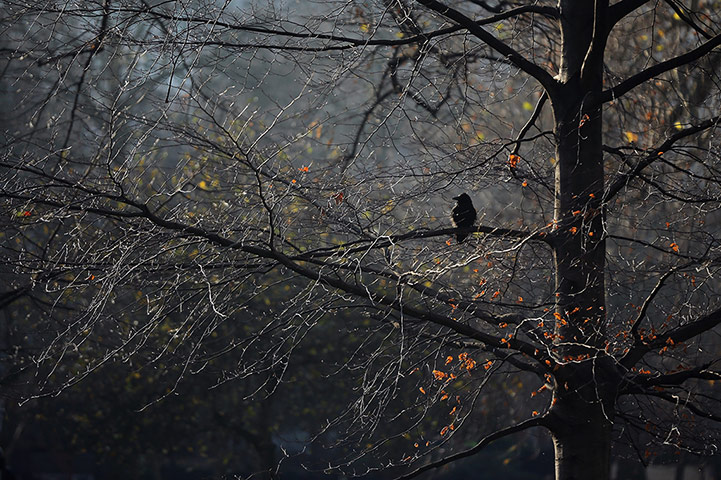
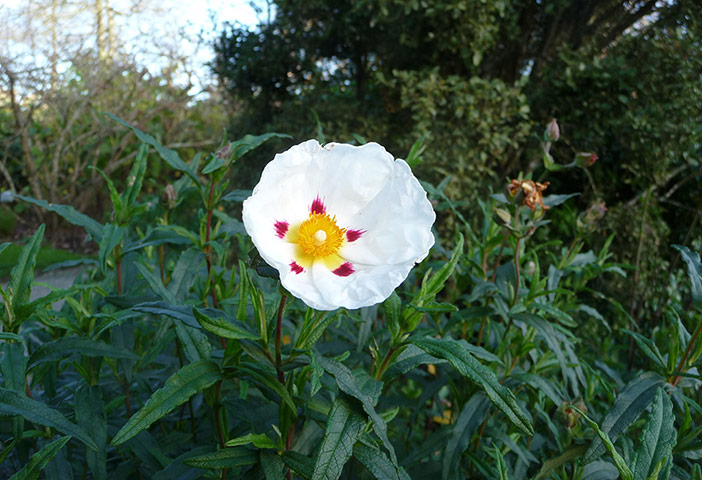
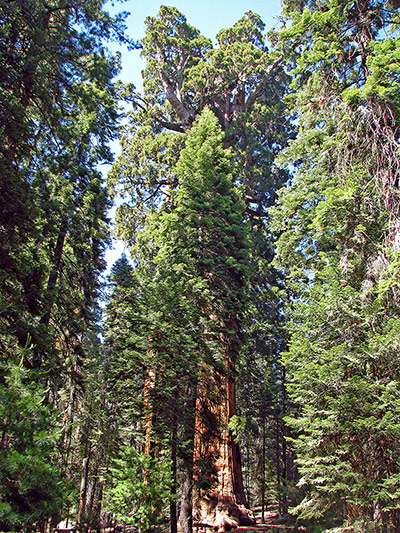
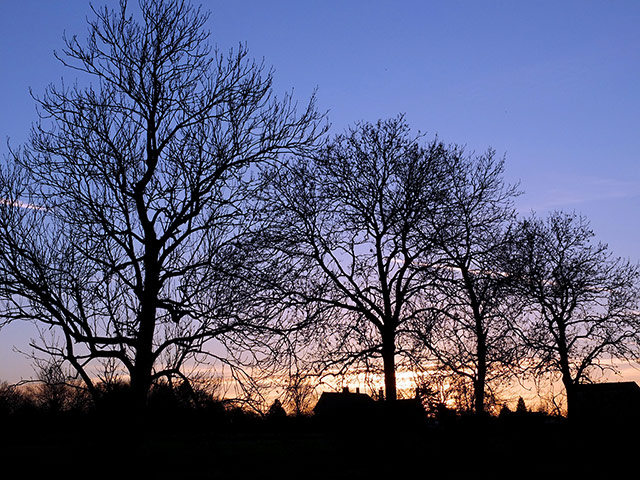
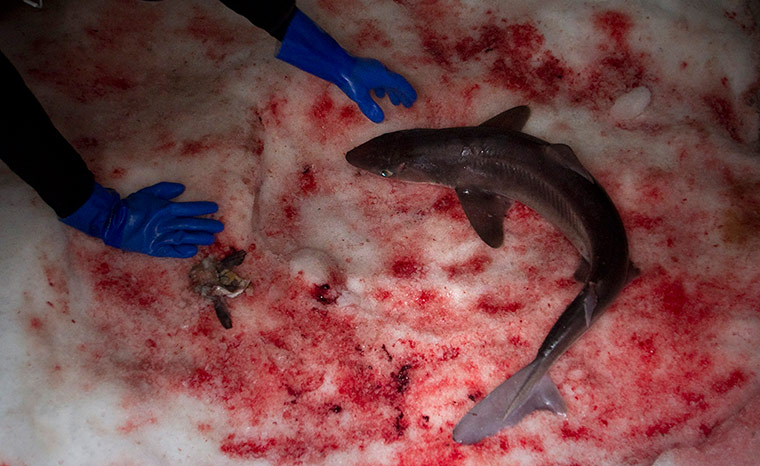
A worker from the Belarus emergencies ministry tries to catch a sick swan near Shvaby, some 59 miles north of Minsk. The bird had to be shifted to an unfrozen lake in the capital Photograph: Viktor Drachev/AFP/Getty ImagesWolves play at the 'Schwarze Berge' (black mountains) animal park, south of Hamburg, in Rosengarten, Germany. Over a thousand animals live at the park with an area of 50 hectaresPhotograph: Axel Heimken/EPAA snow-covered tree glimmers in sunlight near Bad Schwartau, northern Germany Photograph: Angelika Warmuth/AFP/Getty ImagesGreat tits feed on nuts and seeds left by visitors in a bird feeder in a park in central Minsk. In the UK, birds like patridges and turtle doves are facing the risk of extinction Photograph: Vasily Fedosenko/ReutersAn oriental small-clawed otter (Aonyx cinerea) rests on a tree trunk at the 'Schwarze Berge' (black mountains) animal park, near Hamburg in Rosengarten, GermanyPhotograph: AXEL HEIMKEN/EPALocals approach a black bear which caused panic in the Zakoora area on the outskirts of Srinagar in Kashmir, India. Unregulated expansion of farmland and increasing movement of people and transport vehicles through wildlife corridors are prompting bears and leopards to enter villages and towns in search for foodPhotograph: TAUSEEF MUSTAFA/AFP/Getty ImagesA crow sits on a tree in St James's Park, London, on a cold winter's day. Weather warnings have been issued as temperatures start to fall below freezing across many parts of the UKPhotograph: Dan Kitwood/Getty ImagesIn Montana, a judge has halted wolverine trapping pending the outcome of a lawsuit that seeks to end the harvest of an animal that numbers fewer than 300 in the Northern Rockies. The order came a day before the state's season on wolverines was to openPhotograph: Jörn Friederich/AlamyA cistus flower in full bloom in winter in the Lost Gardens of Heligan, Cornwall, England. Gardeners there have been amazed to find summer flowers in full bloom in winter. 'It's a plant that likes to be in a hot and dry environment, so for it to be flowering here in December with all the rain and recent frost we have had is quite a shock,' said head gardener Mike FriendPhotograph: Rex FeaturesThe President, a giant sequoia tree in the Sequoia National Park, California, is 3,240-years old – and still growing at a consistent rate. Scientists are examining how they and coastal redwoods will be affected by climate change and whether they have a role to play in combating itPhotograph: Steve Sillett/APA torrentes duck (Mergameta armata), in the Vilcanota river near the archaeological complex of Machu Picchu, Peru. The area has more than 400 species of birds and the world's largest concentration of native orchids in their natural habitat, with 372 speciesPhotograph: Paolo Aguilar/EPAAsh trees in Hoxne, Suffolk. Britain's 80 million ash trees are at deadly risk from ash dieback caused by Chalara fraxinea, a virulent fungal disease that has swept across Europe Photograph: Graham Turner/GuardianA dogfish shark is put onto ice aboard the Ocean Sunset, a commercial fishing boat in the Pacific Ocean, off Ucluelet, British Columbia. The boat hunts sharks as well as other fish for their meat and fins. Dogfish sharks are caught and sent to a processing plant, where their fins are removed and the body is skinned. The bellies are exported to Germany to be smoked for pub food, and the fins are sent to Asia, where they are used in sharkfin soup Photograph: Ben Nelms/Reuters
Sign up to read this article
Read news from 100’s of titles, curated specifically for you.