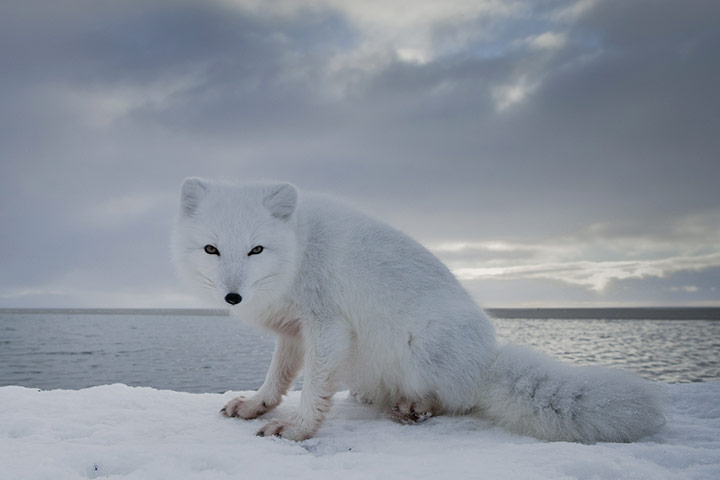
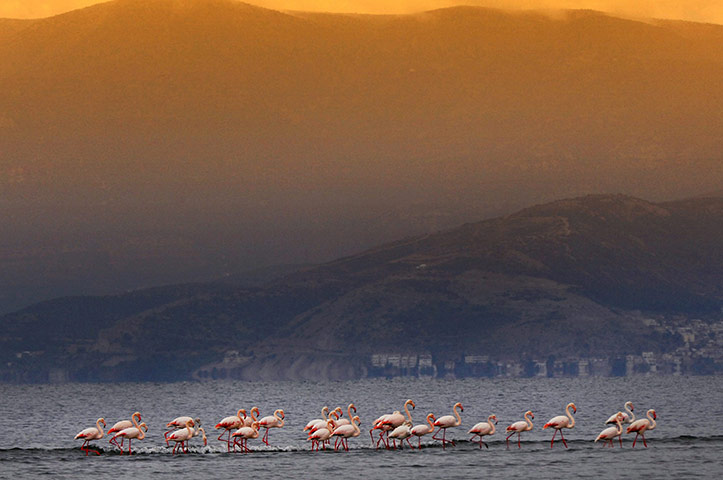
An Arctic fox hunting lemmings along Point Barrow, Alaska. The Arctic fox can survive some of the most extreme temperatures on the planet with its thick fur and low surface-area-to-volume ratio. Brown in the summer to remain camouflaged on the tundra, this fox has recently turned white to blend in with the first snow of the seasonPhotograph: Will Rose and Kajsa Sjölander/70° North/GreenpeaceFlamingos gather on the coast of Nea Kios, in Nafplio, southern Greece. Flamingos use this particular wetland as a resting place during their migration south in the winterPhotograph: Evangelos Bougiotis/EPAA bee pollinates a flower in St James's Park on 18 November, 2011 in London, England. The UK continues to experience unseasonably mild weather which is expected to continue into the weekendPhotograph: Dan Kitwood/Getty Images
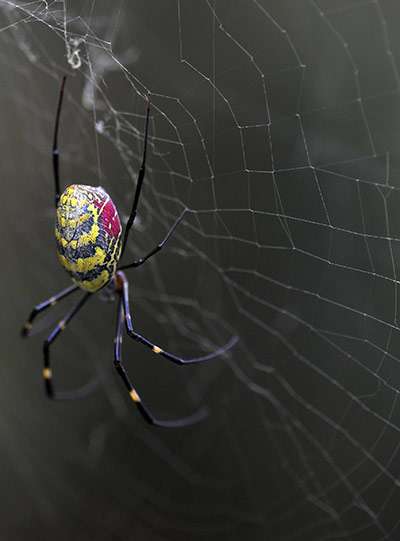
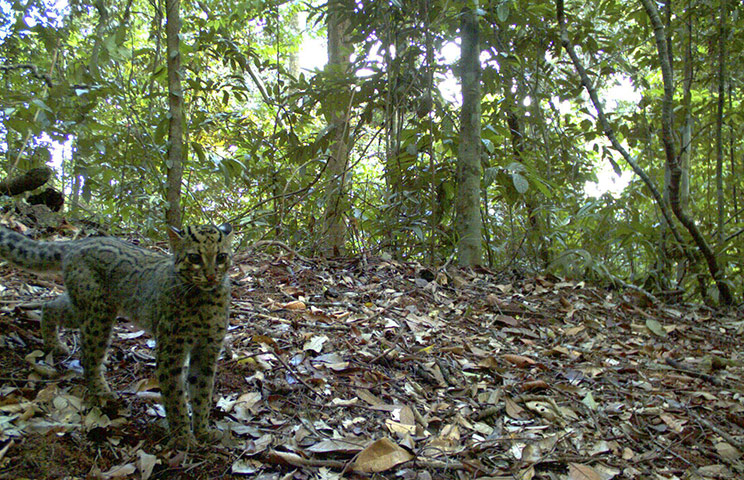
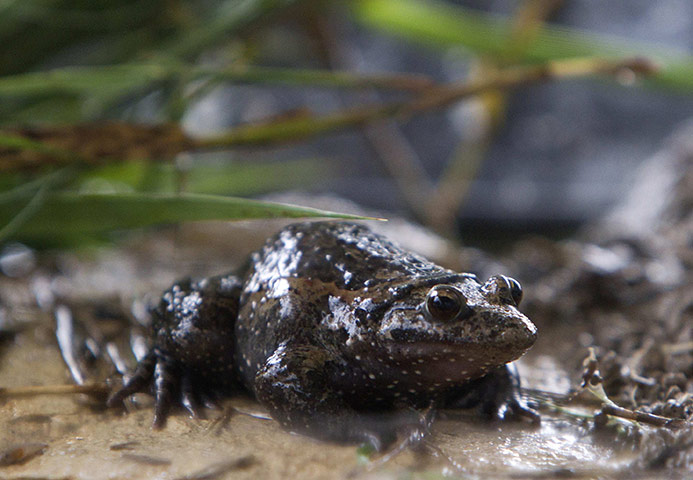
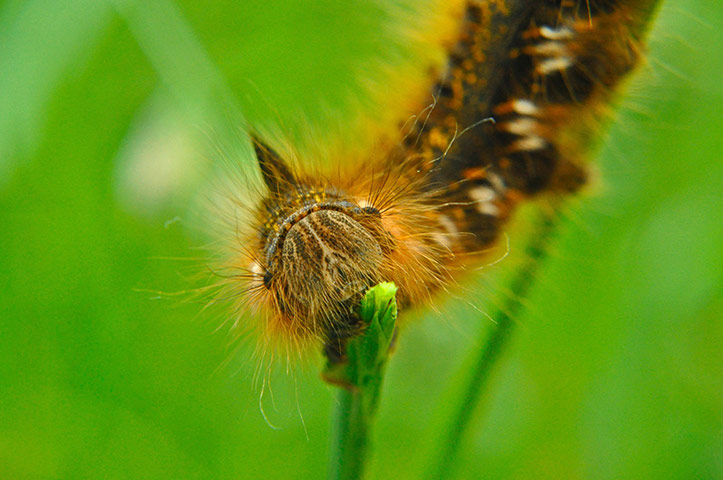
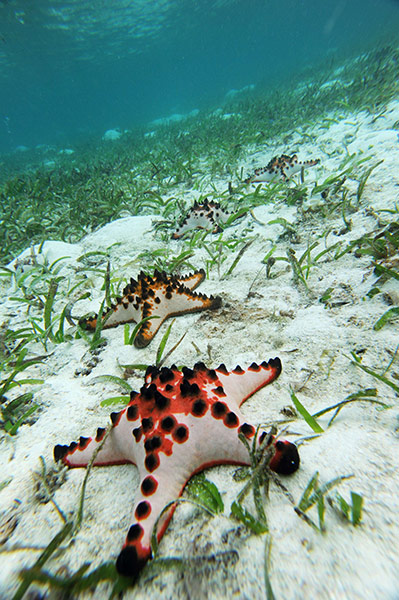
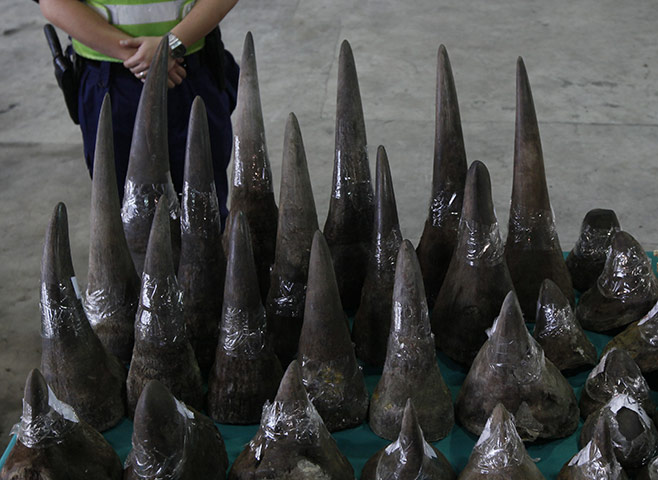
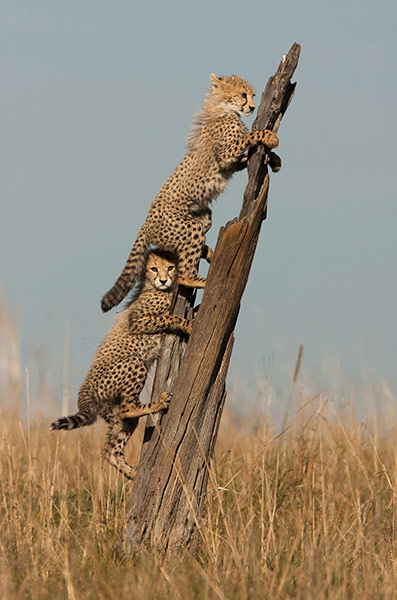
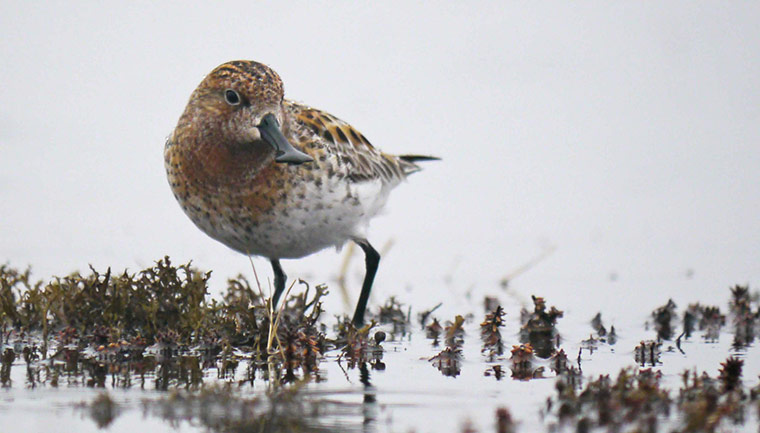
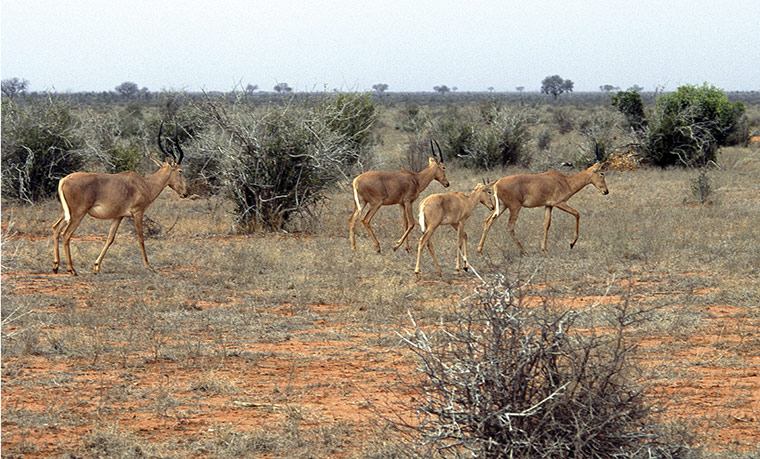
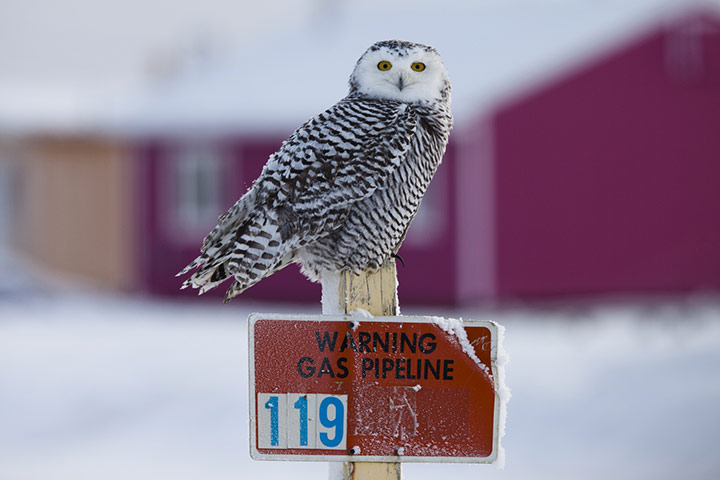
A spider in its web at Godavari botanical gardens on the outskirts of KathmanduPhotograph: Prakash Mathema/AFP/Getty ImagesA marbled cat (Pardofelis marmorat) is captured on camera in Bukit Tigapuluh national park, on the Indonesian island of Sumatra. The WWF's camera trap survey also snapped the Sumatran tiger, clouded leopard, golden cat, and leopard cat. All of the wild cats were found in an unprotected forest corridor between the Bukit Tigapuluh forest landscape and the Rimbang Baling wildlife sanctuary in Riau province. The area is threatened by encroachment and forest clearance for industrial plantationsPhotograph: PHKA/WWF Indonesia/ReutersA Chinese merganser swims in a lake in Xiushui county, east China's Jiangxi province. About 70 Chinese mergansers choose to spend winter here. The population of this species, considered endangered by the International Union for Conservation of Nature (IUCN), is between 400-500 in ChinaPhotograph: Shen Junfeng/Xinhua/CorbisDan Bolt came third in the British Society of Underwater Photographers 2011 print competition with this image of kelp in the waters off Lundy Island, DevonPhotograph: Dan Bolt/2011 BSoUPA Hula painted frog at a protective facility in northern Israel. Missing for a half-century and listed as extinct in 1996, the Hula painted frog has been spotted again in northern Israel, its only known habitat Photograph: Nir Elias/ReutersGnats gather on a bridge over the East Lake in Wuhan, Hubei province. The high number of gnats near lakes is considered to be a consequence of water pollution and the gnats usually die once the temperature drops, local media reportedPhotograph: DARLEY SHEN/REUTERSGrubs Up by Georgia Harding, was among 10 finalists in the RSPCA's Young Photographer of the Year Award. The winner will be announced on 16 DecemberPhotograph: Georgia Harding/PAStarfish in a bed of sea grass in the waters of Raja Ampat's Mansuar Island, located in eastern Indonesia's Papua region. Raja Ampat's palm-fringed islands, surrounded by an underwater kaleidoscope of coral and fish, are described by the regional tourism office as 'the last paradise on Earth'. A 2002 report by US-based Conservation International classed the waters as 'potentially the world's richest in terms of marine biodiversity,' with nearly 1,400 varieties of fish and 603 species of coralPhotograph: Romeo Gacad/AFP/Getty ImagesA customs officer stands guard over seized rhino horns in Hong Kong. Customs officers seized a total of 33 unmanifested rhino horns, 758 ivory chopsticks and 127 ivory bracelets, worth about HK$17m ($2.23m), inside a container shipped from Cape Town, South AfricaPhotograph: Kin Cheung/APA young cheetah peers from under its sibling's tail on a tree trunk in Kenya's Masai Mara national parkPhotograph: Paul Goldstein/Exodus/Rex FeaturesA group of spoon-billed sandpipers has arrived in the UK as part of a captive breeding programme to bring the bird back from the brink of extinction. The 13 young birds have arrived at the Wildfowl and Wetlands Trust's centre at Slimbridge, Gloucestershire, in the final leg of an epic journey which has brought them from the species' Russian Far East breeding groundsPhotograph: Martin J McGill/WWT/PAThe hirola, a large African antelope living in north-east Kenya and south-west Somalia, could become the first genus of mammal in 75 years to become extinct, conservationists have warned. Considered critically endangered by the International Union for Conservation of Nature, the hirola has seen its numbers fall by as much as 90% since 1980. Conservationists estimate that there are less than 400 hirolas scattered throughout the species' historic range of east Africa. Climate change-related drought, unregulated hunting, habitat destruction and predation have slashed populationsPhotograph: Nigel Pavitt/Getty ImagesAn snowy owl hunting lemmings around the city of Barrow, AlaskaPhotograph: Will Rose and Kajsa Sjölander/70° North/Greenpeace
Sign up to read this article
Read news from 100’s of titles, curated specifically for you.