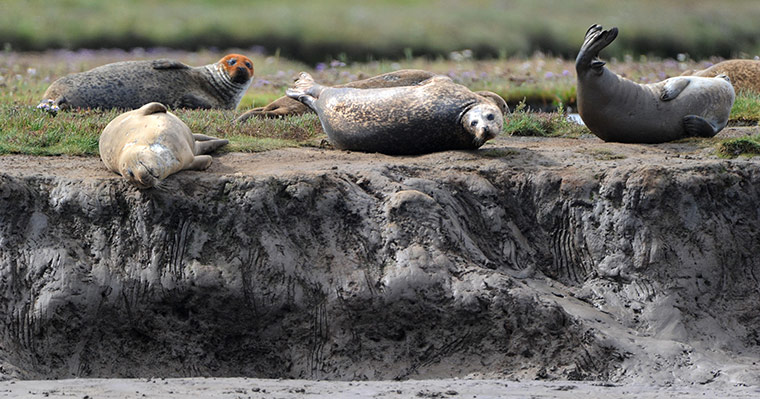
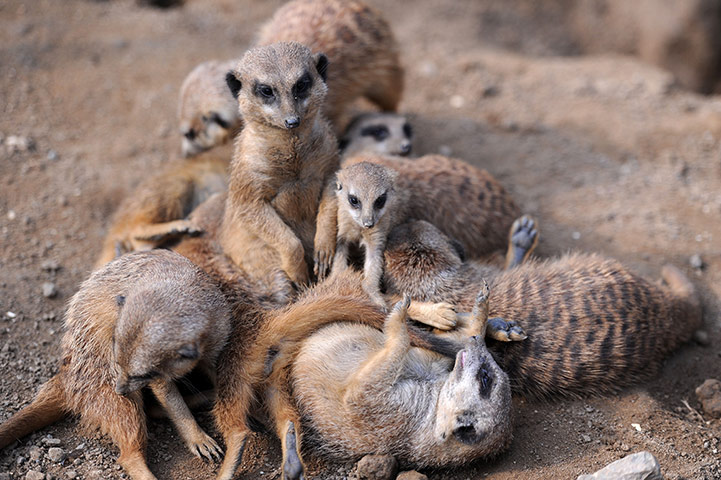
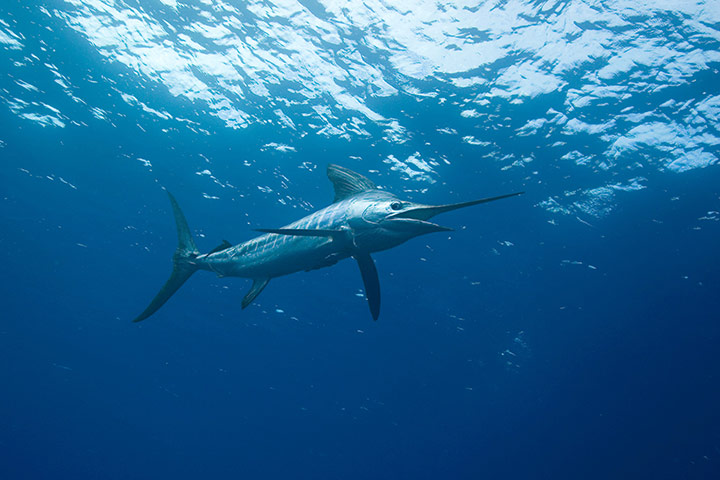
Seals bask on the banks of the River Tees, on an area called the Seal Sands which is now designated as the Teesmouth National nature reserve. There are up to 70 harbour seals and 30 grey seals exposed on the mudbanks, thanks to 37,500 from the heritage lottery fund, staff and volunteers will be on hand to help visitors view the seals on mudflats five days a week until OctoberPhotograph: Owen Humphreys/PAMeerkats Gelsenkirchen zoo in western Germany. The animals, also known as suricates, live in so-called gangs or clans, containing about 20 members. They are native to southern parts of AfricaPhotograph: PATRIK STOLLARZ/AFP/Getty ImagesA striped marlin swims in the Coral Sea off Australia's northeast coast. A report commissioned by the Pew Environment Group said that the 972,000 square kilometre (388,800 square mile) zone stretching from the Great Barrier Reef to the waters of the Solomon Islands and New Caledonia, was home to many unique and endangered species, including masses of large predatory fish such as sharks and marlinPhotograph: Doug Perrine/AFP/Getty Images
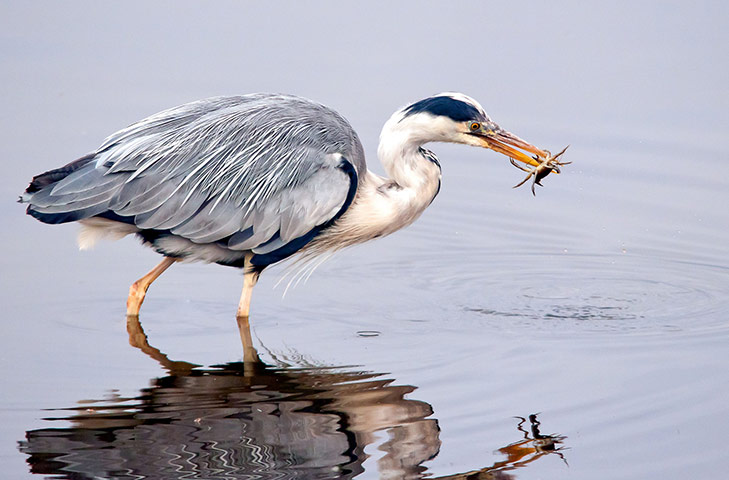
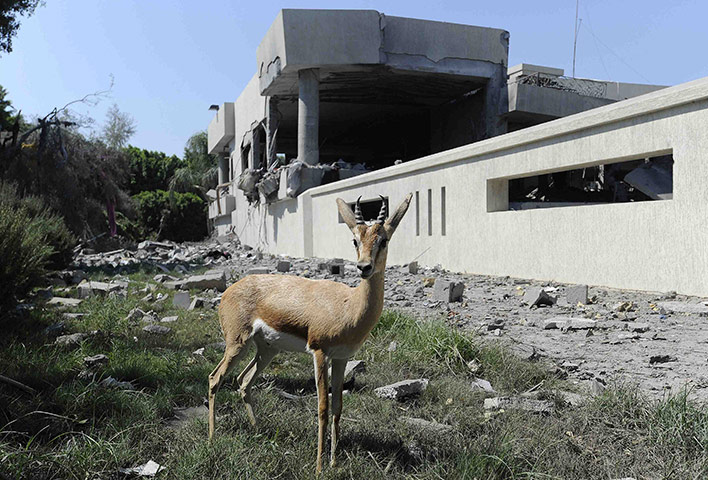
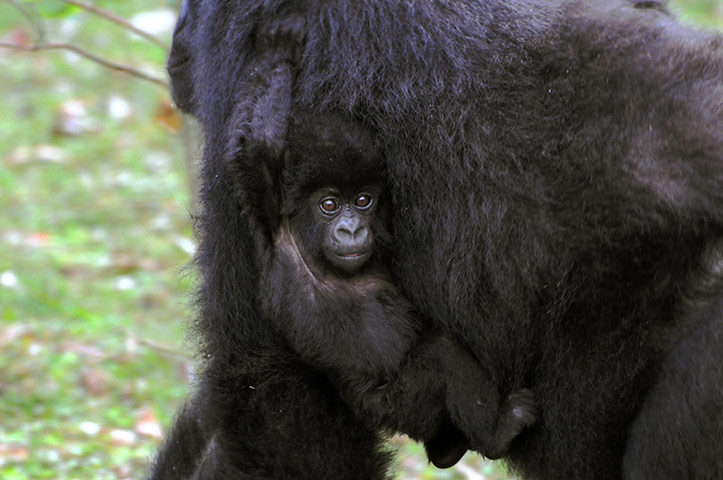
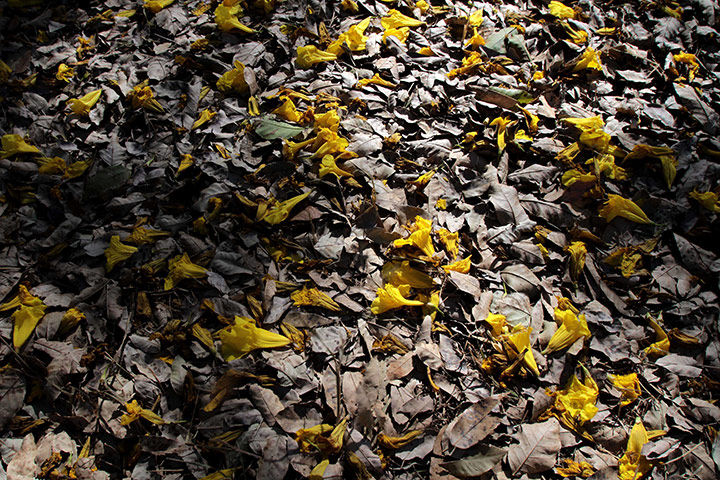
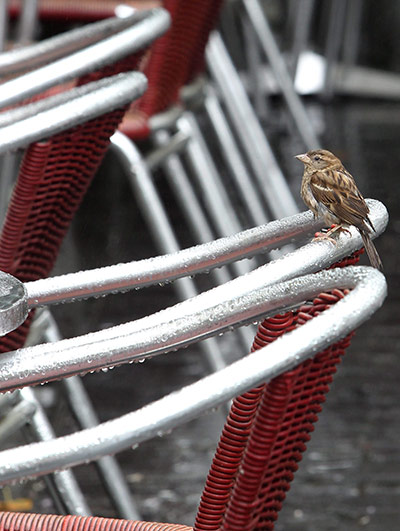
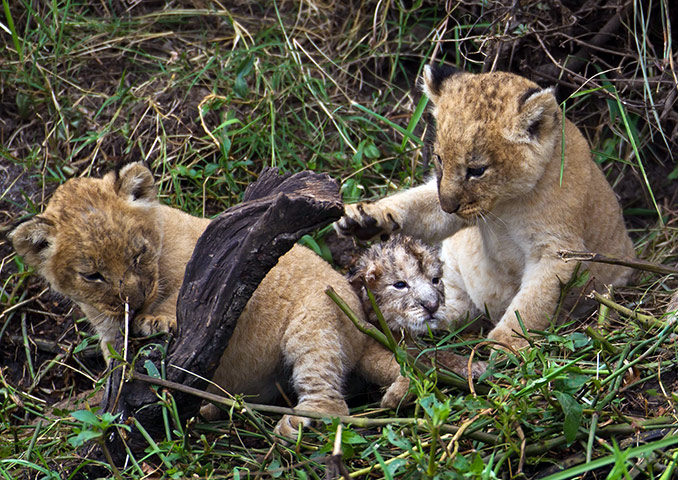
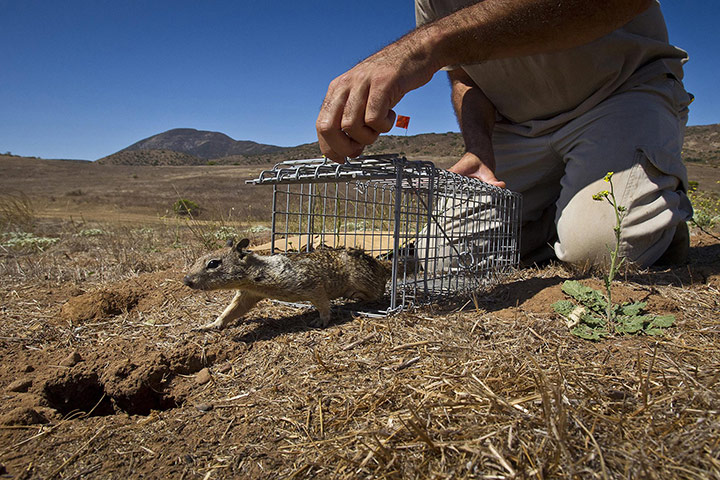
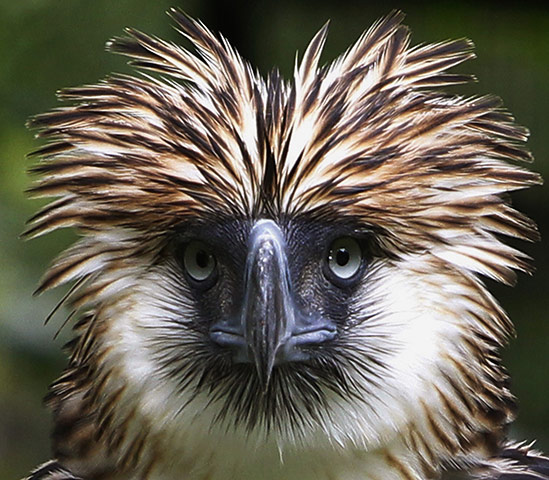
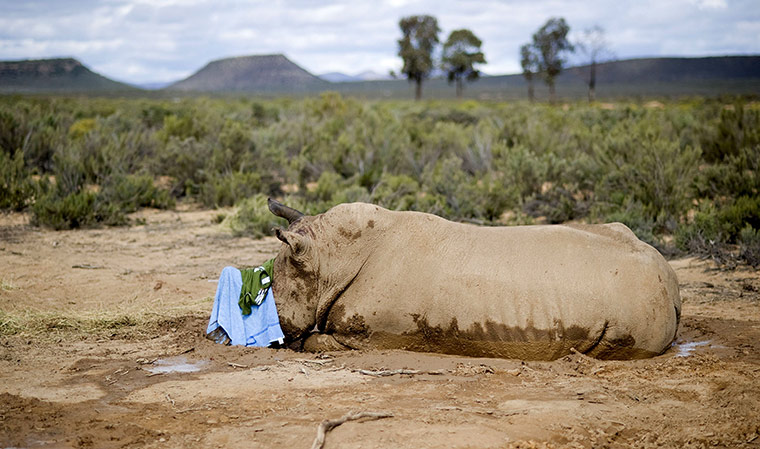
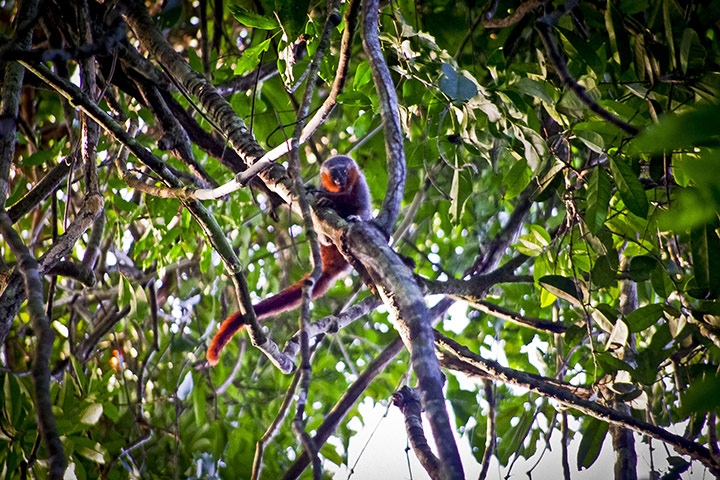
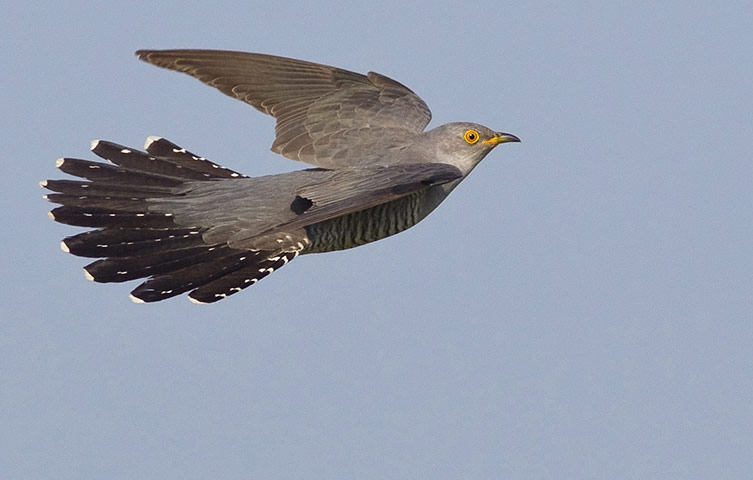
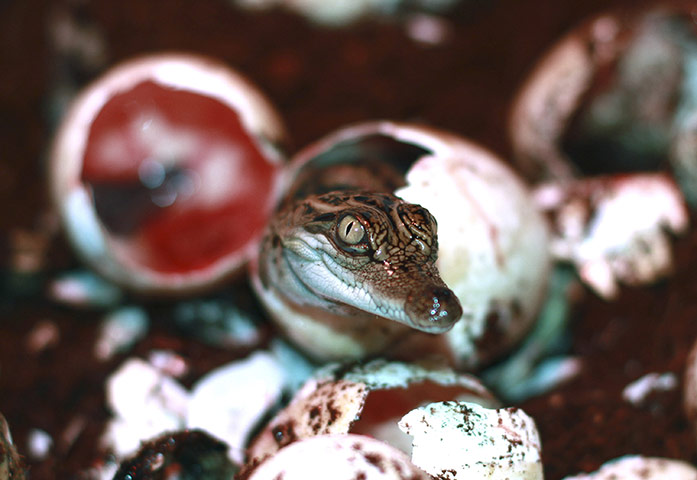
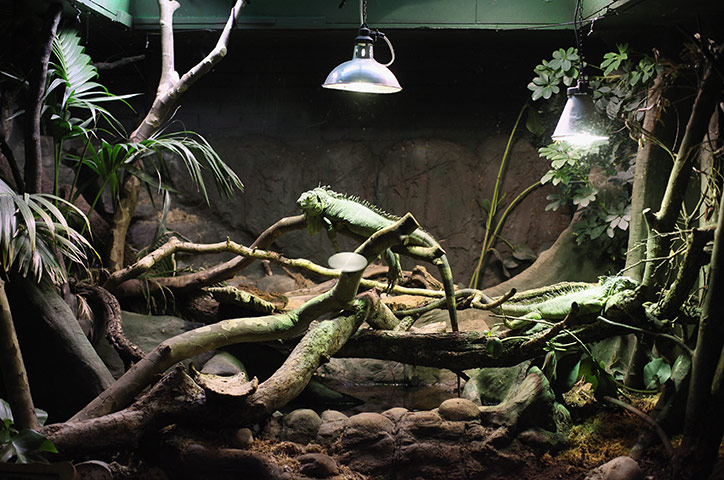
A grey heron catches a crab at the RSPB Leighton Moss nature reserve, Silverdale, Lancashire. The heron is one of the UK’s largest native birds and grey herons are also common around garden ponds. Herons are best known for eating fish, but sometimes they will vary their diet with more unusual creatures, such as frogs and water volesPhotograph: David Poole/RSPBA gazelle stands in what local residents say is the bombed-out ruins of the compound of Abdullah Al-Senussi, head of the Libyan Intelligence Service and brother in law of Muammar Gaddafi in Tripoli, 19 August 2011Photograph: Paul Hackett/ReutersKabatwa, a silverback mountain gorilla, carries her twins in the Virunga Mountains, just outside north-western Rwanda's Volcanoes National Park in Kinigi. According to a 2010 census, the total number of mountain gorillas has increased by a quarter over the past seven years to reach more than 780 individuals. Two-thirds of them are found in the Virunga chain that straddles Rwanda, Uganda and the Democratic Republic of CongoPhotograph: Steve Terrill/AFP/Getty ImagesFlowers of the yellow ipe tree lie on the ground in Brazil. A study published this week shows that three-quarters of the 8.7 million species – the majority of which are insects – are on land, only one-quarter, 2.2m, are in the deep, even though 70% of the Earth's surface is waterPhotograph: Eraldo Peres/APA sparrow rests in a wet chair outside a cafe in San SebastianPhotograph: Juan Herrero/EPAA two-hour old lion cub in the Masai Mara, alongside its older siblings at two weeks oldPhotograph: Paul Goldstein/Exodus TravelsA California ground squirrel is released after being checked by scientists in a conservation programme designed to aid burrowing owls in San Diego County. According to San Diego County zoo, the squirrels are grassland engineers that help create homes for other species such as owls, as well as aid in the biodiversity of the regions they occupyPhotograph: HO/REUTERSA Philippine eagle at the Philippine Eagle Foundation conservation centre in Davao city breeds the endangered Philippine eagle or 'monkey-eating eagle' and reintroduces them to their natural environmentPhotograph: Romeo Ranoco/ReutersA badly injured white rhino lies in a hollow after poachers sawed off its horn on Aquila game reserve in Touws river. Poachers attacked three of the six rhinos of the reserve, killing one outright and injuring this one badly. This rhino bull was tranquilised by poachers, who then sawed off his primary horn, and began cutting the smaller one, but were apparently disturbed and left. The critically injured male is one of the latest victims in South Africa's rhino bloodbath, which is surging on privately owned reserves as criminal syndicates target easier prey for the Asian black market. South Africa has lost 275 rhinos to poaching this year, with a recent swing to private reserves which hold about a quarter of the country's rhinosPhotograph: Rodger Bosch/AFP/Getty ImagesScientists on an expedition backed by WWF-Brazil to one of the last unexplored areas in the Brazilian midwest have discovered a new species of monkey The monkey was found in the northwest of Mato Grosso State Photograph: Julio Dalponte/WWFA cuckoo in flight, clocking up thousands of miles to complete the long journey from England to Africa. Five migrating cuckoos have been fitted with tiny tracking devices to provide new information which could help explain a sharp decline in the number of the birds in Britain, scientists sayPhotograph: Steve Ashton/APA baby Siamese crocodile hatches from an egg at the Lao zoo outside Vientiane, Laos. Environmentalists say rare Siam crocodiles have hatched in a zoo in Laos and will be released into the wild once they are old enough to fend for themselvesPhotograph: Wildlife Conservation Society/APAn iguana waits to be weighed and measured in the Rainforest Life area of ZSL London zoo as part of their annual weighing and measuring of their animals. The heights and weights of over 750 different animal species at the zoo are recorded into the International Species Information System, to monitor their health and share the data with other zoos across the worldPhotograph: Oli Scarff/Getty Images
Sign up to read this article
Read news from 100's of titles, curated specifically for you.