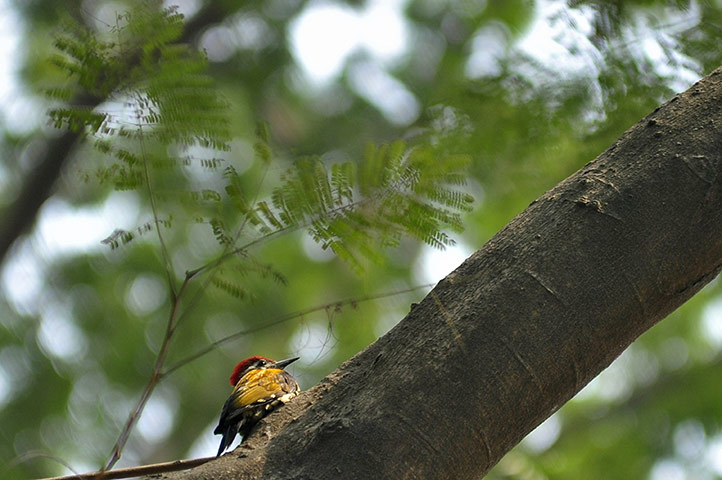
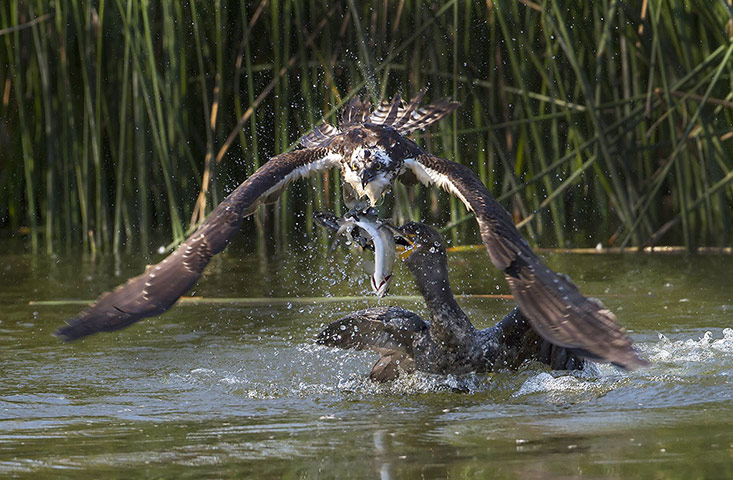
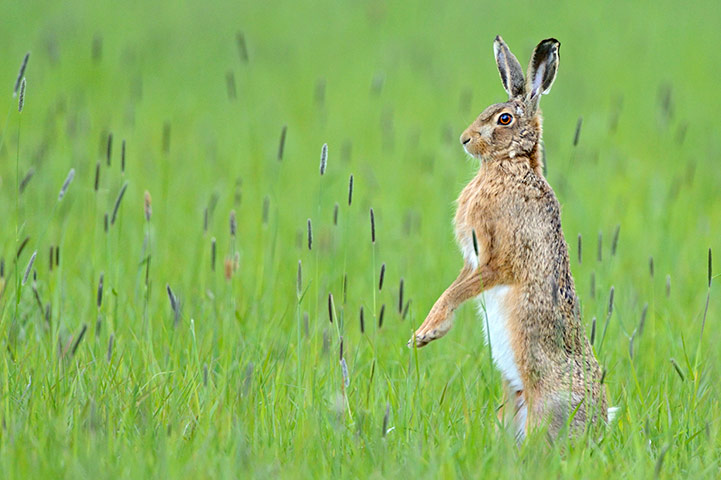
Dhaka, Bangladesh: Black-rumped flameback (Dinopium benghalense), also known as the lesser golden-backed woodpecker or lesser goldenback, is found widely in Bangladesh, and also India and PakistanPhotograph: Firoz Ahmed/CorbisMine, mine! This hapless osprey thought it was in for a tasty trout lunch. But as it went to swoop up and away it didn't count on being pulled back under the water and robbed of its meal. A sneaky cormorant had clamped its beak onto the fish and used it to tug the osprey down. Wildlife photographer Steve Shinn captured the avian mugging at a park in Long Beach, California last month. He said: 'Some wildlife activities can be quite spectacular, especially in the competition for food'Photograph: Steve Shinn/Rex FeaturesA European hare (Lepus europaeus) on the lookout. The British wildlife photography awards is now open for entries Photograph: Andy Rouse/BWPA
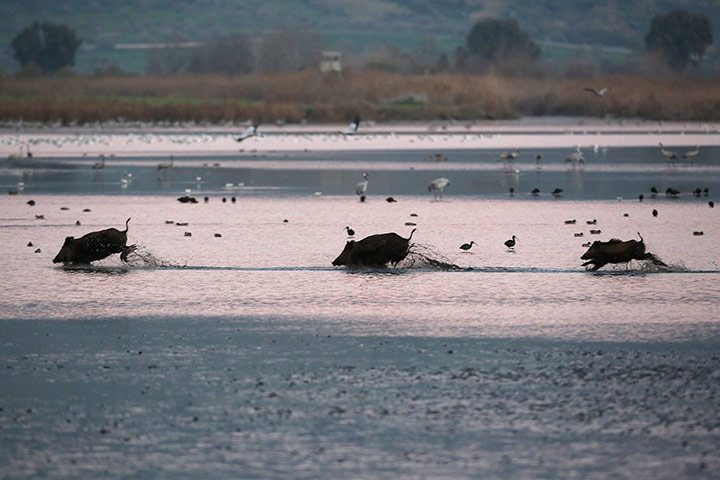
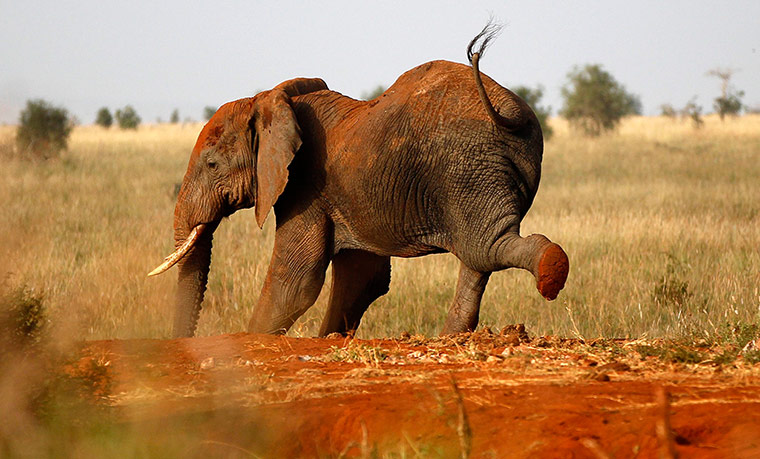
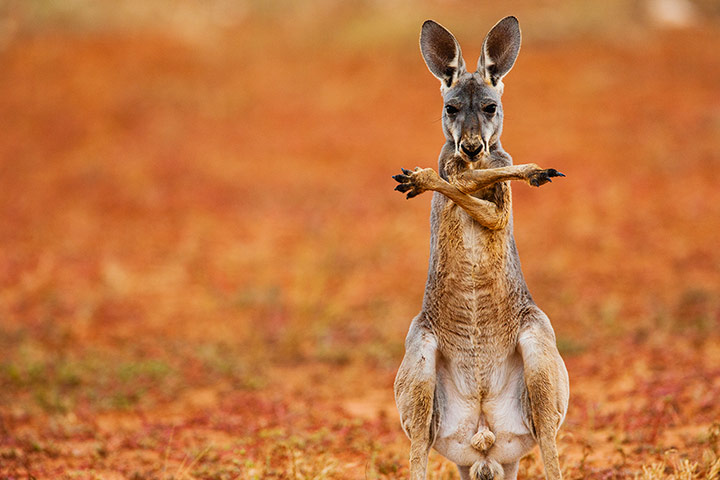
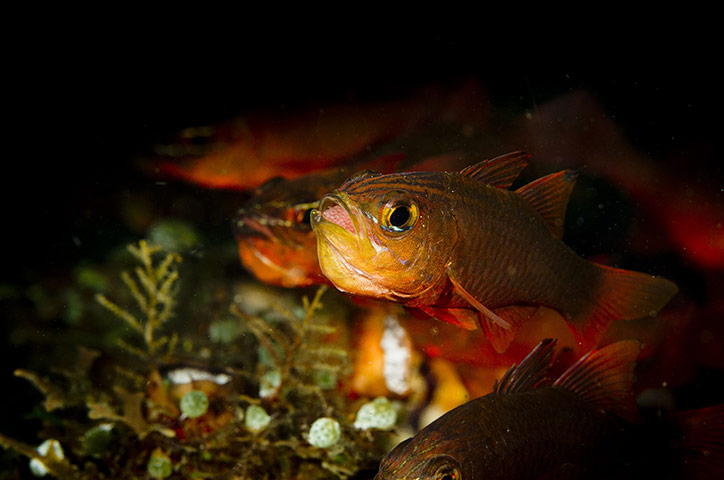
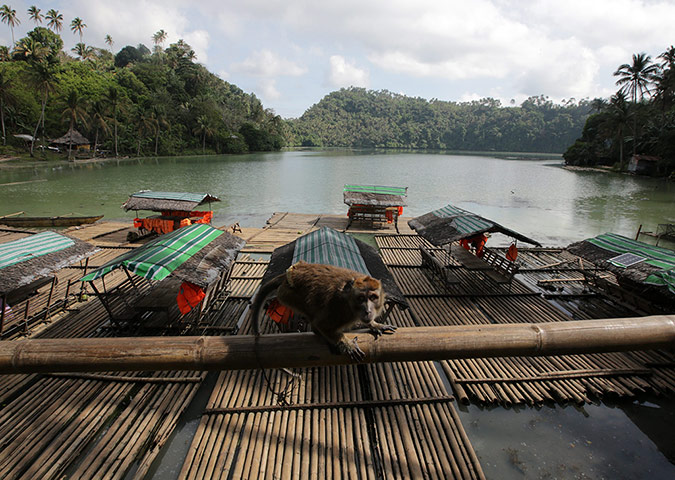
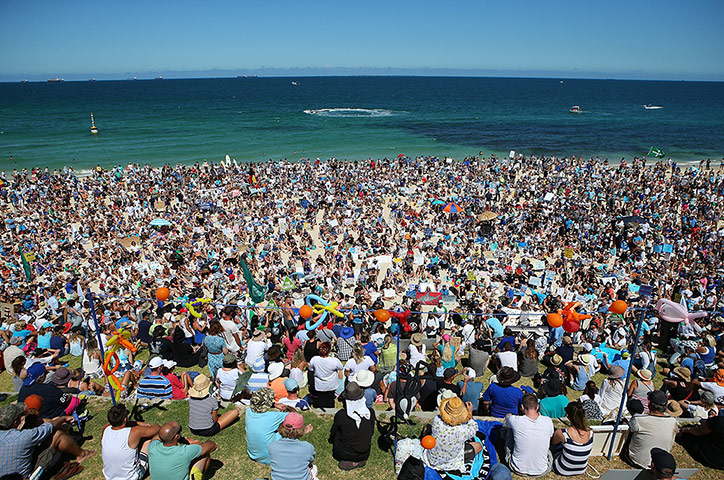
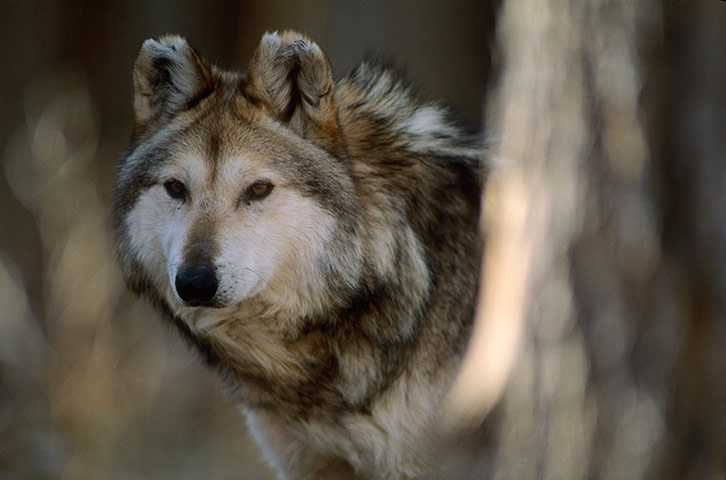
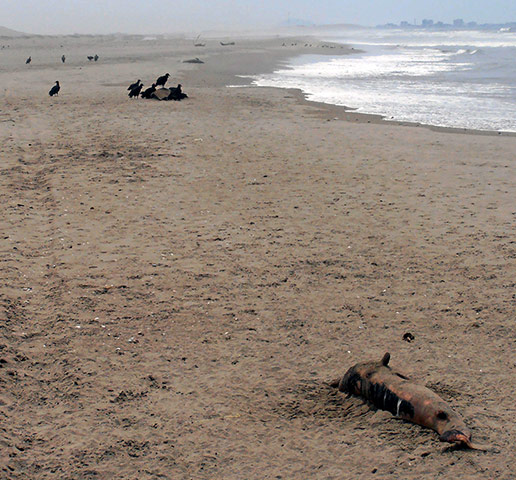
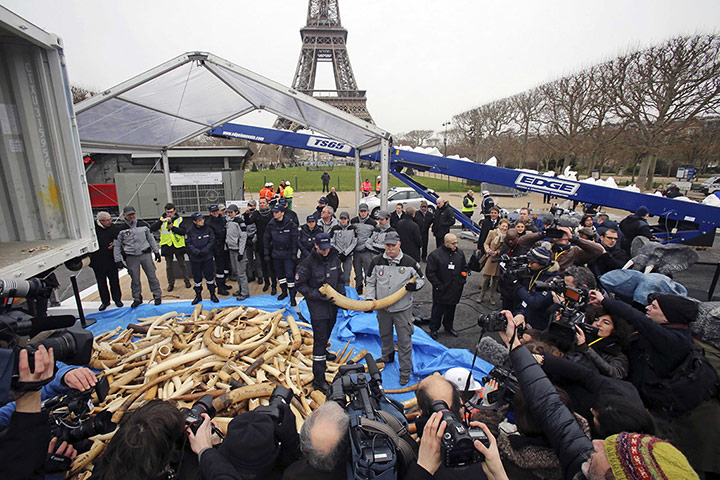
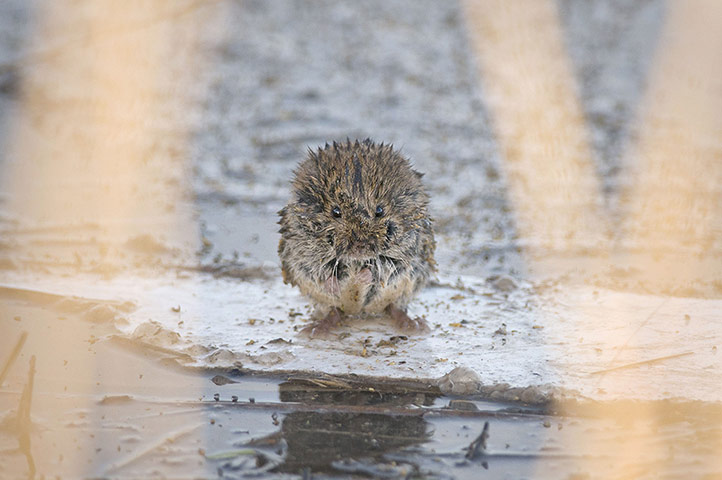
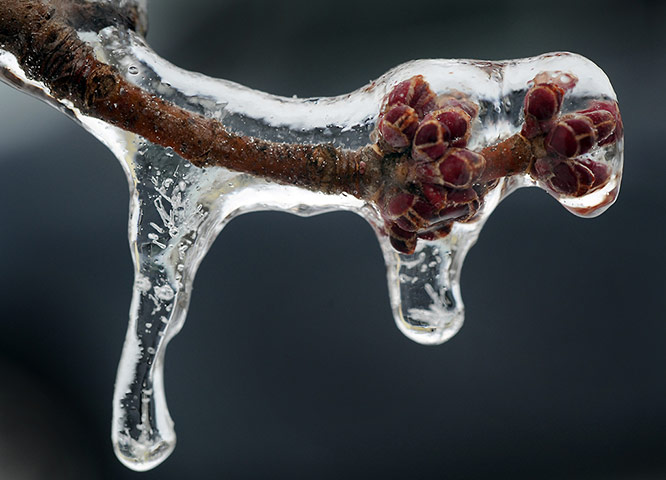
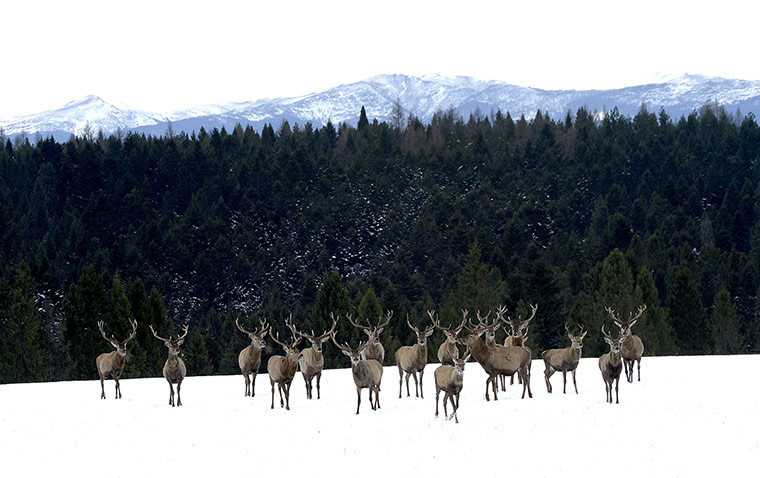
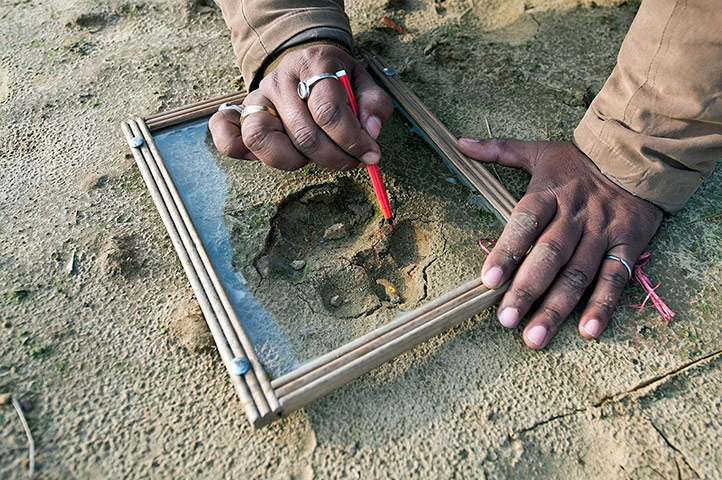
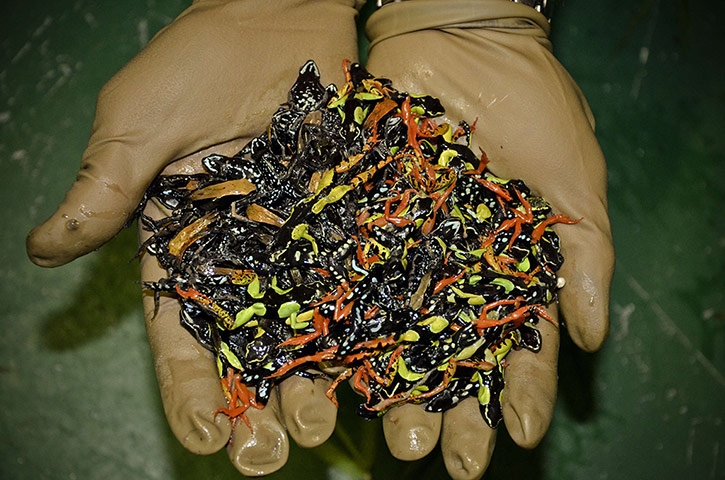
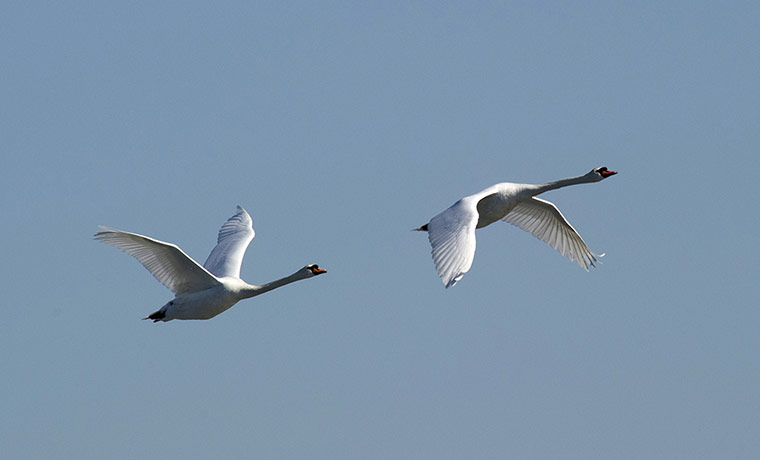
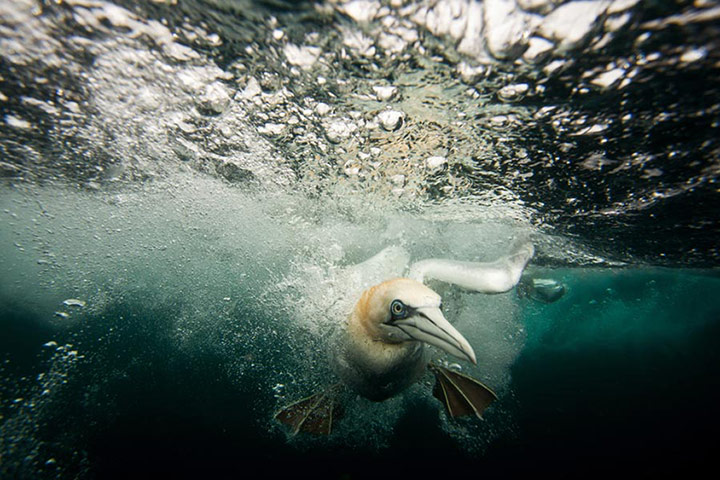
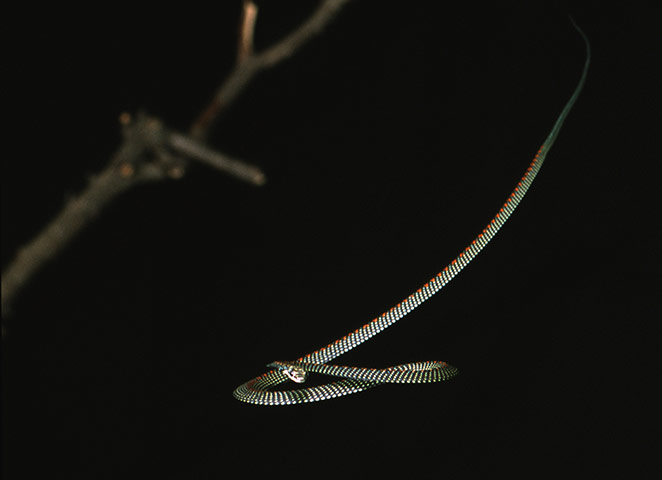
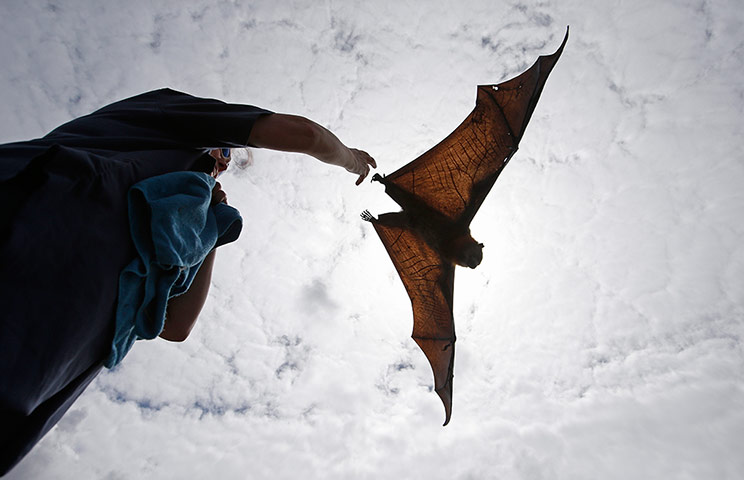
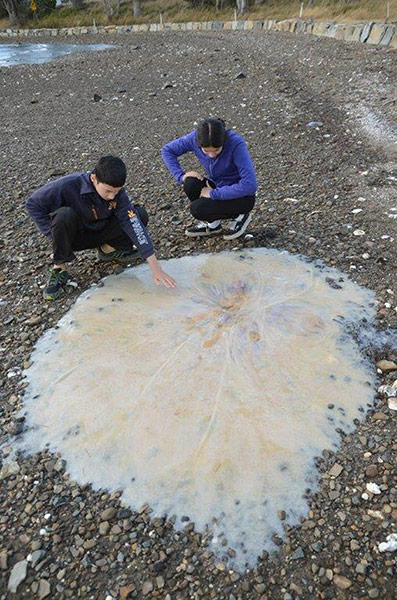
Wild boars dash across the Hula Lake, a nature reserve in northern Israel. The Hula Valley is a major stopover for birds migrating along the Syrian-African Rift Valley between Africa, Europe, and Asia. An estimated 500 million migrating birds pass through the Hula Lake park every year Photograph: Abir Sultan/EPAAn elephant stretches during an aerial census at the Tsavo West national park within the Tsavo-Mkomazi ecosystem, southeast of Kenya's capital Nairobi. The elephant is Kenya's flagship species and its distribution and condition is a good indicator of the status of wildlife. The results help policy makers and park management to decide on resource allocation for security operations and conflict managementPhotograph: Thomas Mukoya/ReutersA red kangaroo joey crosses its arms and paws while standing up in Sturt Stony Desert, New South Wales, Australia. Like all good boxers, these fighting kangaroos like to limber up before a bout. The males battle for dominance and access to females by jabbing each other with prizefighter precision. And they like to stretch out before the bell ringsPhotograph: Jami Tarris / Barcroft Media/Barcroft MediaA male cardinal fish incubating eggs in its mouth in Lembeh Strait, Indonesia. British underwater photographer Ed Brown who captured the image said: 'The male fish keep the eggs in their mouth until they are ready to hatch' Photograph: Ed Brown/Rex FeaturesA monkey springs upon makeshift rafts prepared to rent out to tourists on on the polluted water of Lake Pandin, one of seven lakes in the city of San Pablo, Philippines. The environmental foundation,Global Nature Fund, has declared the seven crater lakes in San Pablo City as 'threatened lake of the year 2014.' Illegal squatting along lake shores, illegal fish pens, overfeeding and crowding fish cages and other commercial activities have affected the volcanic lakes for decades. The seven lakes comprise Lake Bunot, Lake Calibato, twin lakes Yambo and Pandin, Lake Palakpakin, Lake Muhikap and Lake Sampaloc Photograph: Francis R. Malasig/EPAAn estimated 6,000 protesters show their support during a shark-culling policy protest at Cottesloe Beach on 1 February in Perth, Australia. The Western Australian government introduced a shark culling policy after a spike in shark attacks adversely impacted the tourism sector with diving operators reporting a decrease in business by over 90%Photograph: Paul Kane/Getty ImagesThis undated file image shows a captive Mexican grey wolf in Albuquerque, New Mexico. A recent survey estimates more Mexican grey wolves in the wild in the New Mexico and Arizona compared to last year. At least 83 of the endangered predators are believed to be in the two states, marking this the fourth year in a row that has seen the population increase. At the same time, the US government has spent billions of dollars trying to save some 1,500 species deemed endangered. House of Republicans say that's translated into just 2% of protected species being recovered, and they want to overhaul the Endangered Species ActPhotograph: Joel Sartore/NGC/Getty ImagesVultures approach the remains of dolphins washed ashore in Lambayeque, in the northern coast of Peru. About 400 dolphins were found dead in a wide extension of beaches in January for reasons yet unknown. Initial versions indicate that the cause could be toxic algae Photograph: HO/AFP/Getty ImagesFrench customs employees pose with around 698 elephant tusks, before crushing them into dust, at the foot of the Eiffel Tower in Paris. France is crushing more than 3 tons of illegal ivory in Europe's first destruction of a stockpile of the banned elephant tusksPhotograph: Remy de la Mauviniere/APThis vole balances precariously on a makeshift plastic raft as it escaped flooding on the banks of the Severn River at Aust Warth, South Gloucestershire. Wildlife photographer Sam Hobson captured the tiny rodent cowering after its home had been flooded. Hobson said: 'There was a high tide, which combined with all of the excess flood-water made the banks of the Severn flood. I was there in the morning when the water suddenly came flooding over and five short-eared owls were flushed out of the grass and suddenly streams of small rodents came swimming towards us, finding whatever small bits of rubbish and floating debris to cling onto to prevent from drowning. This small vole managed to find a small plastic raft, but we saw drowned rats, pygmy shrews and all sorts literally swimming for their lives'Photograph: Sam Hobson/Rex FeaturesIce covers the buds on a maple tree in a Warrick County yard near Newburgh, Indiana, US. The state's northern and southern counties had two to three inches of snow in many places, and some sections saw freezing rain at timesPhotograph: Kevin Swank/APDeer on a snow-covered field in Michniowiec, PolandPhotograph: Darek Delmanowicz/EPAA forest guard draws a pugmark on a glass frame in the forest near Barahpur village in Bijnor district, north India. A tiger is believed to have killed eight people living near the national park which covers 521 sq kms in the northern states of Uttar Pradesh and UttarakhandPhotograph: Prakash Singh/AFP/Getty ImagesSome 400 endangered amphibians and reptiles that died from dehydration and improper shipping in South Africa, were displayed in Johannesburg on 29 January. More than 1,600 animals were discovered crammed into two crates at the OR Tambo international airport. The survivors are being treated at a local zoo. The animals, from Madagascar, had been without water and food for at least five days, reports say.They are believed to have been destined for exotic pet markets in the USPhotograph: Miona Janeke/AFP/Getty ImagesA pair of mute swans in flight near City Island in New York. The Department of Environmental Conservation has proposed to declare the swans a prohibited invasive species and set a goal to eliminate virtually all of the 2,200 swans in the state by 2025. In Britain, wild swans may be prized for their beauty and protected by the queen, but the New York has branded them a violent menace. Mute swans were brought to North America by European settlers to adorn their estates in the late 1800s, but the authorities no longer consider them a beauty worthy of roaming freePhotograph: Don Emmert/AFP/Getty ImagesA gannet diving for fish is captured on camera in Shetland, UK. The GDT European wildlife photographer of the year 2014 and Fritz Pölking prize 2014 are now accepting entries Photograph: Matthew Doggett/GDTScientists studying the amazing gliding proficiency of the paradise tree snake, above, say it does two things as it goes airborne. It splays its ribs in order to flatten its profile from round into a more triangular form, and it undulates while airborne – sort of swimming through the air. Researchers led by Jake Socha, an expert in biomechanics at Virginia Tech, used a plastic model to replicate the shape the snake assumes while airborne, and tested it to evaluate its aerodynamic qualitiesPhotograph: Jake Socha/Virginia Tech/ReutersA wildlife carer releases a grey-headed flying fox, a threatened species, in Centennial Park in Sydney, Australia. Each year thousands of native wildlife are rescued by volunteers when anti-bird netting thrown loosely over fruit trees entangles birds, bats, and reptiles Photograph: Rob Griffith/APA gigantic specimen of a new species of jellyfish has washed up on a beach in Tasmania, shocking the local family who found it and exciting scientists. Lisa-ann Gershwin, research scientist with CSIRO’s wealth from oceans flagship, told Guardian Australia it was among the biggest she’s ever seen in her career studying jellyfishPhotograph: Josie Lim/AFP/Getty Images
Sign up to read this article
Read news from 100's of titles, curated specifically for you.