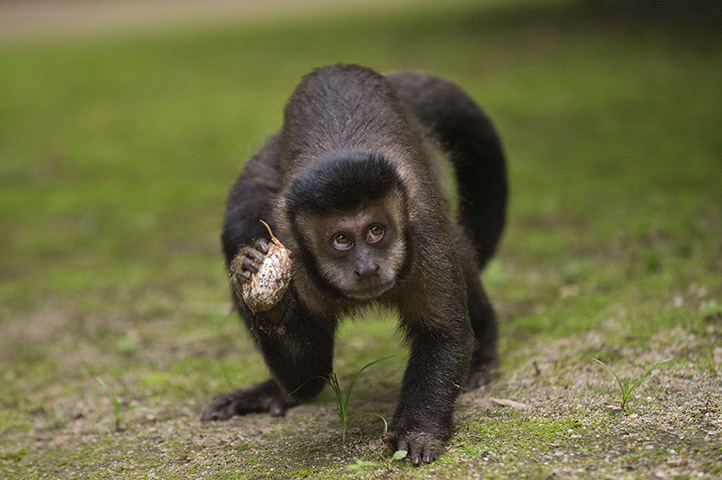
A brown capuchin monkey holds a fruit in the Botanic Garden of Rio de Janeiro, BrazilPhotograph: Pablo Porciuncula/AFP/Getty ImagesA dragonfly with red wings in the West Bank village of Wadi FukinPhotograph: Abed Al Hashlamoun/EPAA young sea lion pup which has rolled in the sand in San Cristobal, Galapagos Islands, to protect it from the hot sunPhotograph: Michal Tyl/Barcroft Media
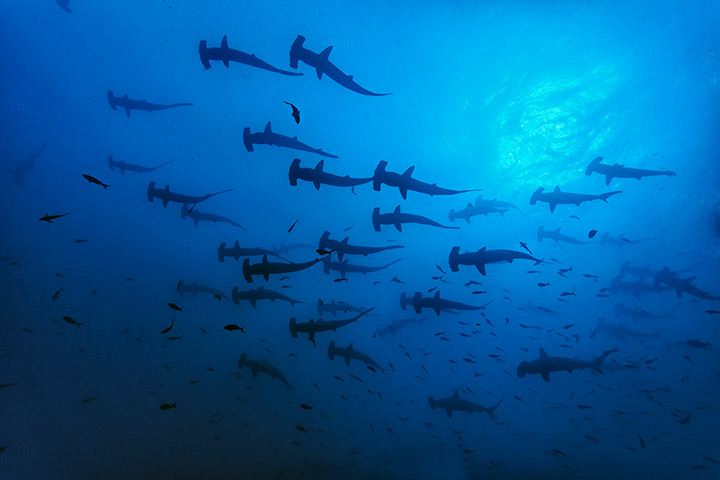
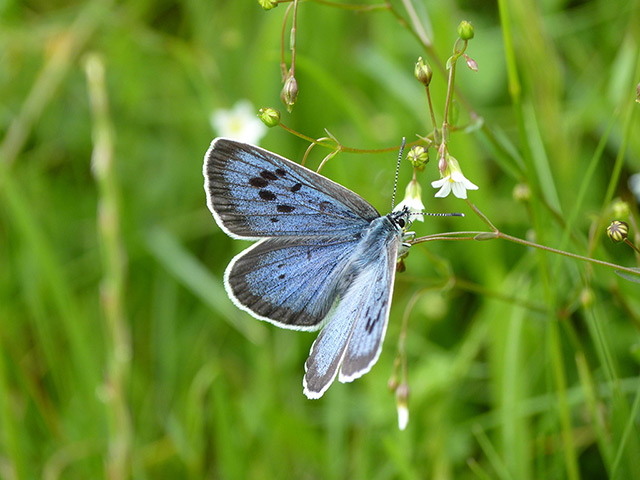
An Indian cobra hatchling emerges from an egg on the outskirts of Bhubaneswar. The Indian cobra is a venomous snake indigenous to South Asia, found across India, Pakistan, Bangladesh and Sri LankaPhotograph: Asit Kumar/AFP/Getty ImagesCatfish washed ashore in polluted waters of Manila bay, Philippines. A large number of fish appeared in the shallow waters of Manila Bay shortly after the tropical storm Rumbia hit the capitalPhotograph: Dennis M Sabangan/EPAFemale nyalas at the Singapore zoo. Nyalas are a spiral-horned antelope native to southern AfricaPhotograph: Suhaimi Abdullah/Getty ImagesEgret chicks wait in a nest for their parents to return with food in the Panbazar area on the banks of the Brahmaputra River in Guwahati city, IndiaPhotograph: EPAJai, a tiger at the Phoenix zoo, breaks apart frozen trout while sitting in his pool to keep coolPhotograph: Matt York/APPacific krill. Millions of the inch-long shrimp-like animals have been washing up on beaches between Eureka, California and Newport, Oregon. Scientists do not know the reason why. Strong winds may have pushed them ashore while they were mating near the surface, or they may have run into an area of low oxygenPhotograph: Jaime Gomez Gutierrez/APTwo cranes in a field of wildflowers near Petersdorf, GermanyPhotograph: Patrick Pleul/dpaA group of scalloped hammerhead sharks swim off Cocos Island, Costa Rica. Their numbers have been diminished by overfishingPhotograph: Franco Banfi/Barcroft MediaA large blue butterfly, one of the greatest British wildlife success stories of the past 30 years. The first large blue butterflies of the year have been spotted at Collard Hill, SomersetPhotograph: National Trust/PATwo juvenile siskins fighting in NorthumberlandPhotograph: Will Nicholls/Rex FeaturesA duck searches for food at a beach covered by a thick layer of green algae in Qingdao, China. A large quantity of non-poisonous green seaweed, enteromorpha prolifera, hit the Qingdao coastPhotograph: ChinaFotoPress via Getty ImagesYears of drought are causing water levels at Agua Caliente in Tucson, Arizona to drop to extremely low levels. The main lake, as well as another overflow, are fed by a natural spring, seasonal rains and snowmelt runoff from the nearby Rincon Mountains.55,000 gallons of water each day are pumped into the lake Photograph: Will Seberger/ZUMA Press/CorbisScientists have been studying a type of antibiotic that is produced by bacteria that live in symbiosis with leaf cutter ants. They have identified the genetic pathway involved in producing the antibiotic, opening the possibility to use this natural product as the basis for new drugs, including anti-cancer treatmentsPhotograph: Gail Shumway/Getty ImagesOne of the 10 zebra-snouted seahorses, with its father, born at the National Sea Life Centre in Birmingham. Zebra-snouted seahorses come from the Philippines and are one of the species under threat from the Chinese traditional medicine tradePhotograph: National Sea Life Centre/PAPaddy the wombat is 27, which makes him the oldest of his kind on record at the Ballarat wildlife park, Victoria, AustraliaPhotograph: Jay Town/Newspix/Rex Features
Sign up to read this article
Read news from 100's of titles, curated specifically for you.