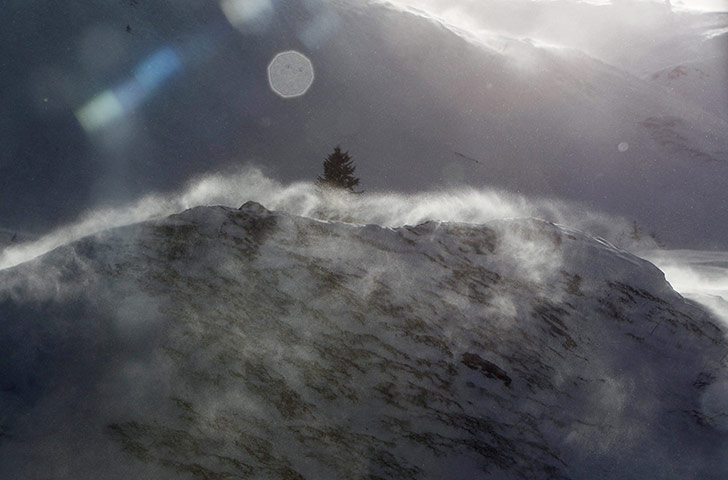
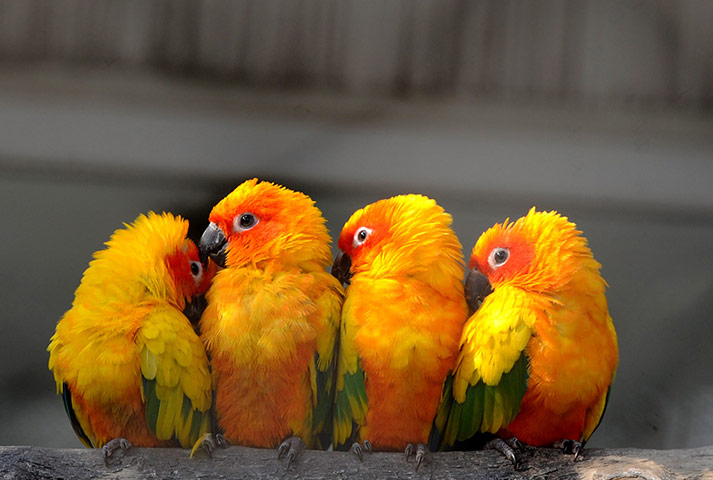
A single tree stands in the snow as the Foehnwind blows over the Swiss Alps to bring warm air to the Melchsee-Frutt in central Switzerland. Foehnwinds are dry and warm down-slope winds that are often dubbed 'snow-eaters' for their ability to raise temperatures within hours and melt down snow rapidlyPhotograph: URS FLUEELER/EPAParrots enjoy the sunshine at the Suzhou Zoo in Suzhou in eastern ChinaPhotograph: Hang Xingwei/CorbisAn impressive sight as thousands of knots enjoy the last high tide at Snettisham on the Norfolk coast on 16 December. Richard Peters, who took the shot, explains: 'Over the winter tens of thousands of knots spend the winter on the Norfolk coast at Snettisham. When there is a high tide the birds are forced off the mud flats where they fly in mass across to a lagoon where they spend time on the banks until the tide goes back out, at which point they return to the mud flats' Photograph: Richard Peters/Rex Features
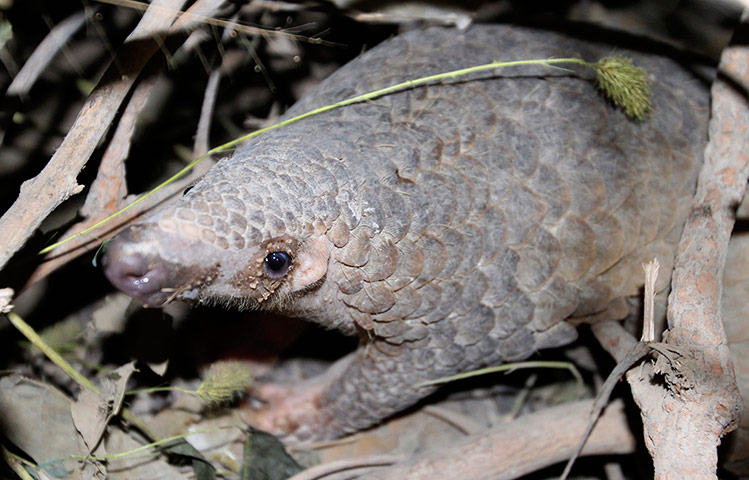
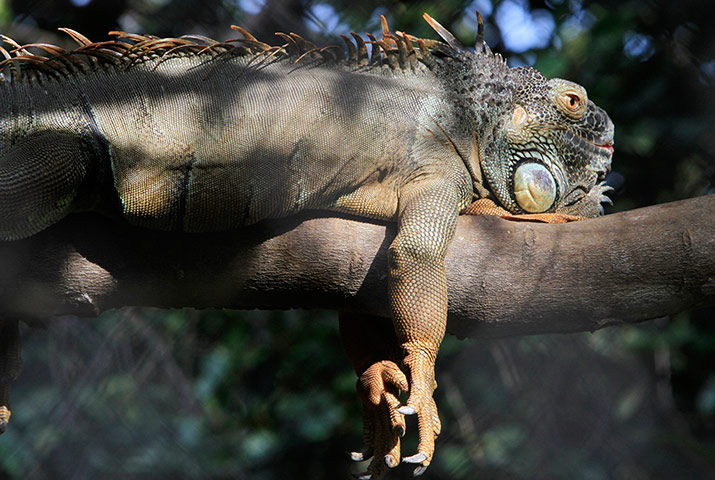
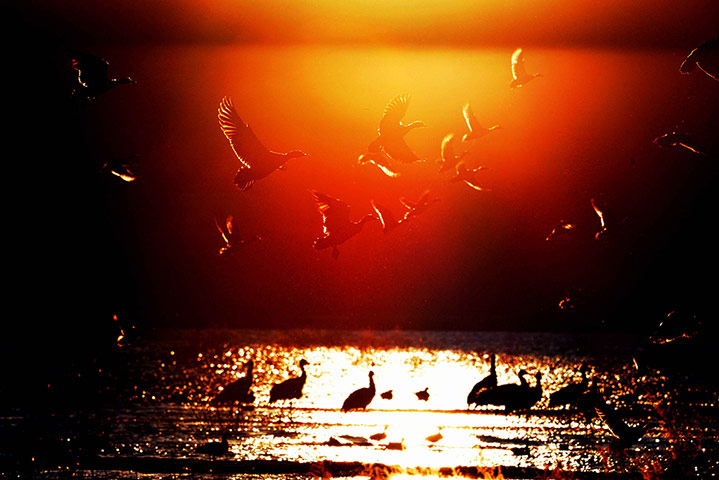
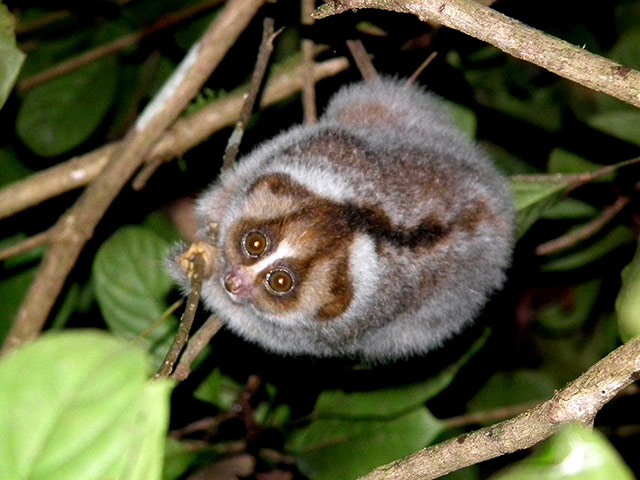
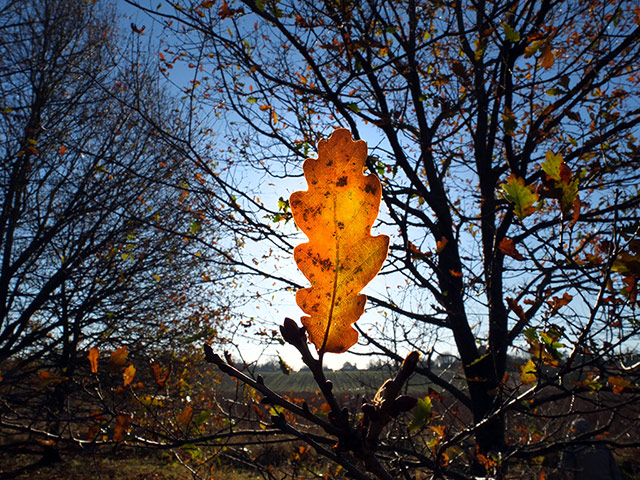
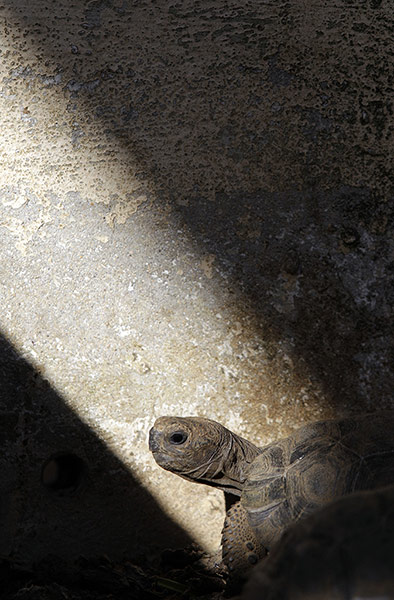
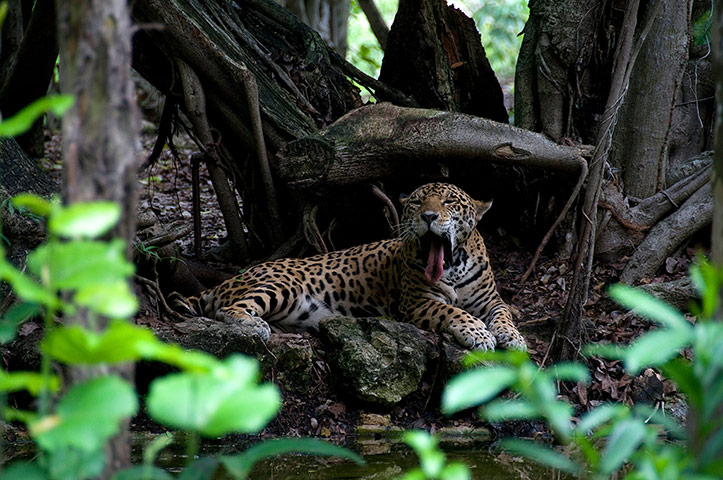
A new miniature fish which was recently discovered 83km north of Surat Thani in southern Thailand. Measuring just 15-20mm, the species has been recorded at several spots within the lower Tapi river catchment. The fish is named after the large blotch on its body (the Latin naevus means blemish). From a devilish-looking bat to a frog that sings like a bird, scientists have identified 126 new species in the Greater Mekong area, said the World Wide Fund for NaturePhotograph: Peter Maguire/AFP/Getty ImagesAn undated handout picture released on December 17, 2012 by World Wide Fund for Nature shows a "yin-yang" frog (Leptobrachium leucops), just one of five new amphibian species discovered in the region in 2011 Photograph: Jodi Jl Rowley/AFP/Getty ImagesA pangolin in a rescue centre in the Tra Pang Sap village in Cambodia's Takeo province. The Cambodian zoo staff today held a Buddhist ceremony to open a new initiative to care for injured pangolins rescued from the growing wildlife trade in the countryPhotograph: Heng Sinith/APAn iguana sleeps on the branch of a tree in the Tra Pang Sap village rescue centrePhotograph: Heng Sinith/APBlack-necked cranes fly on the Nianhu Lake as the sun rises in Huize County of Qujing City, southwest China's Yunnan ProvincePhotograph: Yang Zongyou/CorbisA slow loris before being caught at the Sabah Girang field centre on Borneo Island in Malaysia. It was then tagged by wildlife researchers to study the newly discovered species, which is already threatened by the illegal pet trade Photograph: Danau Girang Field Centre/AFP/Getty ImagesAn oak leaf near Hoxne in Suffolk during the English winter Photograph: Graham Turner/GuardianLong-tailed ducks in Shetland, Scotland – a species now threatened with extinction. The UK has lost 44 million birds since 1966, according to a new reportPhotograph: Hugh Harrop/AlamyA young tortoise at the Fausto Llerena Breeding Centre of the Galapagos National Park on Santa Cruz Island. Bred in captivity, the tortoise, which is part of a breeding and repatriation programme, will eventually be released into the wild. The programme was created in the 1960s in response to dramatic reductions in the tortoise population due to the arrival of humans to the islands. The breeding centre now hosts more than 1,000 tortoises from the islands of Santa Cruz, Santiago, Pinzon and EspanolaPhotograph: Dolores Ochoa/APA pileated gibbon, a species found in the Central Cardamom Mountain Range, but seen here in Phnom Tamao wildlife rescue centre, Cambodia Photograph: David Emmett/Conservation InternationalA green pit viper in the Cardamom Mountains, CambodiaPhotograph: David Emmett/Conservation InternationalA spotted jaguar in the jungle of Brazil. The species is a symbol of Mayan royaltyPhotograph: Larry Larsen/Alamy
Sign up to read this article
Read news from 100’s of titles, curated specifically for you.