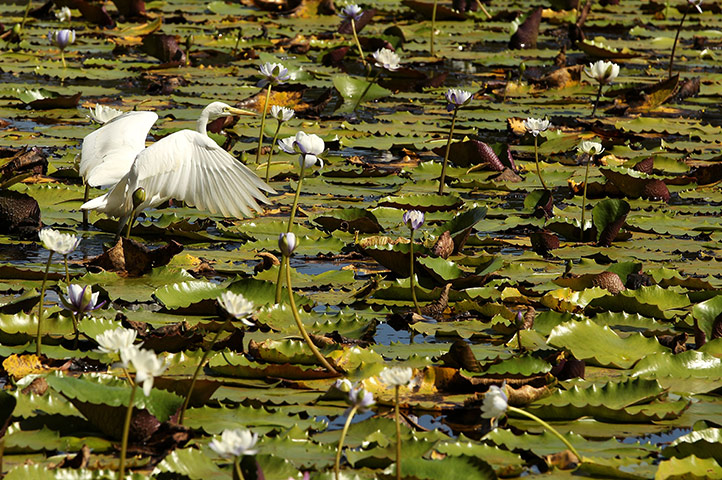
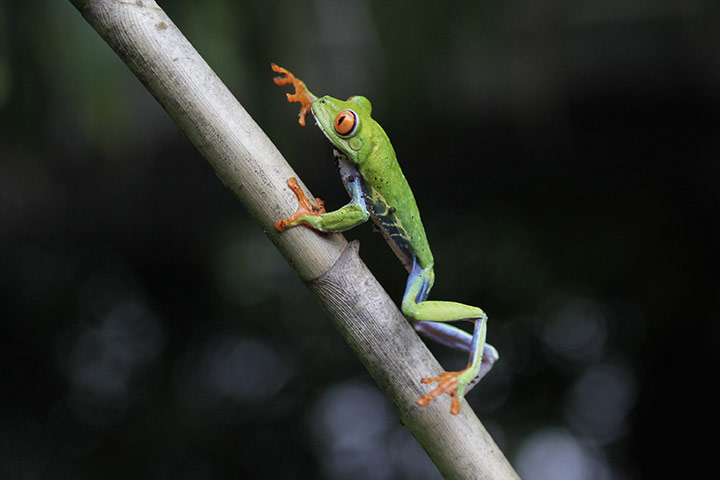
The Siau Island tarsier (Tarsius tumpara) is considered to be one of the world's 25 most threatened primates, according to the latest update of the IUCN 'red list' of endangered species. Endemic to Siau Island, Indonesia, the tarsier has been assessed as critically endangered. It is restricted to a very small area and there has been a suspected population decline of more than 80%. It is locally collected as food. Furthermore, an active volcano, Mount Karengentang, dominates more than half of its geographic rangePhotograph: Geoff Deehan/IUCNAn intermediate egret (Mesophoyx intermedia) among water lilies in the Keatings lagoon conservation park in Cooktown, far north Queensland, AustraliaPhotograph: Mark Kolbe/Getty Images for Tourism QueenslA red-eyed tree frog (Agalychnis callidryas) at the Montibell wildlife reserve, south of Managua, New ZealandPhotograph: Oswaldo Rivas/Reuters
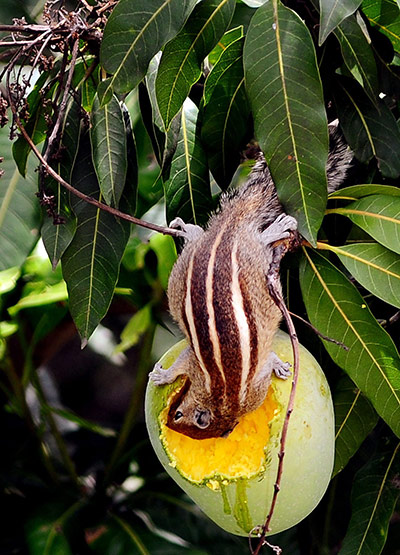
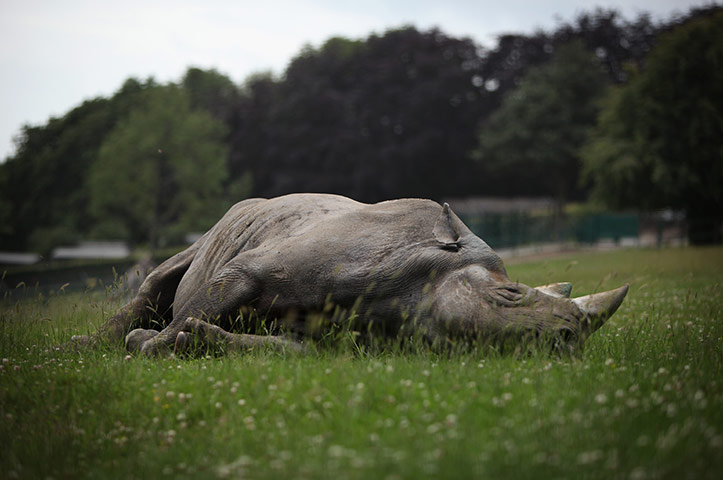
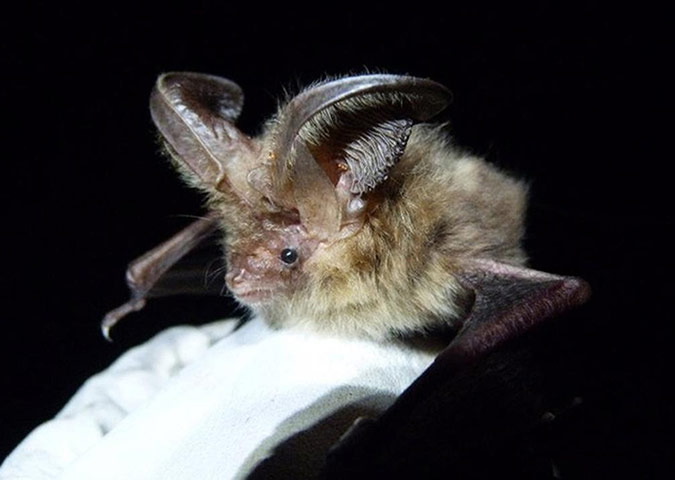
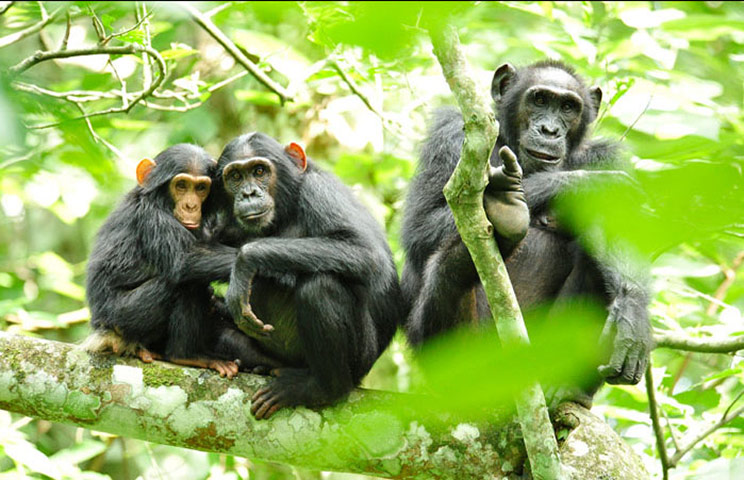
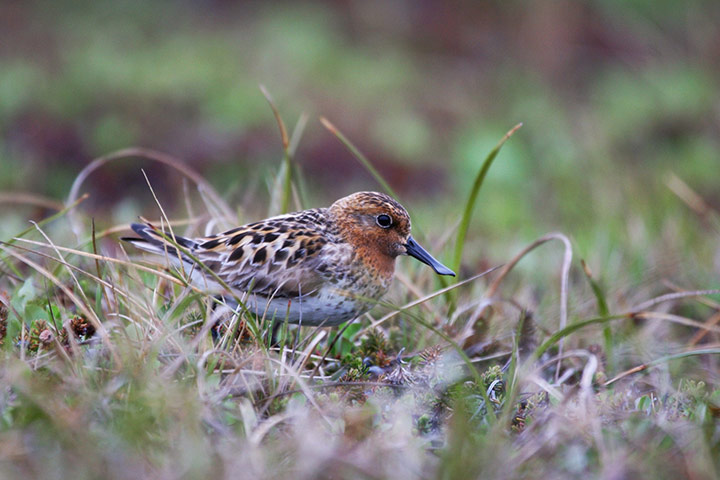
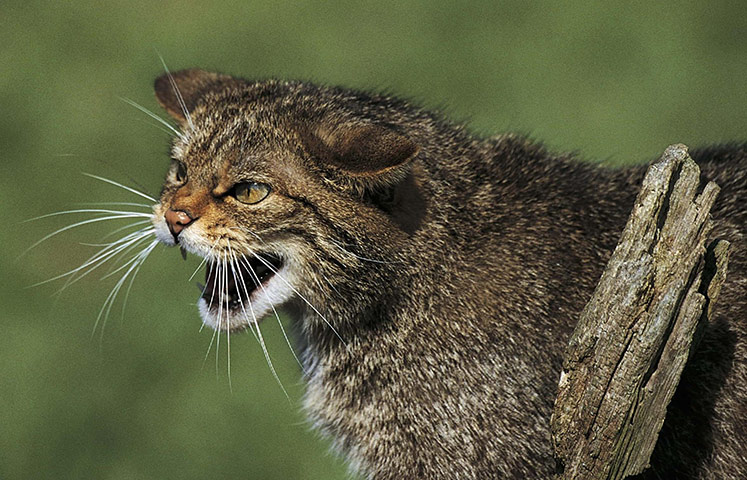
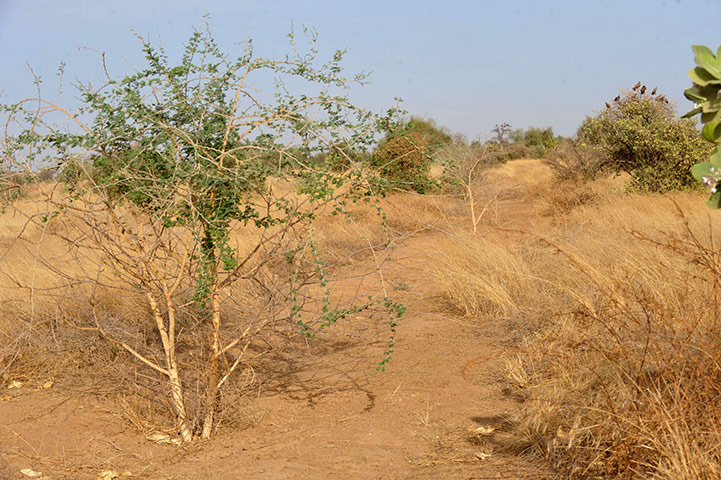
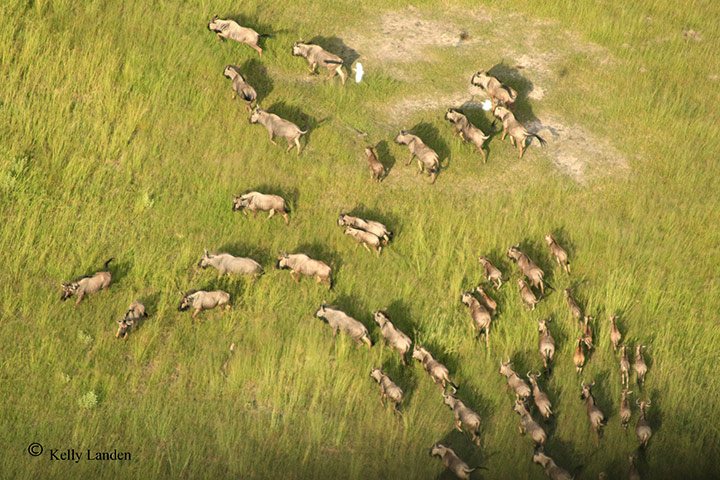
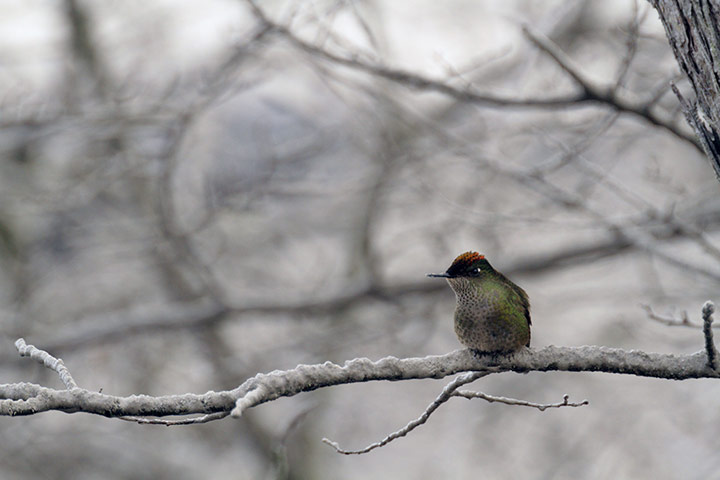
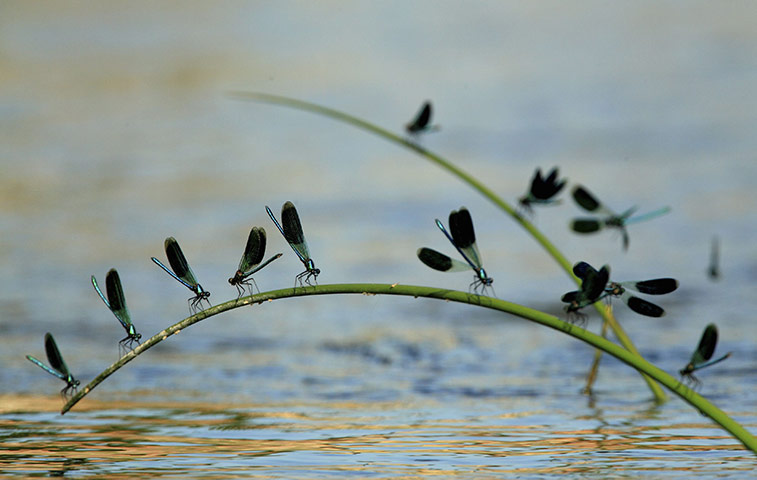
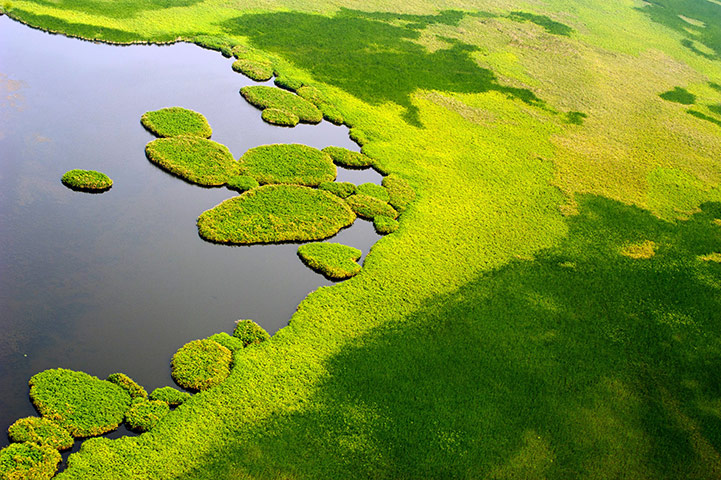
An Indian palm squirrel tucks into a mango in southern Indian city of BangalorePhotograph: Jagadeesh Nv/EPAA black rhino sleeps in the sunshine at Port Lympne wild animal park in Hythe, England. Port Lympne has this year welcomed wildebeest, colobus monkeys, gorillas and rhinos. Port Lympne and Howletts wild animal parks were set up by the late John Aspinall to protect and breed rare and endangered species and, where possible, return them to safe areas in the wild. The Aspinall Foundation also manages two gorilla rescue and rehabilitation projects in the central African countries of Gabon and Congo where they have successfully reintroduced more than 50 gorillas to the wildPhotograph: Dan Kitwood/Getty ImagesBrown long-eared bats were discovered breeding on the Isles of Scilly this week. Fiona Mathews, from the University of Exeter, found the bats roosting in a pine tree while working on another project researching pipistrelle bats. Brown long-eared bats have not been seen on the islands for about 40 years, the University of Exeter saysPhotograph: University of Exeter/PAChimpanzee Trio. This photo won fourth prize in USAID’s spring 2011 Frontlines Environment photo contest. The three chimpanzees live in Uganda’s Budongo forest, where habitat destruction has isolated many primate groups. In order to migrate, feed, and interact with each other, conservationists say species need wildlife corridorsPhotograph: Julie Larsen Maher/WCSThe spoon-billed sandpiper. Conservationists have set off on a last-ditch rescue bid to save one of the world's rarest and shyest birds from extinction. In the remote far east of Russia, near the Chukotka region, the team hopes to catch sight of some of the few pairs remaining. Between 120 and 200 pairs were believed to be still alive when last surveyed in 2009, but that figure could be as low as 60 pairs todayPhotograph: James Gilroy/Birdlife InternationalRSPB Scotland has launched a nine-year campaign aimed at protecting the countryside and saving endangered species - such as this wild cat - from extinction. The drive, Stepping up for Nature, said to be the most ambitious in its 107-year history, is a response to the dwindling numbers of some native birds, mammals and insects, as well as the decline of wild flowers, peatlands and native forestsPhotograph: Roger Wilmshurst/RSPB Scotland/PAAcacia trees in Senegal's Louga region form part of Africa's 'Great Green Wall'. The wall is a lush 15km-wide strip of different plant species that aims to span 7,600km from Senegal to Djibouti to halt desertification in south SaharaPhotograph: Seyllou Diallo/AFP/Getty ImagesA young emperor penguin took a wrong turn from the Antarctic and ended up stranded on a New Zealand beach – the first time in 44 years the aquatic bird has been sighted in the south Pacific countryPhotograph: Richard Gill/AFP/Getty ImagesAn aerial shot of wildebeest in the Okavango delta, Botswana. Botswana's Okavango delta is widely regarded as one of the wonders of the natural world, but an aerial survey has found that some of its animal populations have shrunk by 90% over the past 15 yearsPhotograph: Kelly Landen/Elephants without BordersA hummingbird perches on a branch covered by volcanic ash in Villa La Angostura in southern Argentina. The Chilean government says the Puyehue-Cordón Caulle volcano in southern Chile that began erupting about two weeks ago is becoming less activePhotograph: Federico Grosso/APDragonflies rest on a plant in the Una river in Kostajnica, Croatia Photograph: Nikola Solic/ReutersIslands in the vast swamplands of the Sudd, southern Sudan. In a few weeks, South Sudan will become the world's newest country. Two decades of civil war cost more than 2 million lives and wiped out much of the region's wildlife - but not all of it. A few years ago, conservationists made a surprising discovery: large herds of antelopes and elephants. The government of South Sudan and the New York-based Wildlife Conservation Society are now trying to protect animals that were once thought lost to warPhotograph: Phil Moore/AFP/Getty Images
Sign up to read this article
Read news from 100’s of titles, curated specifically for you.