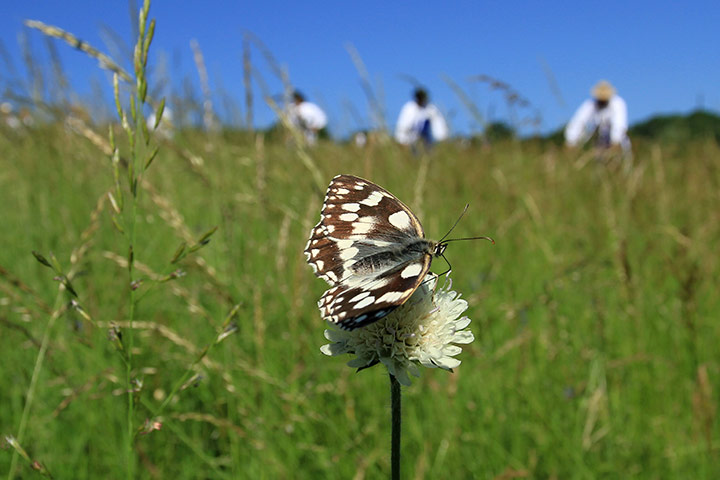
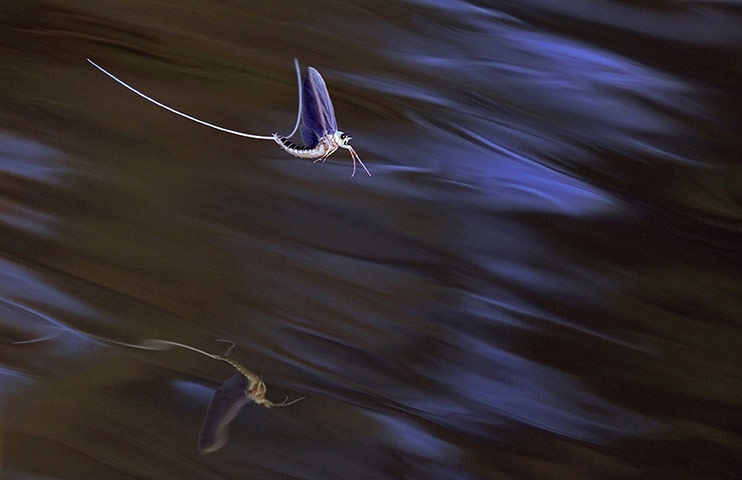
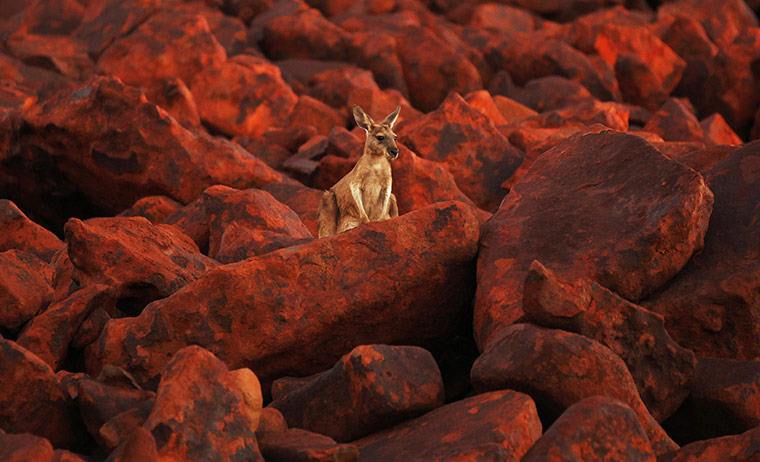
A marbled white butterfly on a flower in a South Moravia meadow that is being mown with traditional scythes Photograph: Radek Mica/AFP/Getty ImagesLong-tailed mayfly (Palingenia longicauda) mate on the surface of the Tisza river, Hungary. During a brief period from late spring to early summer every year, millions of these short-lived mayflies mate and reproduce • Click here for more pictures of the mayfliesPhotograph: Laszlo Balogh/ReutersA kangaroo stands among iron ore boulders in Western Australia. Australia, with a population of 21.8 million people, does not have the workforce to exploit its enormous natural bountyPhotograph: Daniel Munoz/Reuters
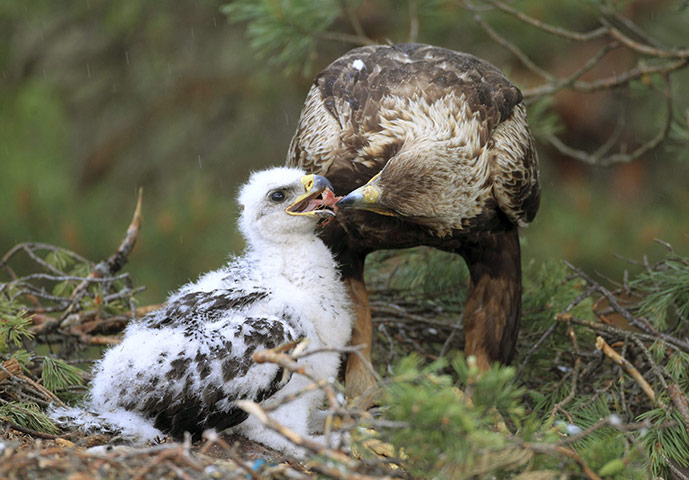
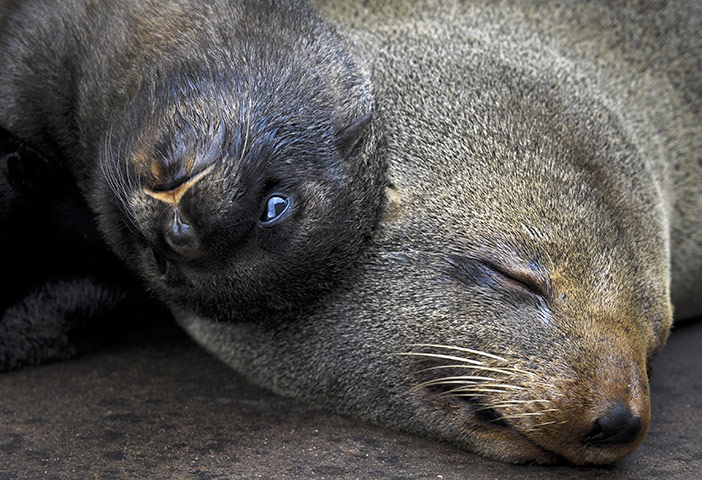
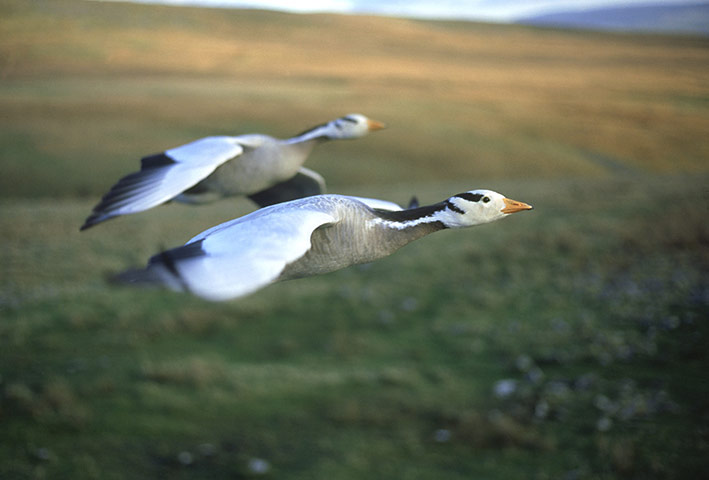
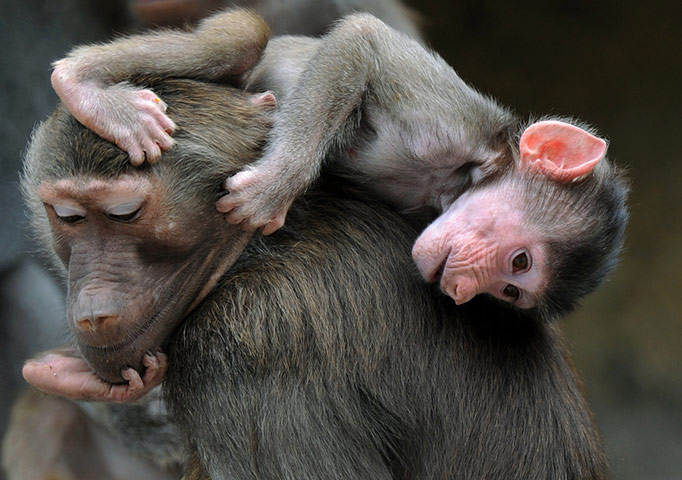
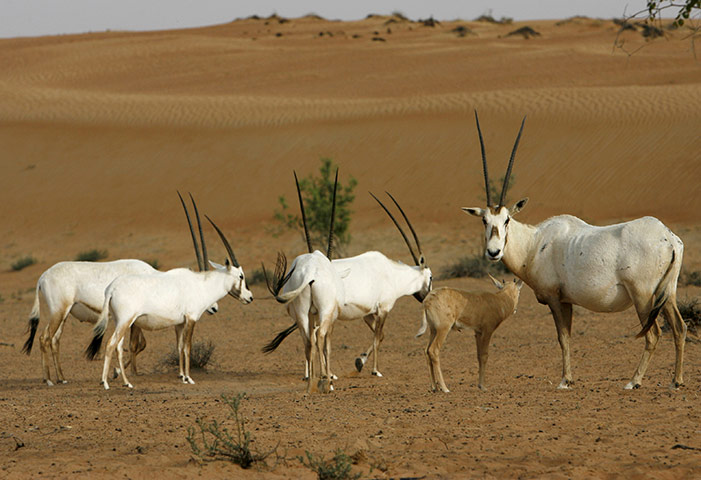
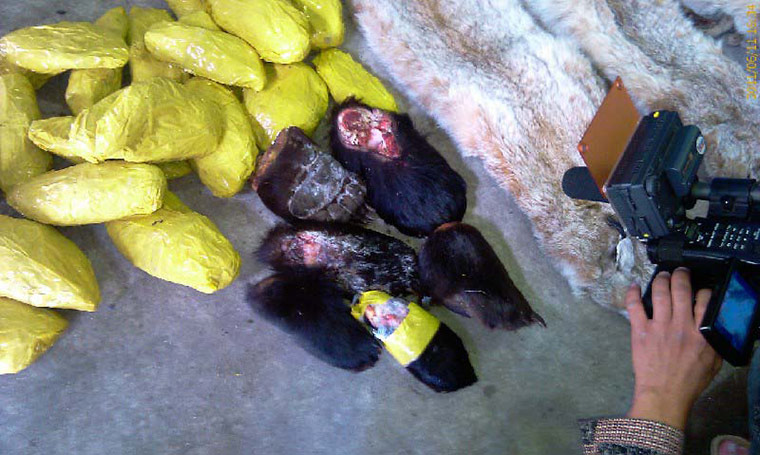
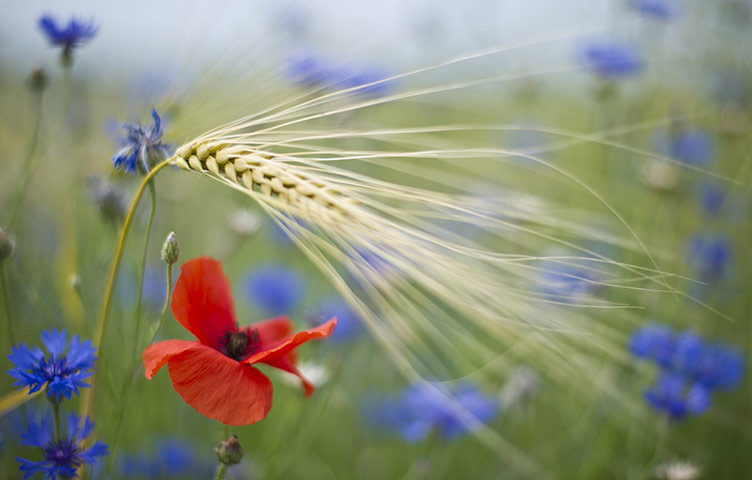
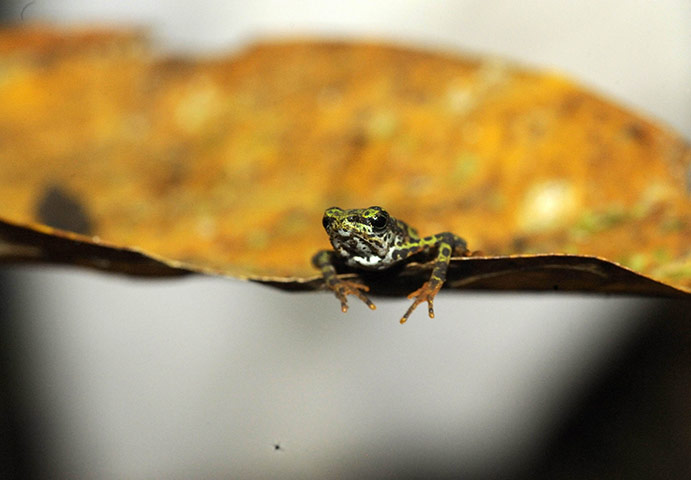
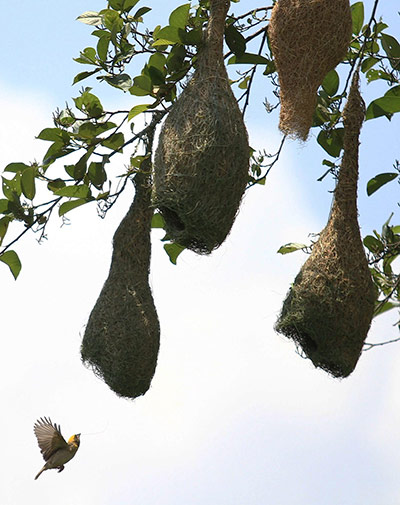
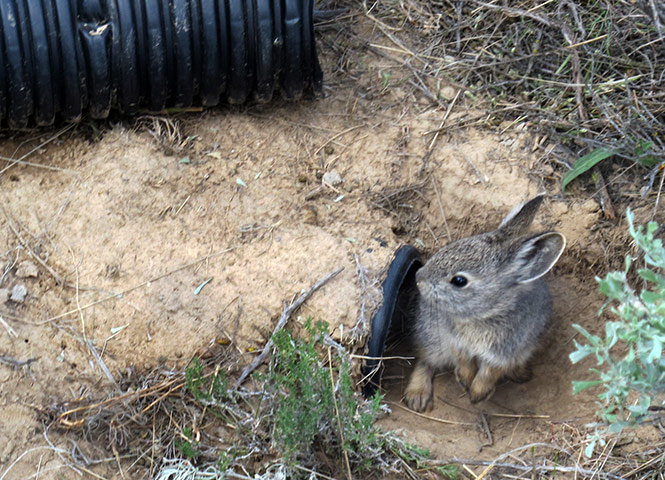
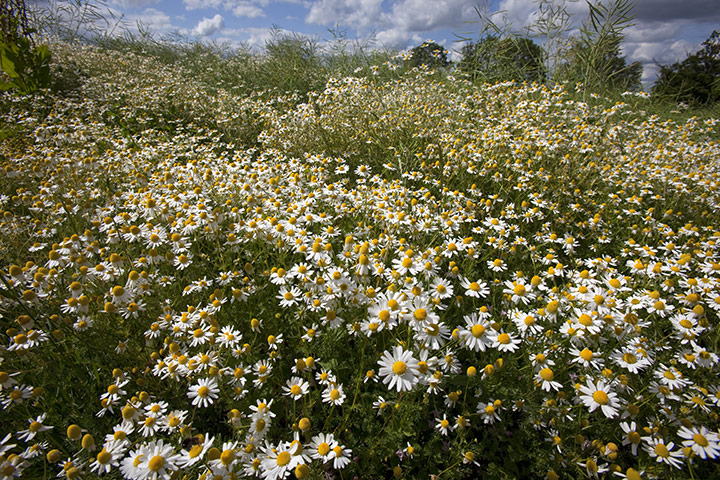
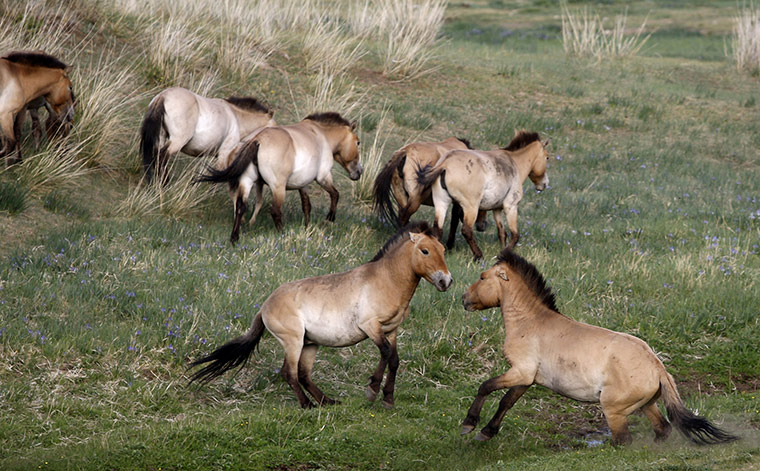
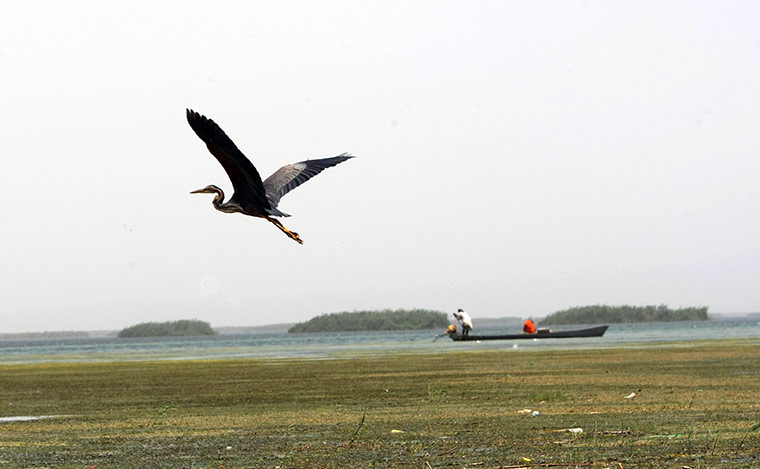
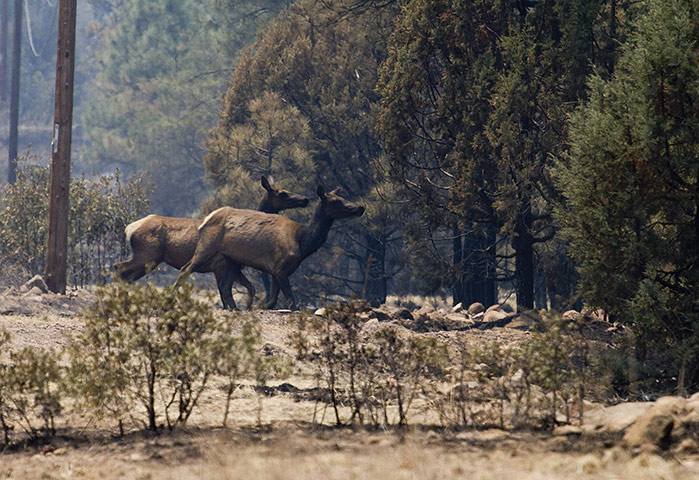
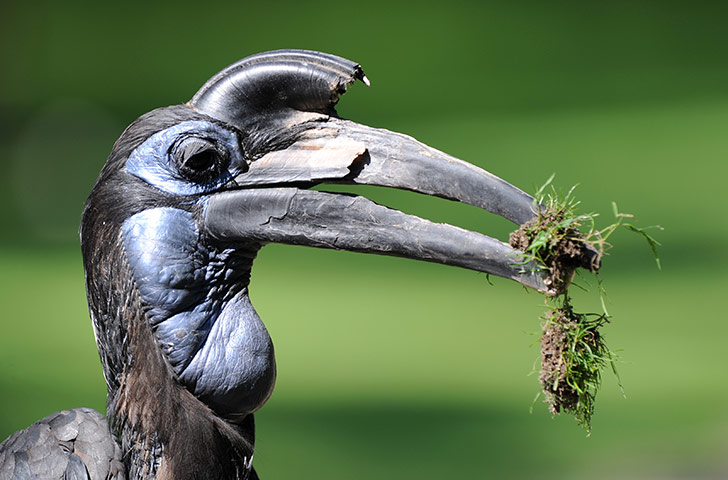
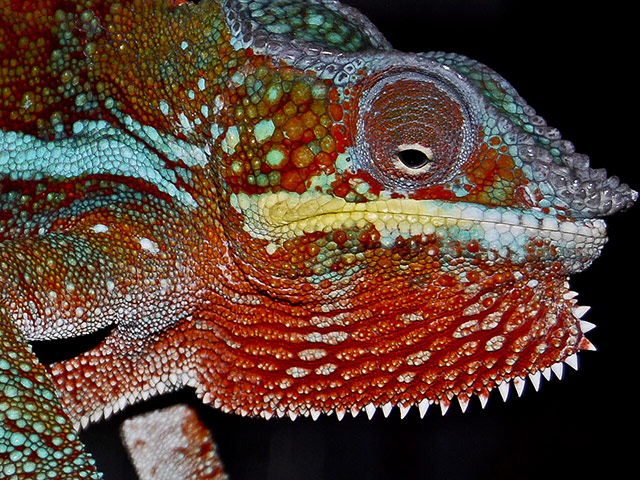
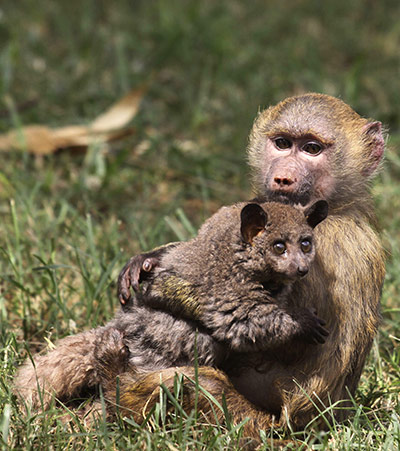
A golden eagle feeds its chick on their nest in remote marshland near Konny Bor, BelarusPhotograph: Vasily Fedosenko/ReutersAn as-yet-unnamed baby South American fur seal plays with mum Nina at Bristol zoo. The zoo is currently seeing a boom in newborns of various speciesPhotograph: Ben Birchall/PABar-headed geese (Anser indicus) in flight. Researchers from Bangor University have recently published a report into the world’s highest flying geese in the prestigious American scientific journal: Proceedings of the National Academy of Sciences (PNAS). The study found that the geese fly up and over breathtakingly high passes in the Himalayas in just eight hours without rest or the help of tailwindsPhotograph: John Downer/Getty ImagesA baby baboon plays with an adult Hellabrunn zoo in MunichPhotograph: Christof Stache/AFP/Getty ImagesArabian oryx. This species of antelope, widely believed to be the source of the unicorn legend and hunted to extinction in the wild, has been brought back from the brink, conservationists said this week. It is thought the last wild Arabian oryx was shot in 1972, but a successful captive breeding programme and reintroduction efforts mean its population now stands at 1,000 in its wild home of the Arabian peninsulaPhotograph: Ahmed Jadallah/Reuters/CorbisSome 1.2 tonnes - more than 1,000 brown bear paws - were sniffed out by Customs dogs in Russia. Also found with the paws were 26 moose snouts, four lynx pelts and five mammoth tusksPhotograph: Blagoveshenskaya Regional CustomsA corn poppy, cornflowers and a barley stand in a field near Müncheberg, eastern Germany• Share your photos of hay meadows and wild flowers on our Flickr groupPhotograph: Patrick Pleul/AFP/Getty ImagesA thumbnail-sized juvenile Toad mountain harlequin frog is released by biologists from the Smithsonian Tropical Research Institute in Panama after it was cleared of a lethal fungus. The endangered frogs are likely to be wiped out in the wild by the imminent arrival of chytrid fungus, a disease that has decimated amphibian species across the globe in recent decades. Panama's Cerro Sapo is one of the few regions still partly free from the fungusPhotograph: STR/ReutersA common tailorbird (Orthotomus sutorius) approaches its nest in a tree at the forest of Khokana, on the outskirts of the capital Kathmandu, NepalPhotograph: Narendra Shrestha/EPAAn endangered Columbia Basin pygmy rabbit emerges from an artificial burrow at the Sagebrush Flats reserve near Ephrata, Washington. Wildlife experts are making one last effort to save the endangered rabbit, believed extinct in the wild since mid-2004. Some 100 pygmy rabbits are being released this time into large wire enclosures. The previous effort to reintroduce the pygmy in 2007 ended badly when they were quickly gobbled by their many predatorsPhotograph: Nicholas K. Geranios/APScentless mayweed in Hoxne, Suffolk. Scentless mayweed is abundant throughout the UK but the distribution is determined by the location of cultivated land Photograph: Graham Turner/GuardianPrzewalski horses play in the Hustai Nuruu national park in central Mongolia. Four rare wild horses were flown to Mongolia this week as part of the Prague zoo’s efforts to reintroduce the endangered species to its native habitatPhotograph: Petr David Josek/APA purple heron flies past Iraqi fisherman on the Al-Hawizeh marsh in Iraq. Saddam Hussein's draining of the Mesopotamian marshes of Iraq – recorded as the Garden of Eden in the Bible - was one of the most infamous outrages of his regime, leaving a vast area of once-teeming river delta a dry, salt-encrusted desert, emptied of insects, birds and the people who lived on them. Following the collapse of the previous regime, and the entrance of the US-led forces into Iraq in 2003, the water source was opened with 50% of the marshland flooded, allowing for the return of migratory birds and the local cultural fishing traditionPhotograph: Ahmad Al-rubaye/AFP/Getty ImagesElk run into the woods on the eastern edge of the Wallow wildfire outside Alpine, Arizona, near the state border with New Mexico. The wildfire that has roared out of control for more than two weeks through the pine forests of eastern Arizona set a record on Tuesday as the largest in state history, having consumed more than 469,000 acresPhotograph: Jim Urquhart/ReutersAn Abyssinian ground hornbill (Bucorvus abyssinicus), at the Hellabrunn zoo in Munich, southern Germany. The birds are endemic to sub-Saharan Africa Photograph: Christof Stache/AFP/Getty ImagesThailand’s pet dealers are supplying large numbers of Madagascar’s most threatened reptiles and amphibians to local and international markets, a new report from the wildlife trade monitoring network Traffic has found. This male panther chameleon, originating from Nosy Mangabe, Madagascar, was observed at a dealer’s house in Saraburi city, Thailand, January 2010Photograph: M Todd /TRAFFICA six-month-old yellow baboon, right, holds a three-month-old bush baby in the animal orphanage at the Kenya Wildlife Service headquarters in Nairobi, Kenya. The female baboon, abandoned by its family in Maralal in northen Kenya, is taking care of the three-month-old bush baby, that was also abandoned by its family in central KenyaPhotograph: Khalil Senosi/AP
Sign up to read this article
Read news from 100’s of titles, curated specifically for you.





.jpg?w=600)