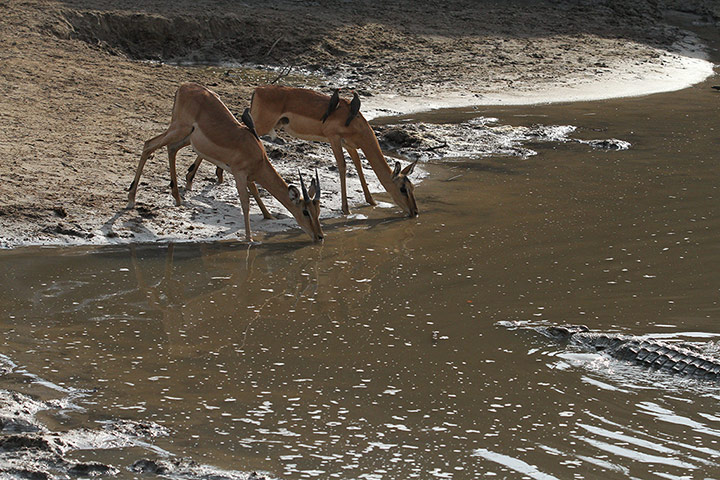
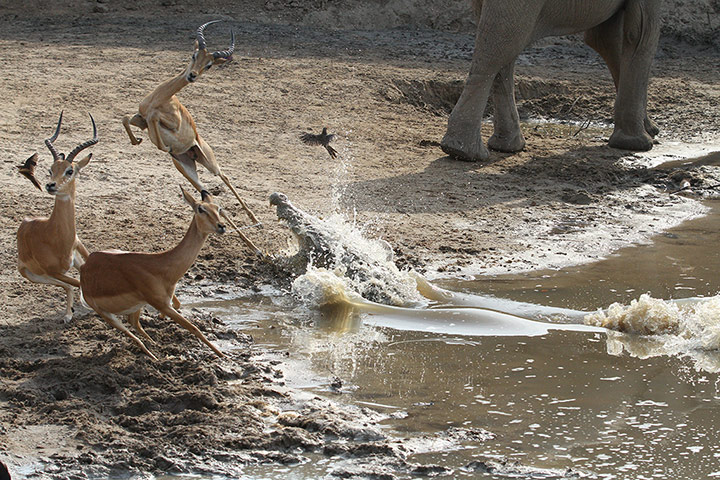
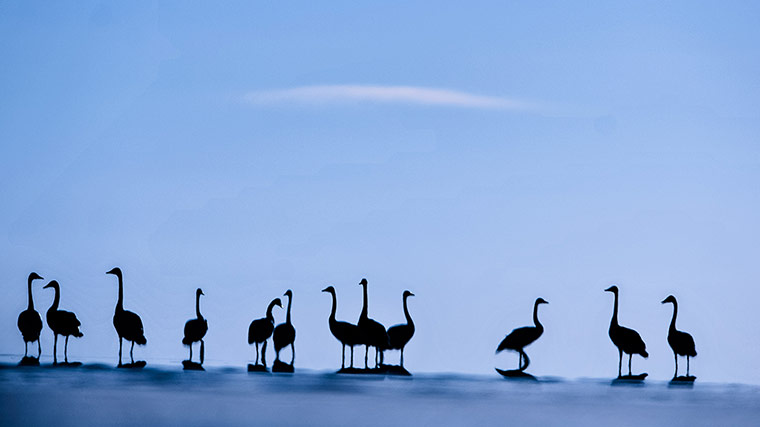
Two impala drink from a river as a crocodile approaches in South Luangwa national park in Zambia. The crocodile moved slowly on the surface of the water and then hid at the very edge of the river bank. It was spotted by an elephant, who unsuccessfully tried to shepherd the impala away from the riverside - even trying to stamp on the submerged crocodilePhotograph: Rob Brookes/Barcroft MediaEventually the crocodile attacked, but was thwarted by the impala's quick reactions. The dramatic images were captured by amateur photographer Rob BrookesPhotograph: Rob Brookes/Barcroft MediaBirds are seen silhouetted at Qinghai Lake, north-west ChinaPhotograph: Wu Gang/Corbis
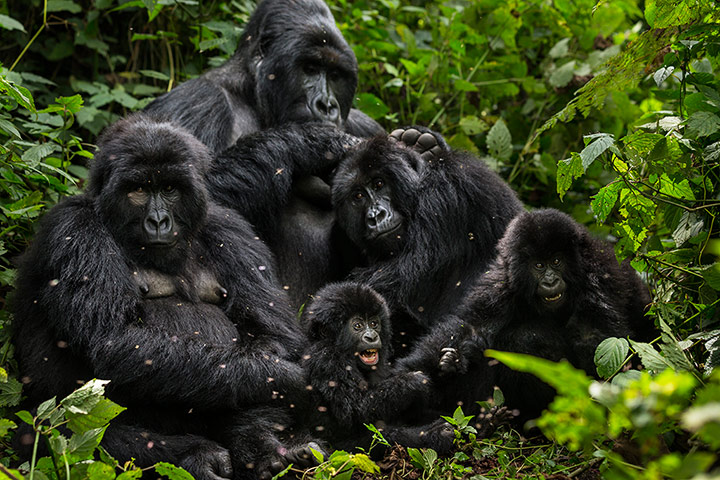
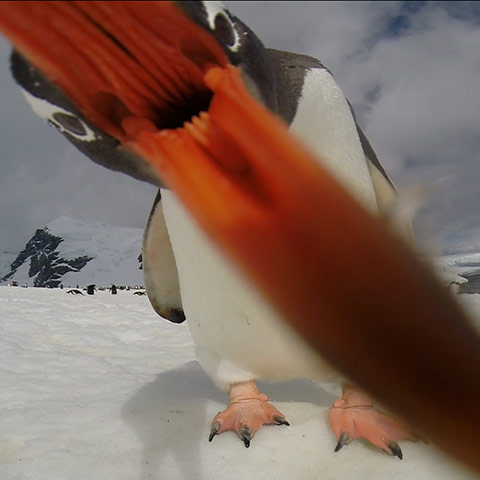
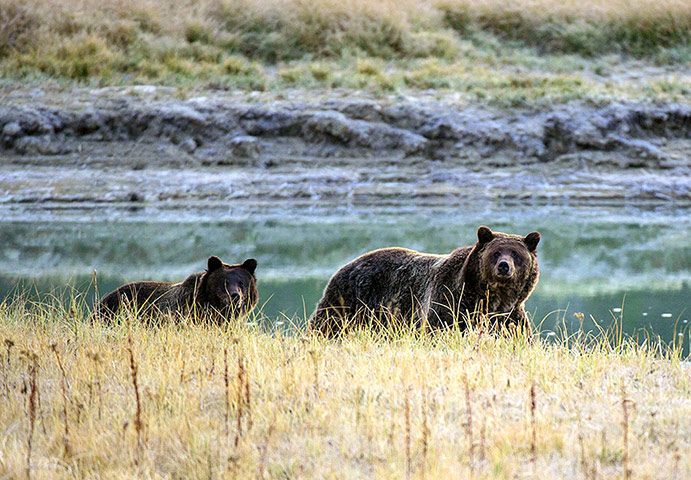
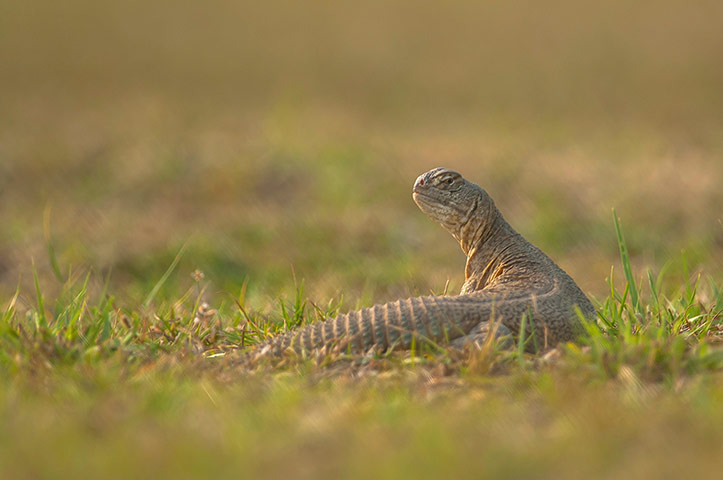
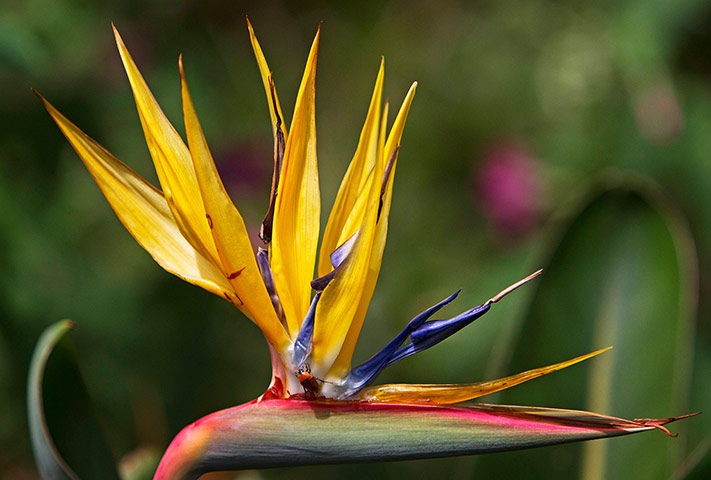
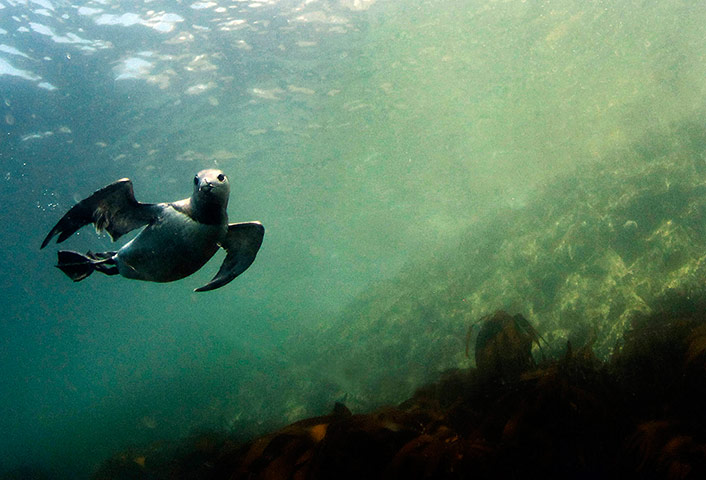
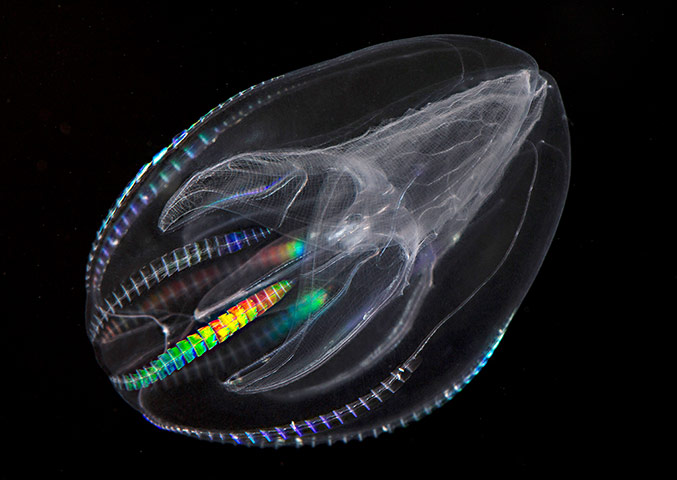
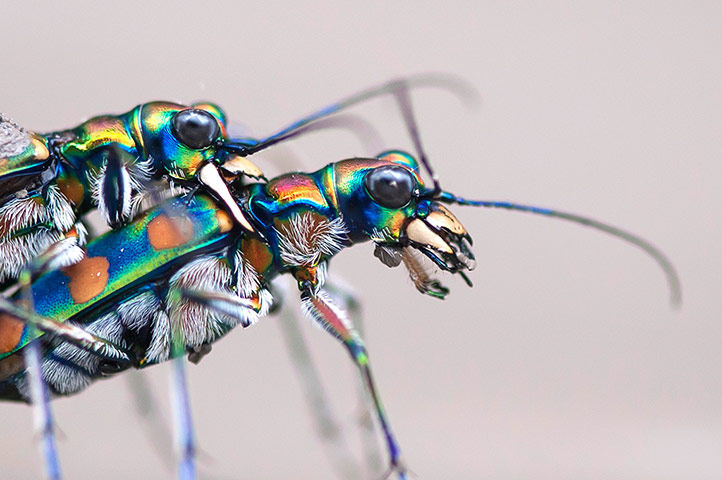
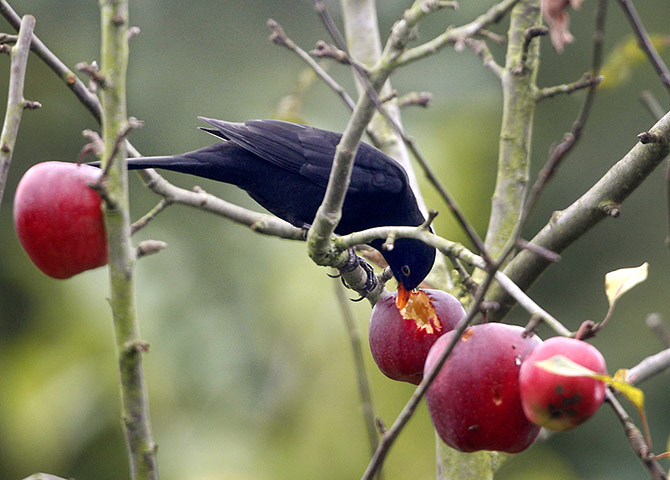
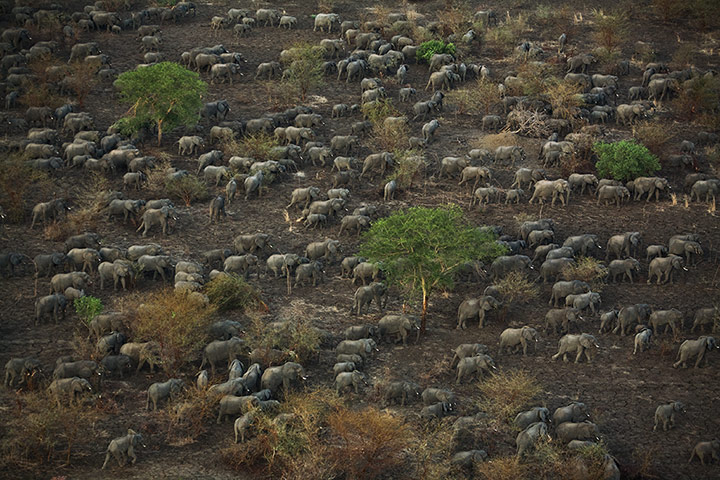
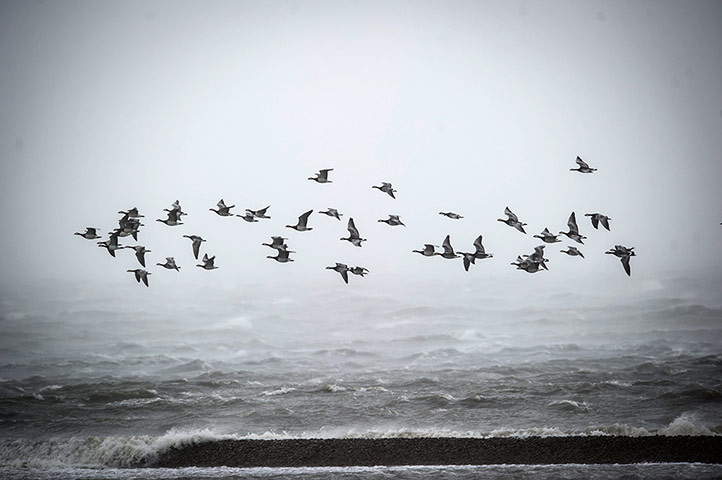
A stag and deer race across a snow-covered meadow in Neustadt am Rübenberge Photograph: Alexander Körner/CorbisVirunga, in the Democratic Republic of the Congo, is Africa's oldest national park and a world heritage site. Its rainforests, volcanoes and rare wildlife attract tourists and its natural resources support more than 50,000 people. But the park is at risk of becoming Africa's newest oil field after London-based oil company Soco announced exploration plans. Virunga is home to one-quarter of the world’s critically endangered mountain gorillas, which have been a source of tourism revenue in peaceful times. A series of images taken by Brent Stirton is being used in WWF's Draw the Line campaign, which aims to protect the park from oil explorationPhotograph: Brent Stirton/WWFA Gentoo penguin tries to get its beak around a GoPro camera on Cuverville Island, Antarctica. Alok Jha, science correspondent at the Guardian, is currently en route to Antarctica with the Australasian Antarctic Expedition 2013 and live blogging his journey herePhotograph: Alex Cowan/Barcroft MediaA grizzly bear mother and her cub near Pelican Creek, Yellowstone national park, Wyoming. US wildlife managers have recommended lifting endangered species protection for grizzly bears in the park, which - if approved - could open the way for them to be hunted againPhotograph: Karen Bleier/AFP/Getty ImagesA Hardwicke's or Indian spiny-tailed lizard at the Tal Chhapar sanctuary in Rajasthan, IndiaPhotograph: Arkaprava Ghosh/Barcroft IndiaAn insect on a 'Mandela's gold' (Strelitzia Reginae) bird of paradise flower in the Kirstenbosch national botanical gardens in Cape Town. The yellow flowering variety was named after former South African president Nelson Mandela, who died last weekPhotograph: Stringer/ReutersA guillemot dives underwater near the Farne Islands, northern England. The islands, which lie off the Northumberland coast, are home to a huge array of wildlife. Owned and protected by the the National Trust, they host some 23 species of seabird, as well as a substantial colony of grey sealsPhotograph: Nigel Roddis/ReutersThe comb jelly may represent 'the earliest branch of the animal tree' and not sponges as previously thought, scientists sayPhotograph: Stefan Siebert/Brown University/APA pair of spotted tiger beetles mating on the banks of Jayanti River in the Buxa national park in Alipurduar, IndiaPhotograph: Arkaprava Ghosh/Barcroft IndiaA blackbird eating apples from a garden tree. Sir David Attenborough has warned that cats are killing huge numbers of birds in British gardensPhotograph: Roland Weihrauch/ CorbisA large elephant group heading toward the Salamat River, Zakouma national park, Chad. Award-winning photographer Michael Nichols' book tells the story of elephants through pictures taken over 20 years in Africa - watch the audio slideshow herePhotograph: Michael Nichols/Getty ImagesBirds fly above the waves in Langeness, Germany. Hurricane-force Xaver struck northern Europe on Thursday night, killing six people and causing flooding, damage and transport disruption across Poland, Germany, the Netherlands and southern SwedenPhotograph: Maja Hitij/Corbis
Sign up to read this article
Read news from 100’s of titles, curated specifically for you.