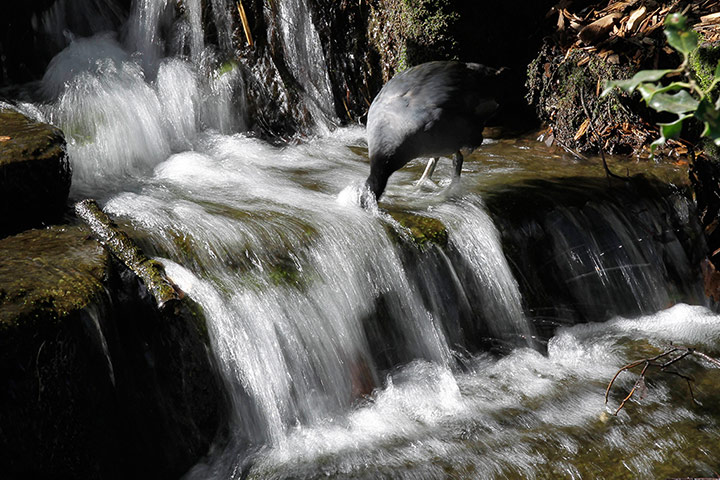
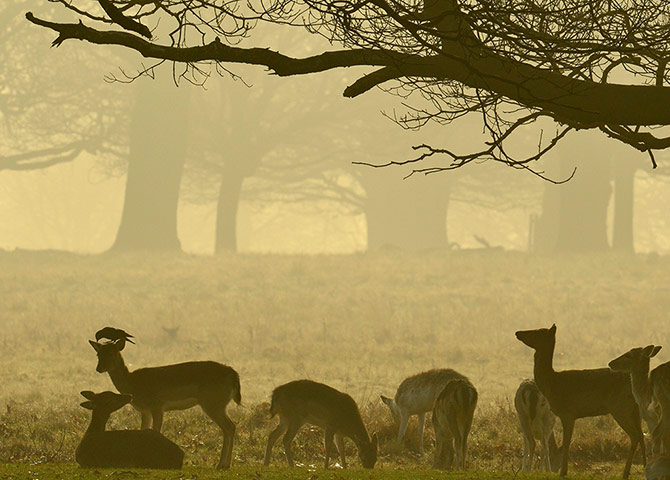
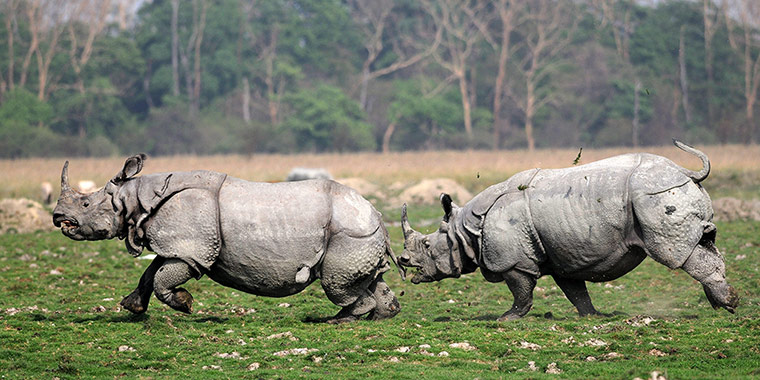
A bird dips its head into a waterfall at Carshalton Pond in south London. Britain enjoyed warm weather this week with temperatures rising to over 20C (68 Fahrenheit) compared with highs of 11-12C (52-54F) that are the norm for this time of year. Share your photos of water on our Green shoots groupPhotograph: Sang Tan/APA bird sits on the head of a deer shortly after dawn in Richmond Park, south-west LondonPhotograph: Toby Melville/REUTERSA male greater one-horned rhino is chased away by another male in the Pobitora wildlife sanctuary, north-east India. The population of these rhinos, also known as Nepalese rhinos, is on the increase, figures show. A recent census at the park recorded 93 of the animals, up from 84 in the last census in 2009. Another 100 have been counted in the Rajiv Gandhi national park in Orang. The rising numbers are due to an intensive effort by authorities to guard the animals from poachers and to involve villagers living around the reservesPhotograph: STR/EPA
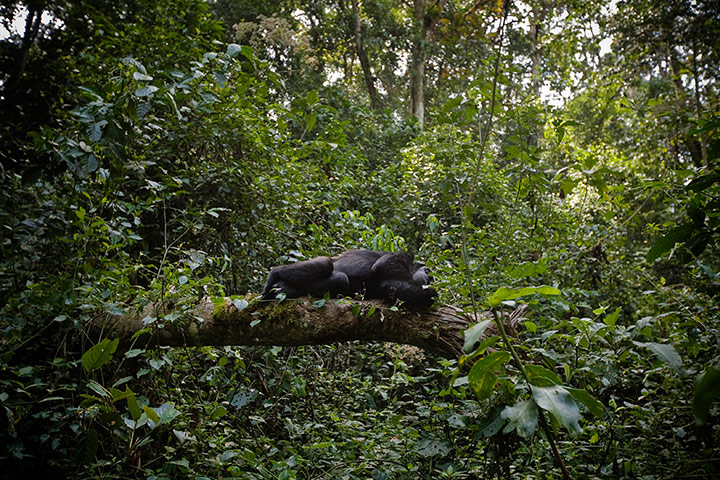
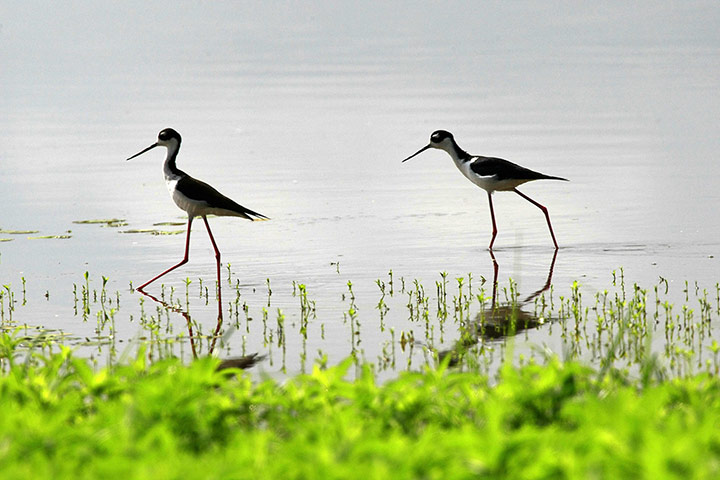
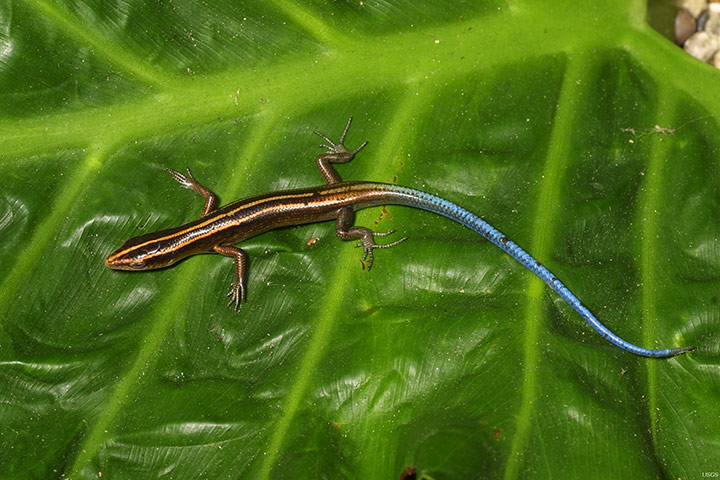
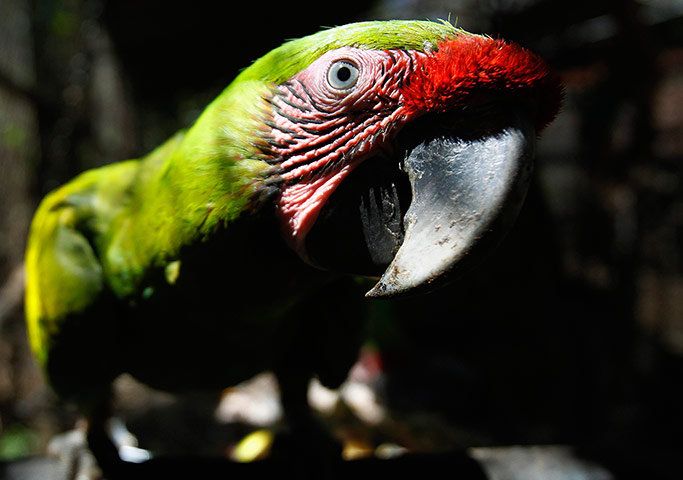
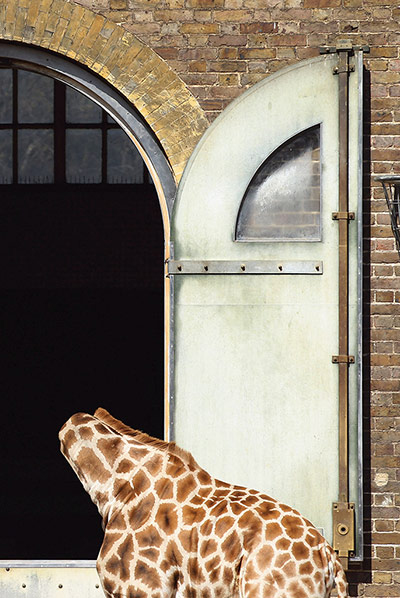
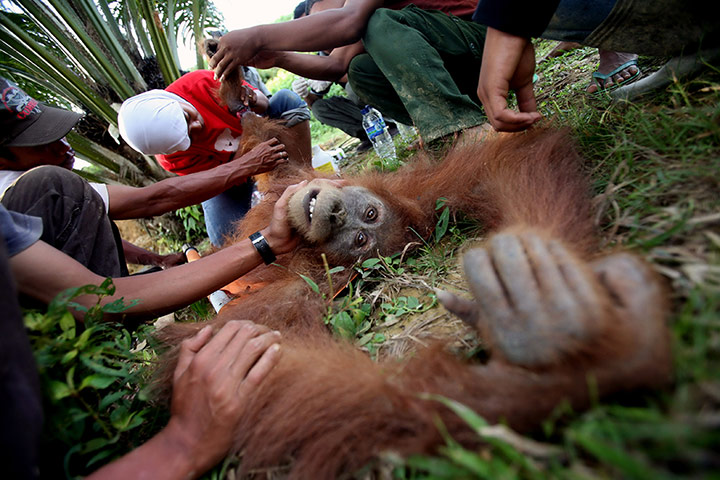
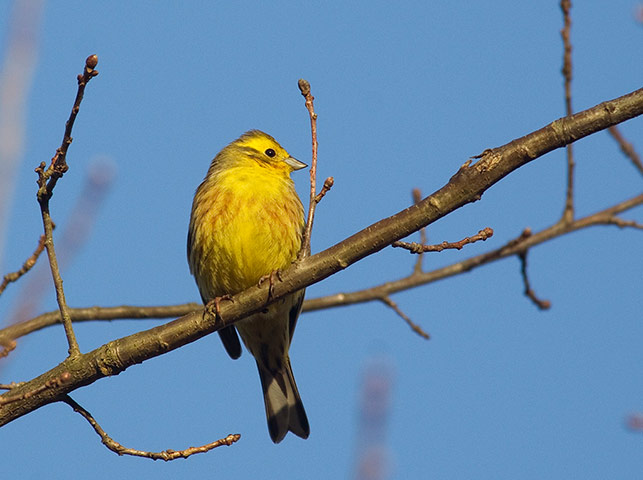
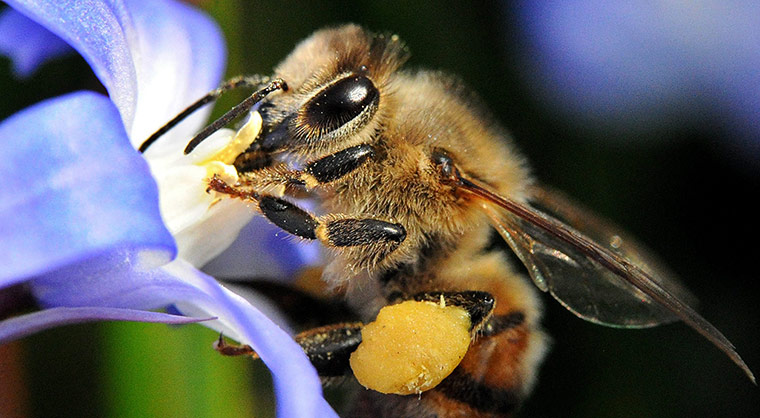
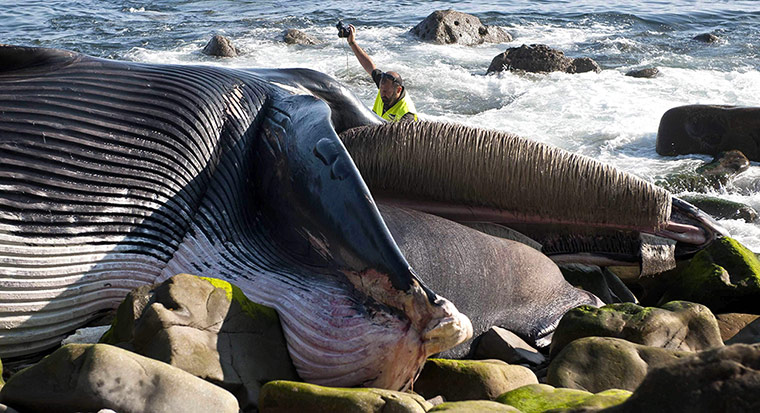
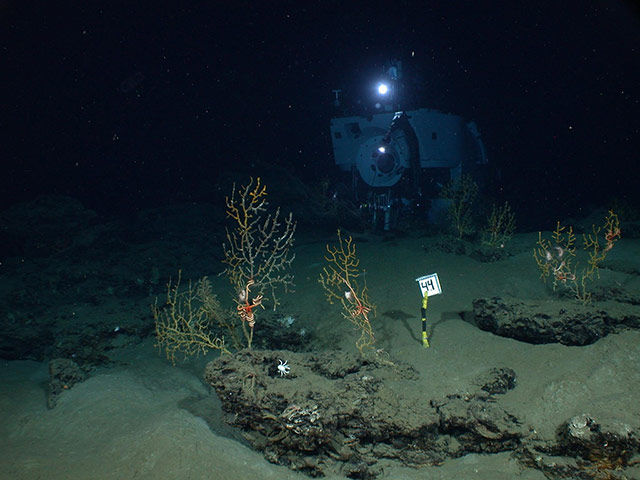
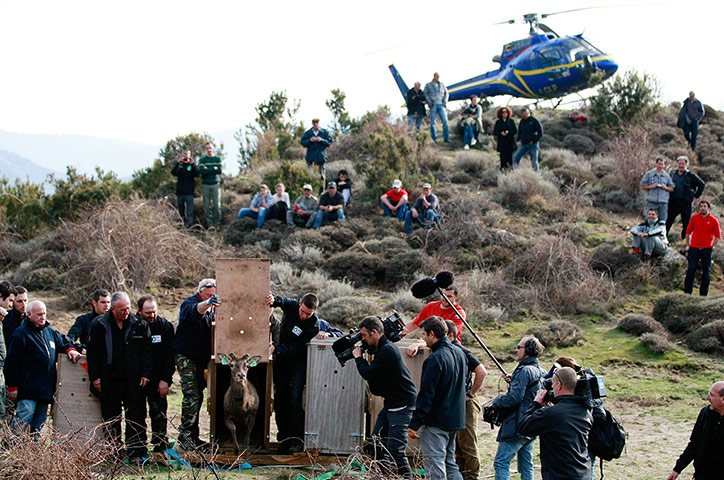
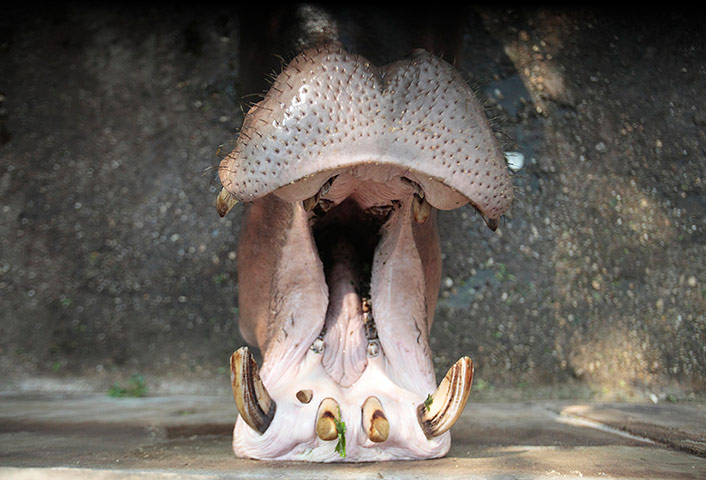
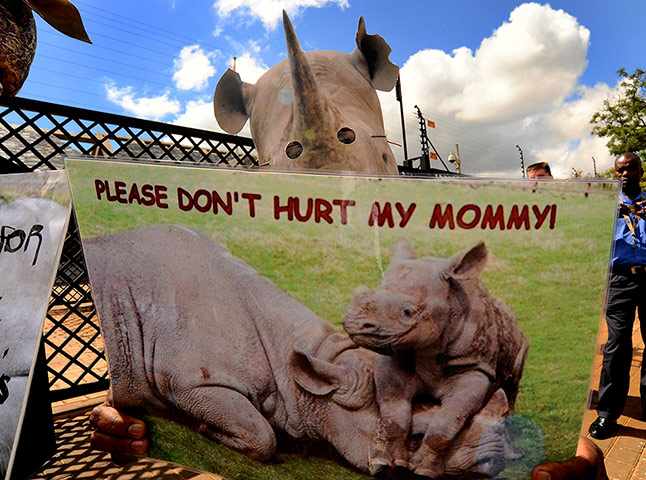
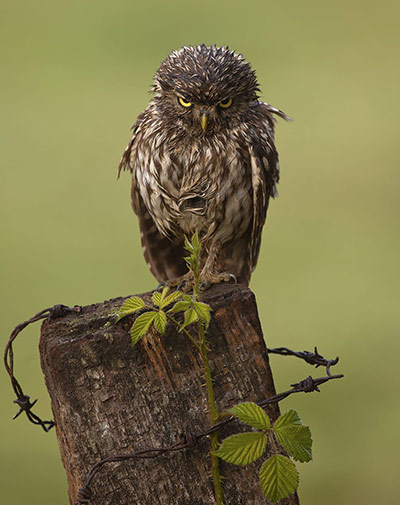
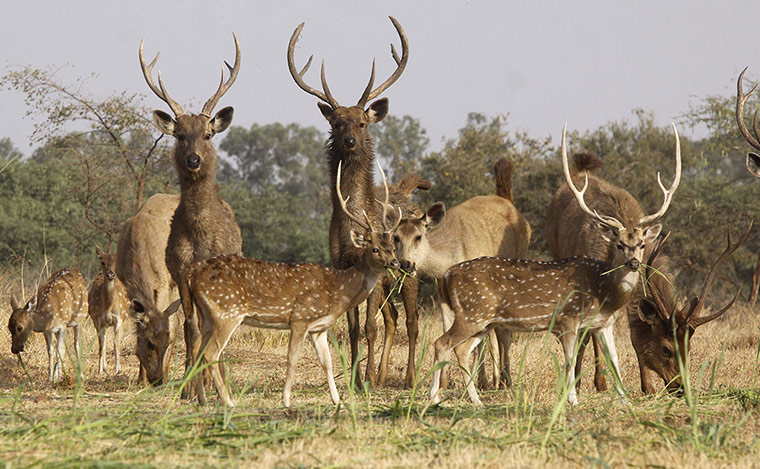
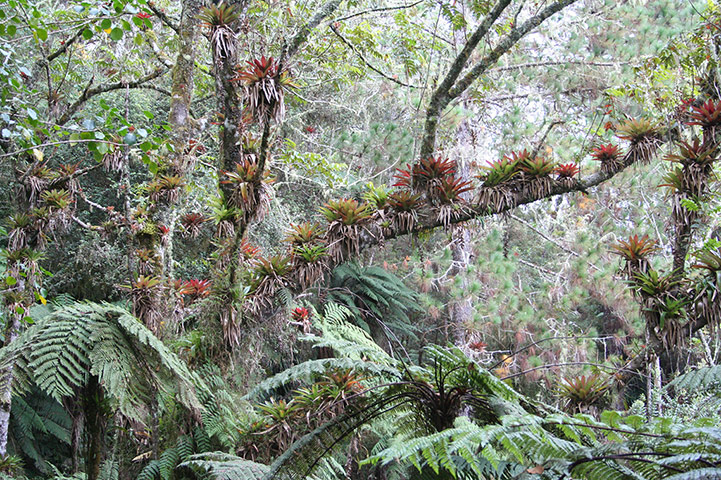
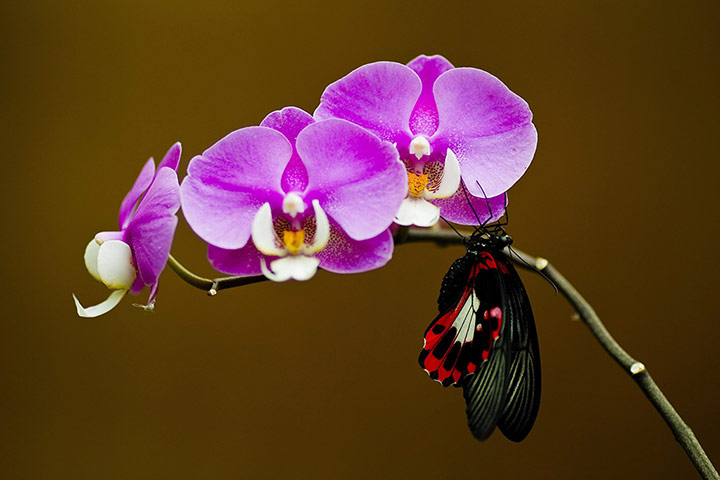
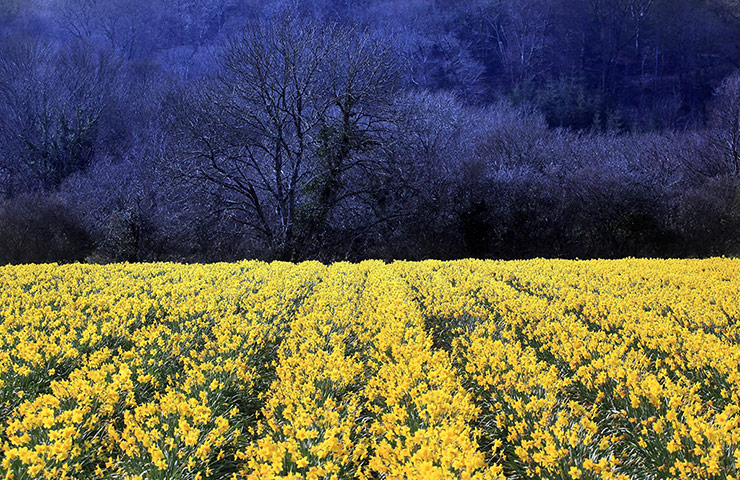
A chimpanzee in an area of Kibale rainforest that is part of a project aiming to reforest more than 10,000 hectares of indigenous forest in UgandaPhotograph: Kate HoltTwo blacknecked stilts at Cano Negro wildlife refuge, Costa RicaPhotograph: Jeffrey Arguedas/EPAA species of lizard native to the Hawaiian Islands, the copper striped blue-tailed skink (Emoia impar), is now officially extinct. The species was once common throughout the Hawaiian Islands and is still found on other island groups in the tropical Pacific. The last sighting was in the Na’Pali coast of Kauai in the 1960s. But repeated field surveys on Kauai, Oahu, Maui and Hawai’i islands from 1988 to 2008 have yielded no sightings or specimensPhotograph: Chris Brown/USGSA great green macaw at a nursery of the ARA project in Alajuela, Costa Rica. The ARA project is dedicated to the conservation and protection of two native macaw species of Costa Rica, the endangered great green macaw and the scarlet macaw, both of which are endangered due to deforestationPhotograph: Juan Carlos Ulate/ReutersA young giraffe stands with its head in the shade at London zooPhotograph: Dan Kitwood/Getty ImagesVets examine an injured Sumatran orangutan found by environmental activists at a palm oil plantation in Aceh province, Indonesia. Conservationists say fires in an Indonesian swamp forest may have killed one-third of the rare Sumatran orangutans living there Photograph: Binsar Bakkara, File/APA yellowhammer sits on a branch in a forest in BelarusPhotograph: Vasily Fedosenko/ReutersA bee sits on a glory-of-the-snow flower (Chionodoxa luciliae) in a beer garden in Hanover, GermanyPhotograph: Julian Stratenschulte/EPAA volunteer of the environmental group Ambar examines the corpse of a dead whale stranded at the Elantxobe harbour in Vizcaya, northern SpainPhotograph: Miguel Tona/EPAThe robot-armed submersible Alvin searches for evidence of coral damaged by the Deepwater Horizon oil spill. Scientists found 'compelling evidence' of pollution damagePhotograph: Chuck Fisher of Penn State University/Timothy Shank of WHOI/PAA deer is released during a reintroduction operation near the Corsican village of Letia, near AjaccioPhotograph: Pascal Pochard Casabianca/AFP/Getty ImagesA hippopotamus opens its mouth wide at Yangon zoo, BurmaPhotograph: STR/ReutersActivists take part in a protest against rhinoceros poaching outside the Chinese embassy in Pretoria. Four staff members at South Africa's flagship Kruger national park have been arrested on suspicion of killing rhinos and selling their horns to criminal syndicates, the park service said this week. Home to more than 90% of the continent's rhinos, South Africa is on the frontline of a worsening war with poachers, who send the horns to China and south-east Asia for use in traditional medicinePhotograph: Stringer/ReutersA wet little owl sitting on a tree stump after getting caught in the rain, West Sussex Photograph: Dale Sutton/Rex FeaturesA herd of deer in the Van Vihar national park in Bhopal, IndiaPhotograph: SANJEEV GUPTA/EPANew research led by BirdLife International has found that half of the world's most important sites for nature are currently unprotected. Macaya reserve in the Massif de la Hotte, south-west Haiti, is the number one site, containing 13 frog species found nowhere else in the worldPhotograph: Robin Moore/iLPCA scarlet mormon (Papilio deiphobus rumanzovia) butterfly at the Benalmadena butterfly centre, SpainPhotograph: Jorge Zapata/EPADaffodils at Fentongollan Farm near Truro, EnglandPhotograph: Matt Cardy/Getty Images
Sign up to read this article
Read news from 100's of titles, curated specifically for you.