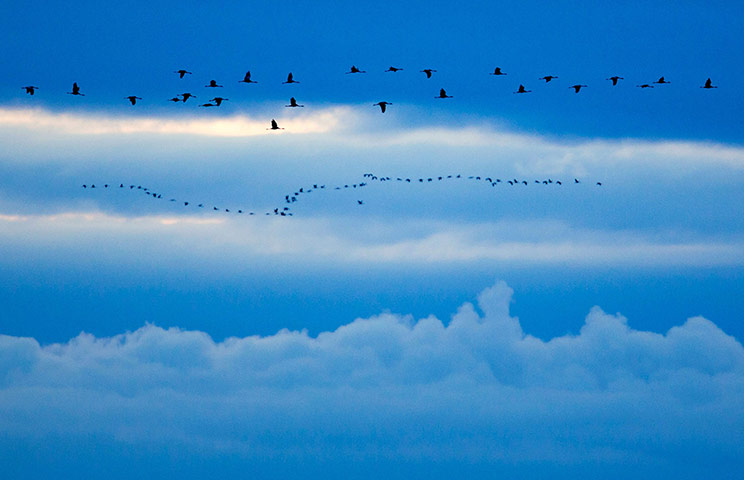
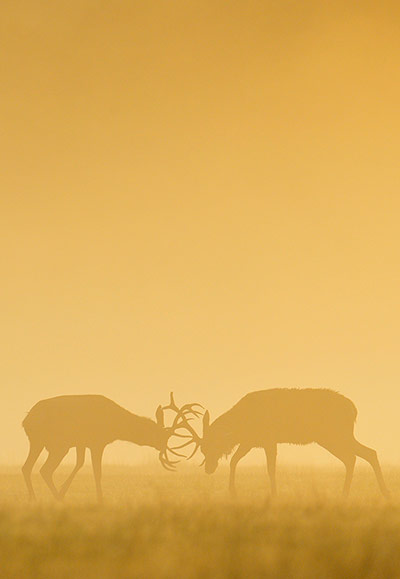
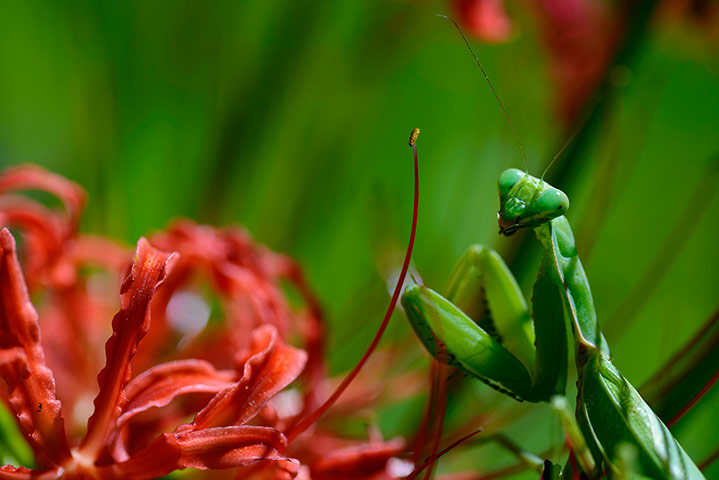
A flock of cranes fly across an evening sky to roost in Gro Mohrdorf, Germany. Every year nature lovers in the region can watch the cranes gather before they make their long trip to their winter habitatsPhotograph: Jens B Ttner/EPATwo deer clash antlers during an early autumn misty morning in Richmond Park, LondonPhotograph: Toby Melville/ReutersA European mantis (Mantis religiosa) sits on a red spider lily in full bloom at the Kinchakuda park in Hidaka, Japan. The insect is one of the most well-known and widespread species of the order Mantodea. Red spider lilies, or Higanbana, mark the end of summer and the beginning of autumnPhotograph: Franck Robichon/EPA
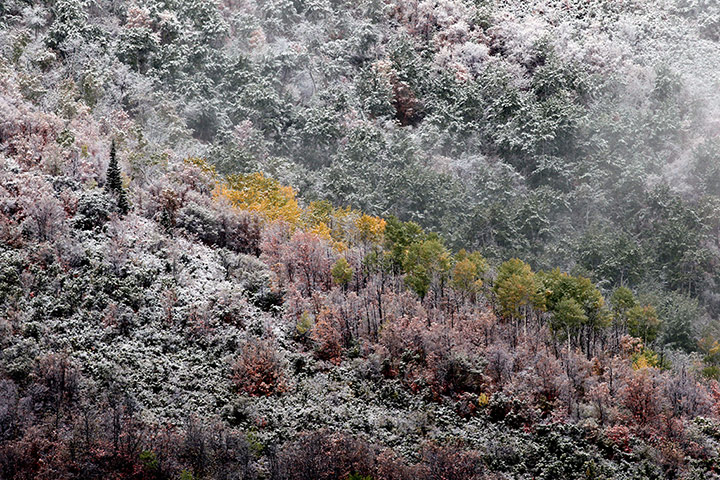
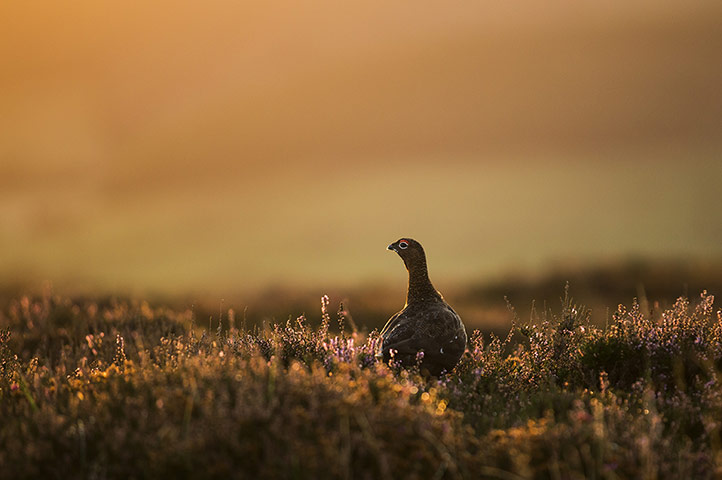
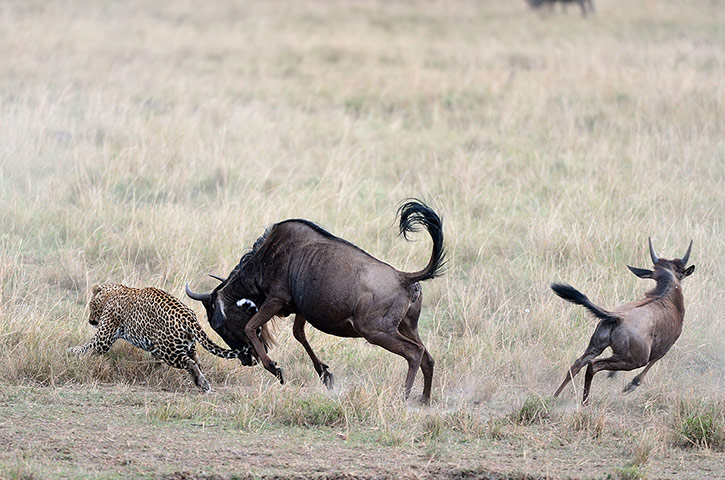
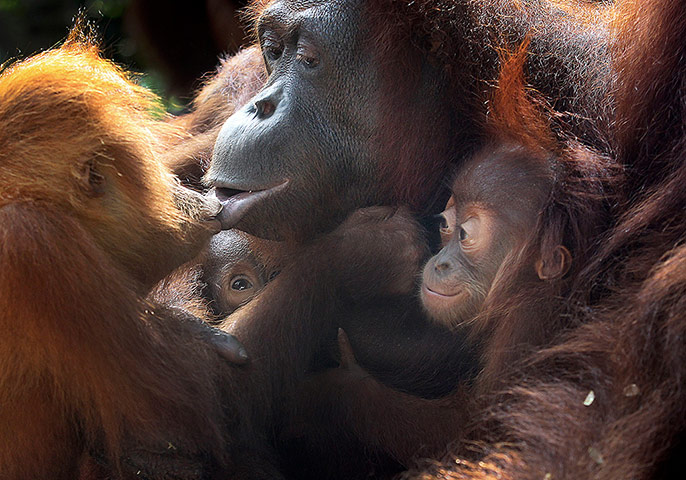
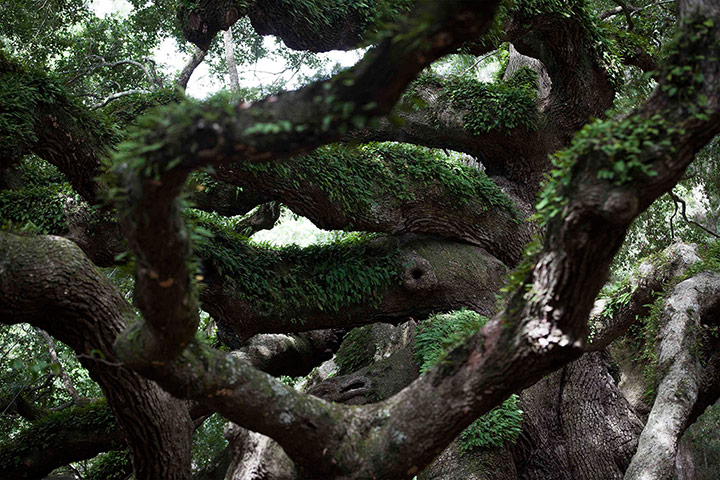
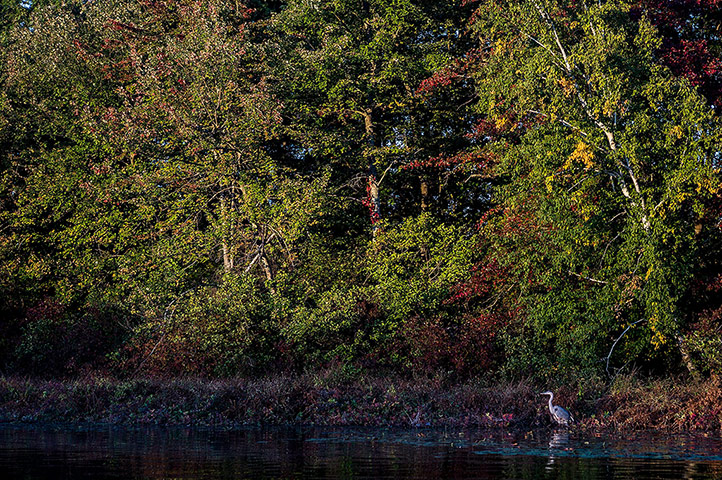
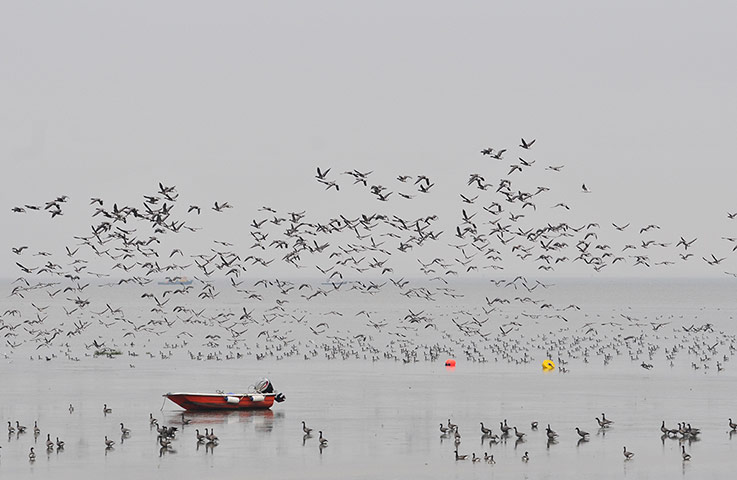
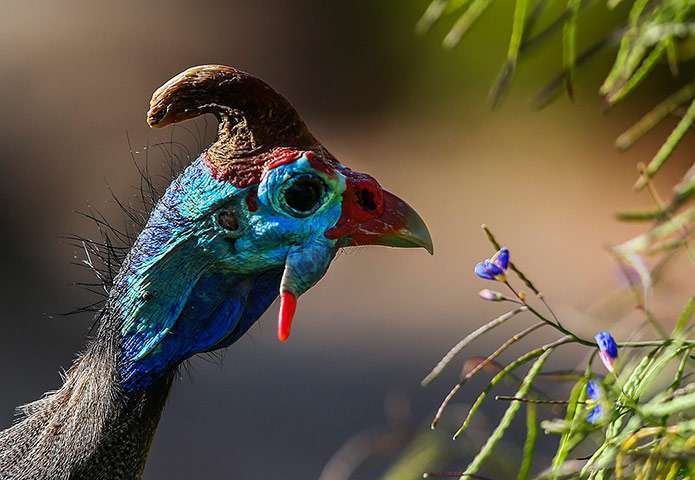
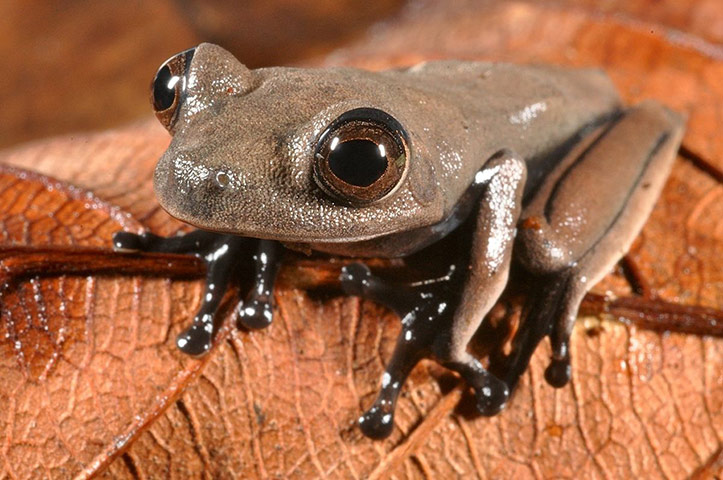
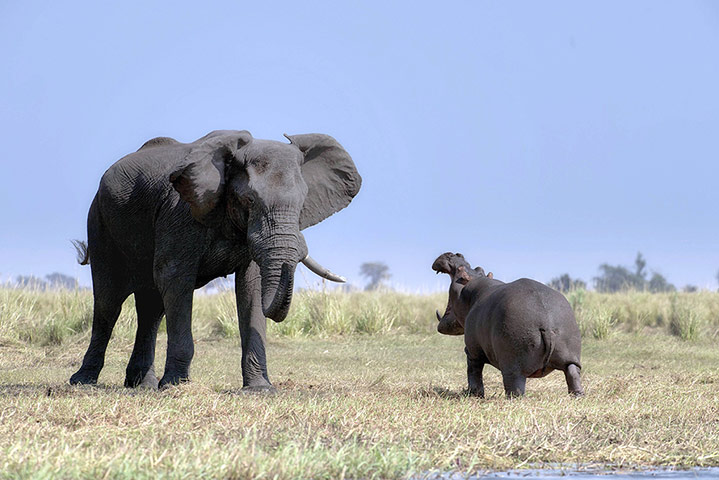
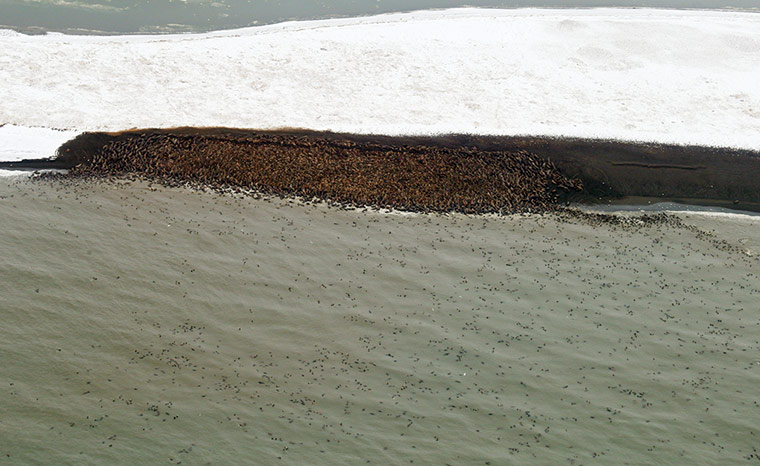
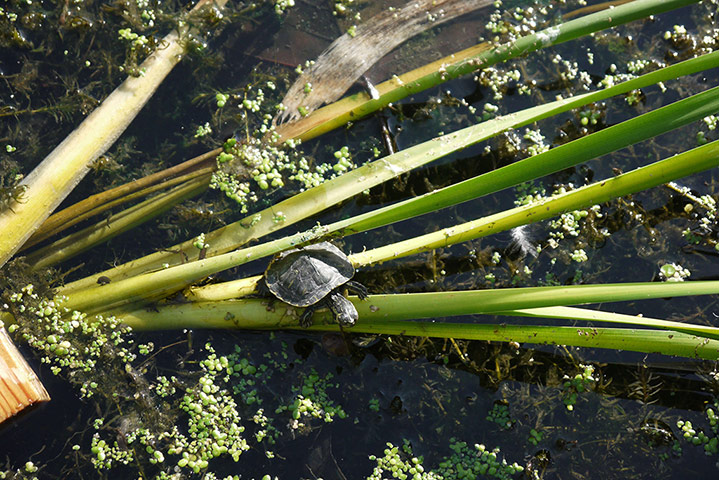
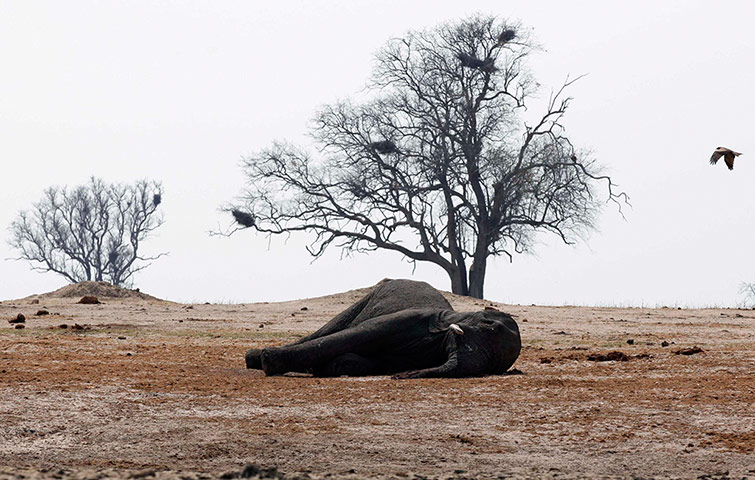
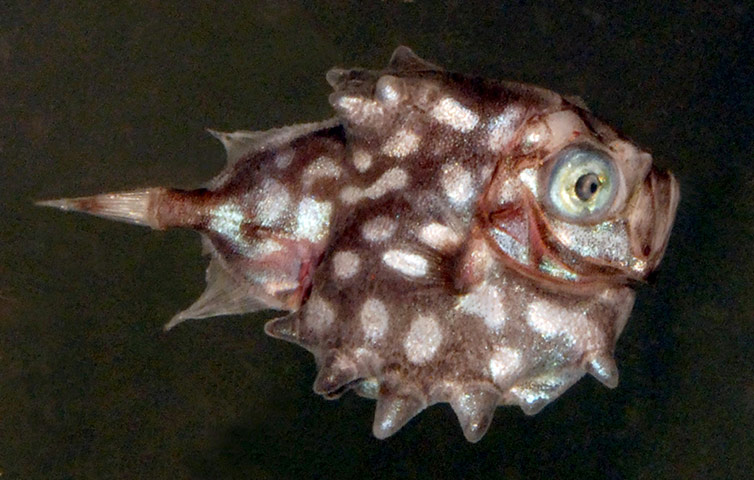
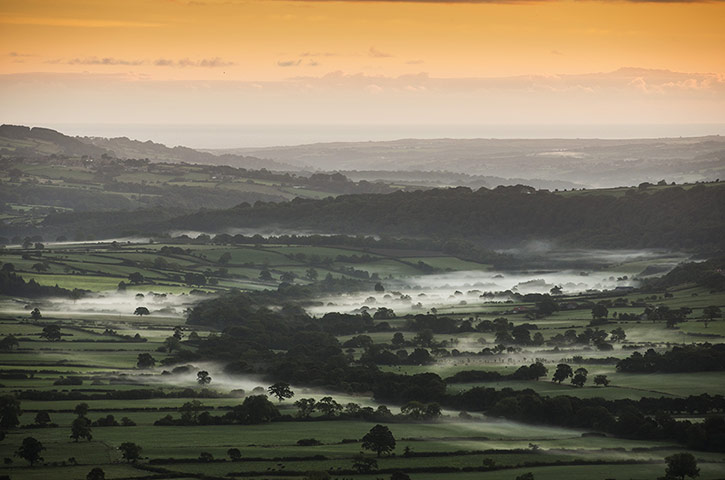
Aspen trees near the Olympic Sports Park are dusted with snow in Park City, UtahPhotograph: Al Hartmann/APA red grouse stands in the heather at sunrise near Goathland in the North Yorkshire Moors in Pickering, England. More seasonal, autumnal weather is returning to much of the UK after a late spell of warmer than average temperaturesPhotograph: Dan Kitwood/Getty ImagesA wildebeest counter-attacks a leopard after it pounced on her six-month-old calfPhotograph: Martin Farrell/Rex FeaturesTwo Bornean orangutan babies cling to their mother as the third kisses her at Singapore zoo, which exhibits both the endangered Bornean and critically endangered Sumatran sub-species in a social setting. To date, there have been 41 orangutan births in the past 40 years at the zooPhotograph: Wong Maye-E/APResurrection ferns grow on the massive branches of the Angel oak tree in Charleston, South Carolina. Massive canopy shades stretching more than 17,000 sq ft and a trunk wider than 25ft in circumference have drawn generations of visitors to the centuries-old live oak tree on an island near Charleston. A group aiming to preserve the majestic tree for decades to come is racing against a fall deadline to raise the $1.2m needed to protect surrounding land from development that environmentalists say would harm the oak's healthPhotograph: Randall Hill/ReutersA great blue heron (Ardea herodias) hunts for fish while surrounded by the changing fall foliage on the edge of the Congamond Lake in Suffield Connecticut. As the temperatures drop in the fall or autumn, the leaves turn from green to red, orange and yellowPhotograph: CJ Gunther/EPAThousands of Brent geese gather at Two Tree Island in the Thames estuary in Leigh on Sea, England. Each year Brent geese make a dangerous 2,500-mile journey across frozen land and stormy seas from Siberia to spend the winter around the UK coast with up to 10,000 settling in the Thames estuaryPhotograph: John Keeble/Getty ImagesA guineafowl, also know as Pintade, walks between flowers in the Kirstenbosch national botanical garden, Cape Town, South Africa. The garden in the foothills of Table Mountain national park, is part of the Cape floristic region world heritage site and celebrates its centenary year in 2013. It is recognised globally for its extraordinarily rich, diverse and unique fauna and floraPhotograph: Nic Bothma/EPAThis cocoa frog (Hypsiboas sp.) is among the 60 new species discovered in Suriname in South America. Scientist on a Rapid Assessment Expedition programme explored pristine forests, rivers and mountains for two weeks and catalogued a treasure-trove of species including new and rare Photograph: Stuart V Nielsen/Conservation InternationalOff my land! A fierce hippopotamus defends its territory from an elephant on an island in the Chobe River in BotswanaPhotograph: REX/Nicole Cambre/REX/Nicole CambreThousands of walruses hauling out on a remote barrier island in the Chukchi Sea near Point Lay, Alaska. An estimated 10,000 Pacific walrus have gone ashore on Alaska's northwest coast and are bunched along a beach near the village of Point Lay. The National Marine Fisheries Service said they had counted up to 10,000 – and more were piling up the beach Photograph: Stan Churches/APA hot summer could have helped non-native terrapin turtle, above, dumped in Britain's waterways to breed for the first time, experts say.The popularity of the Teenage Mutant Ninja Turtles cartoon in the late 1980s and early 1990s prompted a huge craze in owning terrapins as pets, but many were illegally dumped in the wild after they got too big to keep at home. Terrapins can live up to 40 years in the wild, where they prey on native UK species such as frogs, fish, and even ducklings, and it is not uncommon to see 'dinner plate-sized' adults swimming or basking in the sunshine in Britain's waterwaysPhotograph: Canal River Trust/PAA bird flies near the carcass of an elephant, which was killed after drinking from a poisoned water hole in Zimbabwe's Hwange national park. Ivory poachers have killed more than 80 elephants by poisoning water holes with cyanide in Zimbabwe, endangering one of the world's biggest herdsPhotograph: Philimon Bulawayo/ReutersUK scientists have released new images of life in remote parts of the global ocean, including some creatures new to science. This specimen is a juvenile ox-eyed oreo, Oreosoma atlanticumPhotograph: AD Rogers, University of Oxford/NERCMist rises in a valley near Goathland at sunrise in the North Yorkshire Moors in Pickering, EnglandPhotograph: Dan Kitwood/Getty Images
Sign up to read this article
Read news from 100's of titles, curated specifically for you.