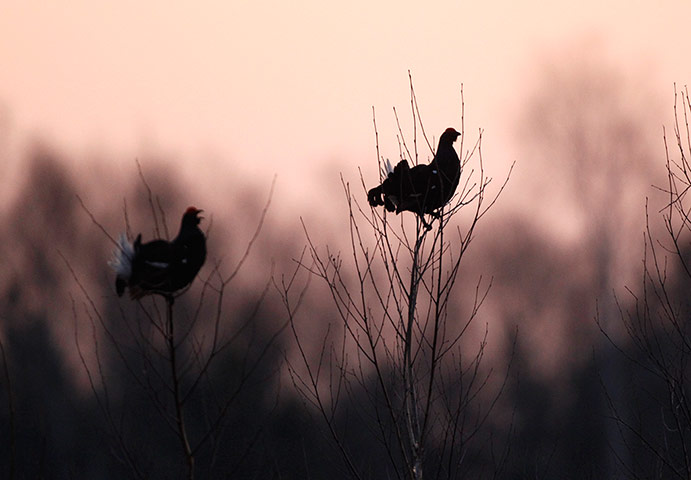
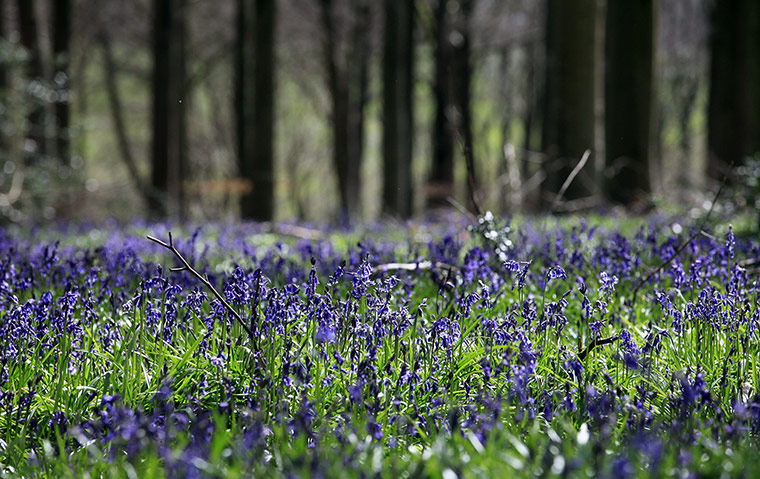
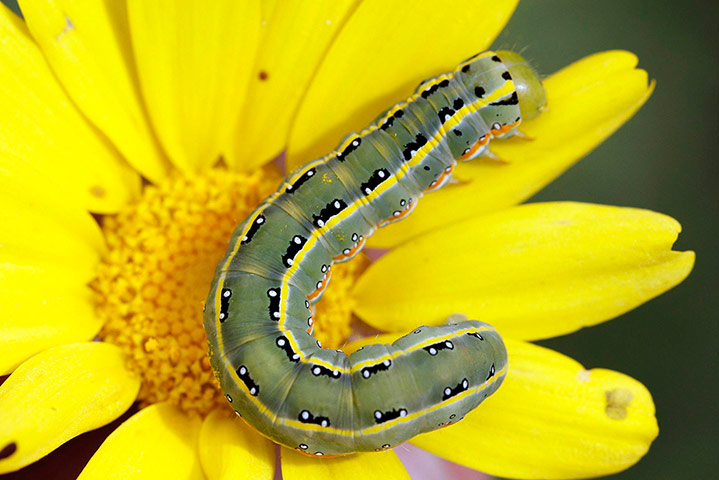
Male black grouse sit atop tree branches in a field near the village of Kamenka, 80km (50 miles) east of Belarus's capital, MinskPhotograph: Sergei Grits/APThe first of this year's bluebells grow in the Forestry Commission's West Woods near Marlborough, England. According to the National Trust, the bluebell season may be a short one to view these flowers in full bloom due to the drought in parts of the UKPhotograph: Matt Cardy/Getty ImagesA caterpillar lies on a wild flower at a farm at wadi Al-Sheta, west of Amman, JordanPhotograph: Jamal Nasrallah/EPA
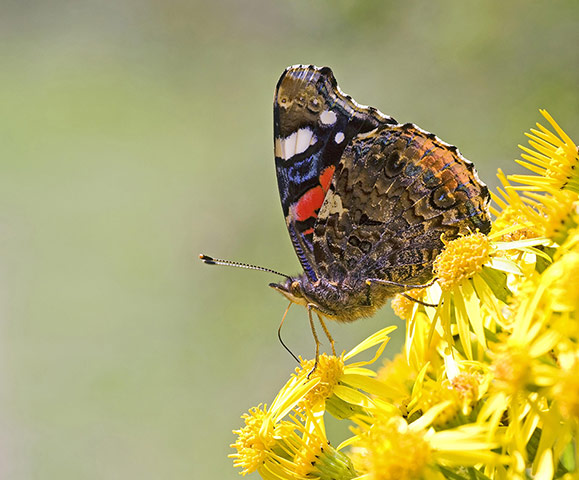
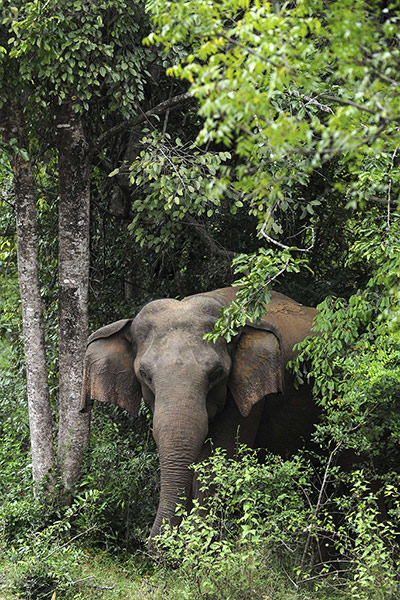
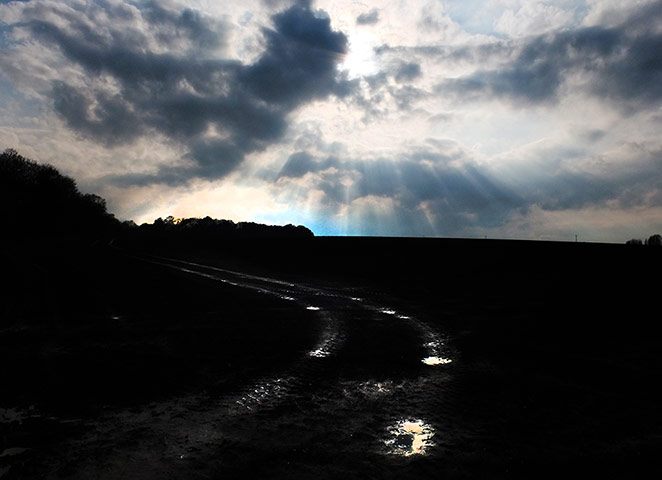
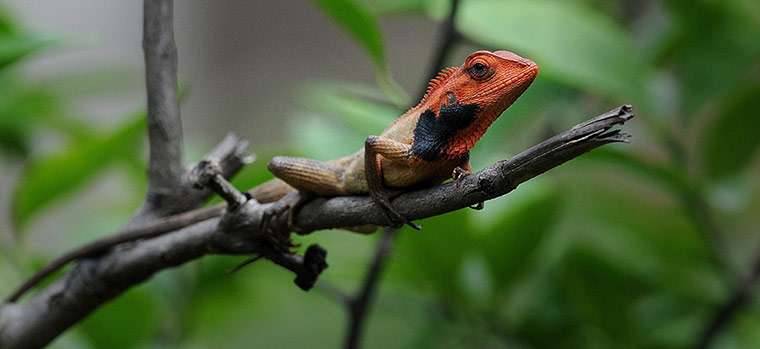
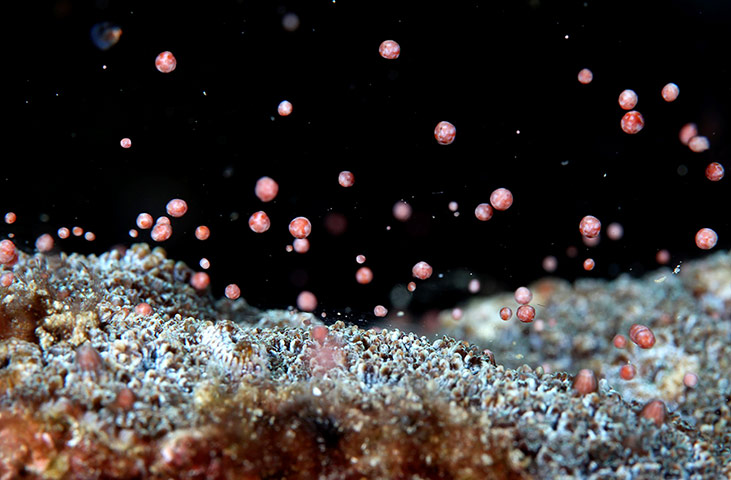
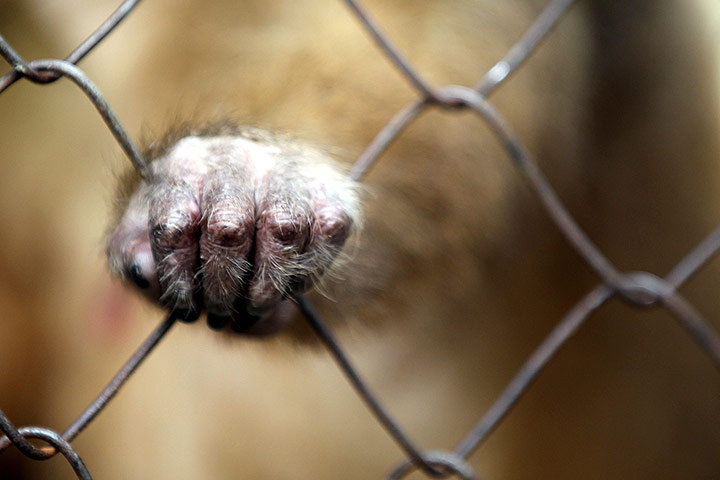
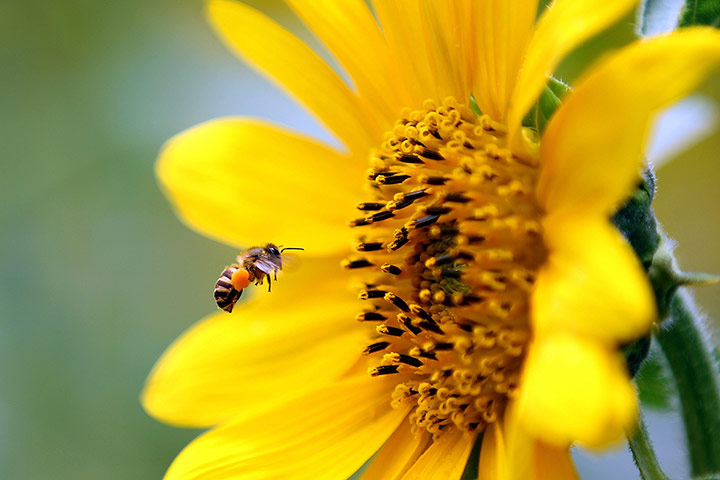
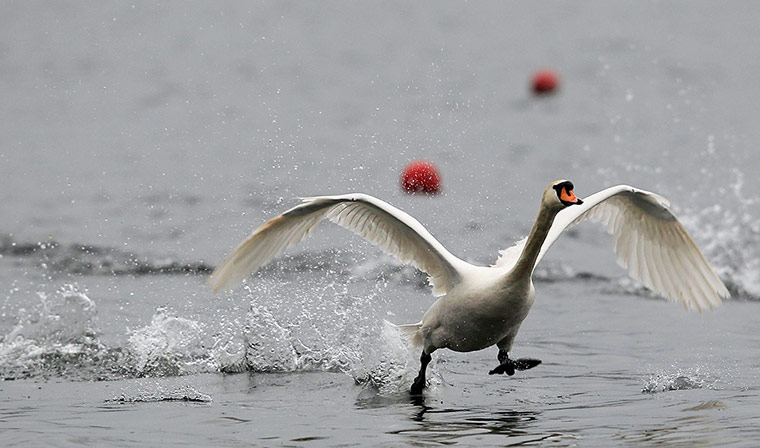
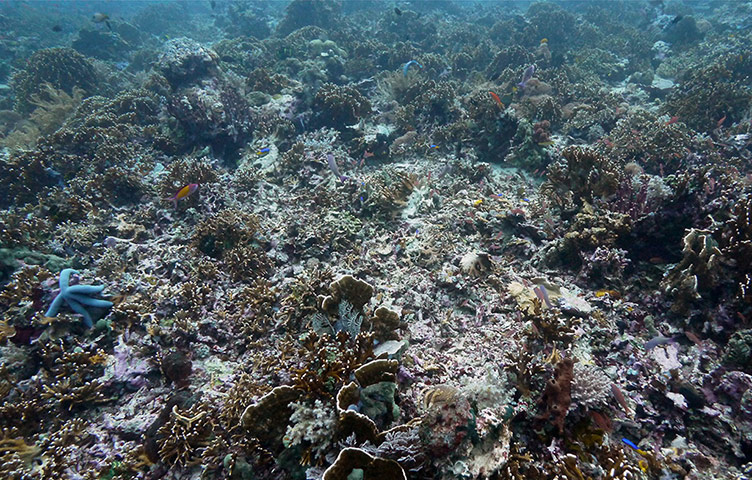
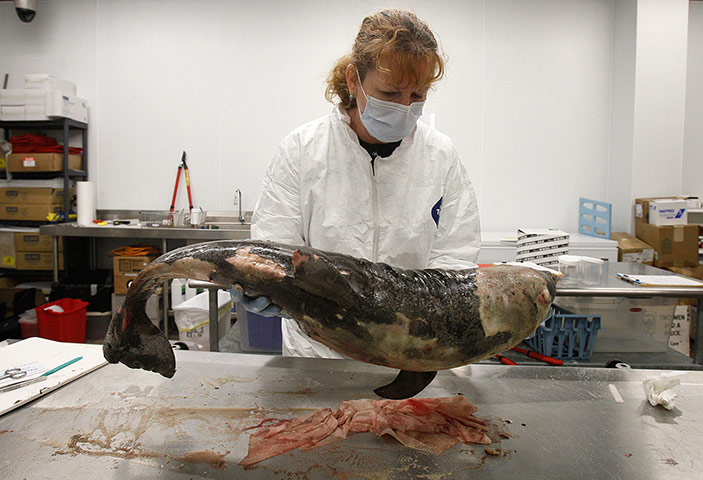
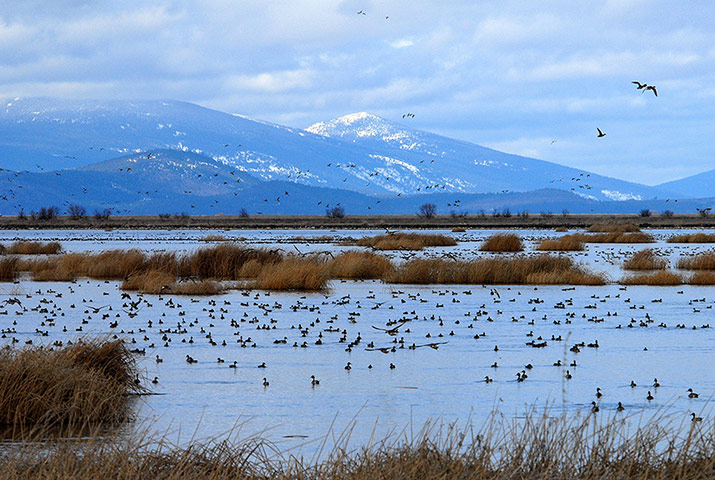
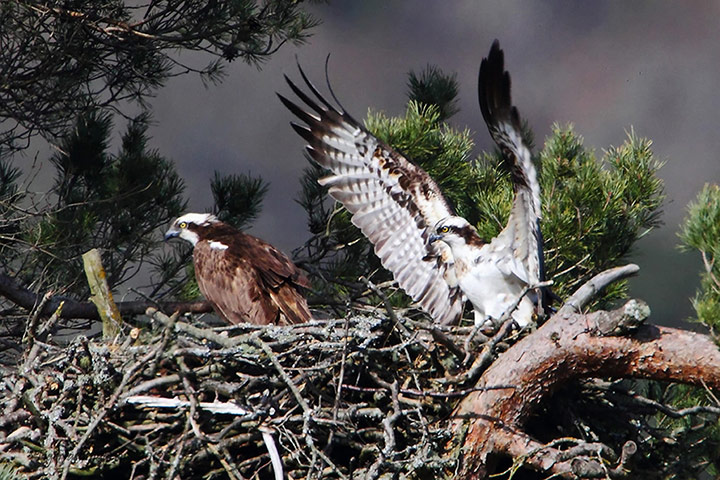
A red admiral butterfly. The populations of some of the UK's rarest butterflies are on the rise again thanks to record-breaking weather last spring. Butterfly experts said the conditions were perfect for the insects, which emerged weeks earlier than usual Photograph: Matt Berry/Butterfly Conservation/PAAs spring turns to summer, male pheasants are fighting for feeding grounds and females on farm land in Hertfordshire, EnglandPhotograph: Richard Peters/Rex FeaturesAn elephant is photographed from a road near a wildlife preservation in Habarana, Sri Lanka Photograph: Ishara S Kodikara/AFP/Getty ImagesA rainy evening, Hoxne, Suffolk, EnglandPhotograph: Graham Turner/GuardianAn Oriental Garden Lizard at the height of its breeding season sits on a branch in Guwahati city, northeast India, During the breeding season, the male's head and shoulders turn bright orange to crimson and his throat becomes black. Males are highly territorial during the breeding season. They discourage intruding males by brightening their red heads and doing 'push-ups'Photograph: STR/EPAA coral on a reef in the Kenting National Park spawns in Pingtung County, southern Taiwan on 13 April. Coral spawning usually takes place by the 23rd day of the third month of the lunar calendar, which falls on April 13 this year, according to the Taiwanese Coral Reef SocietyPhotograph: Tsai Yung-chun/Handout/ReutersA monkey hangs on to a cage at Bao Son Paradise park in Hanoi, Vietnam. Many wild animals in Bao Son Paradise were imported from Africa, such as giraffes, rhinoceros, white tiger, cheetahs. Wildlife species in Vietnam are becoming extinct due to illegal trafficking and smugglingPhotograph: Luong Thai Linh/EPAA honey bee collects flower nectar at Bao Son Paradise Park in Hanoi, VietnamPhotograph: Luong Thai Linh/EPAA brush possum on New Zealand's North Island. The brushtail possum, a cuddly-looking marsupial protected in its native Australia, has become a reviled feral pest in New Zealand, its fur providing a lucrative sideline for hunters who supply a burgeoning luxury goods industry. The noctural marsupials were introduced in the 19th century, quickly speading out of control to the point where officials estimate there are now 70 million of them, outnumbering the human population almost twenty-foldPhotograph: Animal Health Board Inc/AFP/Getty ImagesA swan flies between the rowing lanes during a training session of the British Olympic rowing teams in the Varese Lake, northern ItalyPhotograph: Stefano Rellandini/ReutersCoral reefs damaged by fishermen in the waters of Tatawa Besar, Komodo islands, Indonesia. Coral gardens off the Komodo Islands were just a few months ago teeming with clouds of brightly colored reef fish, octopi with fluorescent banded eyes and black-and-blue striped sea snakes. Today, after being pounded by increasingly brazen blast fisherman, several diving sites within the UN World Heritage Site have been transformed into desolate grey moonscapes Photograph: Michael W Ishak/APInstitute for Marine Mammal Studies veterinary technician Wendy Hatchett lifts a dead bottlenose dolphin that was found on Ono Island, Alabama, and brought for examination to Gulfport, Mississippi. More than 700 dolphins have washed up on Gulf shores in the two years since the Gulf of Mexico oil spillPhotograph: Patrick Semansky/APNorthern pintail ducks flock to the wetlands of the Lower Klamath National Wildlife Refuge during their migrations in southern Oregon in February 2009. More than 10,000 migrating birds have died from an avian cholera outbreak blamed on reduced water flows through vast marshlands of southern Oregon and northern California known as Western Everglades, federal wildlife officials said. Avian cholera, which poses virtually no risk to human health, surfaces in the region nearly every year in wetlands of the Lower Klamath National Wildlife Refuge, but the recent waterfowl die-off there is the worst in more than a decade, said Matt Baun of the US Fish and Wildlife ServicePhotograph: USFW/ReutersOspreys nesting at the Loch of the Lowes in Perthshire. An osprey that has returned to the same nesting site for more than 20 consecutive years has laid her 62nd egg. Scottish Wildlife Trust were delighted last month when the bird, nicknamed Lady, flew in for the 22nd year in a row. The egg was spotted in her nest on Saturday evening via the trust's live web cameraPhotograph: Ross Forsyth/PA
Sign up to read this article
Read news from 100’s of titles, curated specifically for you.