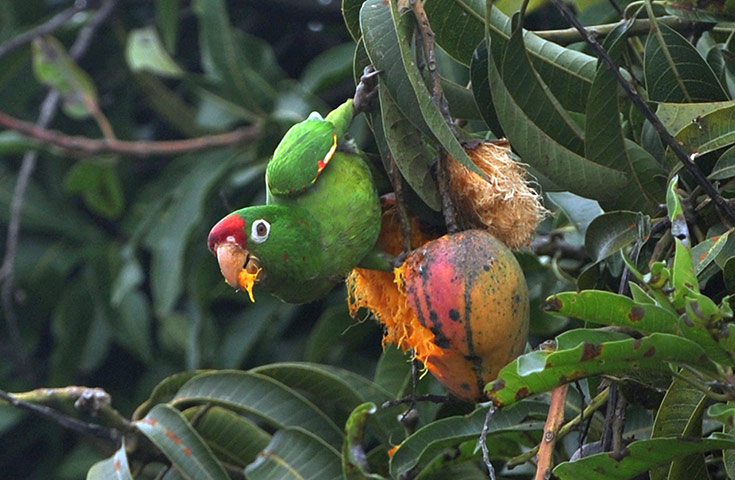
A crimson-fronted parakeet (Aratinga finschi) makes a meal of a mango in San Jose, Costa Rica Photograph: Rodrigo Arangua/AFP/Getty ImagesThe salmon spawning season in Alaska provides a fish supper (minus the chips) for these grizzly bears (Ursus arctos horribilis)Photograph: Andy Rouse /Rex FeaturesA myna fledgling and its nest, which has been knocked into the road during stormy weather in Bhubaneswar, IndiaPhotograph: Biswaranjan Rout/AP
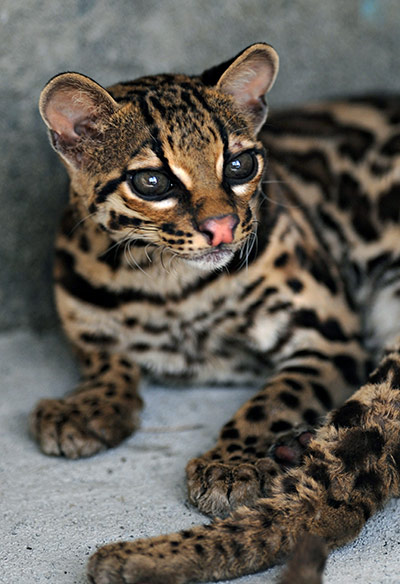
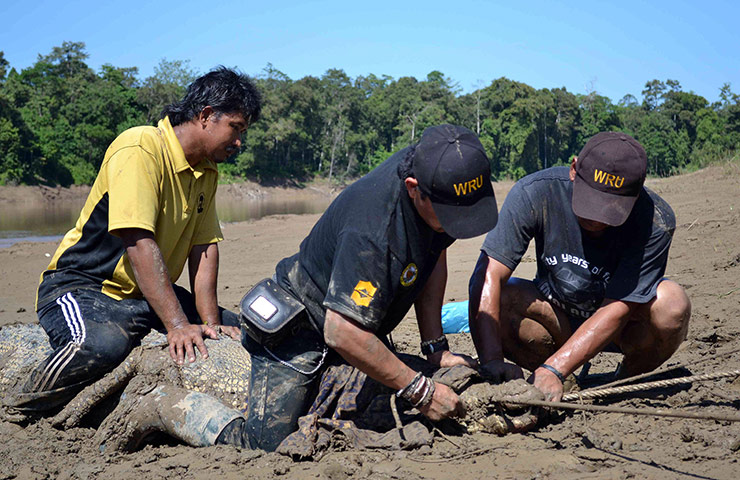
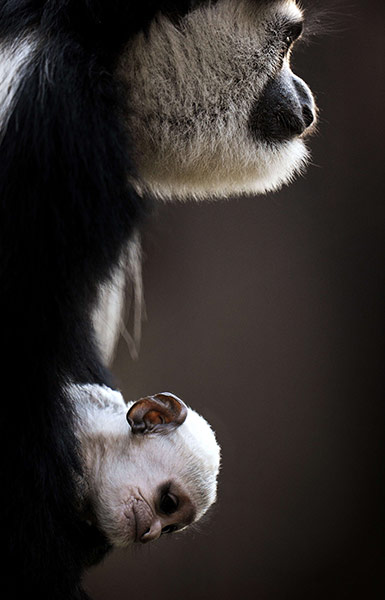
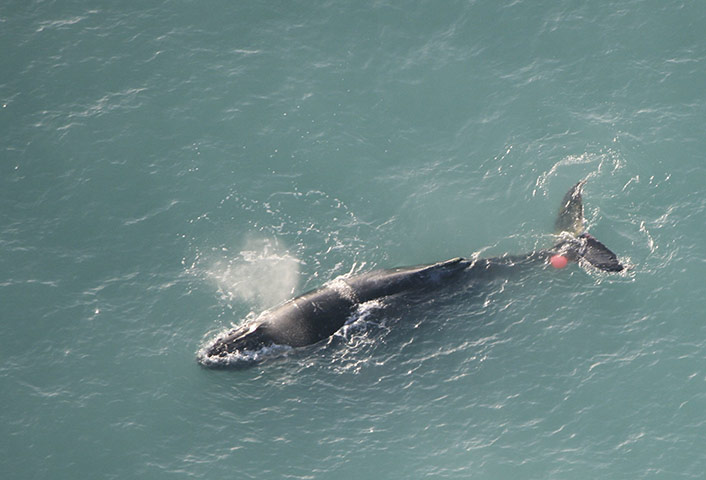
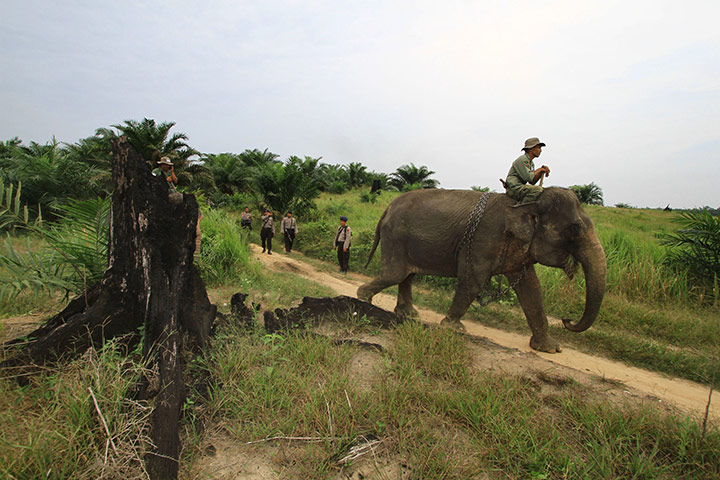
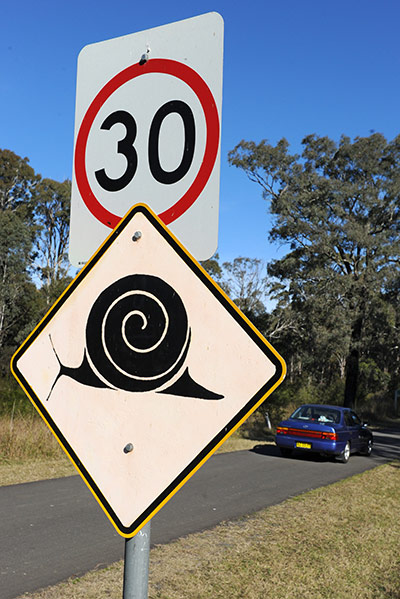
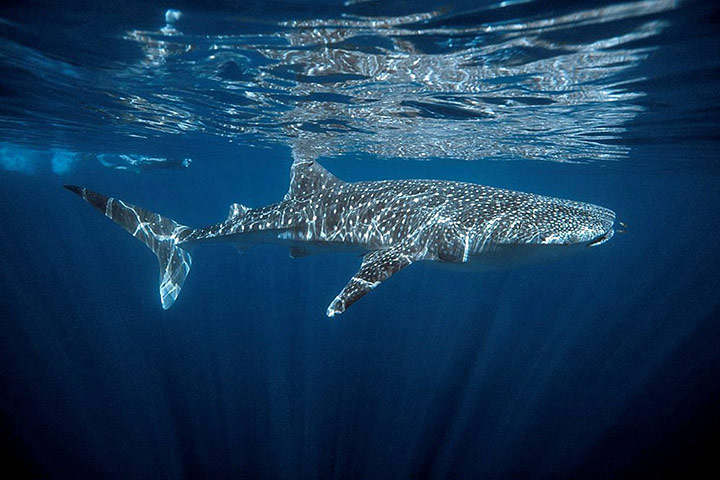
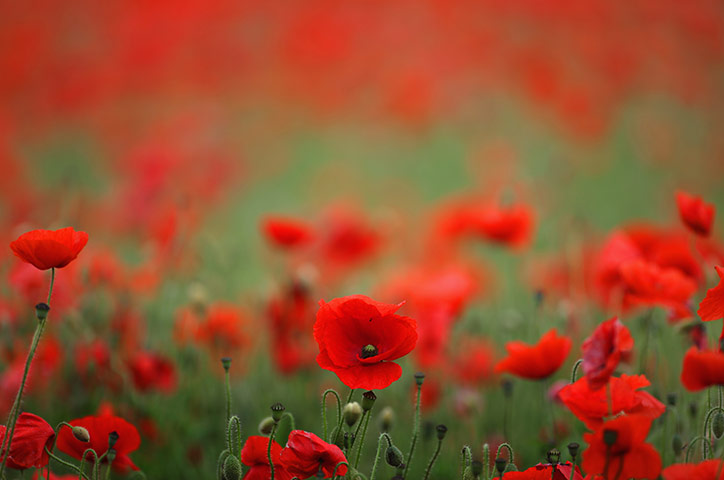
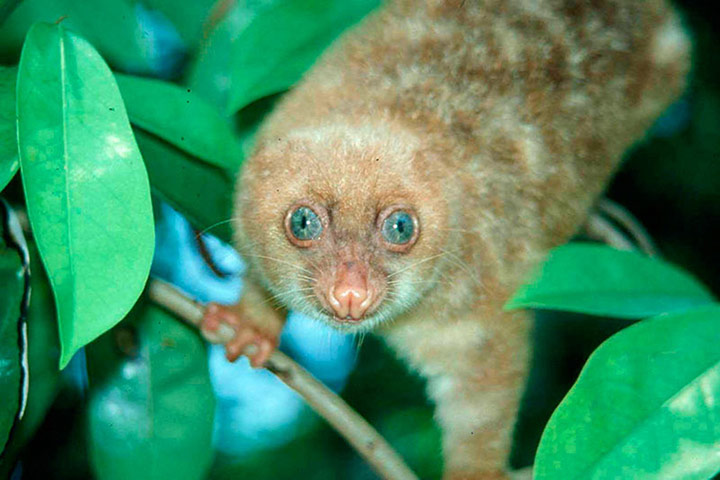
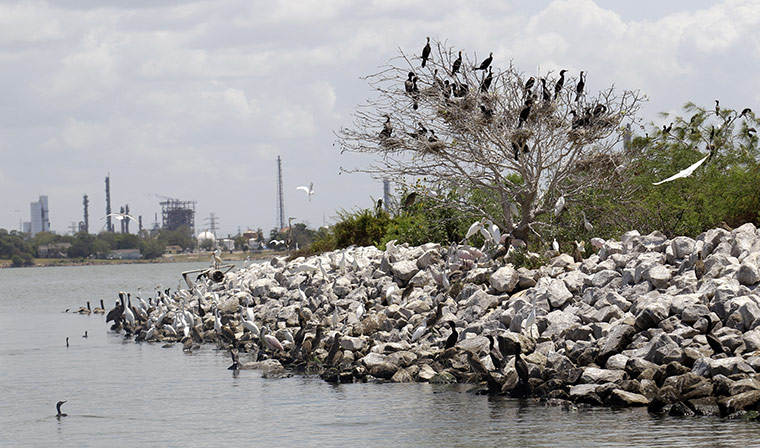
Twin white-tailed deer fawns feed in a grassy meadow in Kentucky, US. Their reddish-brown coats will turn to a grey-brown as they mature in the autumnPhotograph: Terry Prather/APButterflies perch on a flower ina Slovenian meadow. Butterfly and moth-watching is becoming increasingly popular Photograph: Srdjan Zivulovic/ReutersThis new species of sea slug (Nembrotha nudibranch) could have been an entry for our 'real or fake?' animal quiz . The California Academy of Sciences discovered the brightly coloured slug during their 2011 Philippine Biodiversity Expedition. But don't get too close - the molluscs produce powerful toxins to keep potential predators at bayPhotograph: Terry Gosliner/AFP/Getty ImagesAn ocelot (Leopardus pardalis) at the animal rescue centre in the Nicaraguan national zoo. Nicaragua has recently hosted a workshop of the Convention on International Trade in Endangered Species of Wild Fauna and FloraPhotograph: Elmer Martinez/AFP/Getty ImagesThomson's gazelles assert their right of way as a bus drives through the Serengeti national park. Controversial plans by the Tanzanian government to build a road through the famous reserve have been watered down following pressure from environmentalists and the UN world heritage body Unesco. The government will now build an unpaved road through the park while rangers ensure traffic does not disturb migrating wildlifePhotograph: Tony Karumba/AFPStaff from the Danau Girang field centre and the local wildlife rescue unit work to secure a crocodile's mouth after he was caught in Borneo, Malaysia. Wildlife researchers said they have satellite tagged a saltwater crocodile to try to find out why crocodile attacks have increased in BorneoPhotograph: Danau Girang Field Centre/AFP/Getty ImagesMelbourne zoo's latest addition is this three week-old colobus monkey, shown with its mother. Newborns are pure white and display no black markings until they are several months oldPhotograph: WILLIAM WEST/AFP/Getty ImagesThis humpback whale (Megaptera novaeangliae) has become entangled in a craypot and buoy in New Zealand. Although the whale is unlikely to drown, ranger Mike Morrisey of New Zealand department of conversation expressed concern that the line could cause injuries or impede the whale's movement and its ability to feed Photograph: HO/ReutersIndonesian police and forest rangers riding elephants approach illegal settlements in the Gunung Leuser national park, Sumatra. Settlers have cleared forest and planted oil palms in the park, which one of the biggest in Indonesia provides a habitat to endangered wildlife and highly valued trees. Attempts to relocate the settlers have lead to clashes with policePhotograph: Sutanta Aditya/AFP/Getty ImagesRelict gulls (Larus relictus) rest in the Hongjianzhuo Lake in China's Shaanxi province. Some 90% of the endangered gull's population flock here from May to October every year. But the lake is shrinking, further threatening the gulls which are vulnerable to changes in water levelPhotograph: Liu Xiao/ Liu Xiao/XinHua/Xinhua Press/CorbisHuman activity is having an increasing impact on species. To counteract at least one downside of driving, this road sign warns drivers to slow down for the endangered Cumberland land snails (Meridolum corneovirens) near Sydney. The rare snail feeds on fungi and lives in the rapidly disappearing woodland around the cityPhotograph: Torsten Blackwood/AFP/Getty ImagesA recent WWF report has revealed that scientists in Papua New Guinea discovered new species at the rate of two a week between 1998 and 2008. This snail (Paryphantopsis misimensis), is just one of more than 1,000 recent discoveries, which include a frog with fangs, a blind snake and a snub-nosed dolphin Photograph: WWF/AFP/Getty ImagesA lion's mane jellyfish swims beneath the waters of the Farne Islands, England. Situated two to three miles off the Northumberland coastline, the archipelago is a summer home to approximately 100,000 pairs of breeding seabirds including puffins, guillemots and Arctic terns. The jellyfish, however, have hit the headlines after causing the closure of Torness power stationPhotograph: Dan Kitwood/Getty ImagesA whale shark basks in the waters of the Ningaloo reef off the Western Australian coast, which was given Unesco world heritage status in JunePhotograph: Darren Jew/WWF/EPALocals in Corbridge, England, claim that these poppies are the best that have grown in years, thanks to this year's warm weather. A panel this week answered your questions about nature, diversity and species loss and agreed that local engagement is vital in preservation Photograph: Christopher Furlong/Getty ImagesAnother of the 1,000-plus new species to have been discovered by scientists in Papua New Guinea, this blue-eyed spotted cuscus (Spilocuscus Wilsoni) is perhaps a little cuter that the frog with fangs and a blind snake also named in the WWF's reportPhotograph: WWF/AFP/Getty ImagesBirds congregate on a colonial waterbird nesting site along the Houston ship channel, Texas. The island is part of a project to restore lost wetlands and islands off the Texas coast, and the federal government is hoping to make it the model for rebuilding these crucial ecosystems elsewherePhotograph: David J. Phillip/AP
Sign up to read this article
Read news from 100's of titles, curated specifically for you.