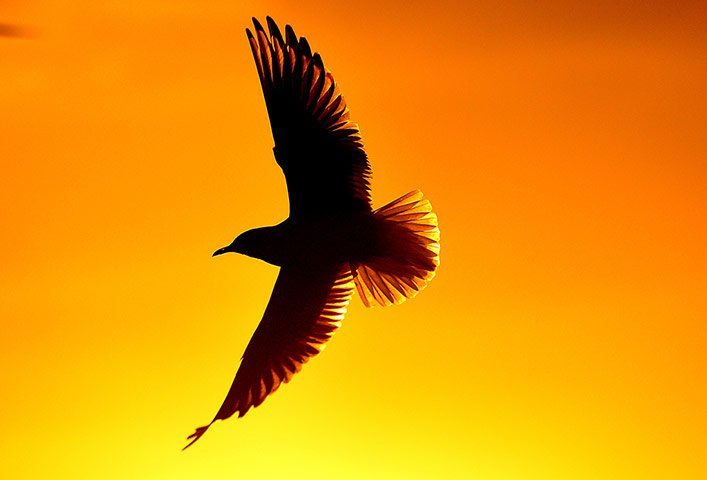
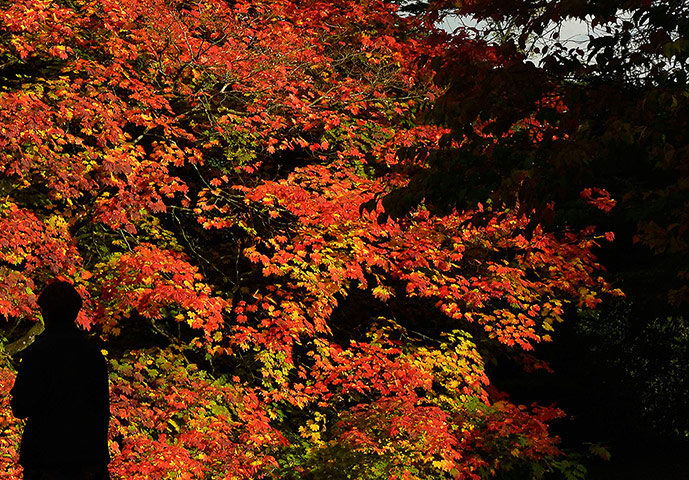
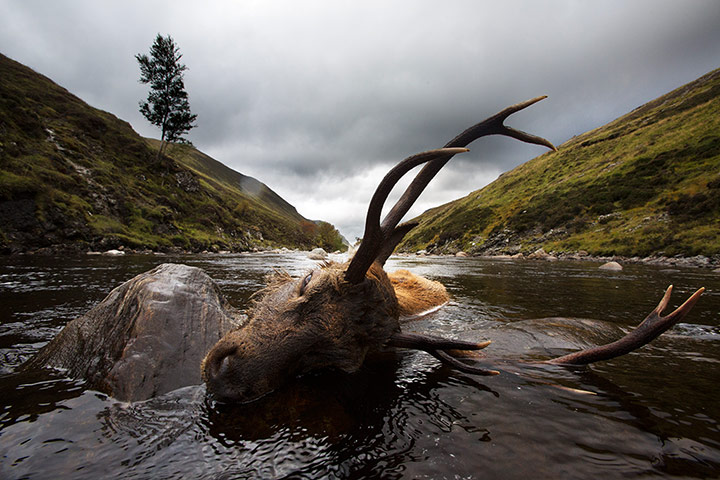
Seagulls fight over food at Whitley Bay in Tyne and Wear as the sun goes downPhotograph: Owen Humphreys/PAThe Acer Glade at Westonbirt Arboretum, Gloucestershire, in spectacular autumn form. Originally planted in the heyday of Victorian plant hunting in the mid-19th century, the arboretum boasts one of the world's finest tree collectionsPhotograph: TOBY MELVILLE/ReutersUnlucky in love perhaps? The carcass of a stag lies in the river in Glen Tilt, in the Cairngorms. The annual red deer rutting season is becoming a tourist attraction, with many estates running wildlife safarisPhotograph: Murdo MacLeod/Guardian
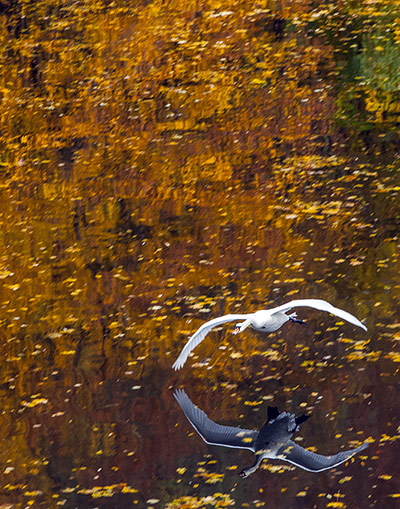
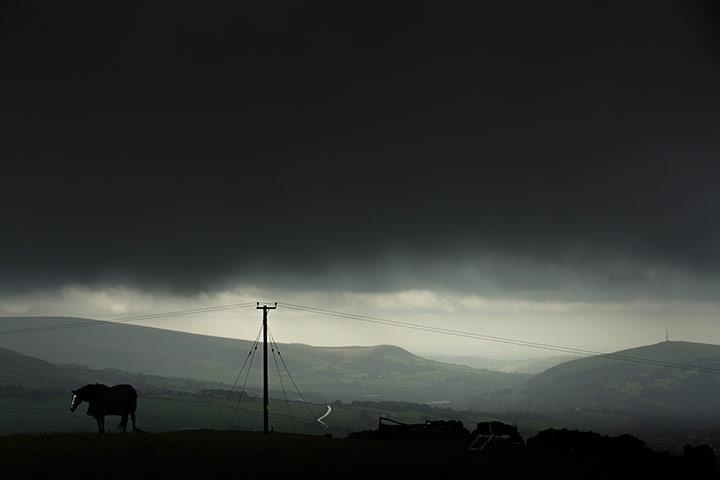
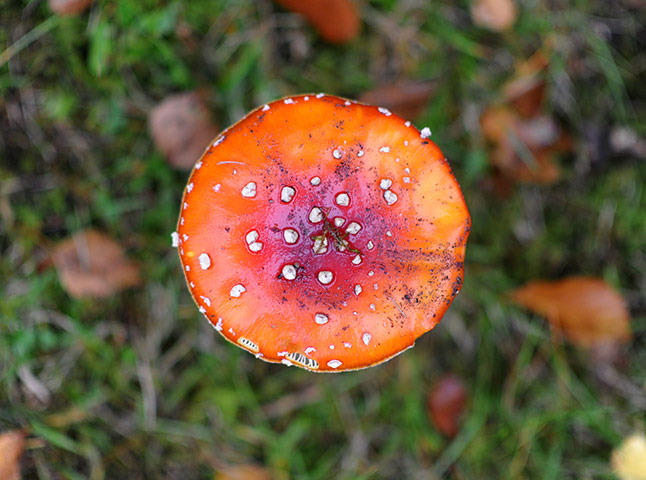
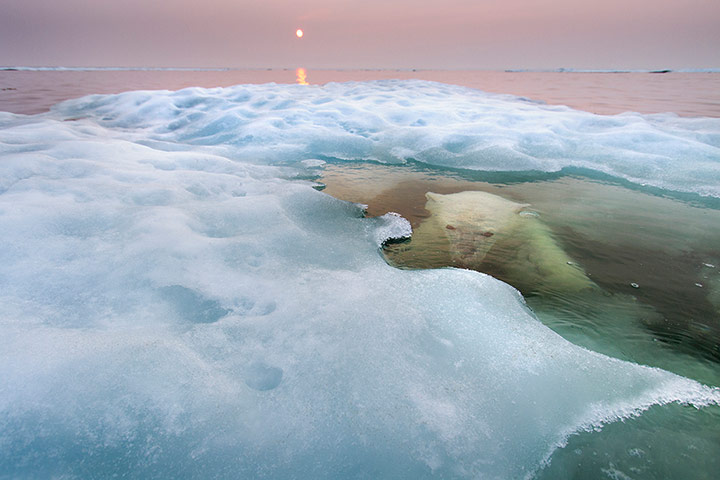
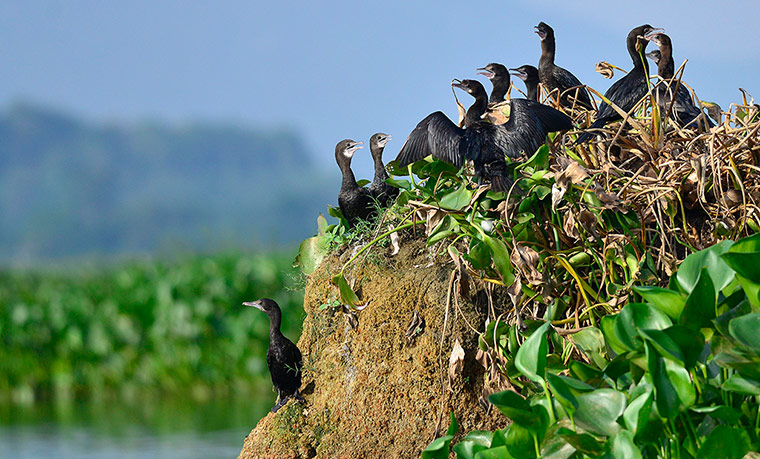
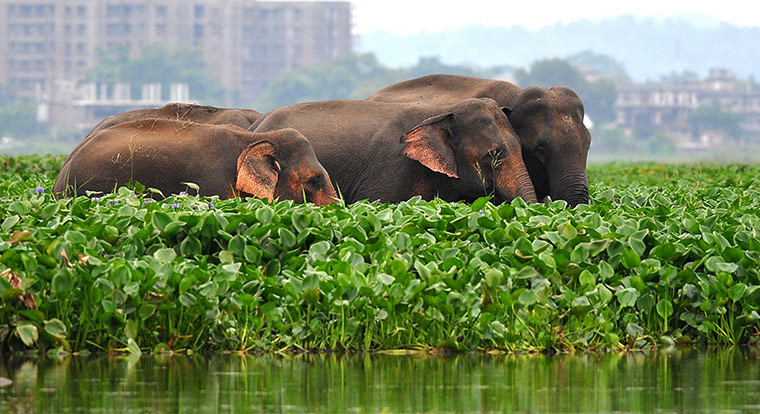
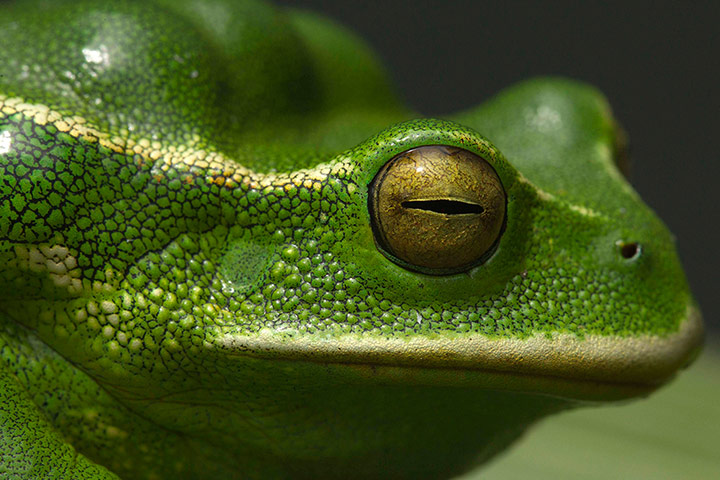
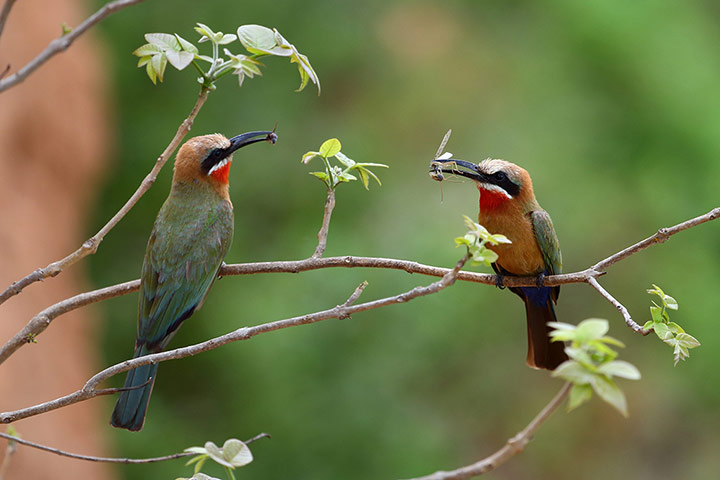
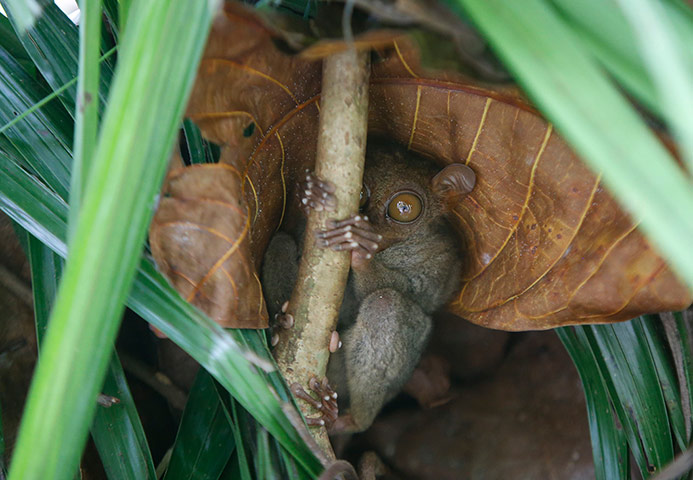
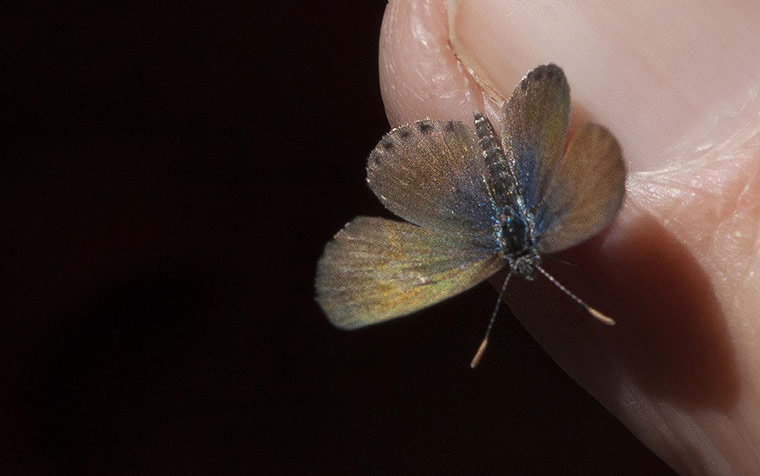
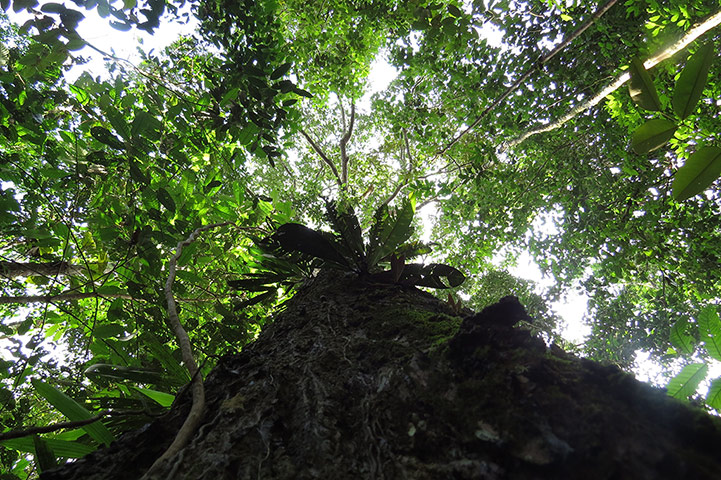
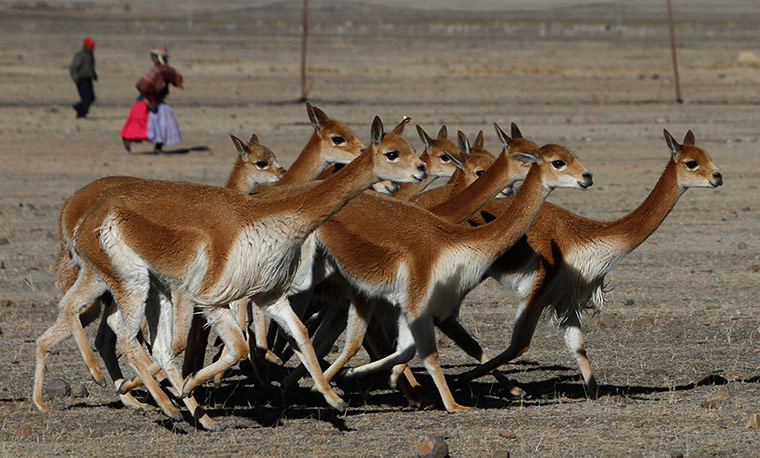
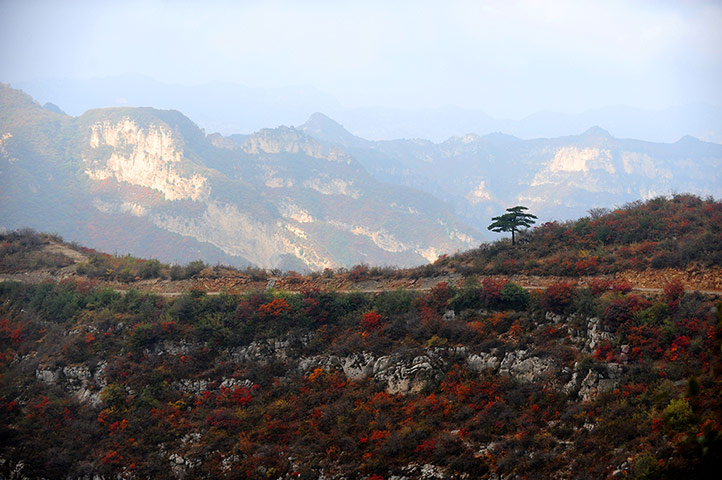
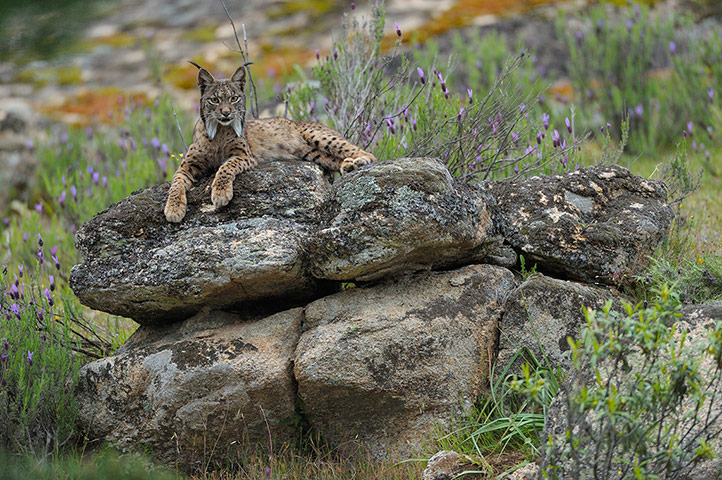
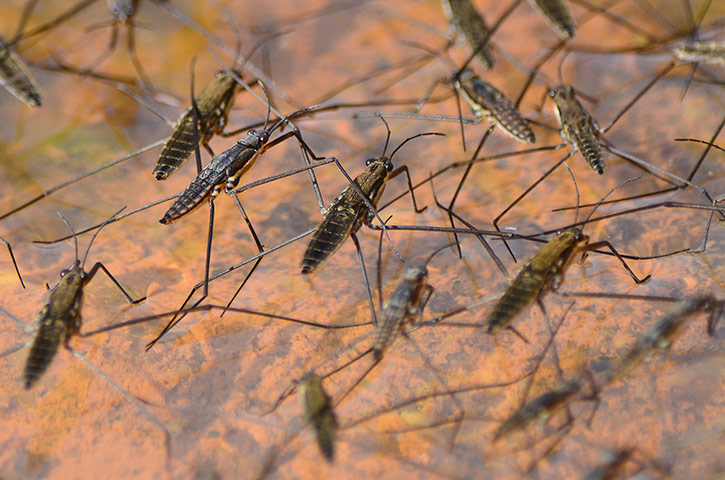
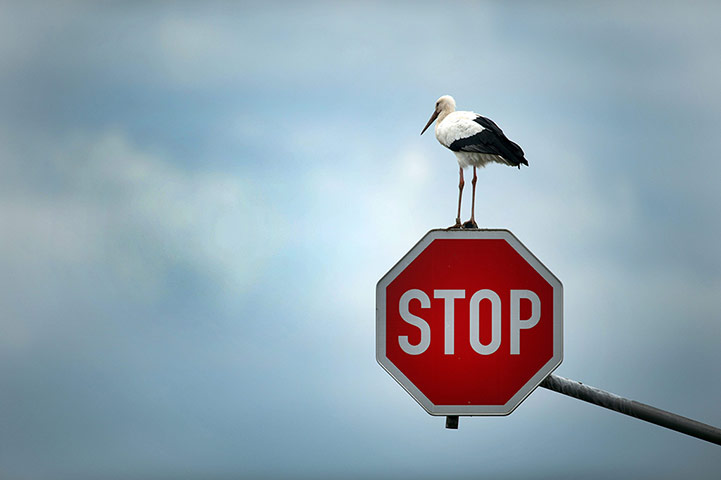
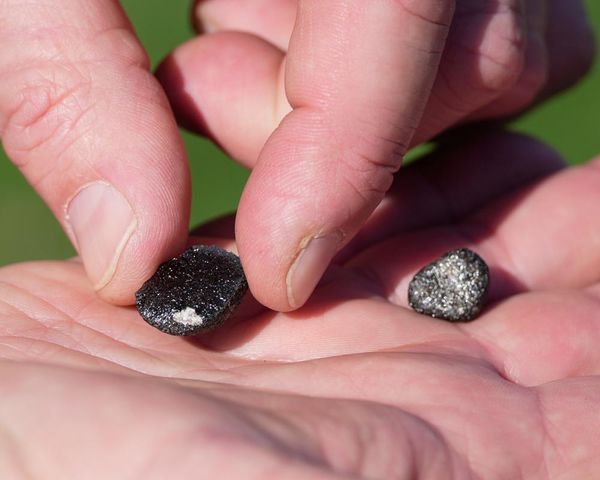
A swan flies over the surface of the Brno dam in the Czech Republic, as the trees are reflected in the waterPhotograph: Tomas Hajek/ Tomas Hajek/Demotix/CorbisA gloomy but dramatic scene along the Pennine Bridleway and Pennine Way, as the autumn rain crosses the moors on the old Lancashire-Yorkshire border between Oldham and HuddersfieldPhotograph: Christopher Thomond/GuardianA fly agaric mushroom in the Ohlsdorfer cemetery in Hamburg, GermanyPhotograph: Angelika Warmuth/CorbisWinner of the animals in their environment category at the Wildlife Photorapher of the Year competition, which begins its exhibition this week at the Natural History Museum, London. This is a rare shot of a polar bear in the water, taken by Paul SoudersPhotograph: Paul Souders/Wildlife Photographer of the Year 2013Cormorants at the Dipor Bil wetland on the outskirts of Guwahati, IndiaPhotograph: STR/EPAA herd of wild elephants from the nearby Rani Forest reserve eat water hyacinths at Dipor Bil in Guwahati, India. Asian elephants' natural habitat has been destroyed and they are forced to live in the farming areas where they cause damage to cropsPhotograph: Manas Paran/Barcroft IndiaA Gastrotheca plumbea (silver marsupial frog) at the Jambatu Center for Research and Conservation of Amphibians in Quito, Ecuador. The centre manages about 40 species of amphibians, and has run successful breeding programmes for some critically endangered speciesPhotograph: Guillermo Granja/ReutersTwo carmine bee-eaters on a branch in Selous Game Reserve, south-east Tanzania. Large numbers of elephants, black rhinoceroses, cheetahs, giraffes, hippopotamuses and crocodiles as well as about 550 species of birds live in this immense sanctuary, which measures 50,000 sq km and is relatively undisturbed by human impactPhotograph: Zhang Ping/CorbisA tarsier, a species among the world's smallest primates, hugs a branch after it was evacuated to a conservation centre in Lobok, Bohol, after an earthquake struck central PhilippinesPhotograph: Erik De Castro/ReutersA western pygmy blue (Brephidium exilis) butterfly on photographer Steve Shinn's finger. The species is hard to spot due to its delicate markings and wingspan of just 3/8 to 3/4 of an inchPhotograph: Steve Shinn/Rex FeaturesA Brazil nut tree, one of dominant tree species in the Amazon. Almost 400 billiion trees belonging to 16,000 different species grow in the Amazon, according to a new estimatePhotograph: Hans ter Steege/PAWild vicuna at a temporary corral inside the Apolobamba protected nature reserve, their natural habitat near the Andean village of Ucha Ucha, Bolivia. The vicuna is an endangered species previously hunted by poachers for their fine wool. Today, Bolivia protects them in this reserve, sheering and selling the wool worldwide without killing the animalPhotograph: Juan Karita/APThe autumn scenery of Taihang mountain in Pingshun County, in China's Shanxi provincePhotograph: Yan Yan/CorbisA female Iberian lynx (Lynx pardinus) in Sierra de Andújar Natural Park, Andalusia. There are now fewer than 200 of the animals in the wild, due to hunting, habitat loss and road accidents – however the most critical threat today is the lack of wild rabbits (their principal food source)Photograph: Pete Oxford/Rewilding EuropeCommon water striders, which can stand and move effortlessly on the surface of water due to their non-wetting and hydrophobic legs, also enabling them to detect ripples and sense vibrations from struggling insectsPhotograph: Jorge Sanz/CorbisA stork perched on a sign near Immerath, GermanyPhotograph: Federico Gambarini/EPA
Sign up to read this article
Read news from 100's of titles, curated specifically for you.