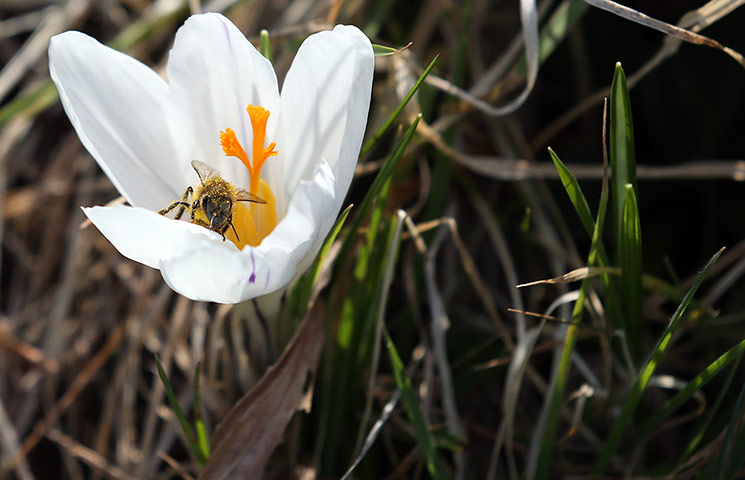
A bee gathers nectar from new blooms at the national botanic garden of Wales near CarmarthenPhotograph: Matt Cardy/Getty ImagesA red kite, Wales. The birds of prey were saved from national extinction by one of the world's longest running protection programmes, and have now been successfully reintroduced to England and ScotlandPhotograph: Drew Buckley/Rex FeaturesRed deer on Pfänder mountain near Bregenz, Austria Photograph: Felix Kaestle/EPA
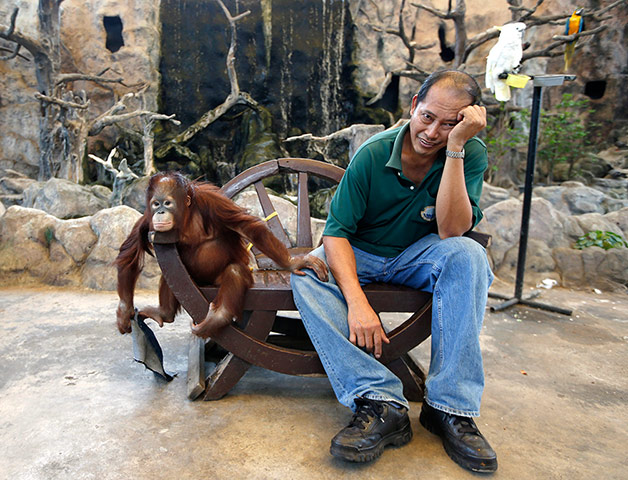
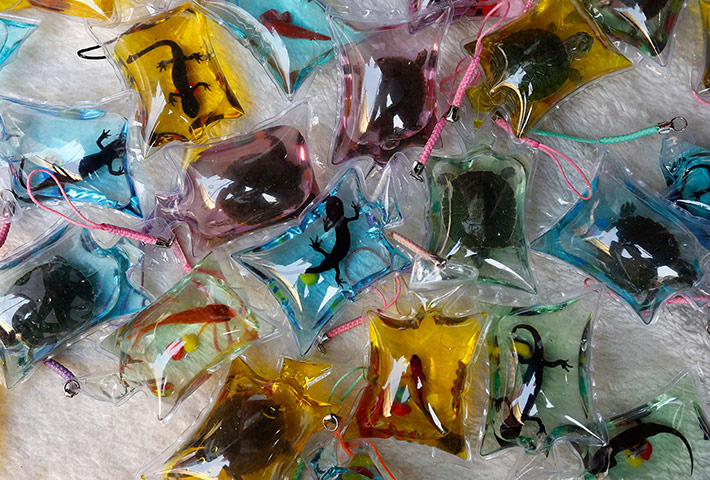
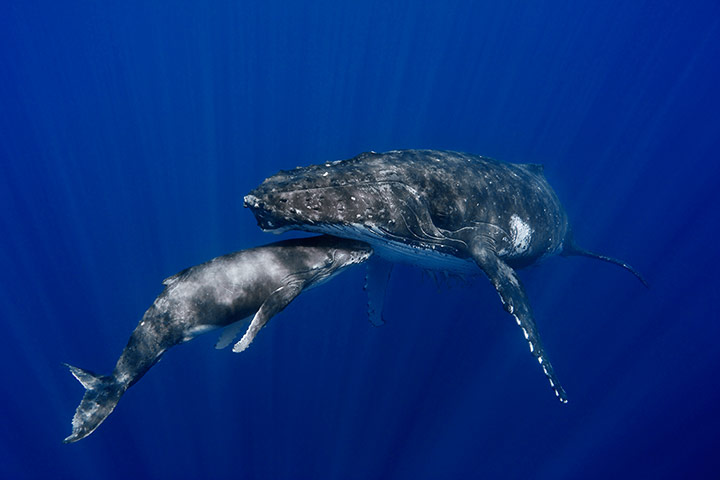
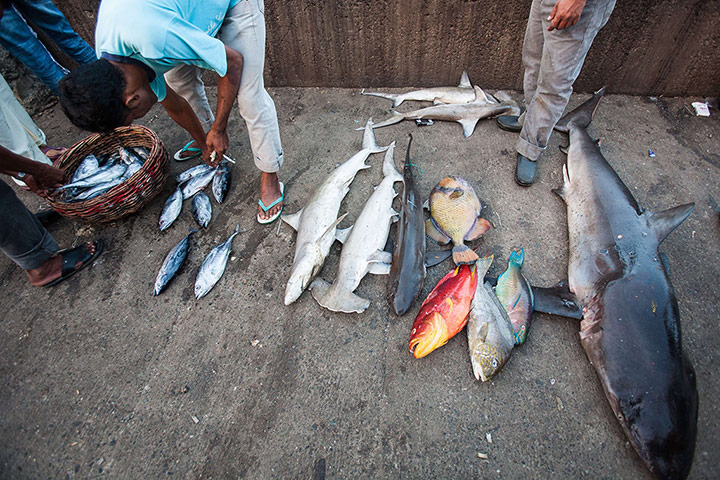
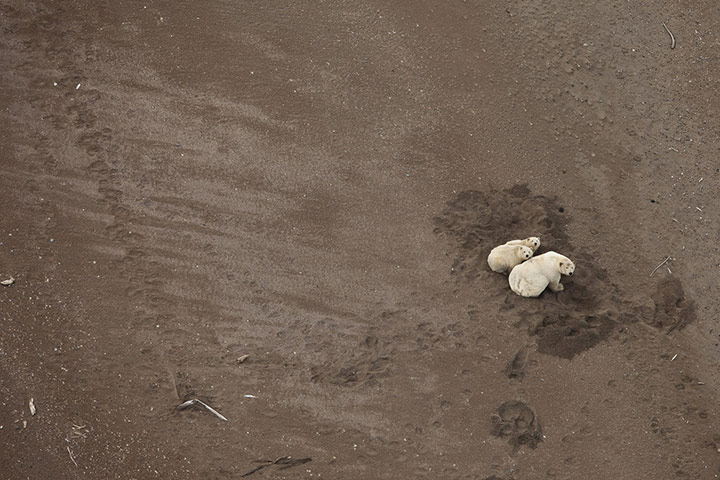
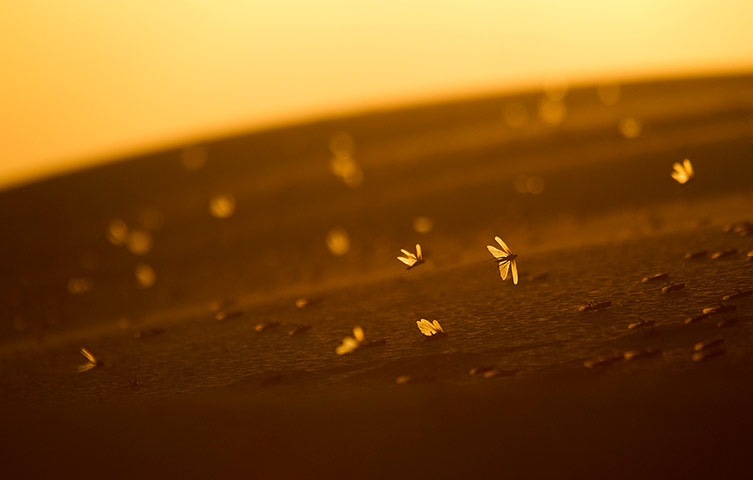
Play-fighting stoats were among the winning images from the Mammal Society photographer of the year competitionPhotograph: Joel Walley/Mammal Society Photographer of the Year 2013A three-year-old orangutan and Thai worker at a private zoo in Bangkok, Thailand. More than 3,000 wild great apes are illegally seized in African and south-east Asia each year, conservationists say. This week 178 nations met in Bangkok to review the Convention on the International Trade in Endangered Species (Cites), that protects around 35,000 animals and plantsPhotograph: Rungroj Yongrit/EPASmall plastic bags holding fish, turtles and salamanders on sale in Beijing. Each bag, filled with oxygen and nutritional liquid, can keep the animal alive for two months and is sold for $1.60. The Chinese believe such charms can bring good luckPhotograph: Kim Kyung-hoon/ReutersA heron builds a nest in Sujiayingzi, in north-east China's Liaoning province. There are more than 600 heron nests in the village Photograph: Bai Tiejun/CorbisA female humpback whale swims with her calf off the coast of Vava'u Islands, Tonga Photograph: Jon Cornforth/Barcroft MediaIndonesian fishermen unload a catch that includes sharks and baby sharks in Lampulo fish market in Banda Aceh. Humans kill about 100 million sharks each year, mostly for their fins, according to the UN Food and Agriculture Organisation Photograph: Chaideer Mahyuddin/AFP/Getty ImagesStranded polar bears on Cross Island outside Prudhoe Bay, Alaska. The export of polar bear skins, teeth and paws from Canada will continue unabated after a bitter debate at the world's biggest wildlife summit ended in defeat for a US proposal to outlaw the tradePhotograph: Will Rose and Kajsa Sjölander/70° North/GreenpeaceA Corsac fox in north-west China's Xinjiang Uygur autonomous regionPhotograph: Shen Qiao/CorbisA male southern elephant seal revels in the wave wash at Gold Harbour, South Georgia, AntarcticaPhotograph: Justin Hofman/Barcroft MediaMigrant birds fly over the Poyang Lake in east China's Jiangxi provincePhotograph: Fu Jianbin/CorbisLocusts on a sand dune in Negev Desert, southern Israel, near the border with Egypt. Israel is battling a swarm of locusts from Egypt to prevent crop damage in the south of the country. Locust clouds were darkening skies on Wednesday, three weeks before the Jewish Passover holiday that recalls 10 Biblical plagues, one of them locusts, that struck Egypt during the exodus of Israelite slavesPhotograph: Ariel Schalit/APTwo wild Sumatran elephants eat palm oil leaves in a private palm oil plantation in East Aceh, Indonesia. Critically endangered, less than 3,000 Sumatran elephants remain in the wild. The race to protect the world's rhino, elephant and shark populations from the bloody trade in animal body parts have been at the heart of Cites endangered species talks in Bangkok Photograph: S. ADITYA/AFP/Getty ImagesA giant manta ray, photographed 13 miles south of Mirissa, Sri Lanka. With a wingspan of nearly 5 metres, this ray could fetch up to $800 on the black market for its gills alone. At least 3,500 manta ray kills are recorded each year, according the wildlife trade group Traffic, but the real total is likely to be nearer 5,000Photograph: Andrew Sutton/WDCA web-footed gecko in the dry Namib desert of Namibia uses its long tongue to drink the moisture from its own eyes Photograph: Martin Harvey/Barcroft MediaOriental pied hornbills at the Jurong bird park's breeding and research centre in Singapore Photograph: Wong Maye-E/AP
Sign up to read this article
Read news from 100’s of titles, curated specifically for you.