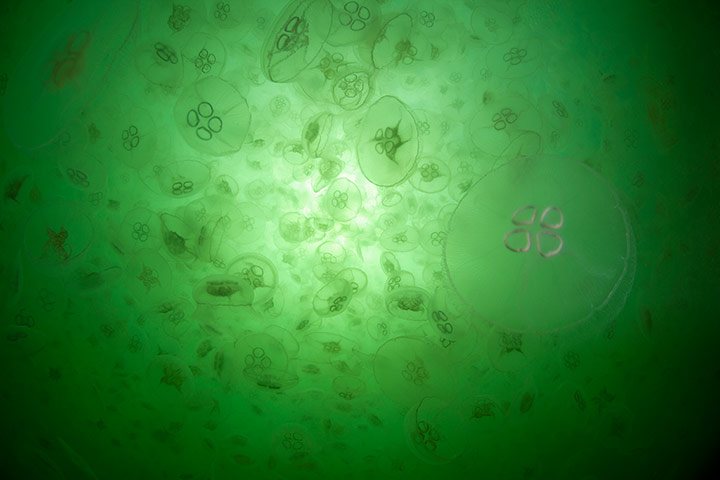
A male spoon-billed sandpiper, one of the rarest birds in the world, has had its numbers boosted by a scheme to hand rear chicks to fledglingPhotograph: Roland Digby/WWT/PAA group of harbour seals near Whitstable, Kent, as the Zoological Society of London carry out the first ever count by air, land and sea of grey and harbour seals along the Thames and stretching up the estuary to Tilbury Photograph: Gareth Fuller/PAThe waters of Loch Duich on the west coast provide perfect conditions to support an awe-inspiring aggregation of Aurelia aurita, the moon jellyPhotograph: Matt Doggett/www.earthinfocus.com
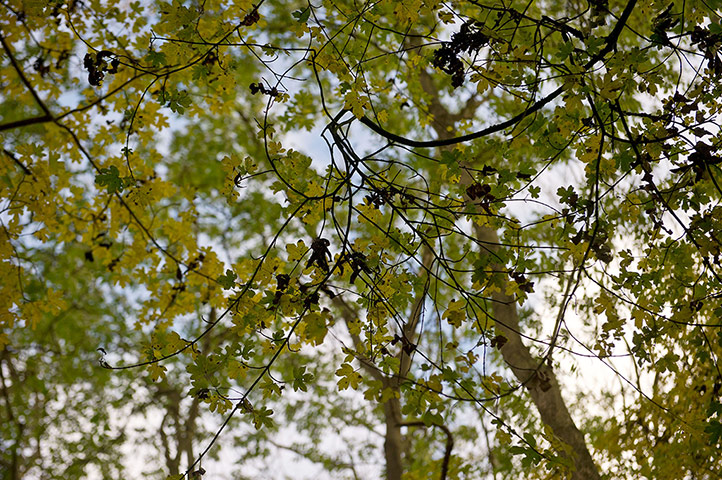
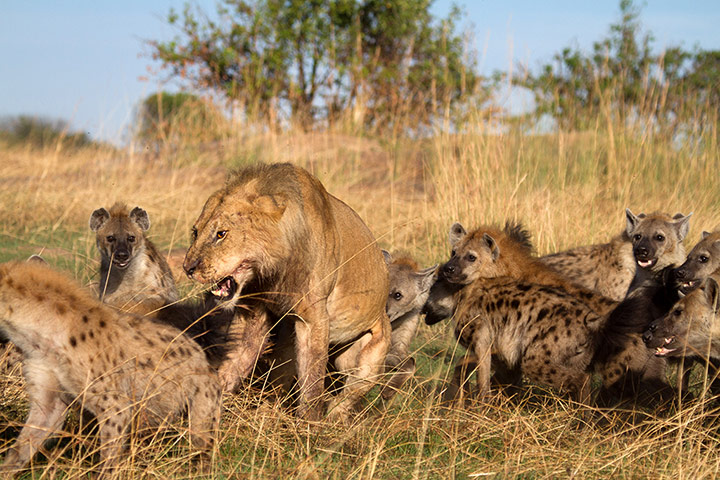
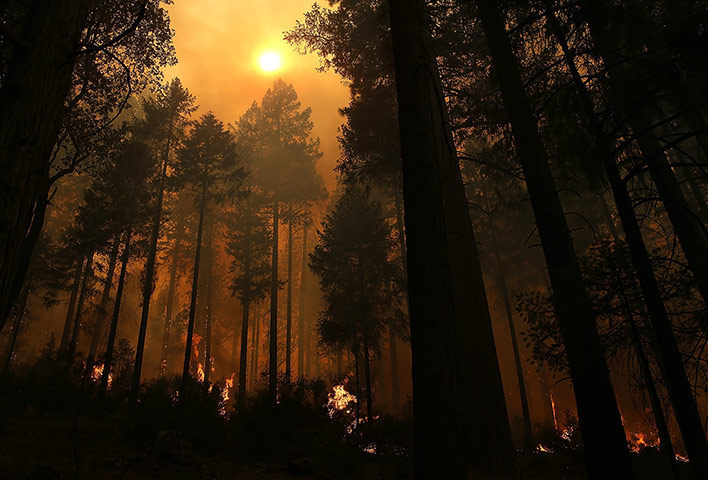
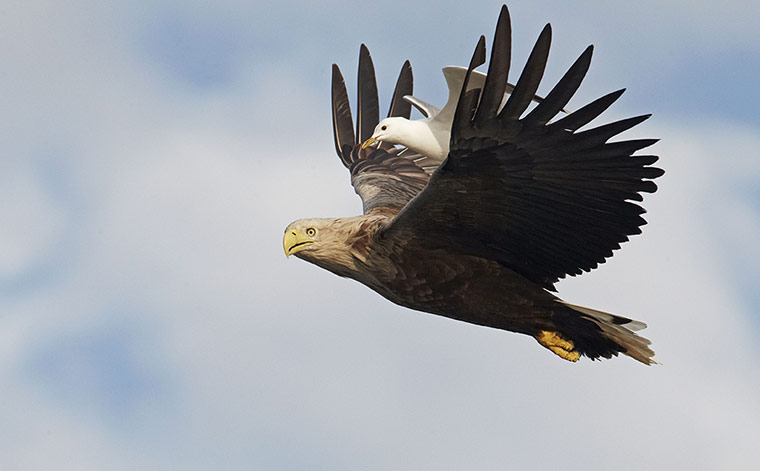
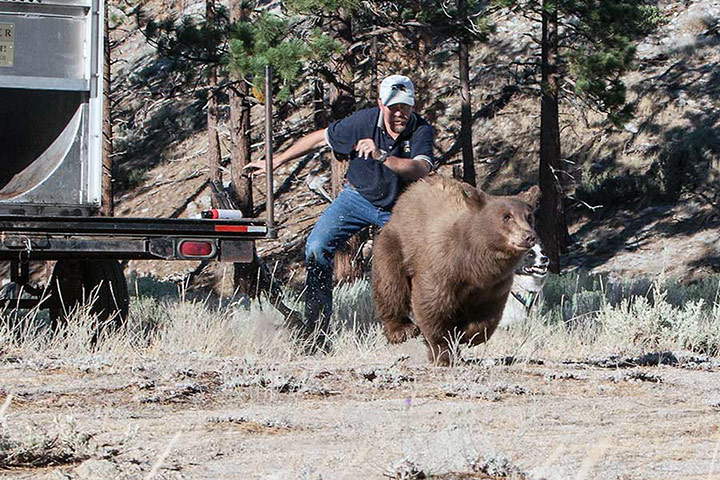
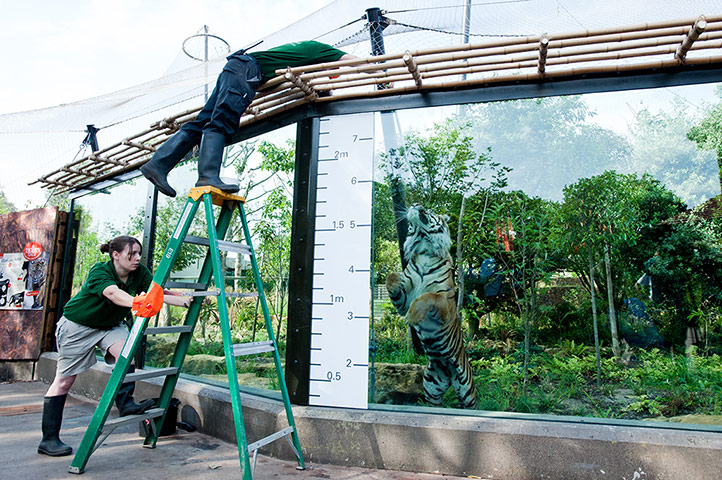
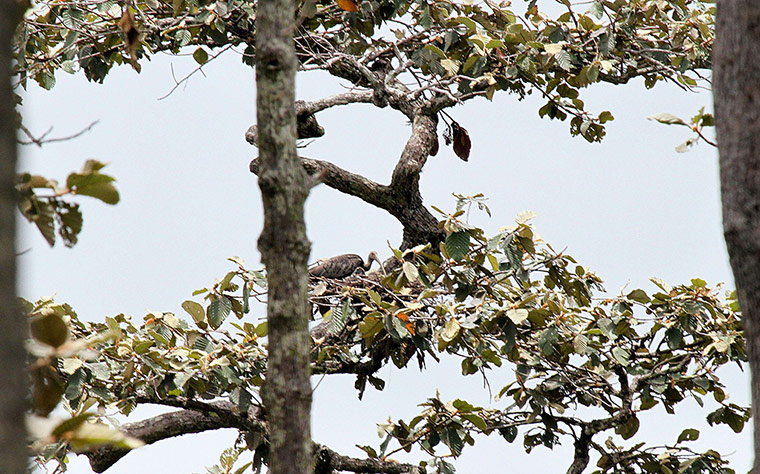
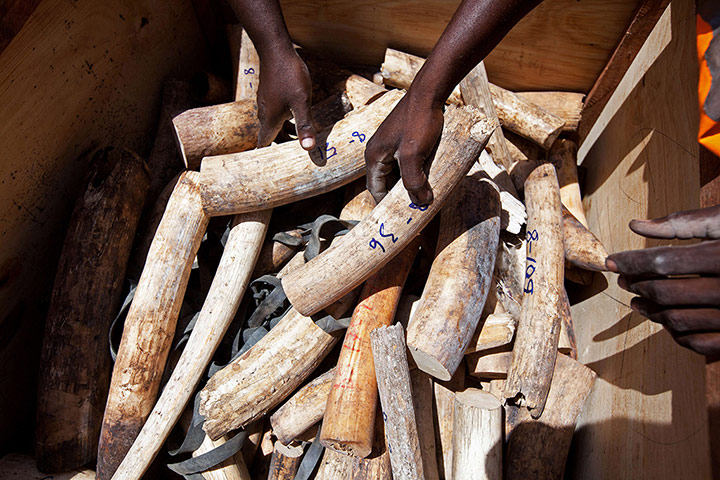
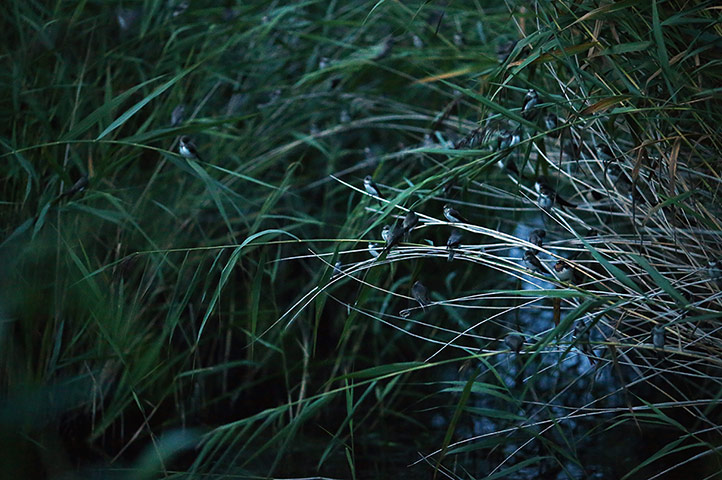
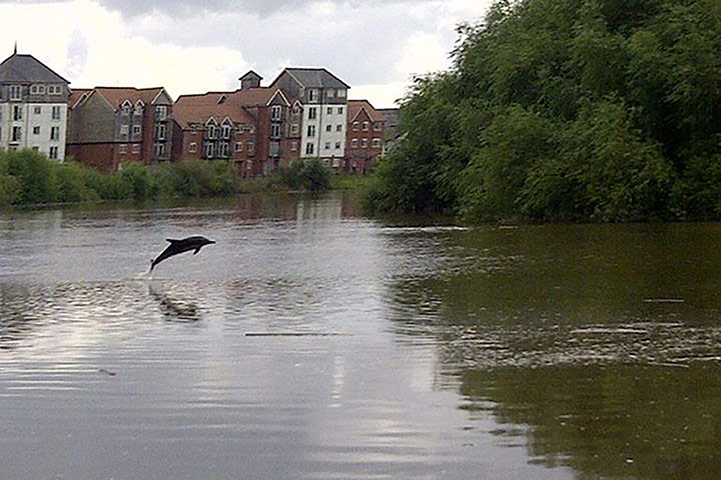
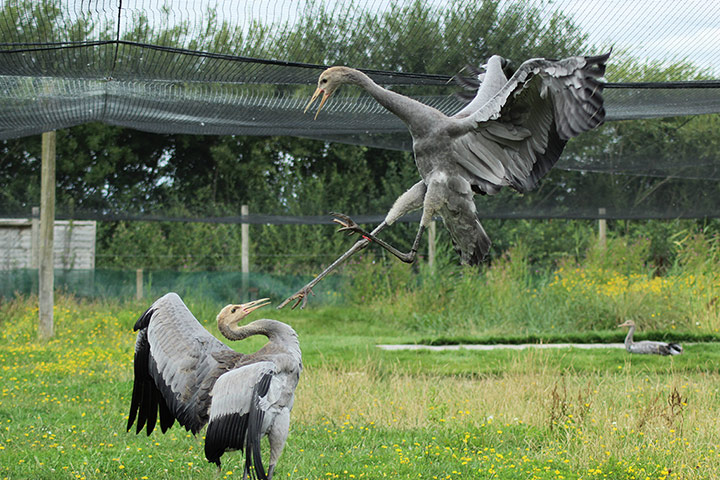
A list of six coastal species which could be seriously affected by erosion and climate change has been unveiled by the National TrustPhotograph: Niall Benvie/National Trust/PAAsh trees in Pound Farm woodland near Ipswich. Tree health experts have secured £945,000 of EU funding over four years to develop ObservaTree, an early warning system of pest and disease threats to the UK's treesPhotograph: Bethany Clarke/Getty ImagesA lion roars at a clan of hyenas at the Lamai Serengeti Wildlife Park in Serengeti, TanzaniaPhotograph: Mark Sheridan-Johnson/Barcroft MediaFire consumes trees along US highway 120 as the rim fire burns out of control on 21 August in Buck Meadows, CaliforniaPhotograph: Justin Sullivan/Getty ImagesWhite-tailed sea eagle (Haliaeetus albicilla) being attacked by a common gull (Larus canus) in flight, Norway Photograph: NPL/Rex FeaturesNDOW biologist Carl Lackey releases a yearling male black bear from a trap in Gardnerville, Nevada. In the background, a 'bear dog' named Rooster assists in the bear aversion tactics designed to scare the young bear and its mother away from the area where they were captured earlier Photograph: John Axtell/Nevada Department of Wildlife/APAn extreme close-up of polar bear on the 1002 coastal plain of the Arctic National Wildlife Refuge in North Slope, Alaska. This bear tried to hitch a lift off an unsuspecting driver by clambering into the back of his pick-up truckPhotograph: Steven Kazlowski/Barcroft MediaZookeepers Paul and Andrea measure a sumatran tiger named Jae Jae during the ZSL London Zoo's annual animal weigh-inPhotograph: Piero Cruciatti/CorbisA giant ibis (C) in a nest on a tree branch in Stung Treng province, north-east of Phnom Penh. Jubilant conservationists expressed hope on 20 August for the survival of the critically-endangered giant ibis after a nest of the bird species was discovered in a previously unknown habitat in northeastern CambodiaPhotograph: Gerry Ryan/WWF-Cambodia /AFP/Getty ImagesThe Yasuní national park in Ecuador is still untouched by the oil industry, but President Rafael Correa has abandoned a radical conservation plan and cleared the way for oil companies to explore for oil that lies beneath the forestPhotograph: Jenny BatesKenya Ports Authority workers take the ivory tusks out of boxes as Kenya Wildlife Service (KWS) rangers supervise the counting at Mombasa Port on 21 August. A consignment of ivory that was headed to Vietnam was intercepted and held at the Singapore port and returned to Kenya. A total of 1097 tusks weighing a total of 1.8 tonnes was seizedPhotograph: Ivan Lieman/AFP/Getty ImagesFlocks of gnus are seen during their migration trip in Serengeti National Park, Tanzania, on 17 August. When grass withers at Serengeti National Park in north Tanzania, flocks of gnus, zebras and antelopes living there start their annual migration to Masai Mara National Wild Reserve in KenyaPhotograph: Zhang Ping/CorbisSand Martins roost in reedbeds at dusk on a private reserve where the BTO are recording migrating hirundines in East Sussex on August 21 in Rye, United KingdomPhotograph: Dan Kitwood/Getty ImagesAn Egyptian goose flies close above the water towards the near riverside near Frankfurt/Main, GermanyPhotograph: Boris Roessler/CorbisA dolphin spotted in the River Dee, 21 August. Marine experts think the common dolphin, which is usually more at home in the deep sea water of the Bay of Biscay, must have been chasing fish up the River Dee in north WalesPhotograph: Environment Agency/PAWolves howl not because of stress but rather to maintain social contacts, researchers have foundPhotograph: Mazzini/PAThis pair of Eurasian cranes shows that certain skills are innate and there is no shortage of exuberance among adolescentsPhotograph: Wildfowl & Wetlands Trust
Sign up to read this article
Read news from 100's of titles, curated specifically for you.