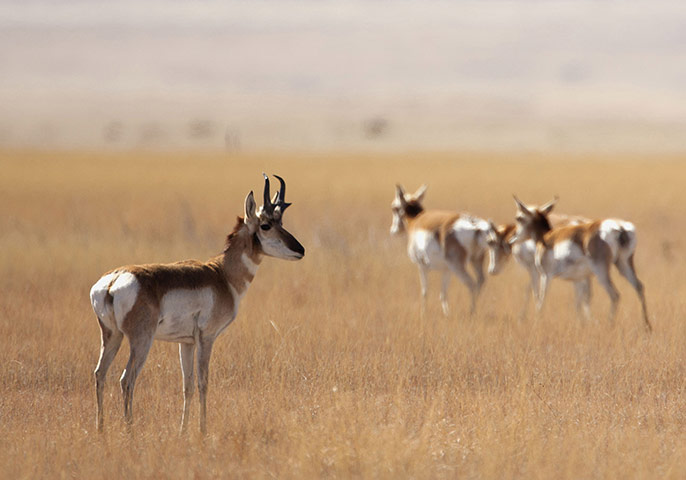
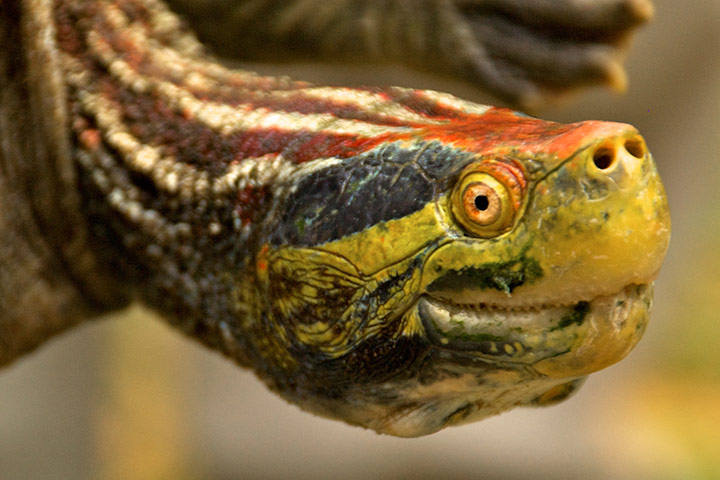
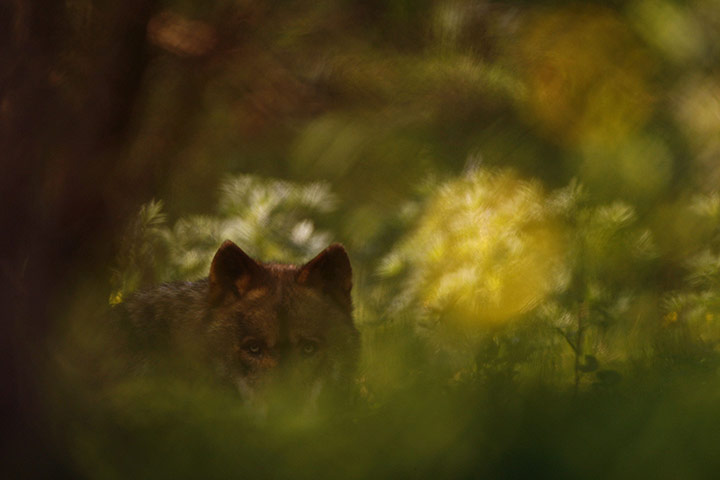
A pronghorn antelope pauses as it and others are released to their new home by Texas state wildlife officials near Marfa, Texas. Two hundred of the Texas Panhandle pronghorns are being captured over several days and transported 500 miles to the Marfa area to bolster the diminished Trans-Pecos herd and help researchers determine why the west Texas herd has been in decline in recent yearsPhotograph: Earl Nottingham/APThe red-crowned roofed turtle (Batagur kachuga) is one of 25 species listed in a report issued by the Turtle Conservation Coalition. The species is limited to a few isolated pockets along the Ganges and Brahmaputra river basins in India and Bangladesh and is listed as critically Endangered on IUCN's 'red list'.Photograph: Brian D. Horne/Wildlife Conservation SocietyAn Iberian wolf looks up at a centre run by the Grupo Lobo association. Grupo Lobo is a non-governmental association founded in 1985 to work towards the conservation of Iberian wolves and their ecosystem in Portugal. There are an estimated 2,000 wolves on the Iberian Peninsula, of which 300 are in Portuguese territoryPhotograph: Rafael Marchante/Reuters
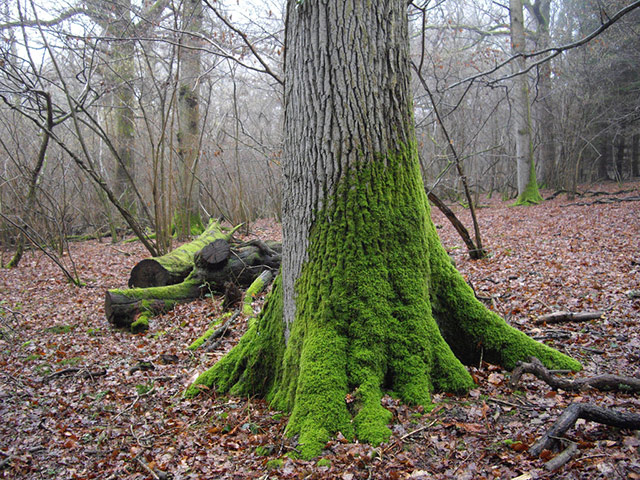
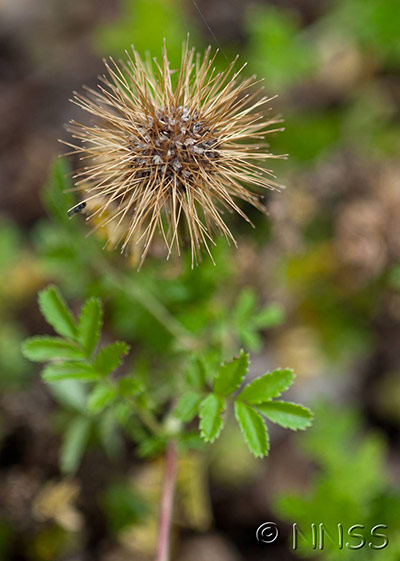
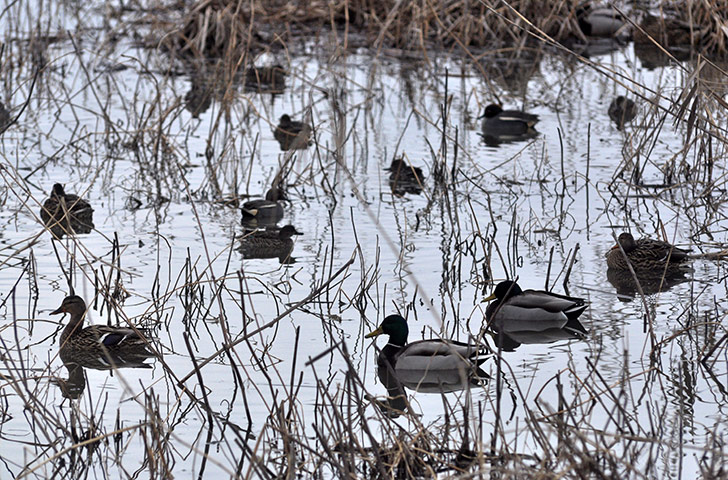
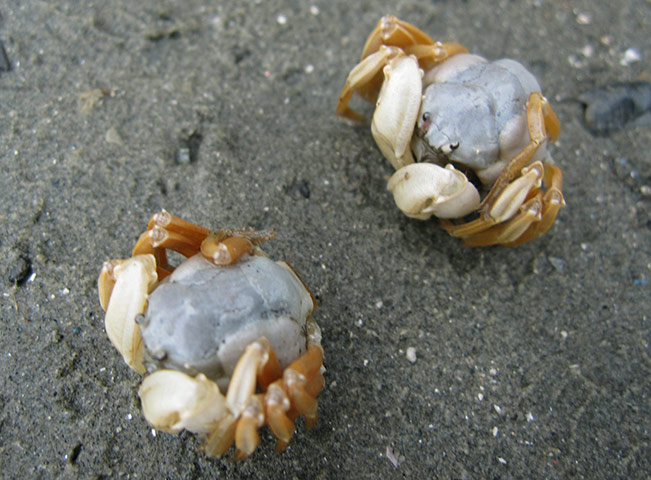
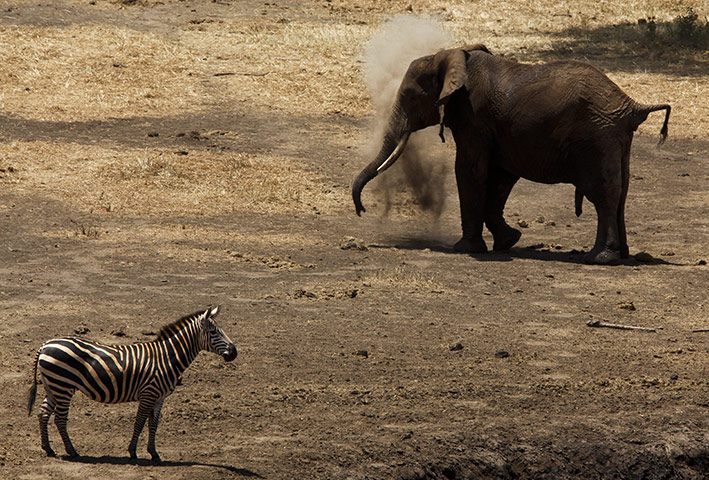
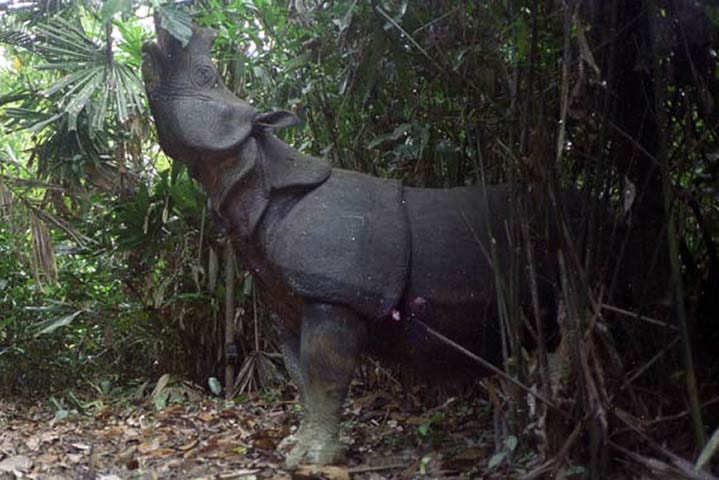
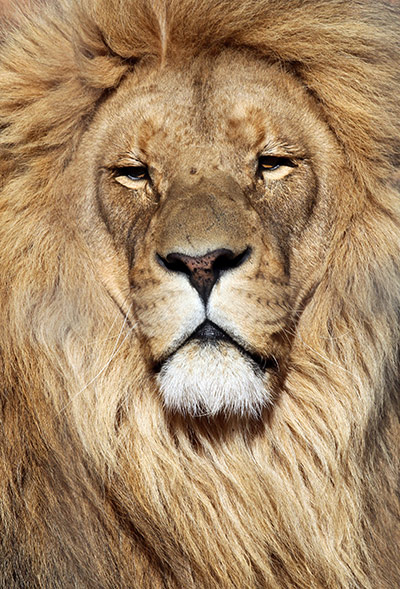
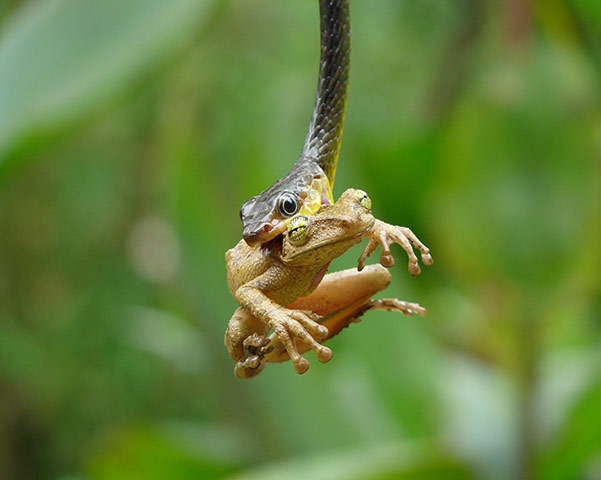
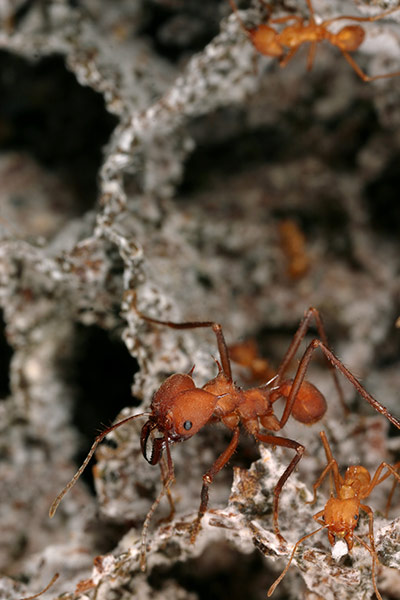
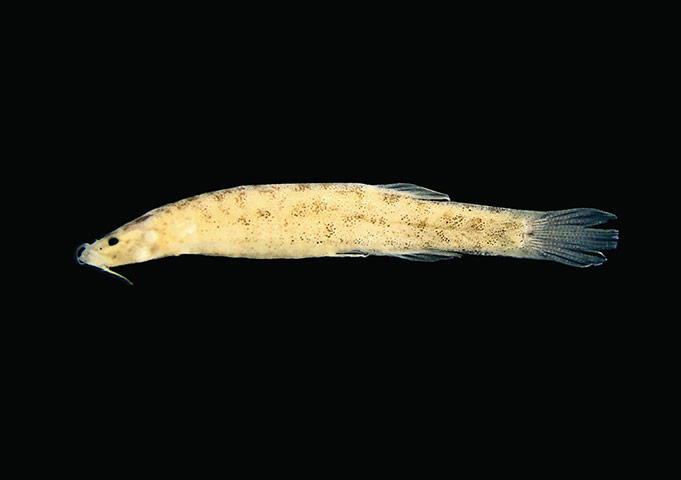
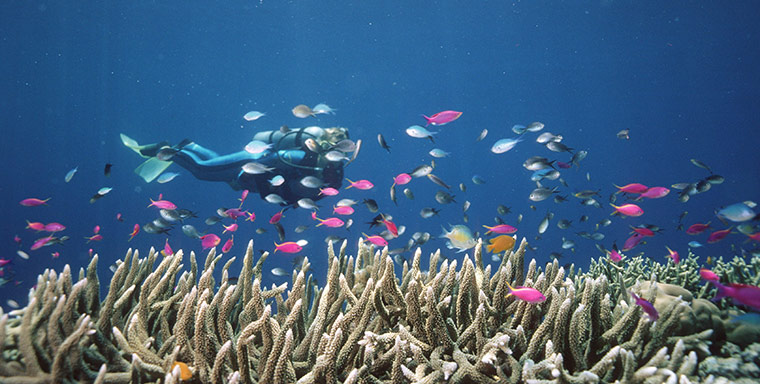
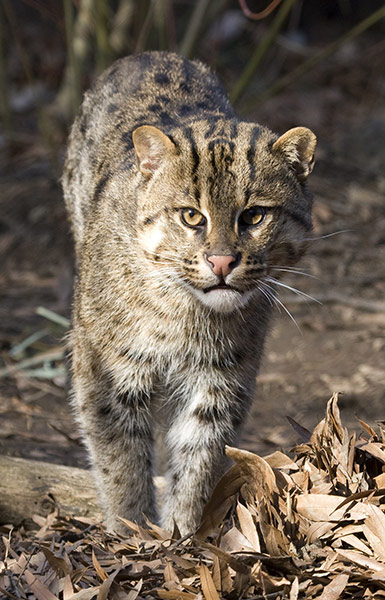
From this month's Green shoots gallery. Walking in the rain at Nymans Wood, Sussex 2011 by soulman53Photograph: FlickrPirri-pirri burr (Acaena novae-zelandiae), a garden plant originating from Australasia, is spreading into the wild and becoming invasive especially on sandy soils, cliffs, heaths and roadsides where it affects threatened native plants. The plant spreads through fly-tipping of garden waste, and subsequent transport by animals into the countrysidePhotograph: GBNNSS/PlantlifeMigratory birds in a wetland in Kashmir, India. Poaching of migratory birds has run rampant in the Kashmir wetlands, with hunters freely killing and catching birds using guns and traditional traps. With the increase in temperature 400,000 birds including shorebirds, cranes, ducks, mallards, and coots have gradually started to migrate to Central Asia and Siberia, so the poachers have intensified their killing a maximum number of the winged visitors. Wildlife experts suggest that the reckless hunting of the birds could have serious ramifications on the flow of the birds in coming yearPhotograph: Yawar Nazir/Getty ImagesA new species of soldier crab recently discovered at Pak Bara Beach in Thailand. Thai scientists discovered the new species of soldier crab, which is 15mm long and 14mm wide, has cream-coloured legs and a blue-grey shell. The creature's habitat at Pak Bara Beach of Satun province is threatened by development of a new deep-sea portPhotograph: Kasetsart University/EPAAn elephant dust-bathes as a zebra looks on in Taita Hills wildlife sanctuary, adjacent to Tsavo West national park, Kenya, during the elephant census conducted by the Kenya Wildlife Service (KWS). More than 100 conservation officials from Kenya, Tanzania, Uganda and Southern Sudan gathered in Tsavo to conduct a six-day aerial census of elephants and other large mammals in the Tsavo (Kenya)-Mkomazi (Tanzania) Ecosystem in an effort to establish the populations and trends of animals to help the authorities in making conservation and management policies for the ecosystem. Nine aircrafts from KWS and other wildlife NGOs were deployed to survey an area of 46,437 sq km, divided into 43 blocks, and count the total number of elephants, buffaloes, giraffes, rhinos, lions and ostrichesPhotograph: DAI KUROKAWA/EPAWWF-Indonesia and Ujung Kulon National Park Authority released images of two Javan rhinos and their calves in Ujung Kulon national park. The videos recorded the activities of the endangered species from November to December 2010. The Javan rhino, or Sunda rhinoceros, is listed as critically endangered by the World Conservation Union. At about 1.5 metres high at the shoulder, it is smaller than its Indian cousin and used to roam throughout South-East AsiaPhotograph: Wwf IndonesiaAmerican hunters are emerging as a strong and growing threat to the survival of African lions, with demand for trophy rugs and necklaces driving the animals towards extinction, a coalition of wildlife organisations has saidPhotograph: Mohamed Messara/EPAAmazonian whipsnake (Chironius exoeletus) eats a tree frog (Osteocephallus taurinus) in the Ecuadorian Amazon BasinPhotograph: Luis Fernando Espin/Rex FeaturesTexas leafcutter ants farm crops of fungus that evolved cold tolerance to Texas winters, just as northern farmers cultivate cold-weather crops, researchers from The University of Texas at Austin have found Photograph: Alexander Mikheyev/University of TexasA series of expeditions to explore the unknown biodiversity of the forests of the northern margin of the Amazon river in Brazil yielded a new species of catfish, researchers from Brazil announced. Published in the journal Zootaxa in January, the discovery was made in a tributary of the Amazon River, in the northern state of Pará, at the heart of the world’s largest block of protected rainforest, which covers four million hectaresPhotograph: Wolmar B. Wosiack/CIA diver swimming among fish on Australia's Great Barrier Reef. The world's coral reefs could be wiped out by 2050 unless urgent action is taken to stop threats posed to the 'rainforests of the sea' by everything from overfishing to climate change, a report has warnedPhotograph: James Cook University/AFP/Getty ImagesCat in Water is an expedition to track and document the elusive fishing cat. Fishing cats have been experiencing a rapid decline that is shrouded in mystery. As few as 10,000 remain in the world. Researchers in Thailand report that as of January 2011, 10 of 17 radio-collared cats they had been following were either dead or missing. Revenge killing and wetland loss are likely culpritsPhotograph: HO/Reuters
Sign up to read this article
Read news from 100's of titles, curated specifically for you.