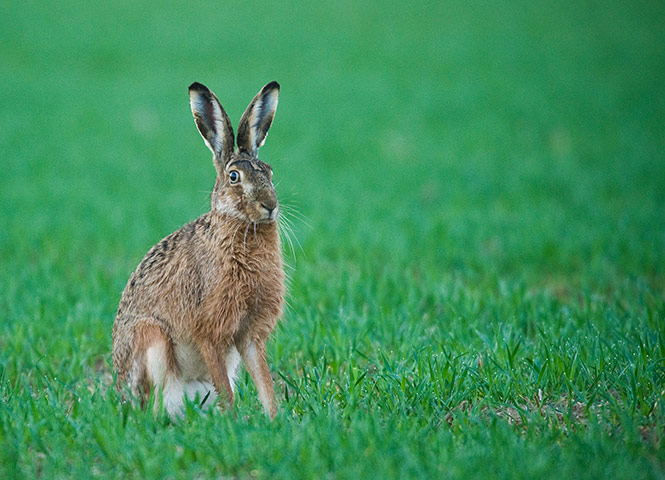
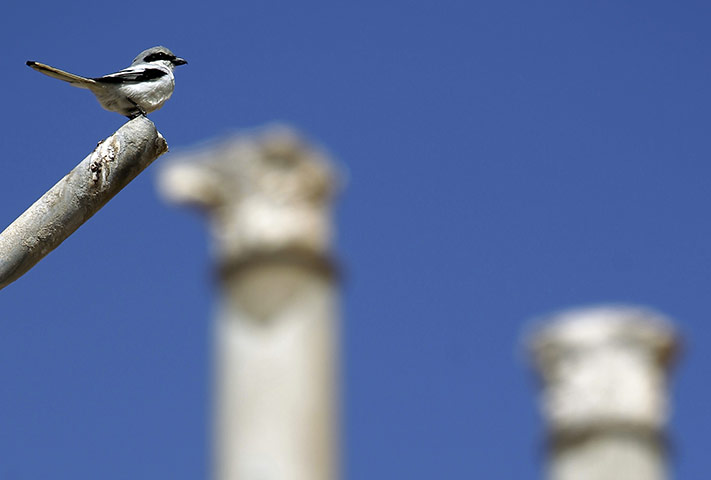
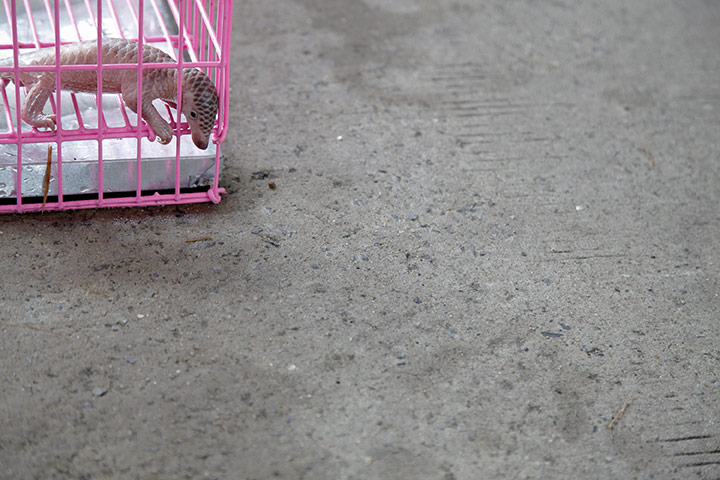
A European hare (Lepus europaeus) hops into a field near Reitwein, eastern GermanyPhotograph: Patrick Pleul/AFP/Getty ImagesA bird inspects the ancient ruins of Leptis Magna, listed as a Unesco world heritage site, in the Libyan coastal city of Lebda on 15 2011.Photograph: Joseph Eid/AFP/Getty ImagesA newborn pangolin tries to escape during a news conference at Thai customs in Bangkok. Staff found 175 of the animals hidden in a truck heading into Bangkok. Pangolins, or Manis Javanica, are endangered species native to south-east Asia. Some people believe their meat and blood can enhance virilityPhotograph: Damir Sagolj/Reuters
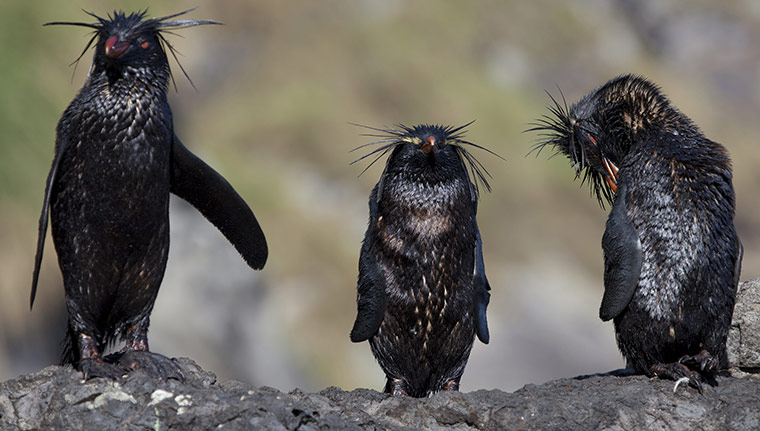
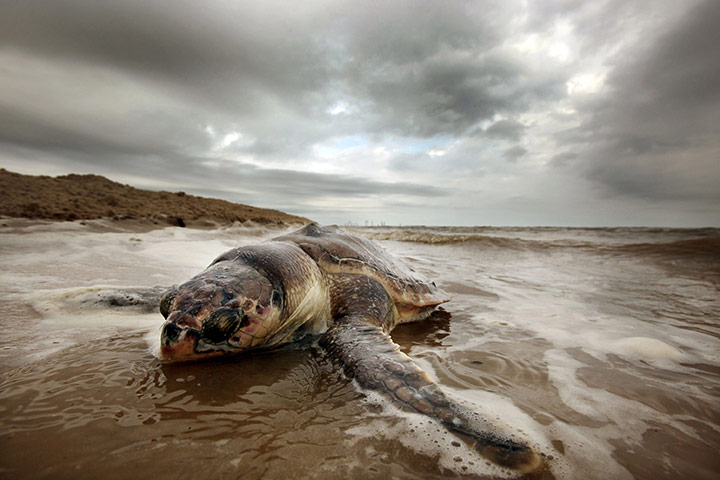
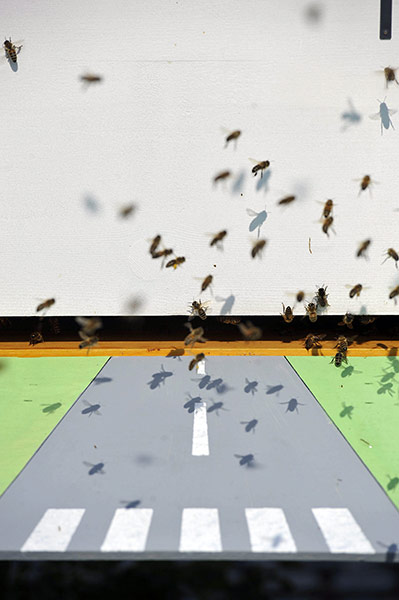
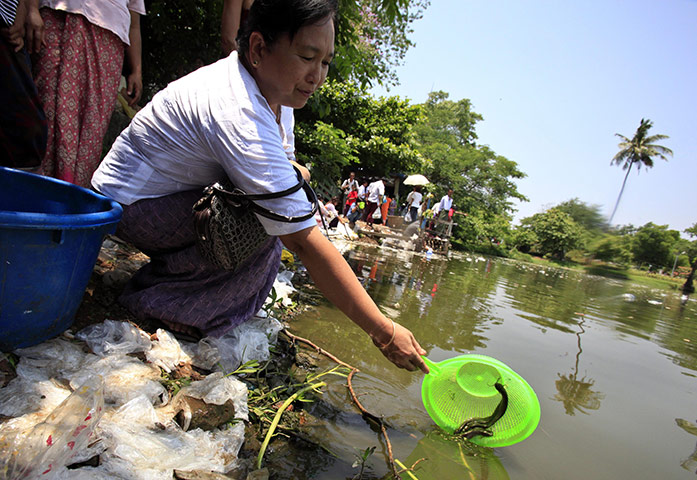
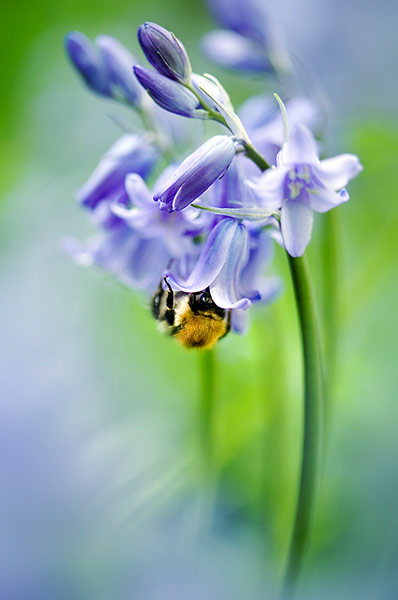
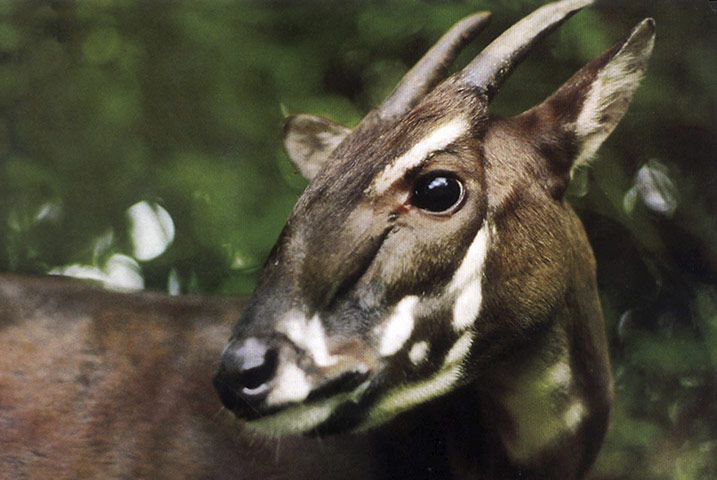
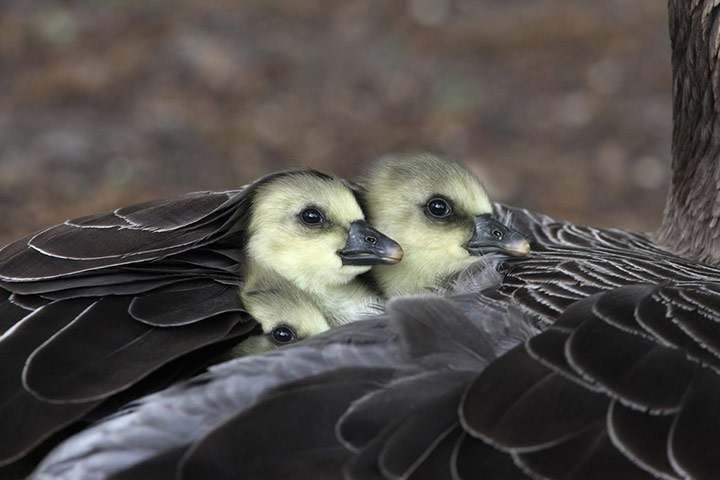
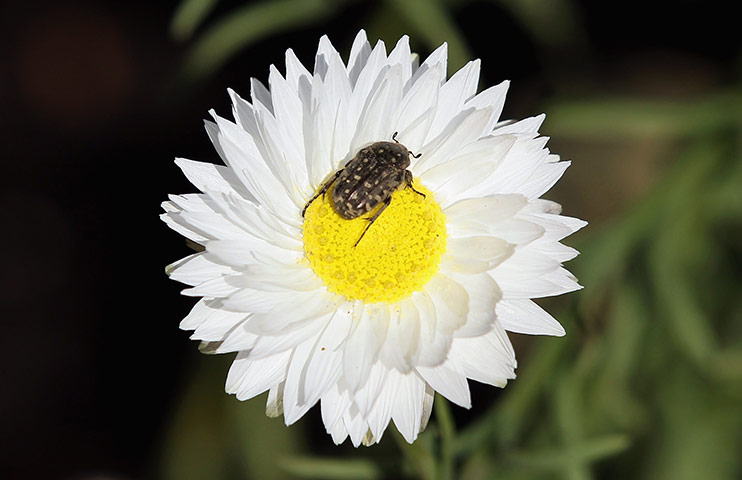
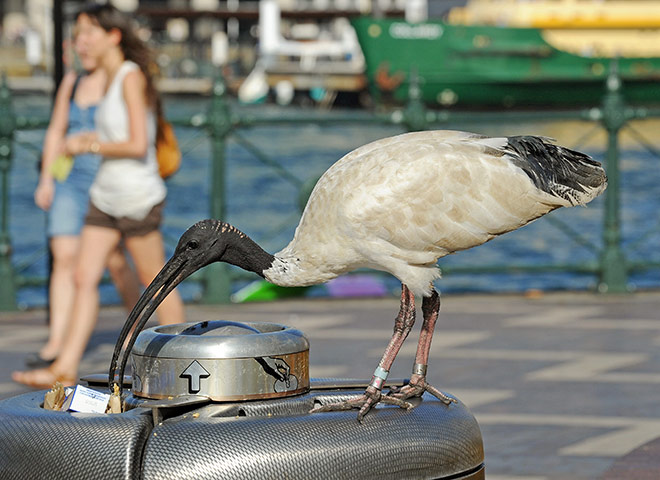
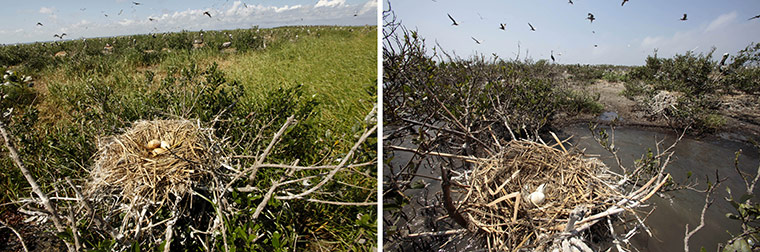
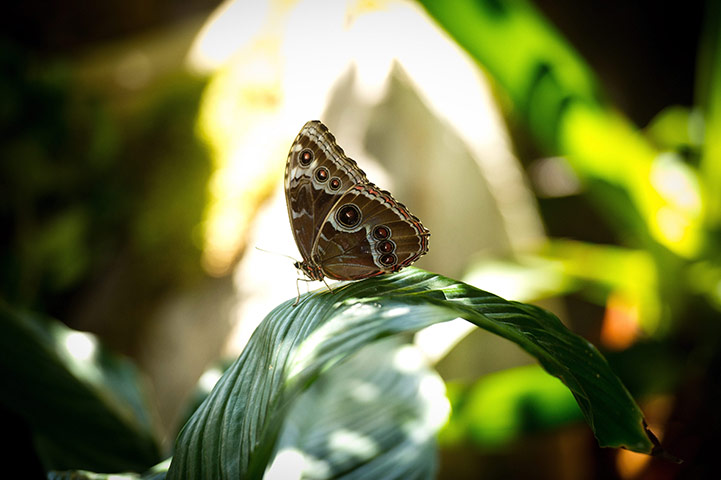
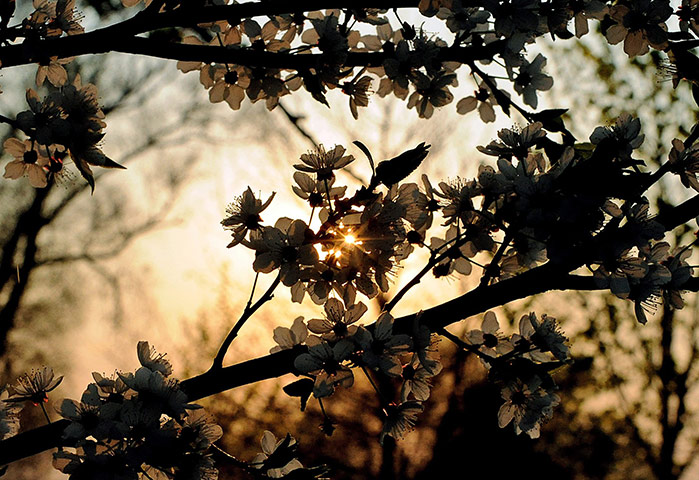
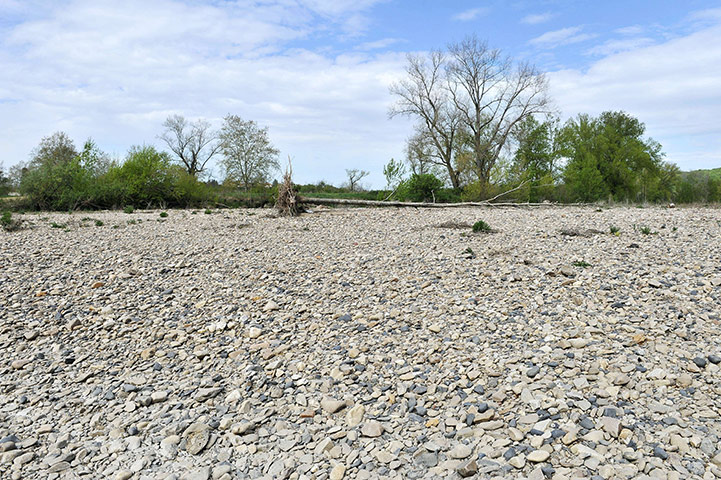
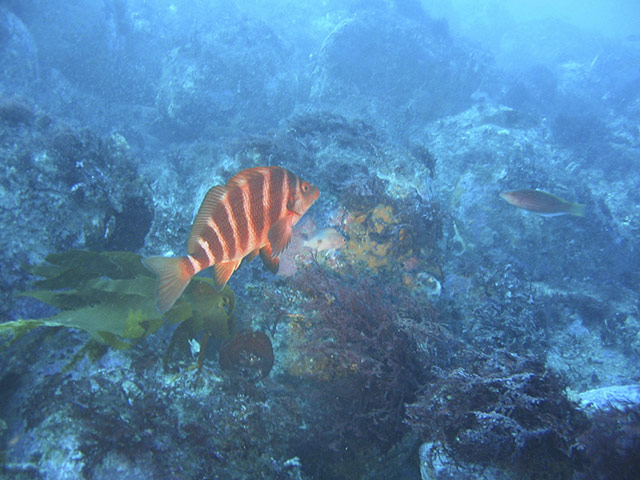
Oil-drenched northern Rockhopper penguins on Nightingale island, 20 miles from the main island of Tristan da Cunha in the south PacificPhotograph: Kent Kobersteen/National Geographic/Getty ImagesA dead sea turtle is washed ashore in Waveland, Mississippi. Endangered turtles and dolphins were dying in high numbers last year as a result of the BP oil spill. This week marks the first anniversary of the environmental disaster, the worst in US history Photograph: Mario Tama/Getty ImagesBees swarm around a beehive during a press conference about the 'International bird airport' (Ornithoport) and the 'Bundesbienen' (Federal Bees) in the Art and Exhibition Centre of the Federal Republic of Germany in Bonn. As a location of arrival and departure, the Ornithoport wishes to attract birds and to be a meeting point for the 12 'Federal' bee colonies.Photograph: Henning Kaiser/EPAA woman releases fishes into the lake in Yangon, Myanmar. Locals celebrating Burmese new year go to the pagoda, donate food, free birds or fishes and pay respect to the elderly Photograph: Nyein Chan Naing/EPABluebells in bloom are a quintessential sight in the spring months: they are a sure sign the days are getting longer and warmerPhotograph: FlickrA saola pauses in the jungle of Vietnam. A new nature reserve in Quang Nam raises hope for the survival of the recently discovered and critically endangered antelope-like species, known locally as the Asian unicornPhotograph: APGreylag geese chicks strike a pose. Budding photographers and videographers thinking of showing off their skills can enter the British Wildlife Photograph Awards, which is open until 2 JunePhotograph: Mike Lane/BWPAn insect draws nectar from a flower in the new Australia Landscape installation at the British Museum in London, England. The landscape developed by Kew Gardens forms part of the Australia season on the museum's forecourt, and includes rare and unique plants from across the country. The exhibition runs until October 2011 Photograph: Dan Kitwood/Getty ImagesA ong-beaked ibis rummages for food scraps in a bin on Sydney's tourist precinct, Circular Quay. It's not yet Bodega Bay from Alfred Hitchcock's The Birds, but the animals are increasingly becoming a concern for Sydney residents, with large colonies stalking bins, flocks of native cockatoos chewing timber structures and miner birds creating lots of noise Photograph: Greg Wood/AFP/Getty ImagesOil-smeared pelican eggs in a nest on Cat Island, home to hundreds of the species, as well as gulls and roseate spoonbills. The area has been impacted by the Deepwater Horizon oil spill in Barataria Bay, just inside the the coast of Lousiana, US. The photo on the right, taken at the same spot a year after the accident, shows the island has significantly eroded and the marsh grass and mangrove trees that pelicans nest on decimated Photograph: Gerald Herbert/APA butterfly takes a break on a leaf at the newly opened butterfly house in Lodz zoo, Poland. The miniature jungle is the first of its kind in the cityPhotograph: Grzegorz Michalowski/EPAApple tree blossoms are silhouetted against the setting sun near Usti Nad Orlici, Czech Republic. Temperatures there peaked at 20C on Maundy ThursdayPhotograph: FILIP SINGER/EPAThe parched Allier riverbed near Brassac-les-Mines, central France. A drought has forced eight districts to impose water restrictionsPhotograph: Thierry Zoccolan/AFP/Getty ImagesA banded morwong searches for food. Rapidly warming oceans threaten many fish species by stunting their growth, increasing stress and raising the risk of death, a study in the Australian journal Nature Climate Change showsPhotograph: Edward Forbes/University of Tasmania/Reuters
Sign up to read this article
Read news from 100’s of titles, curated specifically for you.