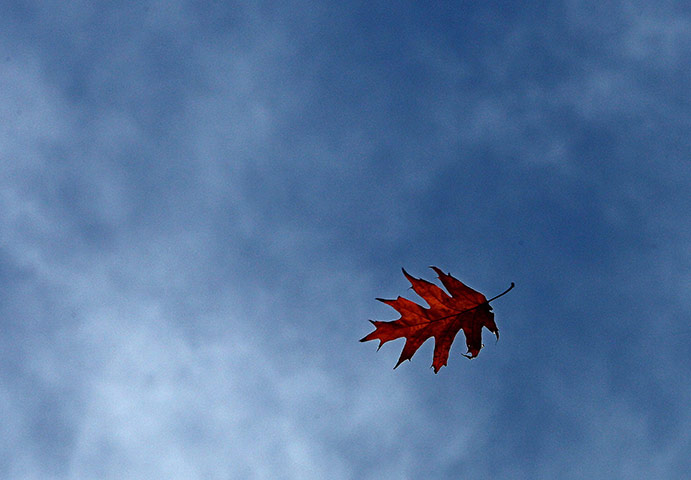
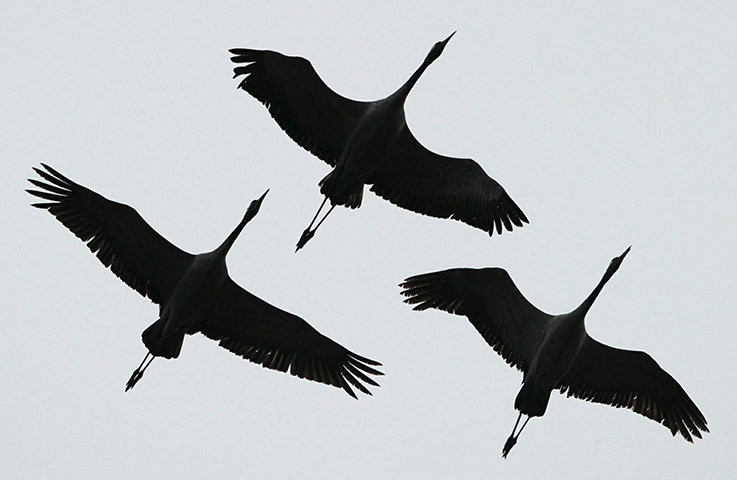
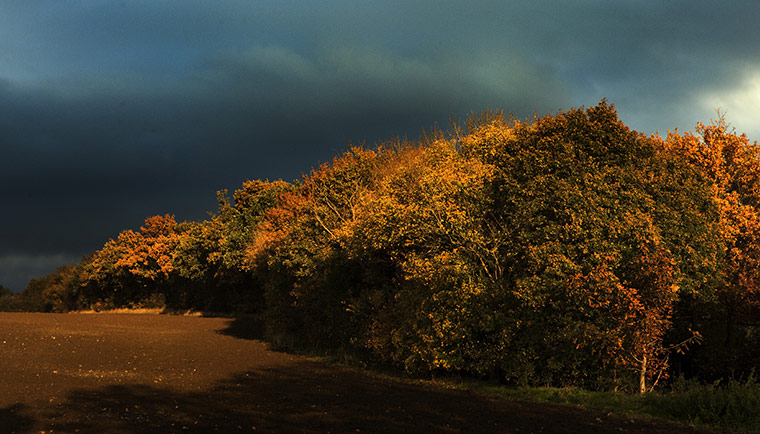
An autumn leaf is carried by the wind on a sunny day in Bucharest, RomaniaPhotograph: Robert Ghement/EPACranes fly over near Linum, north-eastern Germany. On their way from the wetlands of Russia, Scandinavia and eastern Europe, the migratory birds rest in eastern Germany's wetlands before continuing their journey to Africa and southern Europe, where they are winteringPhotograph: Johannes Eisele/AFP/Getty ImagesTrees in autumn leaf under stormy skies in Hoxne, Suffolk, England Photograph: Graham Turner/Guardian
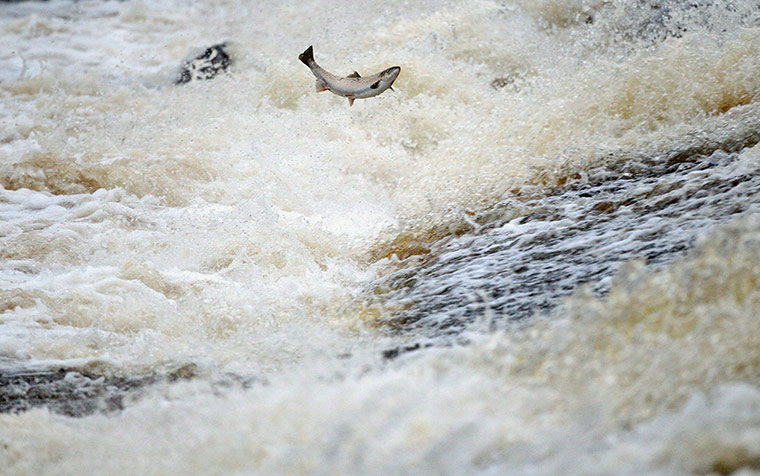
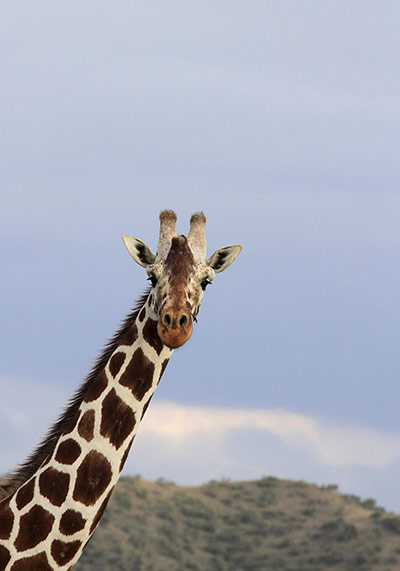
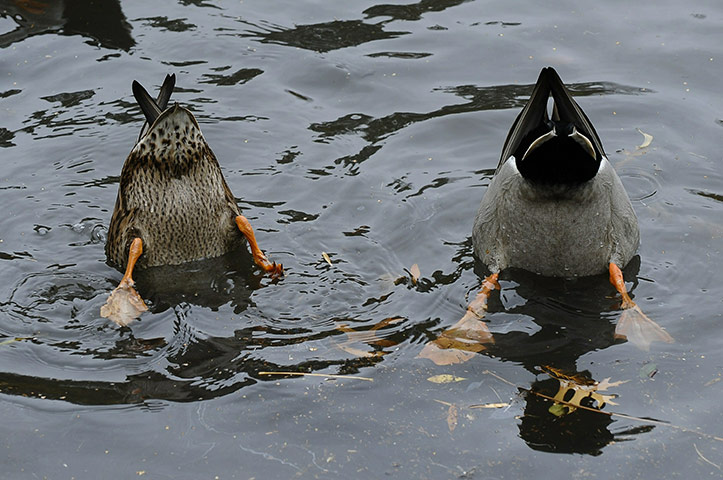
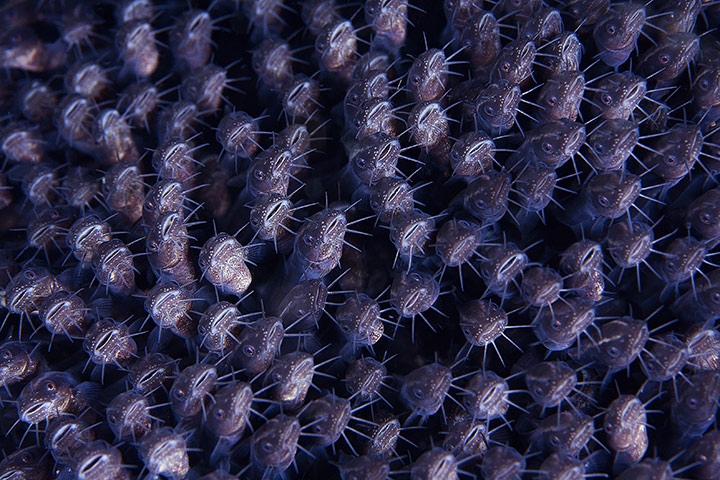
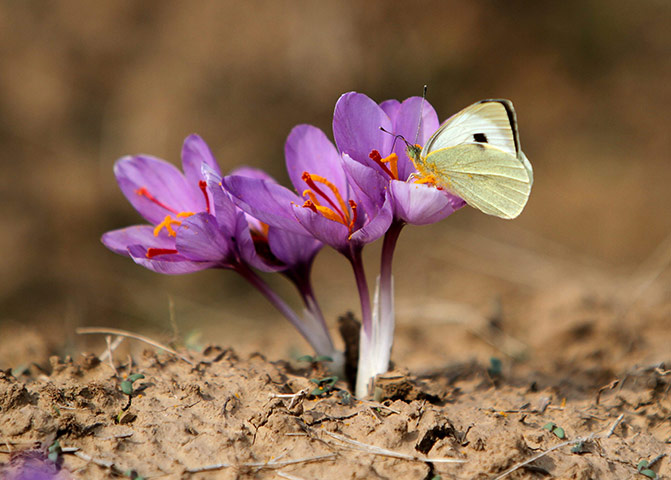
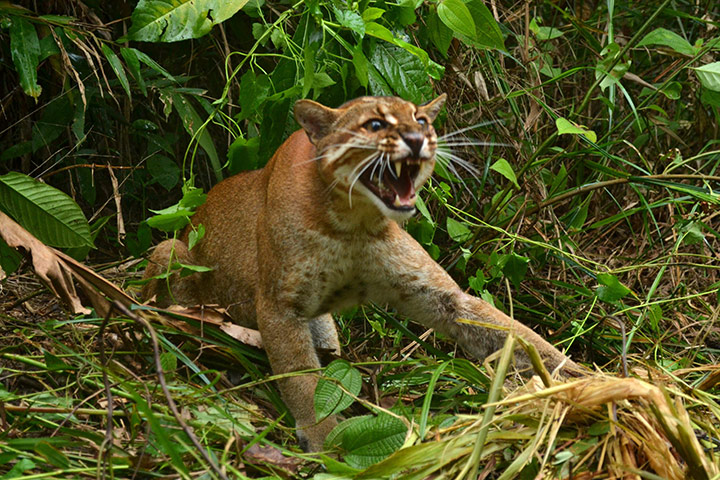
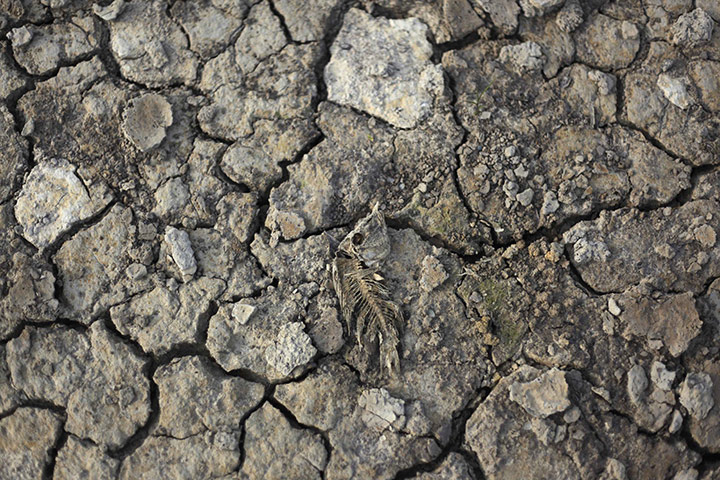
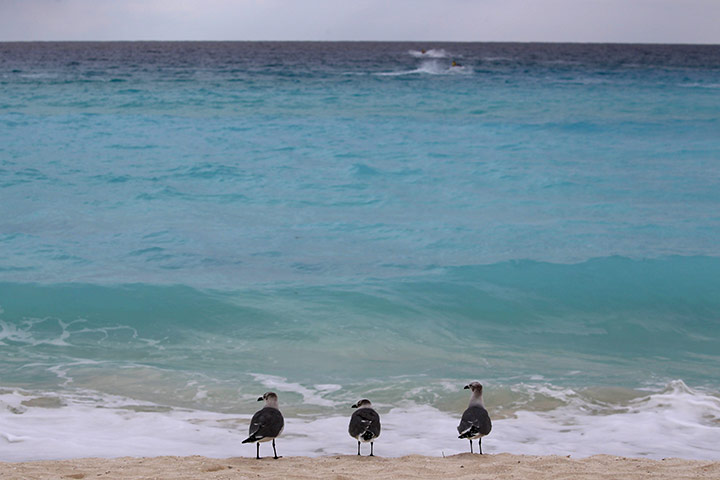
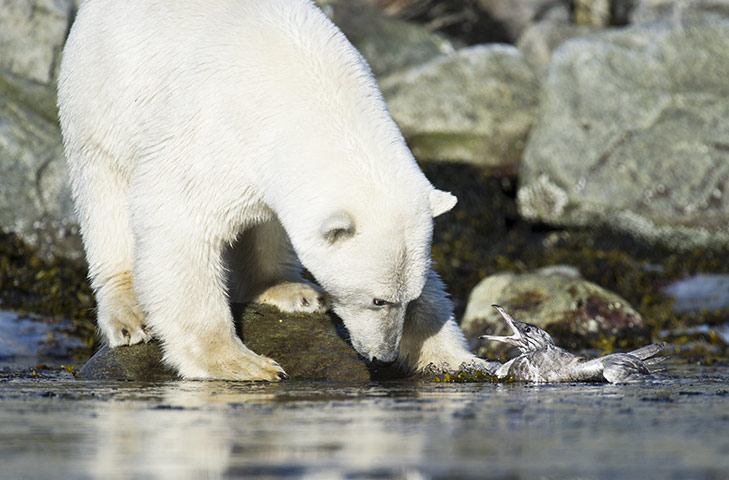
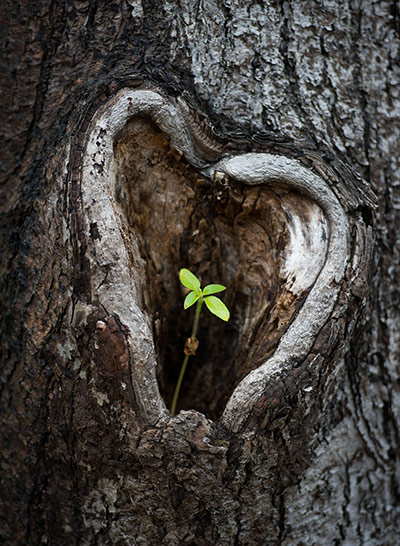
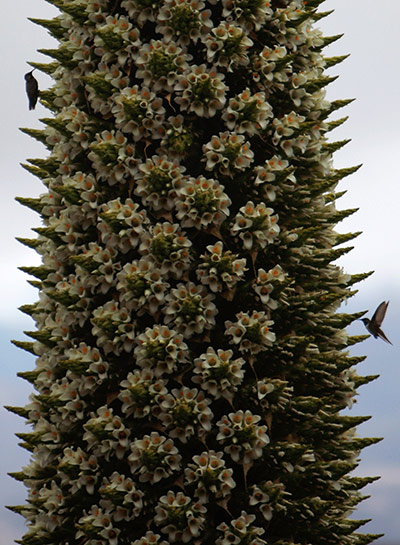
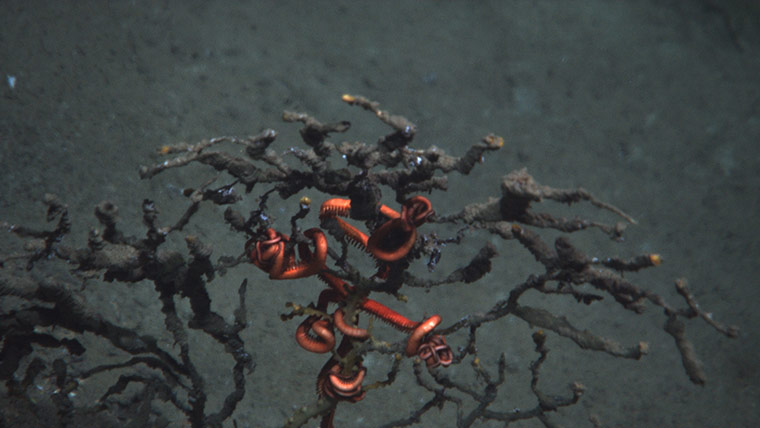
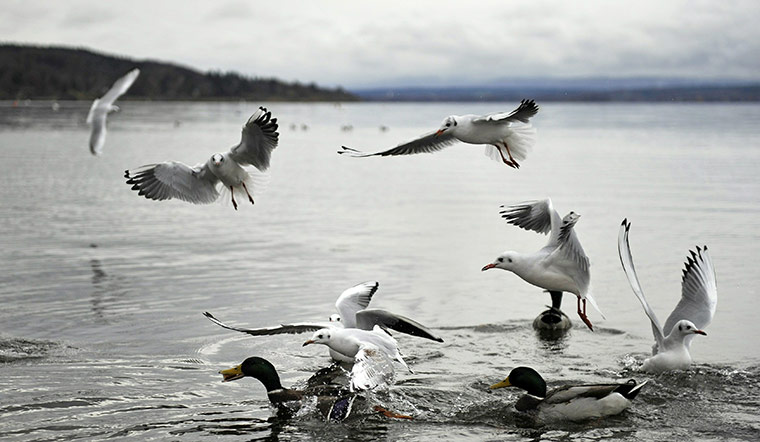
Salmon attempt to leap up the fish ladder in the River Ettrick in Selkirk, Scotland. The salmon are returning upstream from the sea where they have spent between two and four winters feeding. Many cover huge distances to return to the fresh waters to spawnPhotograph: Jeff J Mitchell/Getty ImagesA reticulated male giraffe stands in the open grounds of Borana Ranch near Mount Kenya, Kenya. Each subspecies of giraffe has different patterns of spots. Reticulated giraffes have large brown spots separated by cream linesPhotograph: Noor Khamis/ReutersDucks feed at the pond in Central Park, New YorkPhotograph: Timothy A. Clary/AFP/Getty Images'Multitude' - Schooling Catfish in Indonesia, by Acevedo Eduardo, was among the collection of the year's best underwater photography, chosen by the judges of two major competitions - Our World Under Water and the fourth annual Deep International Underwater competitionPhotograph: Acevedo Eduardo/Barcroft MediaA butterfly on a saffron flower in a saffron field in Pampore, India. Pampore, in Kashmir, is famous for its good quality saffronPhotograph: Farooq Khan/EPAMalaysian wildlife authorities this week rescued a rare Asian golden cat, which was caught in a snare and destined for the cooking pot. On 21 November, heads of state and senior diplomats from 11 key countries will gather in St Petersburg, to discuss the fate of another cat species: the tigerPhotograph: HO/AFP/Getty ImagesA dead fish lies on an exposed bank of the Solimões River near Manacapuru, in Amazonas state, northern Brazil. A severe drought has pushed river levels in Brazil's Amazon region to record lows, leaving isolated communities dependent on emergency aid and thousands of boats stranded on parched riverbedsPhotograph: Ricardo Moraes/ReutersGulls on the beach in Cancún, Mexico. The rate of decline of waterbird populations has slightly decreased over the last three decades, scientists found this week. However, 47% of the waterbird populations are still declining and only 16% are increasing. The status of waterbirds is improving mainly in North America and Europe, while it is least favourable in Asia. Especially long distance migrants appear to be vulnerablePhotograph: Dario Lopez-Mills/APNorwegian photographer Roy Mangersnes captured a scuffle between a polar bear and a gull. The sea bird fought back after the bear tried to eat it. Mangersnes explains: 'During my recent trip to the Arctic archipelago of Svalbard I came across a unique encounter that to my knowledge never have been documented before. As the ice is declining on the northern hemisphere polar bears are struggling to find their main food source in this part of the Arctic - seals. Bears will also search out birds eggs and young in the summer, but never adult birds.'Photograph: Roy Mangersnes/Rex FeaturesThis northwestern crow from Juneau, Alaska, is among an estimated 17% of adult birds affected by avian keratin disorder in coastal Alaska. Scientists are concerned that deformed beaks may signal greater environmental health problemsPhotograph: USGSA young plant sprouts out of a heart-shaped knothole in a Tilia tree in Lieberose, GermanyPhotograph: Patrick Pleul/EPATwo birds feed on the flowers of a Puya Raimondi plant that blooms about every 80 to 100 years, near Thumi, Bolivia. Known as the Queen of the Andes, the rare plant - once seen as a nuisance to the locals - has gained status because it draws tourists to the impoverished areaPhotograph: Juan Karita/APBrittle starfish wind themselves around coral several miles from the site of the blown-out BP well in the Gulf of Mexico. The coral appears to be covered with brown material. Although the orange tips on some branches of the coral is the colour of living tissue, it is unlikely that any living tissue remains on this animal. For the first time, federal scientists say they have found damage to deep sea coral and other marine life from the the Deepwater Horizon rig, but tests are needed to verify that the coral died from oil released in the disasterPhotograph: APSea gulls and mallards feed at Ammersee in Bavaria, GermanyPhotograph: Marc Mueller/AFP/Getty Images
Sign up to read this article
Read news from 100’s of titles, curated specifically for you.