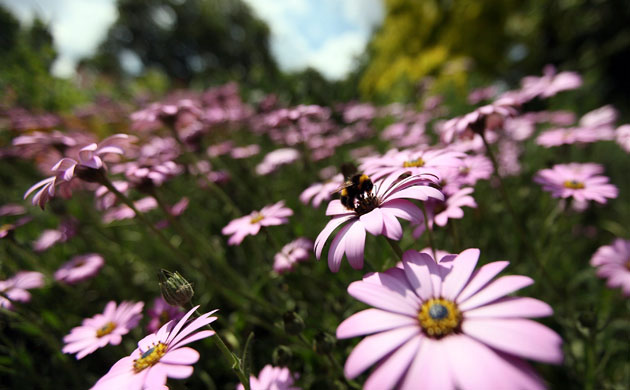
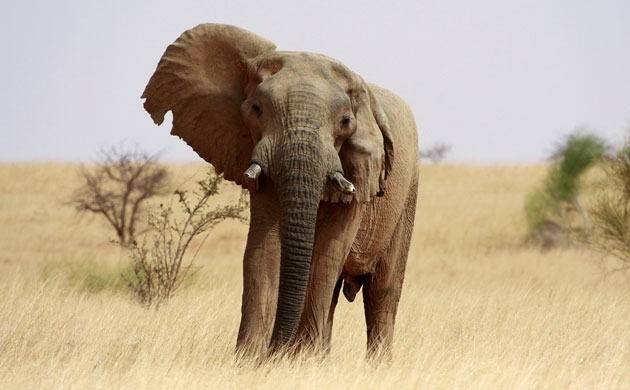
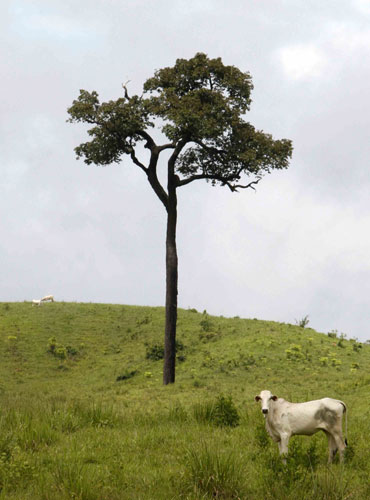
A bee lands on flowers in the sunshine in St James's Park in London, England. It was announced this week that the short-haired bumblebee, which died out in the UK but survived in New Zealand after being shipped there more than 100 years ago, is to be reintroduced to BritainPhotograph: Dan Kitwood/guardian.co.ukAn old bull elephant that has strayed from his herd searches for water in the drought-stricken Gourma region of southern Mali. Mali's 350 to 450 desert elephants, the northernmost elephant species of Africa, are accustomed to surviving in harsh drought conditions. But one of their crucial water sources, Lake Banzena, recently dried up, putting the animals at riskPhotograph: STR/guardian.co.ukThe Brazil nut tree, the largest of trees in the Amazon's rainforests, is seen in a deforested area in Santa Barbara farm, close to Maraba, in Brazil's central state of Para. Soon thousands of cows will be chewing pasture on the freshly cleared land in Brazil's Amazon state of Para, just a tiny part of Brazil's 200-million-strong commercial cattle herd, the world's biggest, that makes it a beef superpower. More than 70 million are in the Amazon area, three for every person. This is where the industry has grown fastest in recent years, a trend activists say is due to cheap land, widespread illegal clearing and weak government enforcementPhotograph: Paulo Whitaker/Reuters
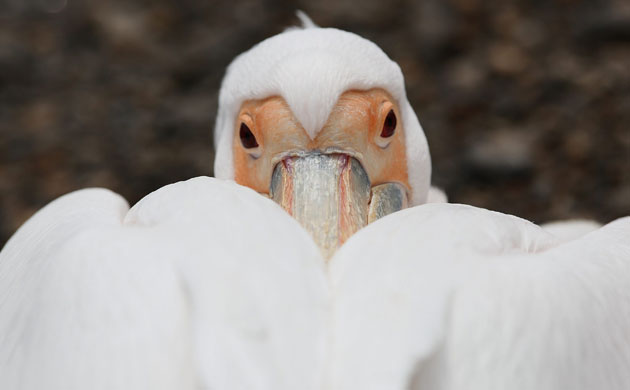
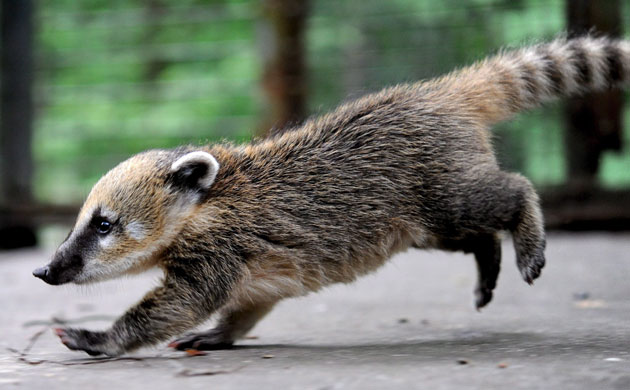
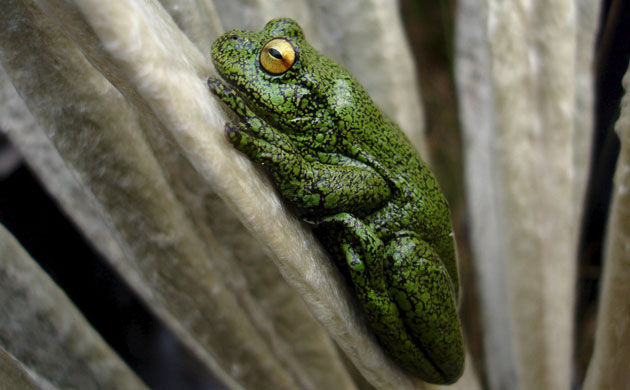
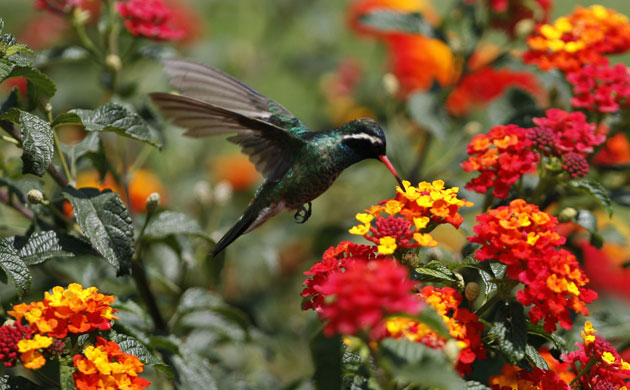
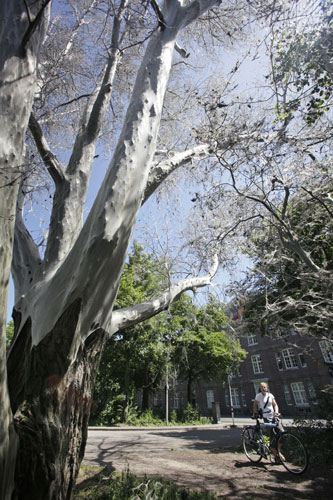
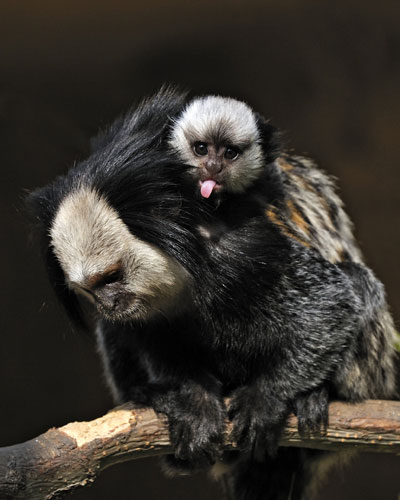
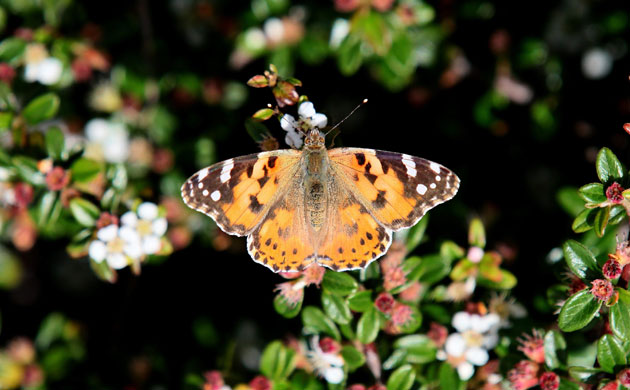
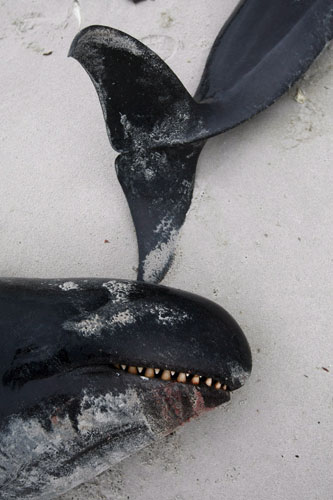
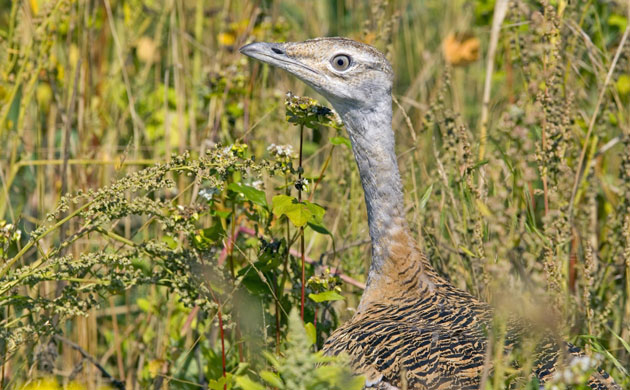
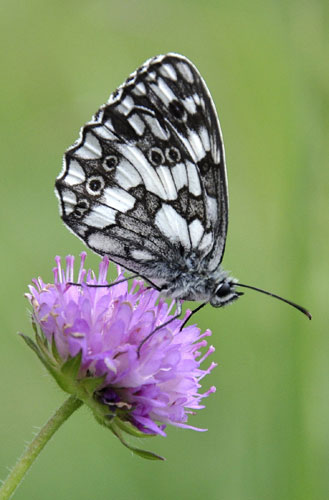
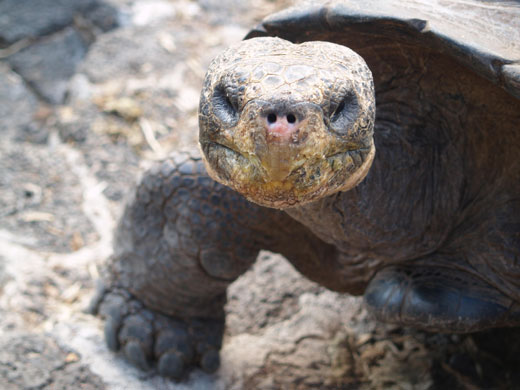
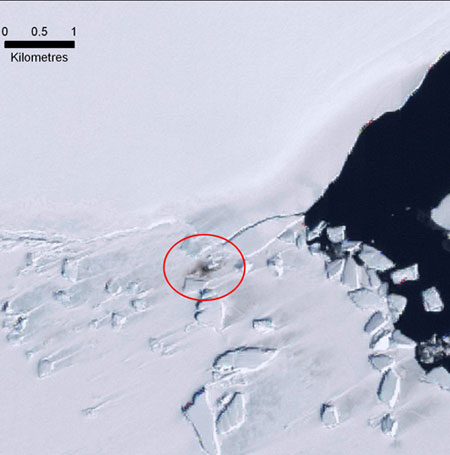
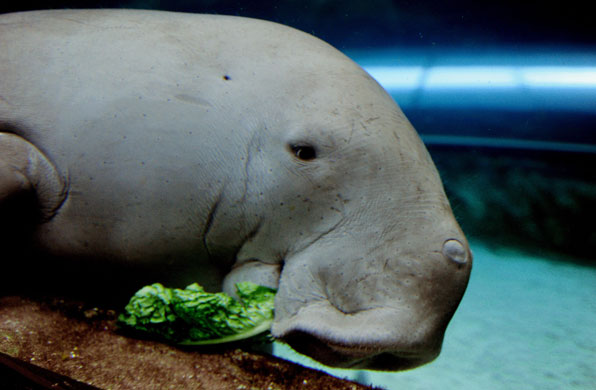
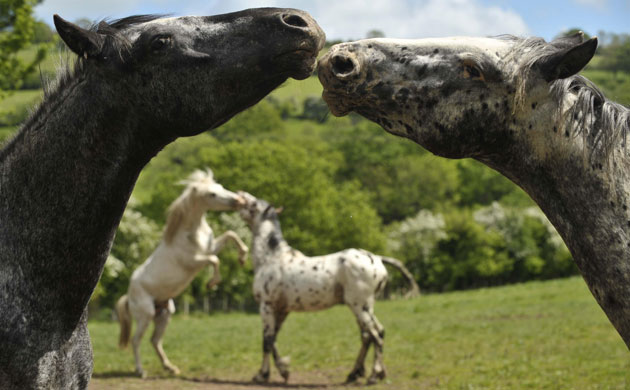
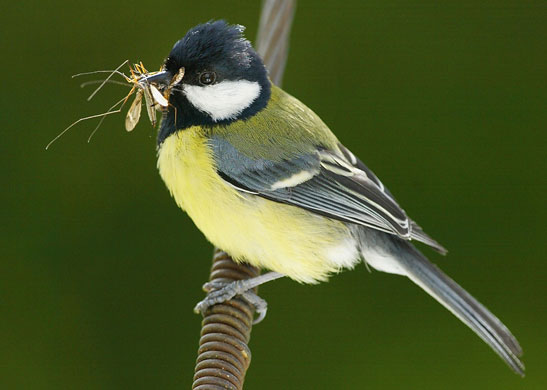
A pelican rests in the sunshine in St James's Park in LondonPhotograph: Dan Kitwood/Getty ImagesRosali, a young coati plays at the zoo in Hanover, Germany. Having spent the first six weeks of their life in a breeding cave after their birth on 20 April, Rosalie and her brother Jasper are now admitted to an outdoor enclosure. Coatis are part of the racoon family, and are also known as the hog-nosed coon, snookum bear and the Brazilian aardvarkPhotograph: Jochen Luebke/EPASeveral species of amphibians in the Colombian mountains - including this Andean frog - are under threat from chytrid fungus, a disease that is devastating amphibian populations worldwide, according to Andrew J Crawford, a biologist from the Smithsonian Tropical Research Institute in Panama. Chytrid fungus is a disease which infects the skin through which many amphibians drink and breathe. In recent decades it has spread rapidly, and some scientists believe the situation is worsening as temperatures rise due to of climate changePhotograph: Andre Wj. Crawford/EPAA hummingbird hovers over a patch of flowers as it collects nectar in Mexico CityPhotograph: Marco Ugarte/APA bicyclist by a tree covered with the silken white webs of the ermine moth in Amsterdam. The caterpillars have been coating trees and cars all over the cityPhotograph: Peter Dejong/APMarmosets in the Ramat Gan safari park, Israel. Marmosets are highly active, living in the upper canopy of forest trees, feeding on insects, fruit and leaves. They live in family groups of three to 15, consisting of one to two breeding females, an unrelated male, their offspring and occasionally extended family members and unrelated individualsPhotograph: Tibor Jager/guardian.co.ukA painted lady butterfly lands on some flowers on in Luton, England. Warm weather and favourable winds have led to the arrival of the largest migration of the painted lady species ever seen in the UKPhotograph: Dan Kitwood/Getty ImagesThe bodies of beached false killer whales on Longbeach in Cape Town, South Africa. Marine scientists euthanased 34 whales following their beaching on 30 May 2009. Of the group of 55, 20 whales were helped back out to sea by members of the public – but 34 returned to the beach and the decision was taken to put them downPhotograph: Nic Bothma/guardian.co.ukA bustard on Salisbury Plain - part of a programme to reintroduce the birds back into Britain Photograph: David Kjaer/RSPB/PAA butterfly rests on the stem of a plant in Medvode, Slovenia. See reader photos of butterflies and share your own herePhotograph: Srdjan Zivulovic/ReutersA Galapagos giant tortoise. Galapagos giant tortoises and marine iguanas are under threat from evolving mosquitoes which have developed a taste for reptile blood. The animals, unique to the Galapagos islands, could be at serious risk from diseases spread by the insects, experts fearPhotograph: Penelope Curtis/PAA satellite image showing the mark left by emporer penguin poo (circled) in the Antarctic. Researchers have discovered new colonies after tracking the penguins by spotting their poo from spacePhotograph: British Antarctic SurveySydney Aquarium's dugong, Wuru, eats lettuce from a special lettuce birthday cake during the Aquarium's 21st birthday celebration in Sydney on 4 June, 2009Photograph: Greg Wood/AFP/Getty ImagesHorses enjoy the sunshine near the Black Hill, Craswall, HerefordshirePhotograph: Ben Birchall/PAA great tit pauses on a washing line with an insect in its beak to feed its young in Ayrshire, Scotland. The RSPB wants nature lovers to spend an hour spotting wildlife in their back gardens from 8-14 June in a summer version of the Big Garden Birdwatch. This week a survey of great tits found that city birds sing higher than their country cousins in order to be heard above the urban dinPhotograph: Christopher Furlong/Getty Images
Sign up to read this article
Read news from 100’s of titles, curated specifically for you.







.png?w=600)







