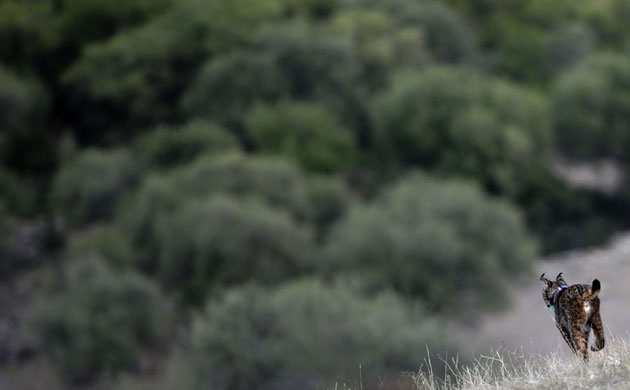
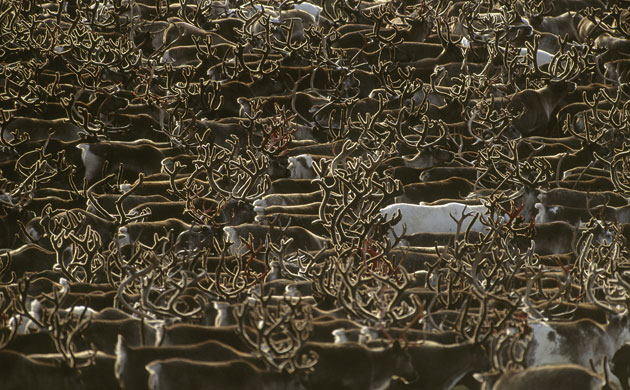
A lynx is released during the first experimental reintroduction of two Iberian lynxes in Villafranca de Cordoba, southern Spain, on December 14, 2009. At the start of the 20th century there were 100,000 of the animals in Spain and Portugal, but urban development, hunting, and most of all a dramatic decline due to disease in the number of wild rabbits, the lynx's main prey, meant that barely 150 remained in 2002.Photograph: Cristina Quicler/guardian.co.ukMore than 5,000 reindeer bunched up together in a field to provide a photographer with a stunning image. The reindeer were pictured by 50 year old freelance photographer Staffan Widstrand in north east Siberia. The dad of two braved the freezing cold temperatures in Chukotka, Russia, but was rewarded with a snap of the gathering of some 5000 animals. See our copy for full story.
Must byline: Pic: Staffan Widstrand /Solent
Staffan Widstrand /Solent
02380 458800
WEBSITE USAGE: 50 per image, unless written agreement already in place with you.
SWD-002933.tif
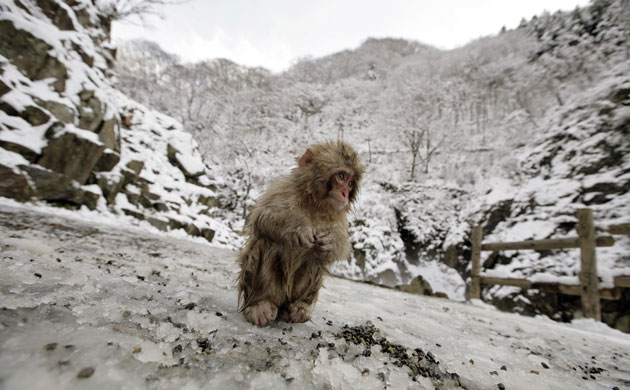
arcticPhotograph: Staffan Widstrand/guardian.co.ukA Japanese Macaque (or Snow Monkey) sits in the snow after climbing out of a hot spring in Yamanouchi town, central Japan, December 17, 2009. Photograph: Pablo Sanchez/guardian.co.uk
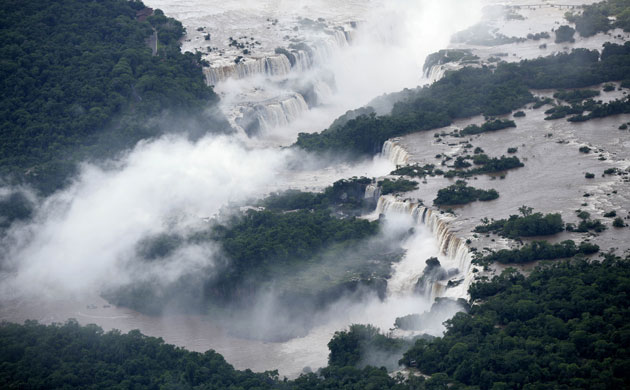
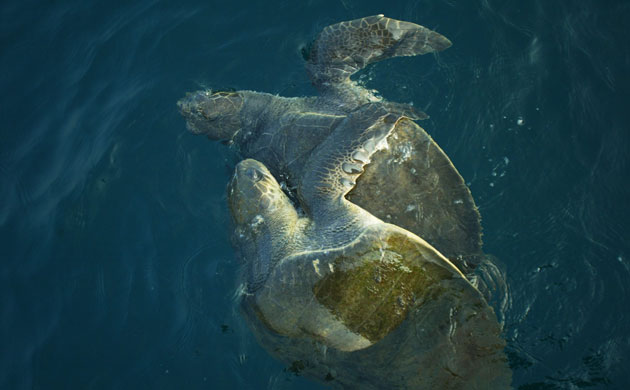
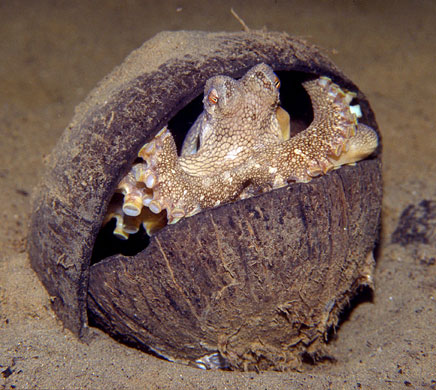
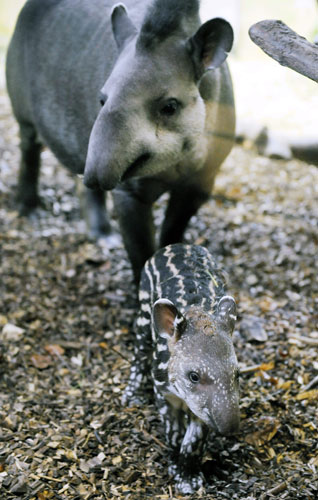
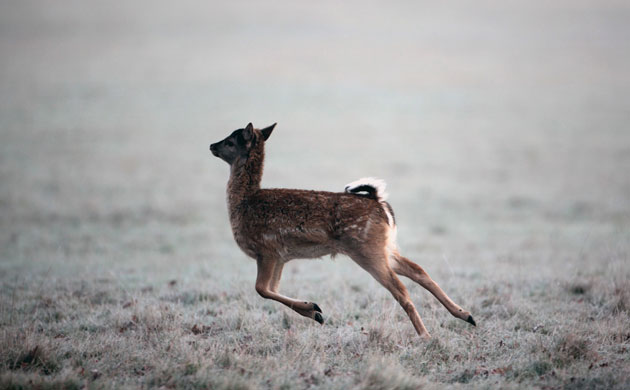
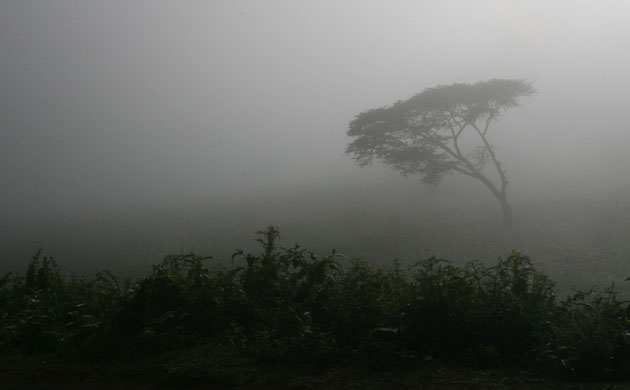
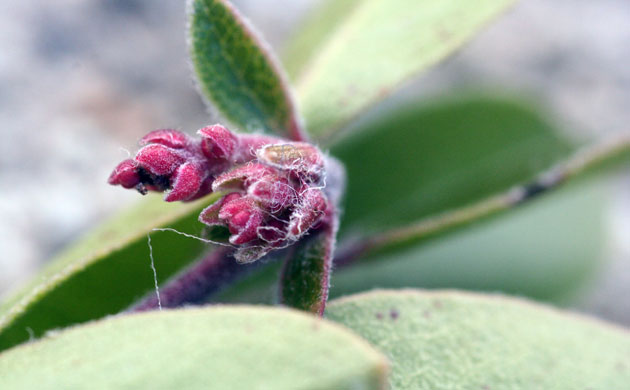
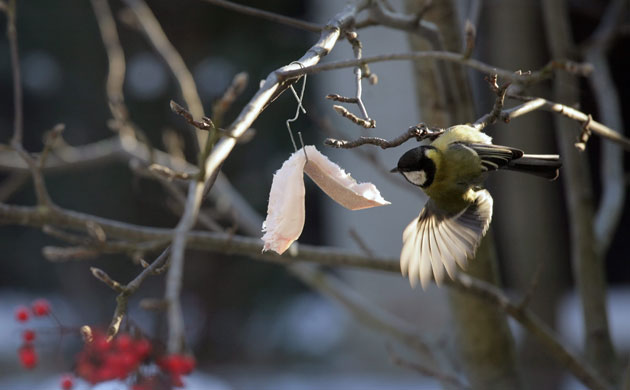
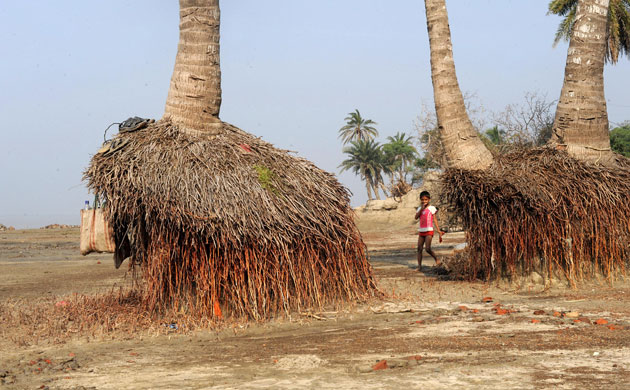
Iguazu falls is seen along the border of Brazil with Argentina, December 15, 2009. The Atlantic Forest, home to the famous Iguazu falls and numerous plant and animal species, is one of the most endangered rainforests in the world. Photograph: Jorge Saenz/guardian.co.ukA pair of Olive Ridley Turtle mate before nesting, in the Bay of Bengal, just off coast of the Rushikulya river mouth in Ganjam district, 150 kms from Bhubaneswar city, India, 12 December 2009. Olive Ridley turtles, in large numbers, congregate here for their annual nesting every year. Photograph: STR/guardian.co.ukA undated supplied photo of Museum Victoria made available December 16, 2009 of a Veined Octopus, Amphioctopus marginatus, using coconut shells for shelter on the ocean floor near Indonesia. Museum Victoria scientists revealed on December 15 their recording of the first case of tool use in an invertebrate.Photograph: Roger Steene/Museum Victoria / Ho/guardian.co.ukA young Lowland Tapir (Tapirus terrestris) walks in front of its mother at the zoo in Zurich, Switzerland, 16 December 2009. Photograph: Walter Bieri/guardian.co.uk A young fallow deer runs through the frost in Richmond Park on December 16, 2009 in London.Photograph: Dan Kitwood/guardian.co.ukA lone acacia tree is silhouetted by fog on the outskirts of Kitale, Kenya on 12 December 2009. As the Copenhagen climate conference approaches its grand finale it remains difficult to pin down causal links between greenhouse gas emissions and local weather events. What is clear is that some states, such as Kenya, are on the front line of climate change. Cash crops, rivers and wildlife - are crucial to Kenya's long-term viability. But they are being starved of moisture because of the degradation of the Mau forest that serves as the drainage basin at the country's ecological heart. The Mau was once a 400,000 hectare closed canopy forest spread across the rolling hills of the Rift Valley, which captured rain water and funnelled it via aquifers into 12 rivers and five big lakes. But since the 1990s nearly 30 per cent of it has been destroyed, according to the United Nations, by approximately 40,000 settlers and squatters who have cleared the trees to make way for subsistence farm plots.Photograph: Stephen Morrison/guardian.co.uk Photo provided by the Presidio Trust shows a Franciscan Manzanita plant. The last, wild Franciscan Manzanita was believed to have perished in the 1940s when the city cemeteries where it grew were moved south to allow for neighborhood expansion. But when construction crews recently cleared eucalyptus trees in the city's Presidio area, it exposed the only specimen known to exist in the wild. Photograph: guardian.co.ukBirds are fed with lard placed in trees in the suburbs of Moscow, Russia on 17 December 2009 as temperatures dropped considerably. Temperatures in Russia dropped to between minus 30 and minus 40 degrees and birds depend on nutrimental support to survive the long cold winter. Photograph: Vassili Korneyev/guardian.co.ukAn Indian child plays in the roots of palm trees exposed due to erosion on Ghoramara Island, in The Sundarbans, some 100kms south of Kolkata on December 11, 2009. Over the last 25 years, Ghoramara s land mass has been halved from nine square kilometers to just about 4.7 square km, because of rising sea levels a cause for concern, according to climate specialists. Photograph: Deshakalyan Chowdhury/guardian.co.uk
Sign up to read this article
Read news from 100’s of titles, curated specifically for you.