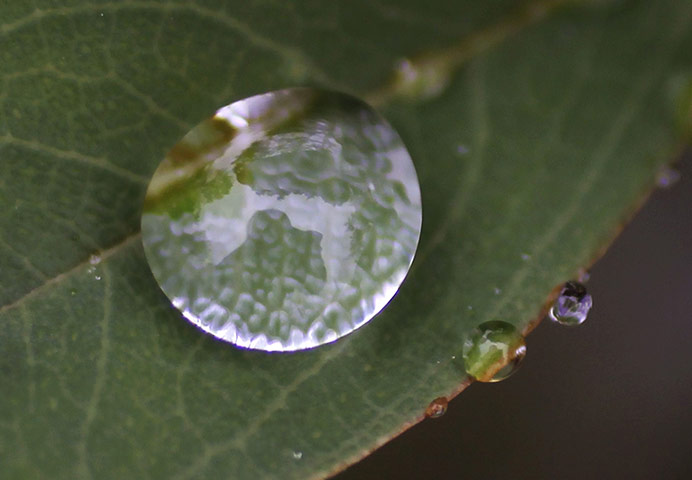
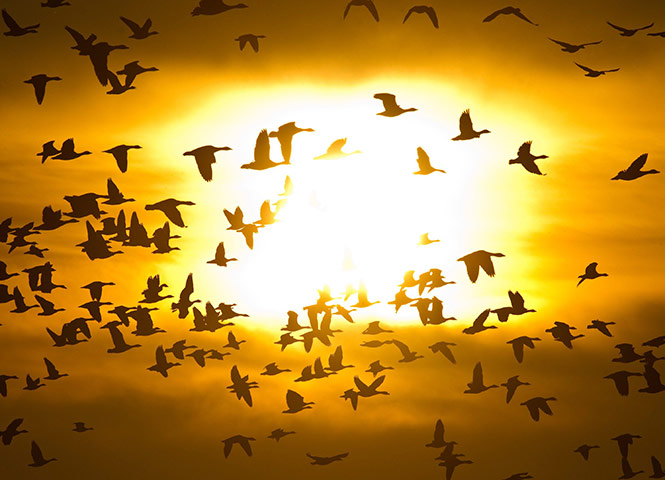
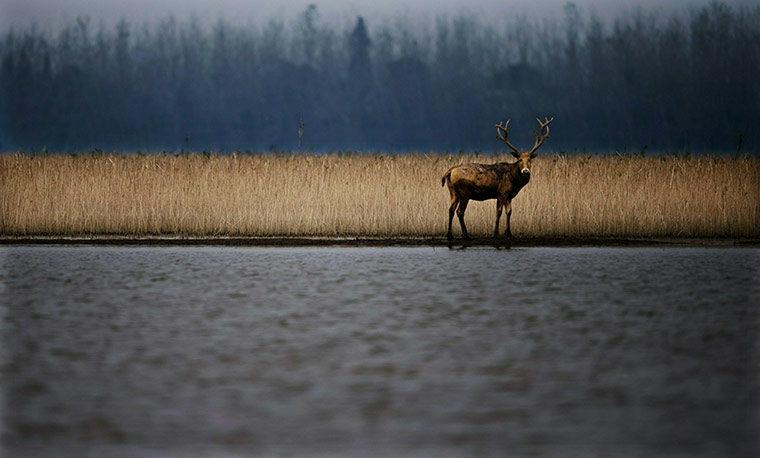
Trees reflected in a raindrop on a leaf in a park near the venue of the 10th Conference of the Parties to the Convention on Biological Diversity (COP10) in Nagoya, central Japan. Environment ministers from almost 200 nations agreed late last week to adopt a new United Nations strategy that aims to stem the worst loss of life on Earth since the demise of the dinosaursPhotograph: Yuriko Nakao/REUTERSGeese flying at sunrise in Reitwein, GermanyPhotograph: Patrick Pleul/EPAA Père David's deer, or milu, at the deer reserve in Shishou, Hubei province, China. More than 300 deer live in the 68.66 sq km wetland. This species of deer was first made known to western science in 1865, by Father Armand David (Père David), a French missionary working in China. Hunting made the species extinct in the wild and it is now known only in captivityPhotograph: China Photos/Getty Images
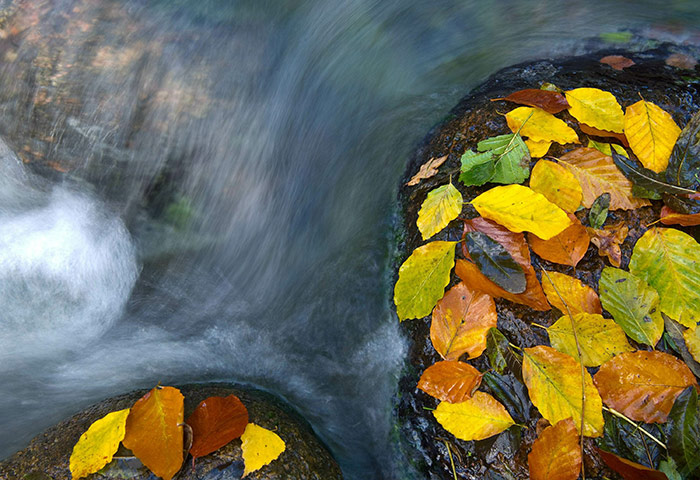
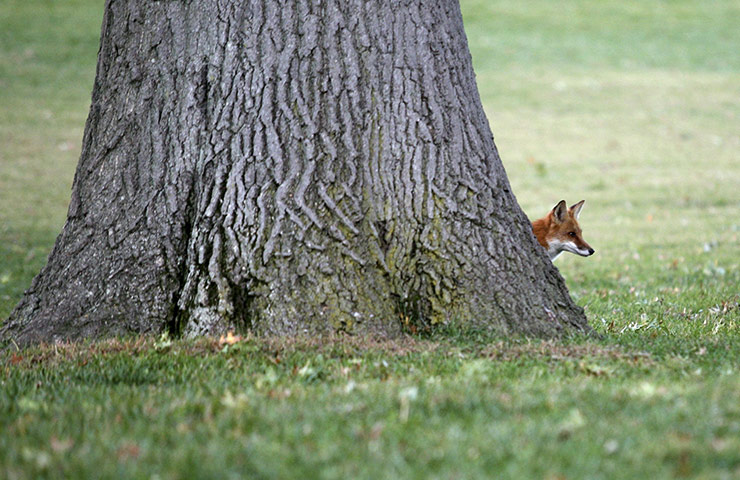
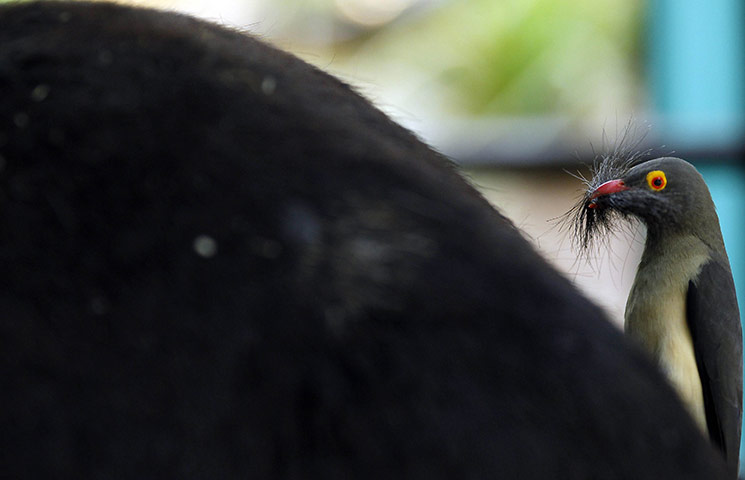
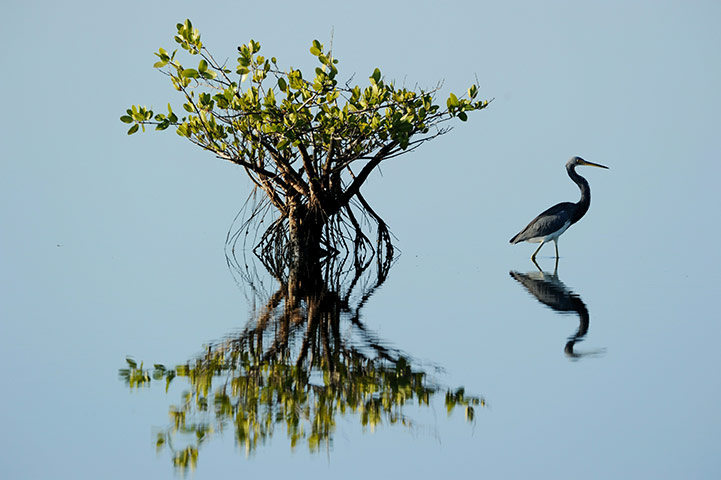
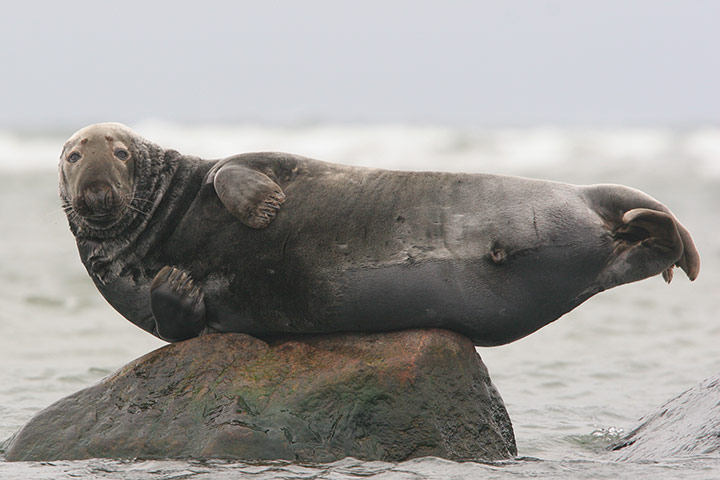
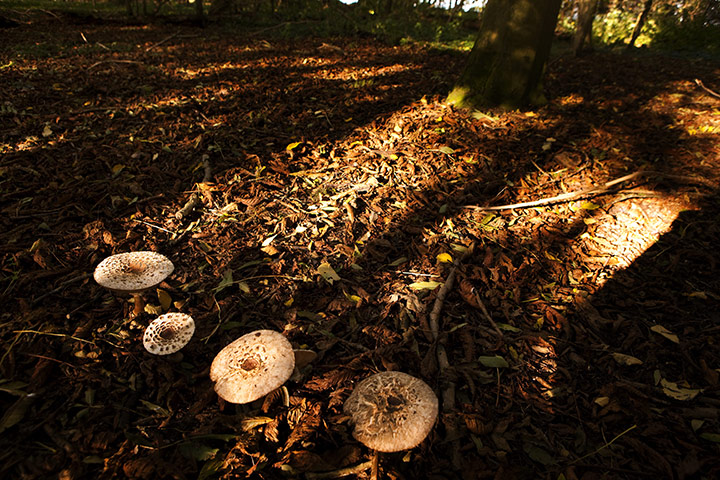
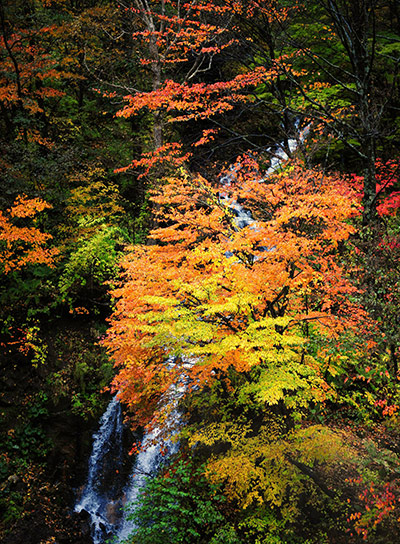
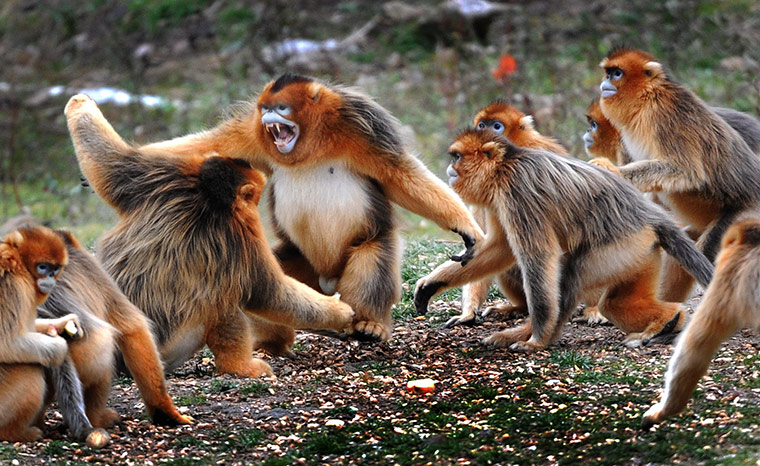
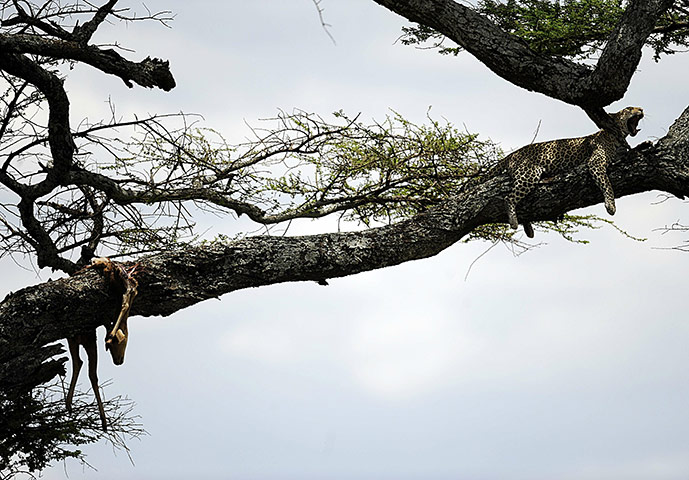
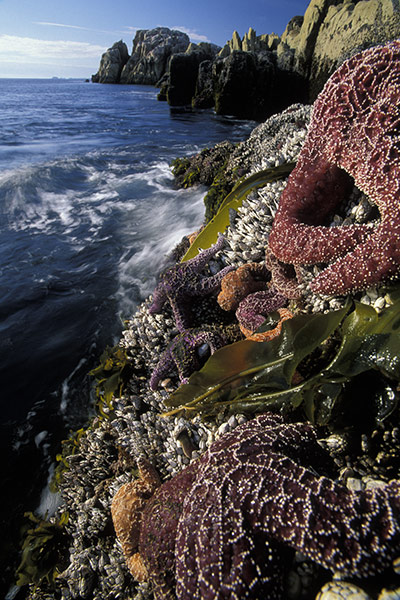
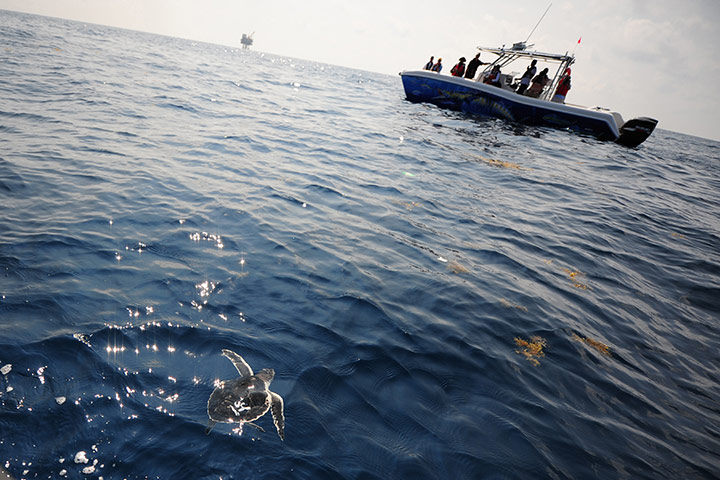
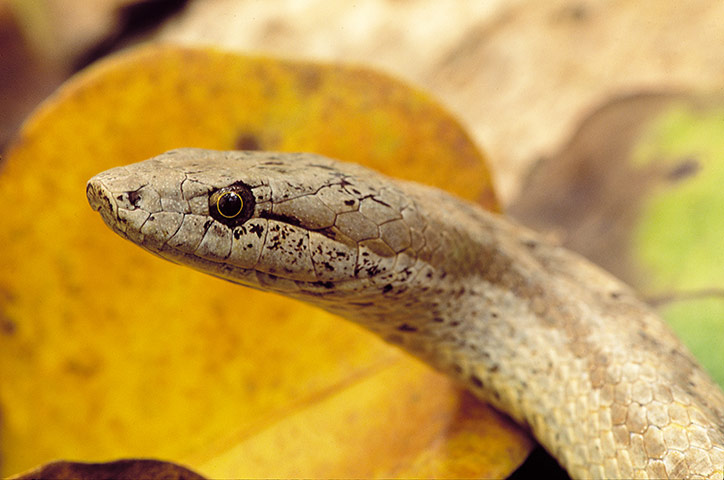
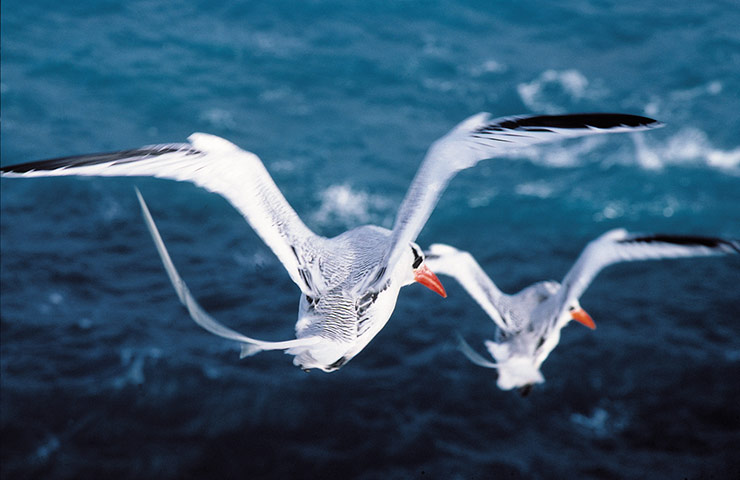
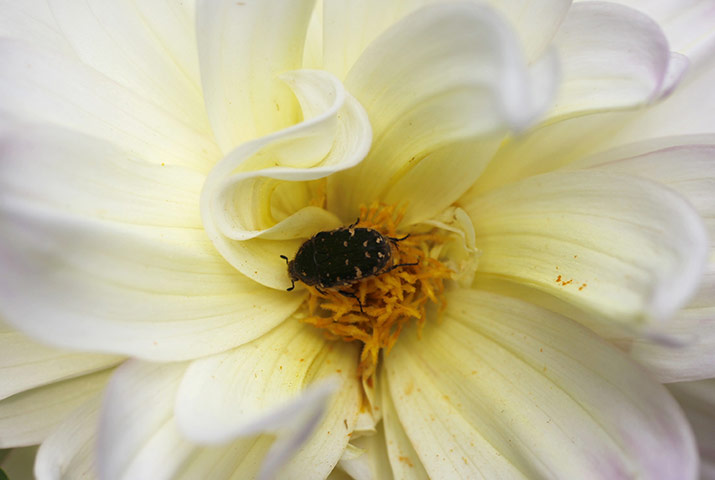
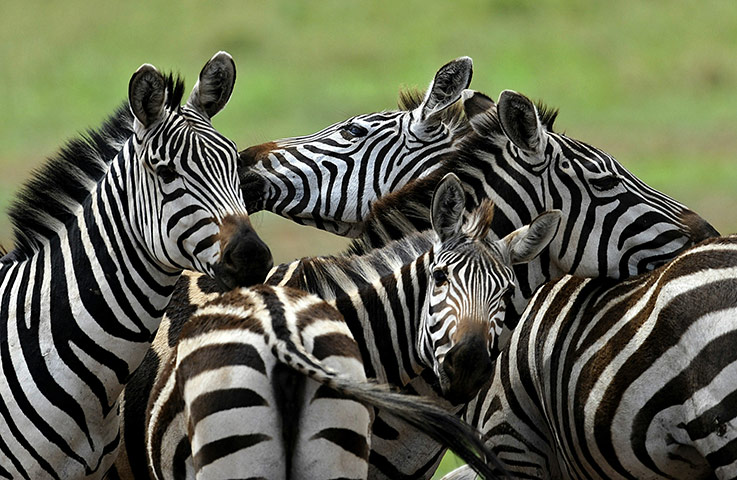
Coloured leaves cover stones in the Schlaube river near Bremsdorf, eastern Germany. The 227 km sq Schlaubetal region made of lakes and moorlands was made a national park in 1995 Photograph: Patrick Pleul/AFP/Getty ImagesA fox looks out from behind a tree trunk in the grounds of the US Capitol building in Washington DC, United StatesPhotograph: Molly Riley/REUTERSA red-billed oxpecker collects fur from a donkey to build a nest inside an enclosure at the Mokopane biodiversity conservation centre in South Africa. Generations of cattle owners who dipped their livestock in pesticides ended up killing not only the ticks that feast on them, but also the red-billed oxpeckers that eat the ticks. Now environmentalists want to cut out the pesticides and hand the job back to the endangered birdsPhotograph: Themba Hadebe/APA tricolored heron wades in the waters of the Merritt Island national wildlife refuge in Titusville, FloridaPhotograph: Stan Honda/AFP/Getty ImagesA male grey seal, east of Hiuma island, Estonia, in the Baltic SeaPhotograph: Adam Wajrak/Agencja GazetaMushrooms growing in a forest in Suffolk, England. See our gallery of autumn wondersPhotograph: Graham Turner/GuardianAutumn-coloured leaves at the Kamikochi resort in Matsumoto city, some 250km north-west of Tokyo. The viewing of autumn leaves has been a popular activity in Japan for centuries and today draws large numbers of travellers both in the mountains and in the citiesPhotograph: Toshifumi Kitamura/AFP/Getty ImagesGolden monkeys fight for food in Yangxian county, Shaanxi province, China. A cold spell has resulted in a food crisis for the monkeys, which have started coming to a local village for food. The local government has set up a reservation area to feed themPhotograph: ZUMA/ Rex FeaturesA leopard rests on a tree branch next to the carcass of a Thompson's gazelle it has killed in the Serengeti national park in northern TanzaniaPhotograph: Tony Karumba/AFP/Getty ImagesStarfish along the coastline of British Columbia. A team of internationally renowned photographers has released a series of stunning images captured during its rapid assessment visual expedition (Rave) to British Columbia's Great Bear rainforest over the summer. Led by the International League of Conservation Photographers and conservation organisation Pacific Wild, they hope their work will highlight the species and habitats that are under threat from a proposed oil pipelinePhotograph: Ian McAllister/iLCPA green sea turtle swims away after being released 50 miles south of Grand Isle, Louisiana. Thirty-two sea turtles were released after being treated for oil exposure from the Deepwater Horizon oil spillPhotograph: Rob Simpson/USCGFlora and Fauna International says the world's rarest snake has been brought back from extinction. A new census of the Antiguan racer reveals that the population has increased from 50 individuals in the mid-1990s to more than 500 todayPhotograph: John Cancalosi/Fauna & Flora Int.Snake conservation efforts have also benefited species such as these red billed tropic birds. Invasive species of rats were eating the eggs of snakes, birds and turtles Photograph: Jenny Daltry/Fauna & Flora Int.A beetle on a dahlia in Hokuto, JapanPhotograph: Yuriko Nakao/ReutersZebra in the Serengeti national park. The National Geographic has launched a Great Migrations series, an 'epic, three-year project shot on all seven continents, with some of the most advanced cameras on Earth'Photograph: TONY KARUMBA/AFP/Getty Images
Sign up to read this article
Read news from 100’s of titles, curated specifically for you.