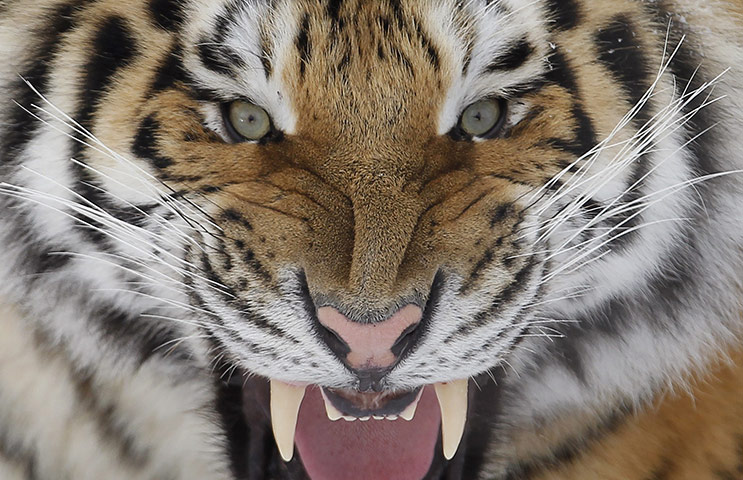
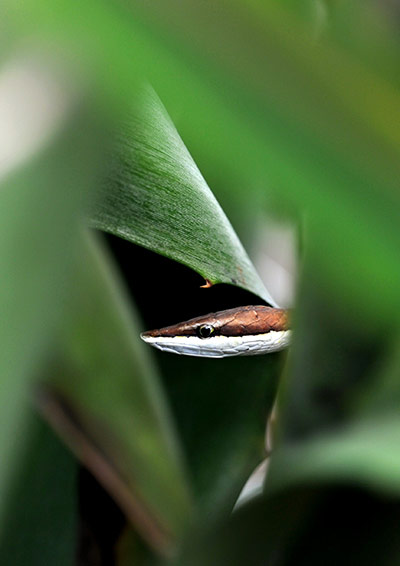
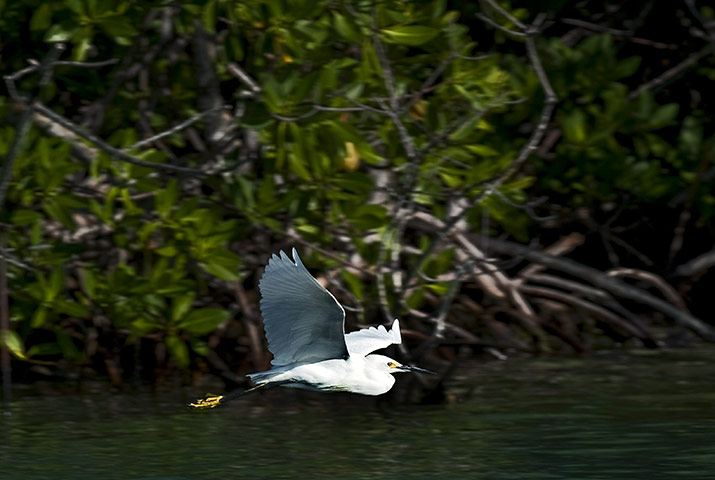
A Siberian tiger growls at the St-Felicien wildlife zoo in St-Felicien, Quebec. According to National Geographic, the wild population of Siberian tigers, also called Amur tiger, is estimated between 400 and 500 and is classified as an endangered speciesPhotograph: Mathieu Belanger/ReutersBejuquillo cafe (Oxybelis aeneus) snake at Ostional National Wildlife Refuge in Costa RicaPhotograph: Yuri Cortez/AFP/Getty ImagesA snowy egret (Egretta thula) at a mangrove swamp in Cancún, MexicoPhotograph: Ronaldo Schemidt/AFP/Getty Images
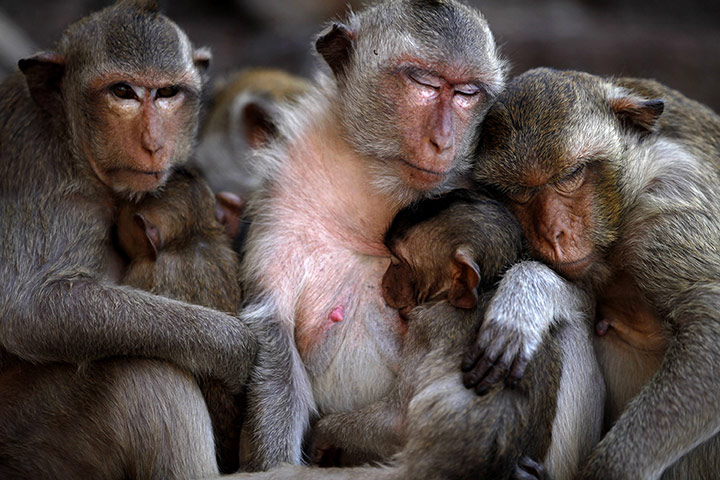
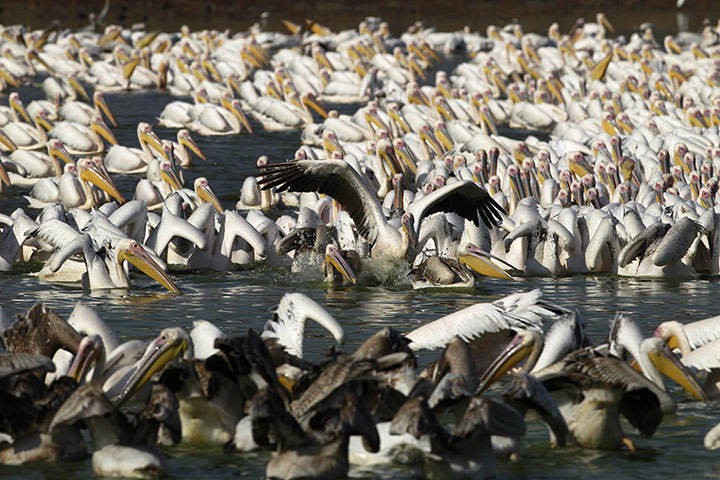
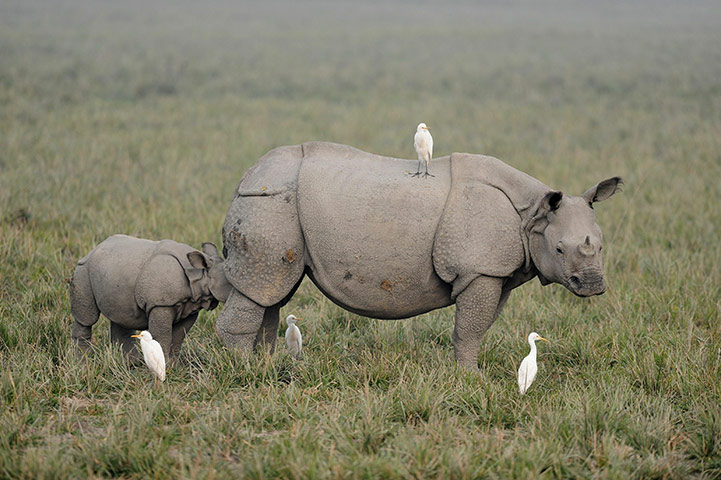
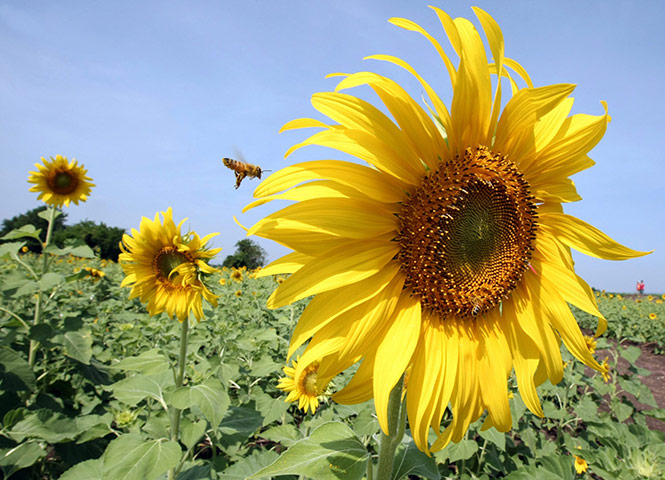
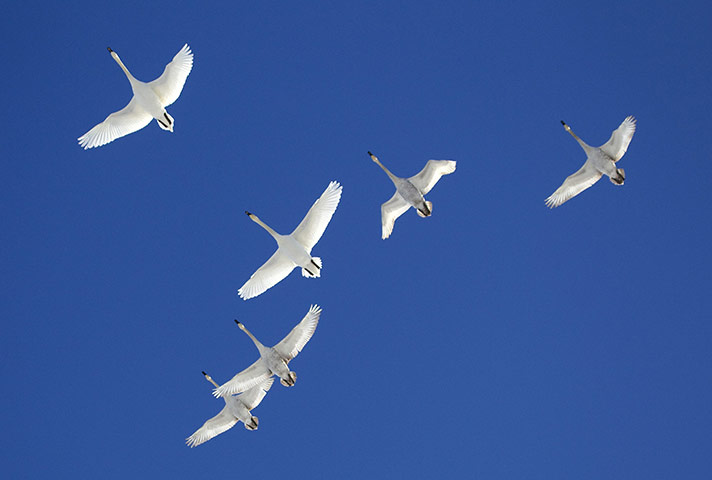
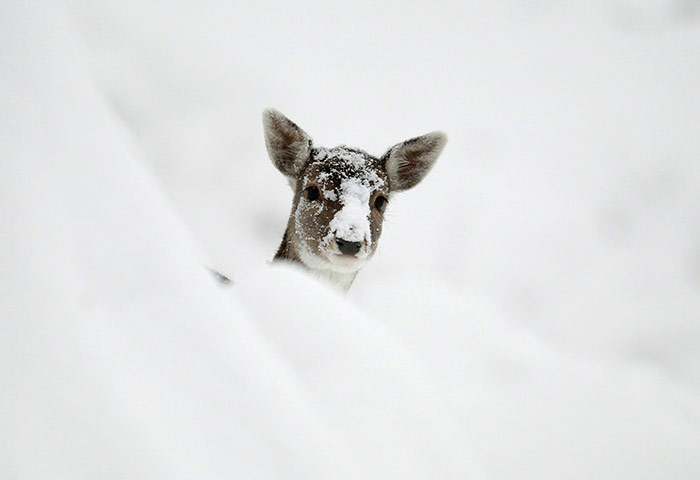
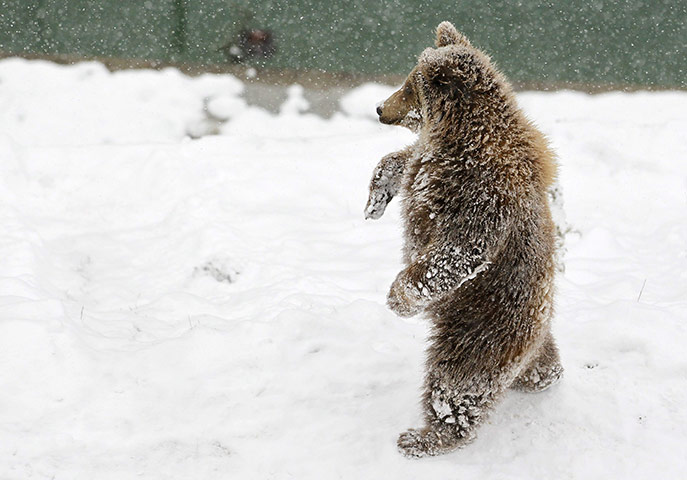
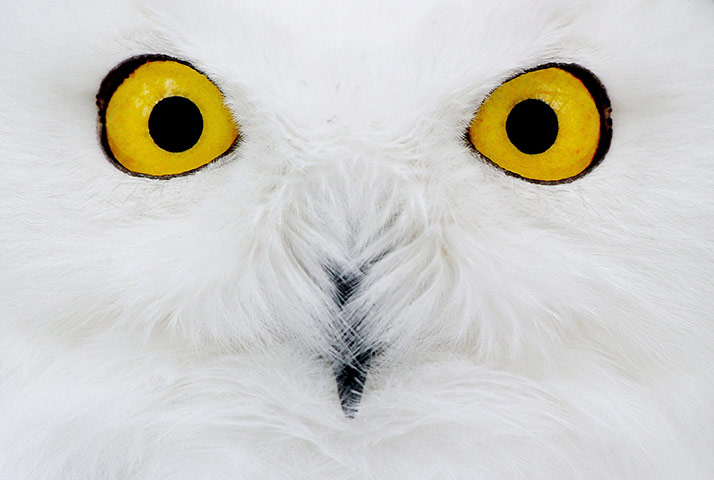
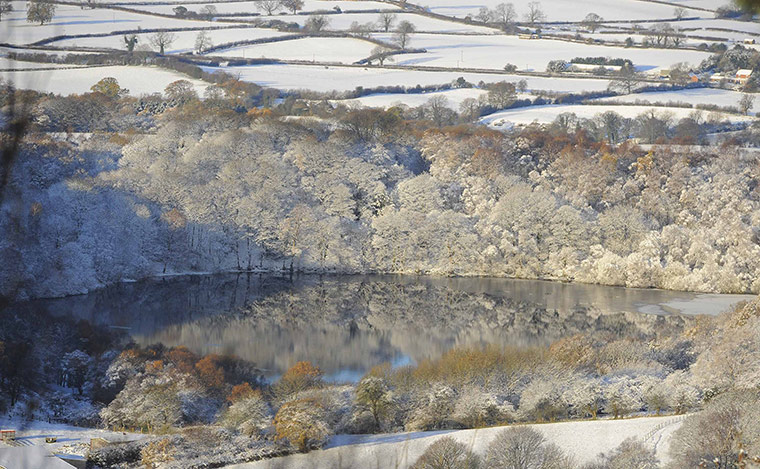
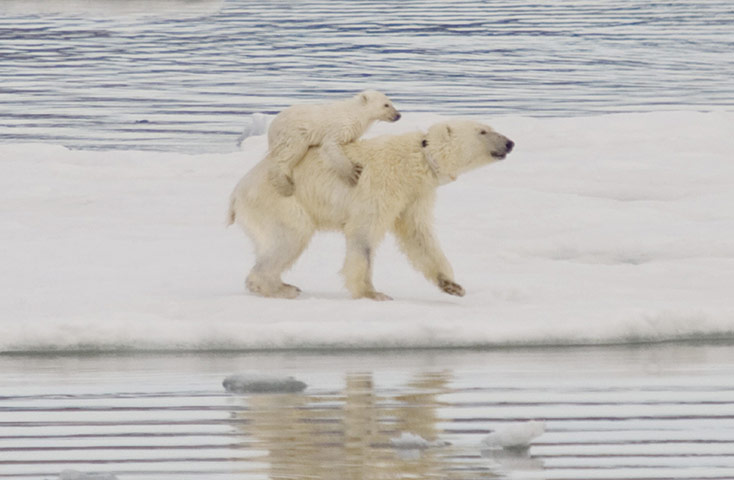
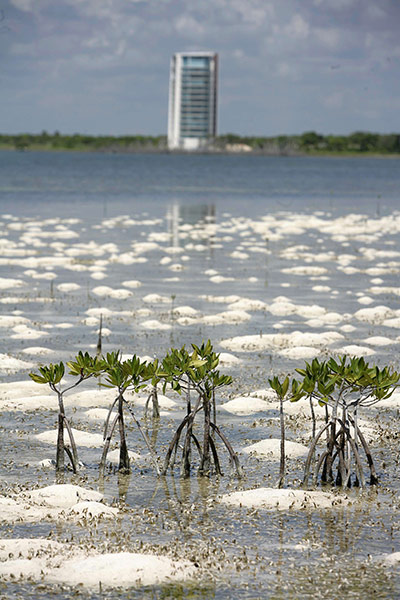
Long-tailed macaques rest after eating at the Pra Prang Sam Yot temple during the annual Monkey Buffet festival in Lopburi, Thailand, on 28 November 2010. The festival provides food and drinks to the local monkey population, which numbers more than 2,000, to thank them for drawing tourists to the townPhotograph: Damir Sagolj/ReutersMigrating white pelicans swim in the water at the Hula Valley nature reserve, north of the Sea of Galilee, Israel. Nearly the entire European population of this species migrates over Israel twice a year. The heavy and large birds pose a considerable threat to aviation in the small airspace of IsraelPhotograph: STAFF/ReutersA one-horned rhinoceros and its calf at Pabitora wildlife sanctuary. The sanctuary, which covers an area of 38.8 square kilometres, is home for the one horned rhinoceros and thousands of migratory birdsPhotograph: Deshakalyan Chowdhury/AFP/Getty ImagesBees fly over a flower in a sunflower field in Thailand. Lopburi province is the heart of Thailand's sunflower oil industry and most of the oil is exported to foreign markets. The region of Lopburi has an abundance of sunflower fields and the Sunflower Blooming Festival is celebrated every year around November to DecemberPhotograph: Narong Sangnak/EPAA flock of swans fly with the air temperature at about -18C on the outskirts of MinskPhotograph: Vasily Fedosenko/ReutersA snow-covered deer in Knowle park in Kent. Britain's transport links with the rest of the world were disrupted by the early winter snowfall as key airports closed Wednesday and international Eurostar train services were cut. Gatwick, Europe's eighth busiest passenger air hub, was closed until at least 6:00 am Thursday as staff worked to clear the two runwaysPhotograph: Ian Kington/AFP/Getty ImagesA bear walks through the snow covered Bear Park in Berne, SwitzerlandPhotograph: Peter Klaunzer/EPAA snowy owl (Bubo scandiacus) in the snow in Germany. Snow still covers various parts of GermanyPhotograph: Julian Stratenschulte/EPAReflections of snow covered trees are seen in a lake near Sutton Bank, northern England. Britain is braced for a freezing fortnight, with motorists warned to be wary on roads as sub-zero temperatures turn rain, sleet and snow to icePhotograph: Nigel Roddis/ReutersA polar bear cub travelling on its mother's back. A polar bear tracker programme, run by Canon and WWF, has revealed that baby polar bears are now travelling around on their mothers' backs while swimmingPhotograph: Angela Plumb/PAMangrove plants grow on a shore in Cancún. In the 40 years since Cancún was founded, countless acres of mangrove forests up and down Mexico's Caribbean coast have been lost - and the destruction continues. Now many scientists say that mangrove forests can help slow climate change, and are fighting to save themPhotograph: Stringer/Reuters
Sign up to read this article
Read news from 100’s of titles, curated specifically for you.