Get all your news in one place.
100’s of premium titles.
One app.
Start reading
The Guardian - UK
The Guardian - UK
Environment

The week in wildlife

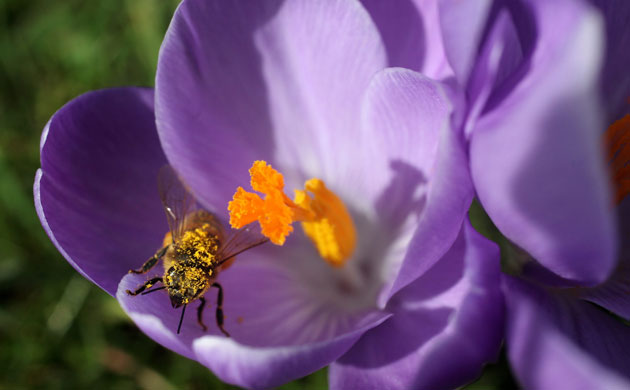
Week in wildlife: The First Signs Of Spring Are Seen At Kew Gardens
A bee collects pollen from the stamens of a flowering crocus in the Royal Botanic Gardens at Kew in London. The unusually cold winter in the UK has delayed the flowering of many spring plants by up to one month
Photograph: Oli Scarff/Getty Images
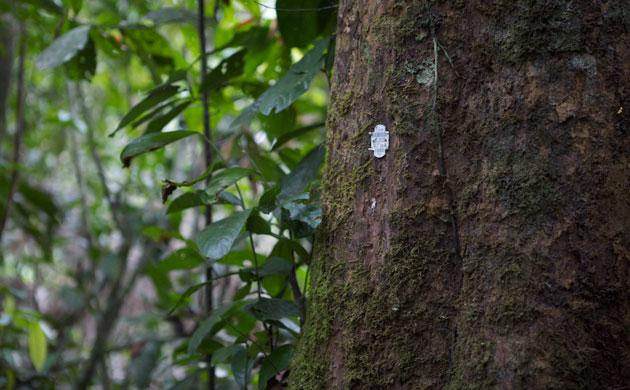
Week in wildlife: A tree in a rainforest near Buchanan bears bar code, liberia
A bar-coded tree in a rainforest in Liberia. Its forests, once ravaged for blood timber sold to fund one of Africa's bloodiest civil wars, are being primed as a lucrative and legal industry using cutting-edge tracking technology. Electronic tags – similar to bar codes used on consumer products – are attached to trees in the woodlands covering 45% of the west African nation, a process that will allow consumers to trace the end-product right back to the stump
Photograph: Glenna Gordon/AFP/Getty Images
Week in wildlife: An Olive Ridley turtle on Rushikulya beach, India
An Olive Ridley turtle digs in the sand to lay its eggs on Rushikulya beach, Orrissa. Thousands of Olive Ridley sea turtles came ashore this week from the Bay of Bengal to lay their eggs on this beach, one of the three mass nesting sites in the Indian coastal state
Photograph: Deshakalyan Chowdhury/AFP/Getty Images
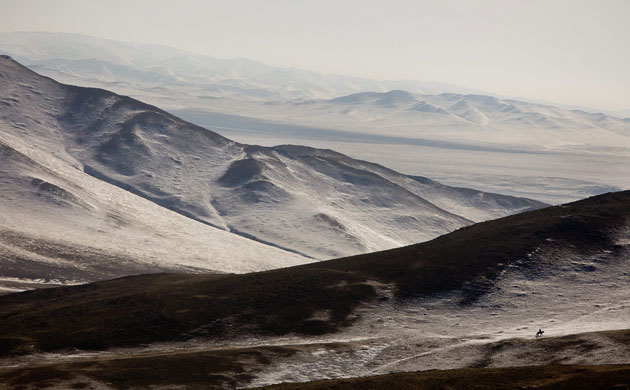
Week in wildlife: Extreme Mongolian Winter Claims Nomadic Herders' Livestock
A herder on horseback searches for his livestock along the frozen landscape in Bayantsogt, Tuv province in Mongolia. Mongolia is still experiencing one of the worst winters in 30 years. The government has declared an emergency requiring foreign aid to alleviate the impact of the zud (a multiple natural disaster) caused by bitter cold and thick snow. The United Nations Development Programme estimate 2.7m livestock have perished already, but believe that figure will double by the end of June. The UNDP is working with other UN agencies to provide a programme in which herders will receive income to bury the carcasses of livestock in an effort to prevent spread of disease and pollution once the snow begins to melt
Photograph: Paula Bronstein/Getty Images
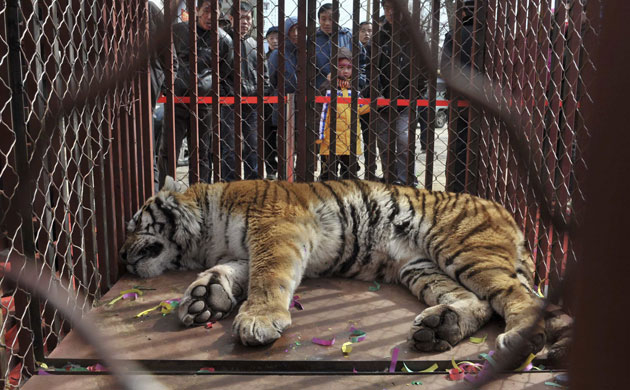
Week in wildlife: A Northeast Tiger lies in a cage  in Shenyang
A tiger lies in a cage during an opening ceremony of a project to raise money for starving tigers in Shenyang zoo, Liaoning province. The zoo was closed after the deaths of 11 Siberian tigers and allegations of supplying the illegal tiger-bone trade
Photograph: Sheng Li/Reuters
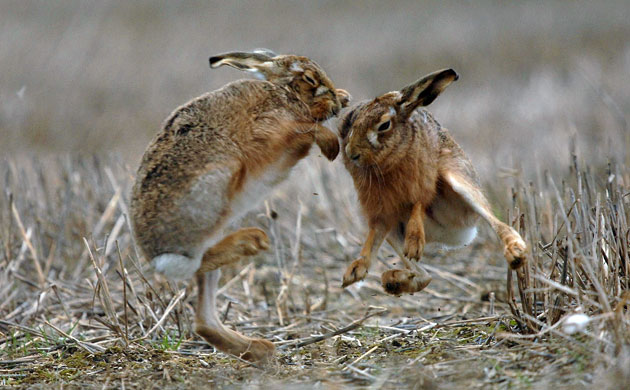
Week in wildlife: Mad march hares boxing  Scottish borders, Scotland
Hare boxing is not always males fighting over a female, as is often assumed. A boxing match is more often a doe about to come into heat resisting untimely advances from a buck. Does also resist bucks who are low in the hierarchy, and the fight is a test of his determination
Photograph: Angus Blackburn/Rex Features
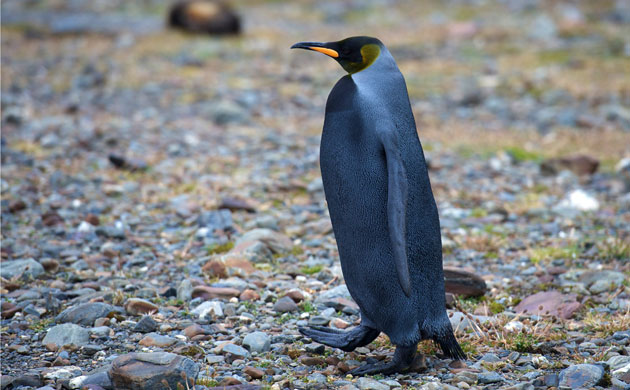
Week in wildlife: Rare All-Black King Penguin Found In South Georgia
A king penguin at Fortuna Bay, a sub-Antarctic island of South Georgia, about 860 miles off the Falklands. Black in colour, the penguin is believed to be displaying a pigmentation condition known as melanism. Males and females differ in behaviour and in susceptibility to disease
Photograph: Sisse Brimberg & Cotton Coulson/Getty Images
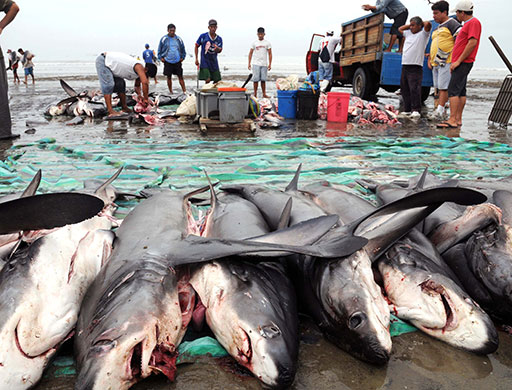
Week in wildlife: Shark Fishermen at Manta beach, Manabi, Ecuador
Shark fishermen unloading their catch and cutting off their fins in Ecuador. The practice, which involves slicing fins from sharks at sea and dumping their bodies overboard – often while still alive – has been heavily criticised by campaigners and blamed for pushing many shark species to the brink of extinction
Photograph: KPA/Zuma/Rex Features
Week in wildlife: Shrimp-like creature living beneath the West Antarctic ice sheet
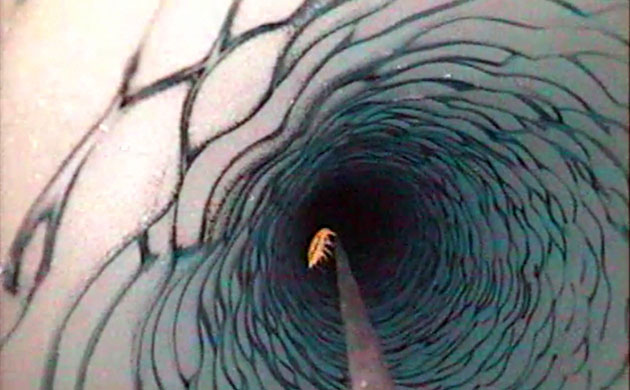
This image provided by Nasa shows a small shrimp-like creature at a depth of 600ft beneath the West Antarctic ice sheet. The creature, a three-inch long lyssianasid amphipod, was found beneath the Ross ice shelf, about 12.5 miles away from open water. Scientists were using a borehole camera to look back up towards the ice surface when they spotted it swimming beneath the ice
Photograph: NASA/AP
Week in wildlife: Snow crystals have transformed trees, the Brocken mountain, eastern Germany
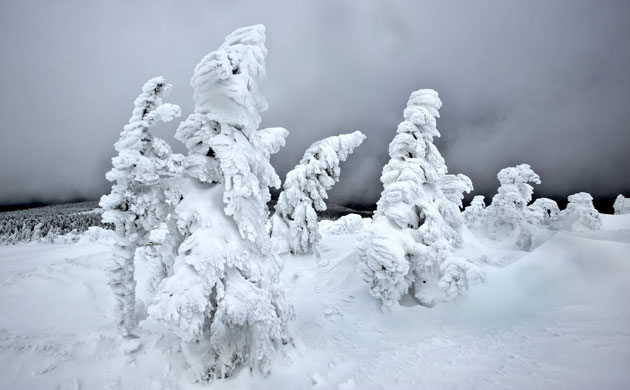
Snow crystals transform trees on the Brocken mountain, eastern Germany, which is still covered with 80 cm of snow
Photograph: ECKEHARD SCHULZ/AFP/Getty Images
Week in wildlife: A seagull flies over a ferry on the Bosphorus in Istanbul Turkey
A seagull flies over the Bosphorus in Istanbul
Photograph: Mustafa Ozer/AFP/Getty Images
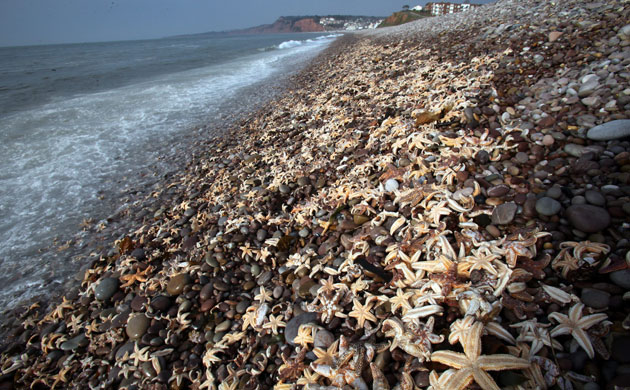
Week in wildlife: Thousands Of Starfish Wash Up On Devon Beach
High tide waves wash over some of the thousands of starfish that have been washed up on the beach in Devon, England. Marine experts believe the starfish are susceptible to high tides and storms after becoming exhausted spawning. Similar events happen once or twice a year in the UK
Photograph: Matt Cardy/Getty Images
Week in wildlife: demoiselle damselfly
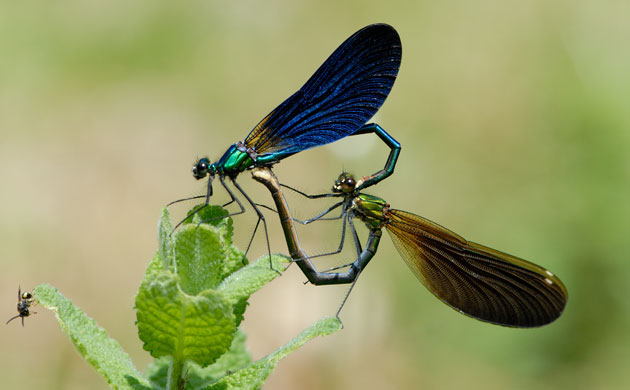
Almost 10% of Europe's butterflies face extinction, according to the IUCN. Insects have been hit by loss of grassland habitats because of intensification of agriculture and abandonment of farming land. The demoiselle damselfly (Calopteryx virgo meridionalis), often found near fast-flowing waters, is another species whose numbers are shrinking fast
Photograph: Jean Pierre Boudot/IUCN
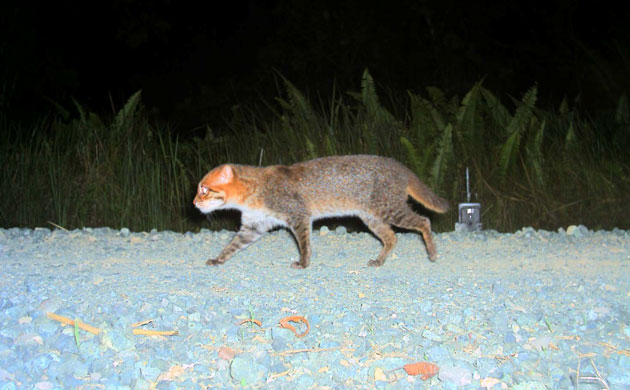
Week in wildlife: flat-headed cat in Tangkulap Forest Reserve, Sabah, Malaysia
The flat-headed cat (Prionailurus planiceps) is one of the world's least known, highly threatened felids with a distribution restricted to tropical lowland rainforests in peninsular Thailand, Malaysia, Borneo and Sumatra. Despite an increasing number of camera-trapping field surveys for carnivores in south-east Asia during the past two decades, few of these studies have captured the flat-headed cat
Photograph: PLoS ONE
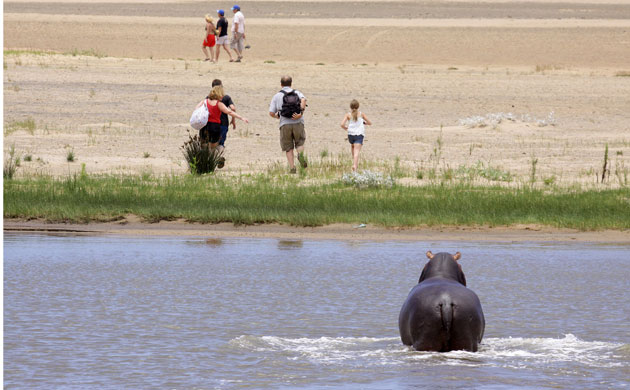
Week in wildlife: hippopotamus protecting its calf, St Lucia, South Africa
A protective mother hippopotamus charges when a tourist group gets too close at iSimangaliso wetland park, St Lucia, South Africa. A study released this week by a researcher at the University of Newcastle found that bottlenose dolphins living off the coast of Zanzibar were experiencing 'incredible' stress caused by pleasure boats packed with holidaymakers
Photograph: Avi Hirschfield/Rex Features
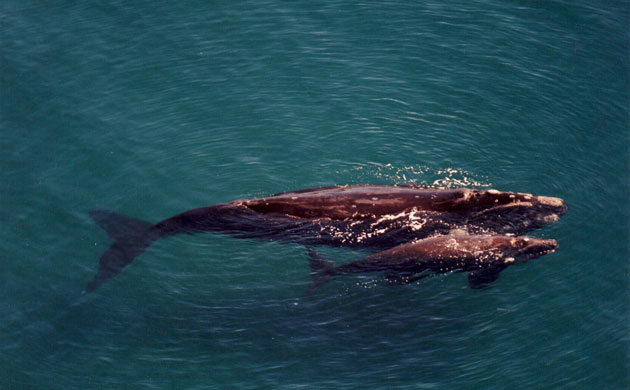
Week in wildlife: right whales in the waters around Peninsula Valdés, Argentina
More than 300 southern right whales, most of them young calves, have been found dead in the last five years in the waters off Argentina's Patagonian coast - one of the most important breeding grounds for the species. Experts met this week to examine possible causes
Photograph: G. Harris/WCS
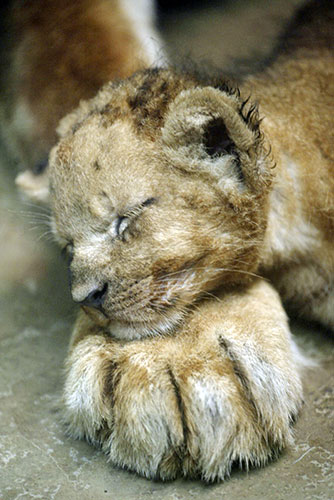
Week in wildlife: Month-old lion cub,
The one-month-old lion cub Mello rests his head on his mother's paw at Prigen safari park in Indonesia
Photograph: Trisnadi/AP
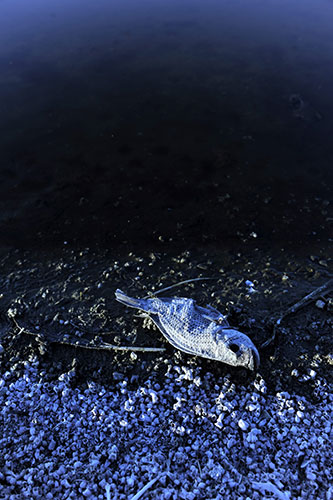
Week in wildlife: A dead fish floats near the shore of the Salton Sea near Mecca, California
A dead fish floats near the shore of the Salton Sea, California
Photograph: Paul Buck/EPA
Sign up to read this article
Read news from 100’s of titles, curated specifically for you.
Already a member? Sign in here
Related Stories
Top stories on inkl right now
One subscription that gives you access to news from hundreds of sites
Already a member? Sign in here
Our Picks
Fourteen days free
Download the app
One app. One membership.
100+ trusted global sources.