Get all your news in one place.
100’s of premium titles.
One app.
Start reading
The Guardian - UK
The Guardian - UK
Environment

The week in wildlife

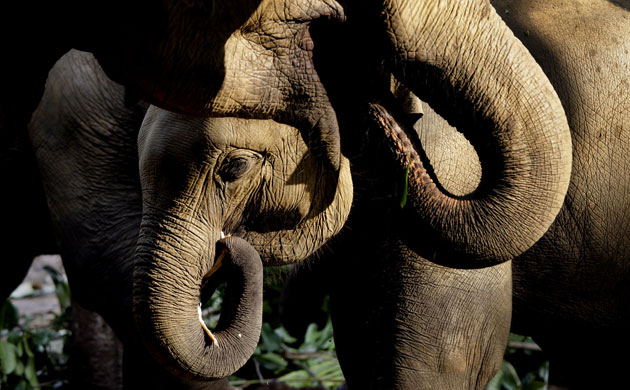
Week in wildlife: Elephants eat at Pinnawela elephant orphanage at Pinnawela
Elephants eat at Pinnawela elephant orphanage in Sri Lanka. The Pinnawela elephant orphanage was established 1975 by the Sri Lanka Wildlife department, and covers about 24 acres, with 69 elephants being cared for
Photograph: Manish Swarup/AP
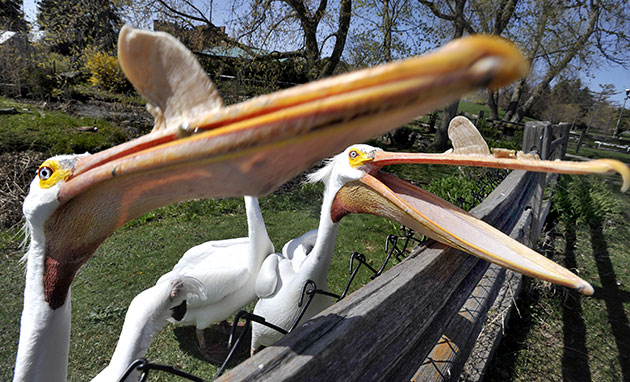
Week in Wildlife: American White Pelicans
A volunteer at the Racine zoo, feeds American white pelicans with fish
Photograph: Scott Anderson/AP
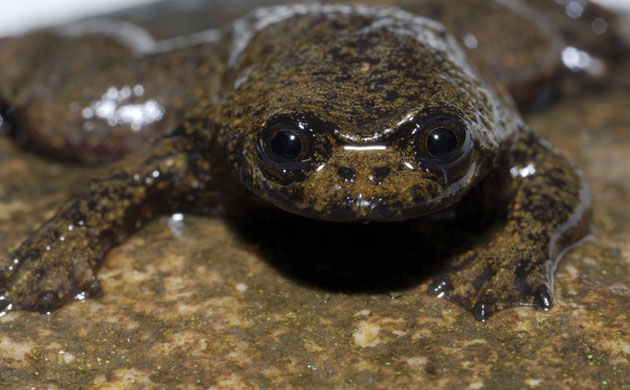
Week in Wildlife: Bornean Flat-headed Frog
A Bornean flat-headed frog, which has the rare characteristic of being an amphibian without lungs. It breathes entirely through its skin and is one of the recent discoveries in Borneo, along with a frog that flies and a 'ninja' slug
Photograph: David Bickford/WWF/AP
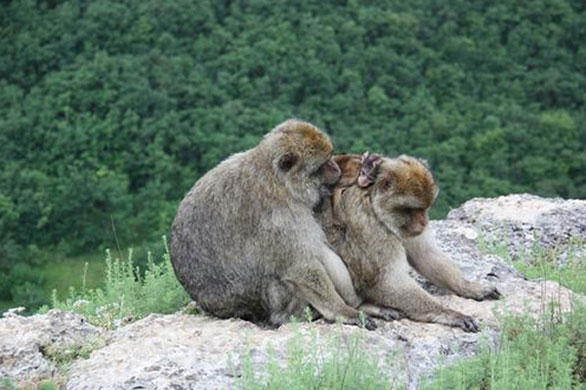
Week in wildlife: Male monkeys hold babies to make friends
Male barbary macaques hold babies to bond with other males
Photograph: Andreas Ploss
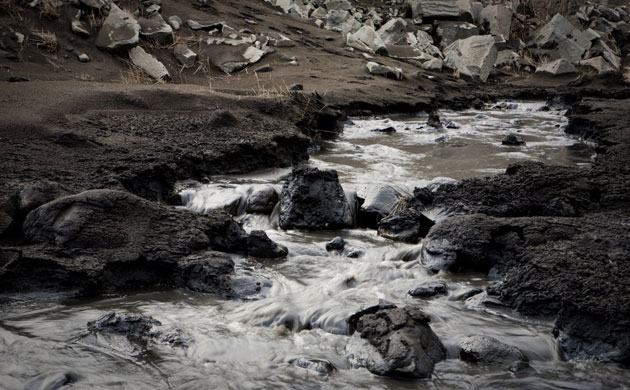
Week in Wildlife: Farms In Iceland Polluted By Eyjafjallajokull Volcano
Waterways polluted by a thick layer of ash from the Eyjafjallajökull volcano in Skogar, Iceland. The ash is destroying pasture and polluting water supplies which is poisoning animals and is causing farmers severe financial difficulties
Photograph: NordicPhotos/Getty Images
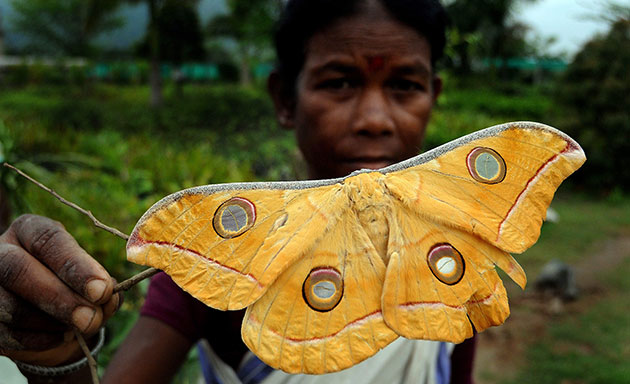
Week in wildlife: Wild Moth in a flower nursery, Guwahati , India
A woman holds a wild moth in a flower nursery in Guwahati, India. There are more than 20 species of wild moths found in north-east India but a very little research has been done on their life cycles
Photograph: STR/EPA
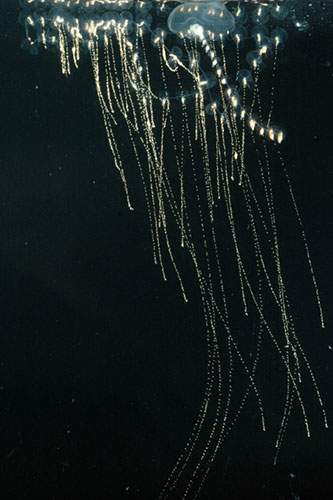
Census Marine Life: Census of Hard-to-See Marine Life : Rosacea tentacles
Zooplankton: Rosacea tentacles Long tentacles extend a metre away from the main body and contract when disturbed by potential food items. The beads are stinging cells that immobilise and kill the prey Photograph: L. Madin/WHOI/guardian.co.uk
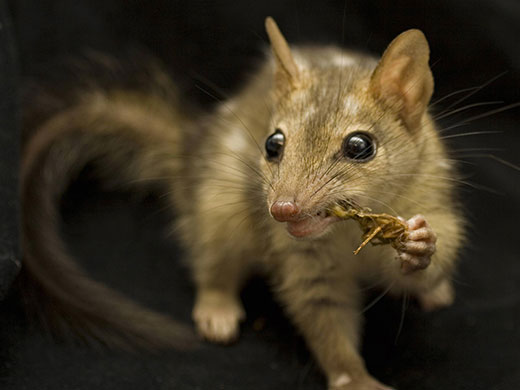
Week in wildlife: northern quoll, a cat-sized marsupial predator
Australian scientists say they have successfully taught the northern quoll, a cat-sized marsupial predator, to avoid eating toxic cane toads – a move they believe could help other at-risk species survive. Sydney University ecologists said they had trained the northern quoll to go against its instincts and refuse to eat the invasive amphibians which are spreading across the country
Photograph: Jonathan Webb/University of Sydney/AFP/Getty Images
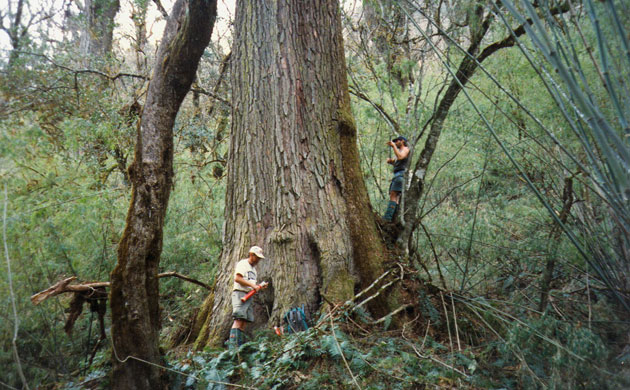
Week in Wildlife: tree ring researchers Edward Cook and Paul Krusic in Nepal
Tree-ring researchers Edward Cook (left) and Paul Krusic after they trekked for nearly two weeks to reach this 1,000-year-old hemlock in Nepal. A study of tree rings provided Athe most detailed record yet of at least four epic droughts that hit Asia over the past millennium, including one that helped end China's Ming Dynasty in 1644. Data collected over the past 15 years for the study is expected to help scientists understand how climate change can unleash large-scale weather disruptions
Photograph: Brendan Buckley/AFP/Getty Images
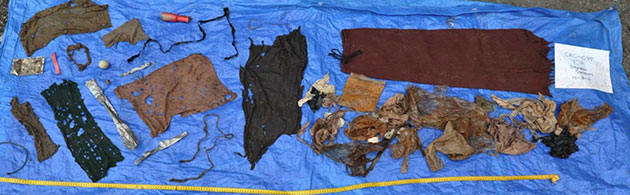
Week in wildlife: Foreign material found in the stomach of gray whale
Foreign material found in the stomach of grey whale that stranded near Seattle 14 April 2010
Photograph: Cascadia Research
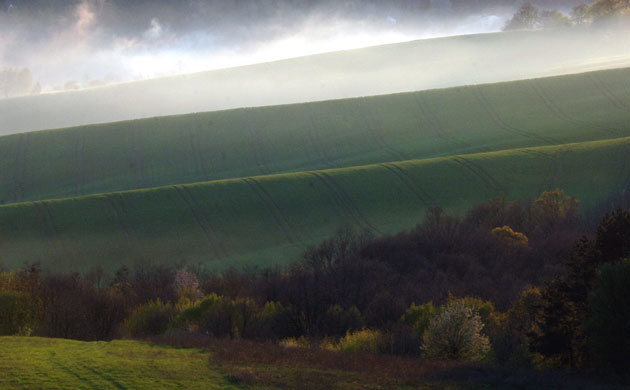
Week in wildlife: Earth Day
Mist floats over hills after rain in Hungary. In order to incite environment-consciousness and appreciation for natural ambience, Earth Day was celebrated all over the world on 22 April 2010
Photograph: Ferenc Kalmandy/EPA
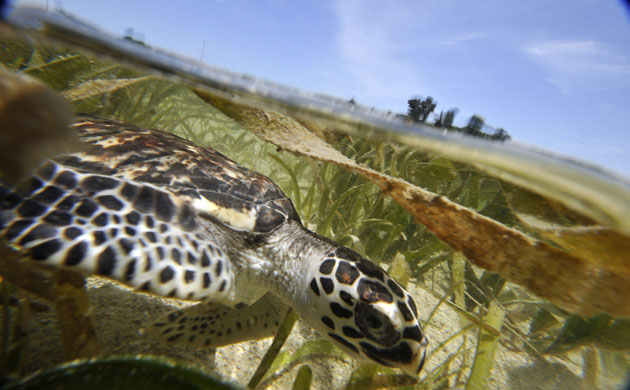
Week in wildlife: A four-month old hawksbill turtle, Pramuka island located north of Jakarta
A four-month old hawksbill turtle swims into the deep after a symbolic release ceremony by Thousand Islands National marine park and Coca-Cola company officials to commemorate the Earth Day in Pramuka island located north of Jakarta. Twenty baby hawksbill turtles and four four-month-old hawksbill turtles were released from the turtle conservation area
Photograph: ROMEO GACAD/AFP/Getty Images
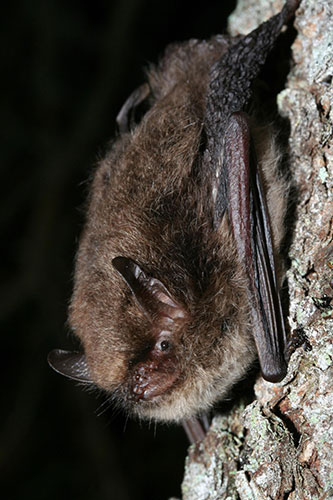
Week in wildlife: Bat species discovered in country for first time
An Alcathoe's bat, which has been discovered visiting caves in the Yorkshire and Sussex, researchers confirmed today. The bat has never been seen before in the UK. The bats were found in woodland in Ryedale in the North York Moors national park and in the South Downs of Sussex. The animals were identified by experts from the University of Leeds and University of Sheffield during a Europe-wide study of bat population ecology and genetics
Photograph: Cyril Sch nb chler/PA
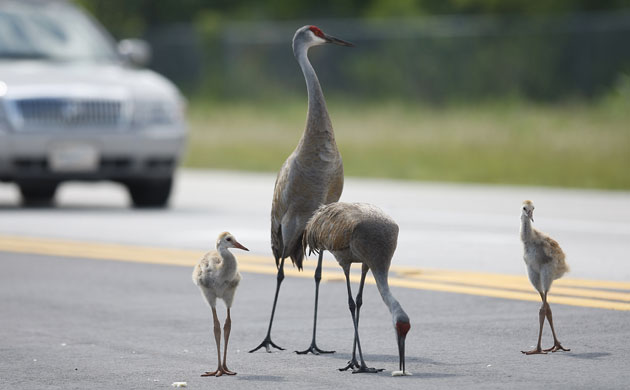
Week in wildlife: Baby sand hill cranes, Florida
Baby sand hill cranes and their mothers search for food along a road in Florida. Local residents report the baby birds are a few weeks old and the four birds live near the local landfill
Photograph: J Pat Carter/AP
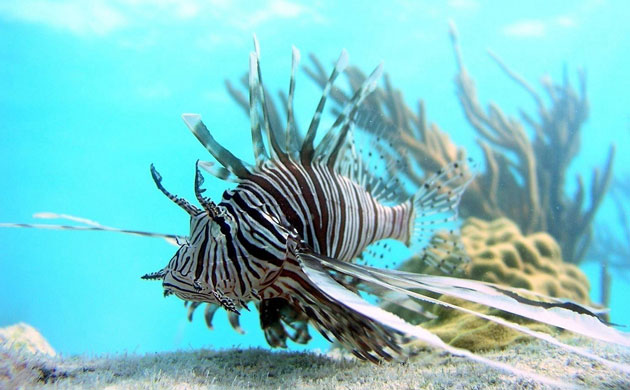
Week in wildlife: Lionfish Invasion Continuing To Expand
A study released this week shows that lionfish invasion throughout the Caribbean Sea continues to expand. As fierce predators, their presence threatens native ecology. Experts say the lack of parasites on the invading fish is a major cause of the population explosion
Photograph: Oregon State University
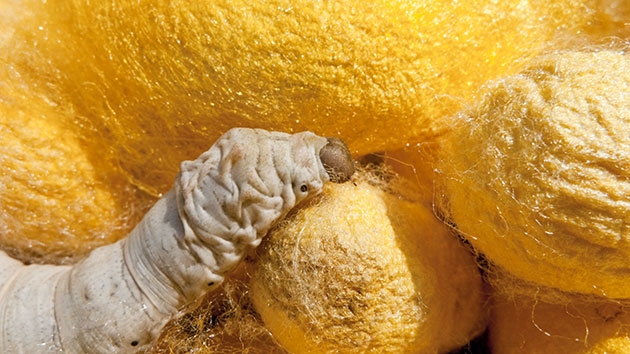
Week in Wildlife:  Sony World Photography Awards 2010  Bombyx mori
The Professional Natural History winner for Sony World Photography Awards 2010. Pere Pascual said: 'When we wear silk clothes, we enjoy the beauty and the feeling to the touch and yet we never ask where it comes from or how it's made. Small insect craftsmen, the silkworm, create these threads'
Photograph: Pere Pascual/Sony World Photography Awards 2010

Sign up to read this article
Read news from 100’s of titles, curated specifically for you.
Already a member? Sign in here
Related Stories
Top stories on inkl right now
One subscription that gives you access to news from hundreds of sites
Already a member? Sign in here
Our Picks
Fourteen days free
Download the app
One app. One membership.
100+ trusted global sources.