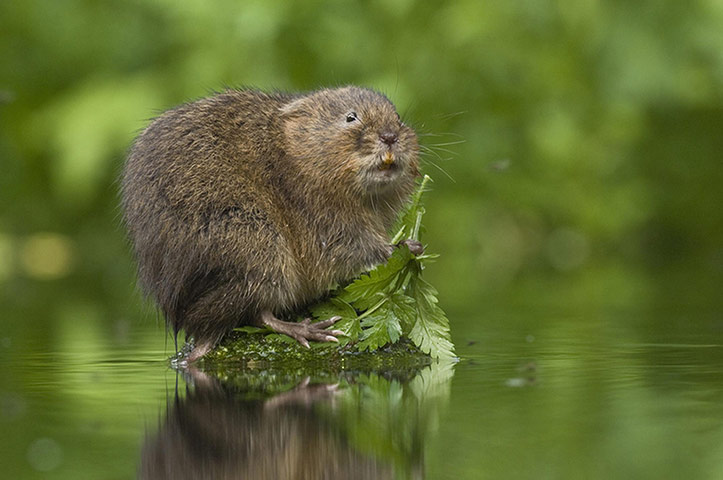
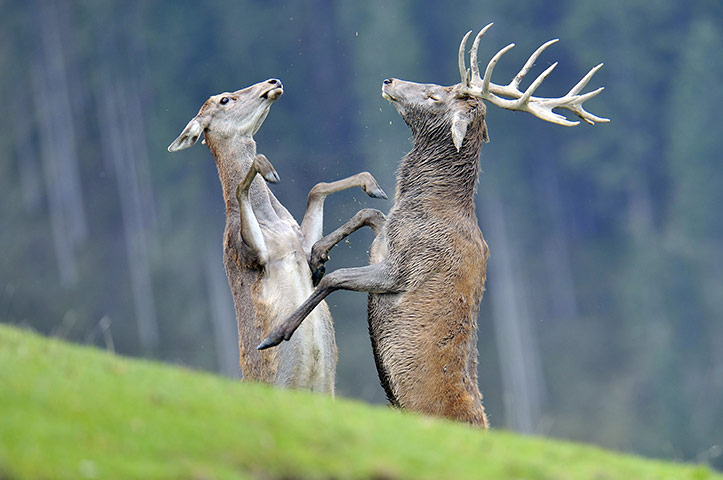
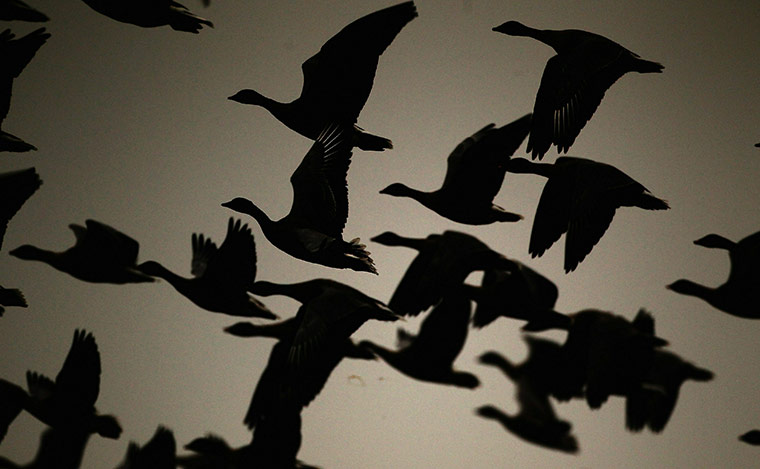
A water vole at a re-introduction scheme taken by Terry Whittaker, which won the 2020 vision special award at the British wildlife photography awardsPhotograph: Terry Whittaker/British Wildlife/PAA stag and a doe during the rutting seasonPhotograph: Kerstin Joensson/APPink-footed geese take off to feed in Montrose, Scotland. Staff and volunteers at the Scottish Wildlife Trust have recorded more than 65,000 geese arriving to spend the winter in the reservePhotograph: Jeff J Mitchell/Getty Images
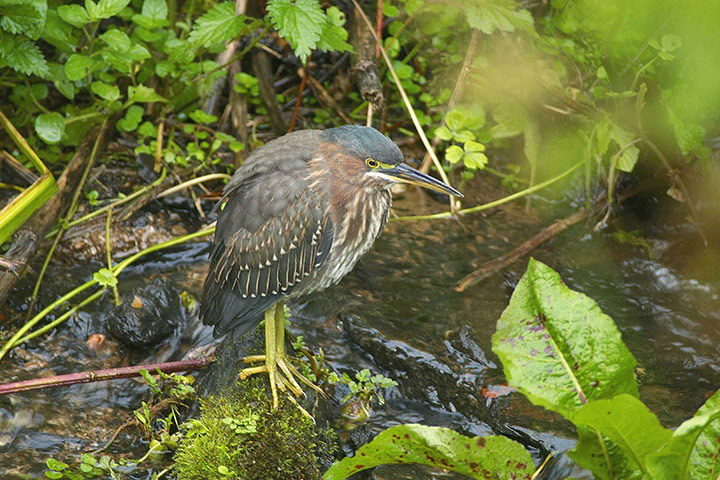
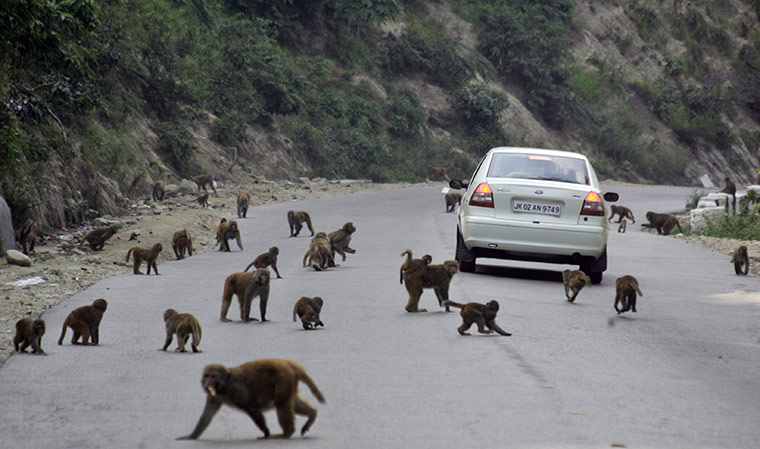
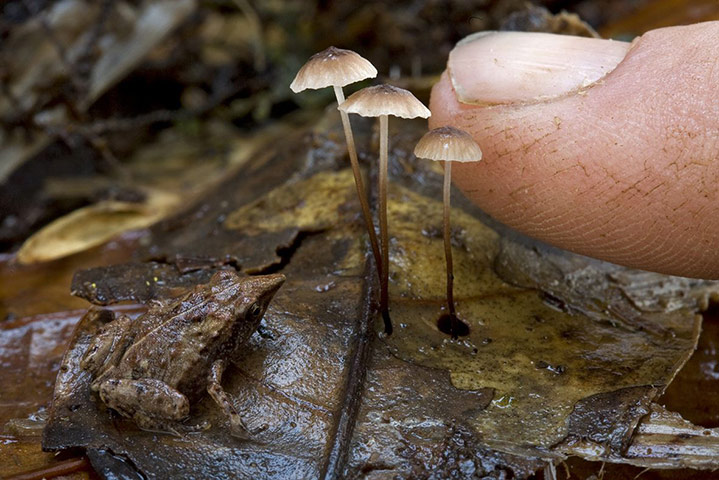
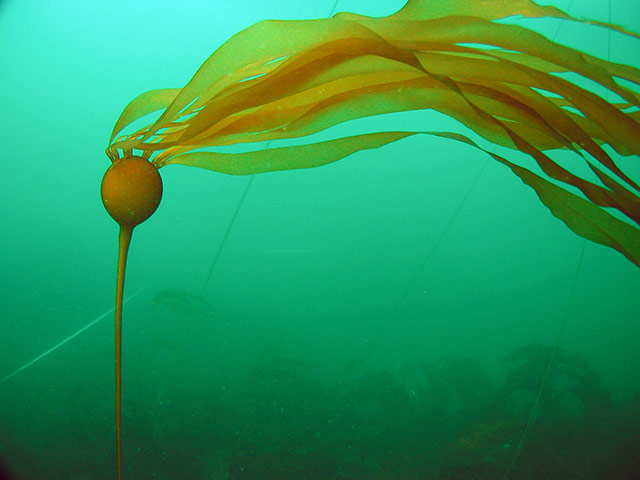
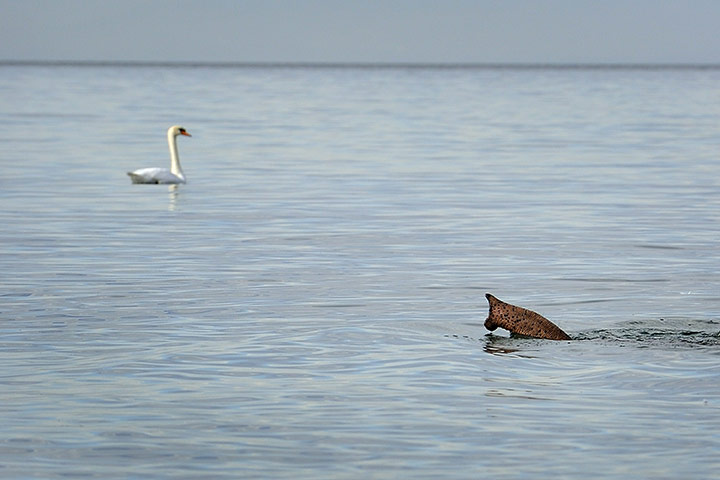
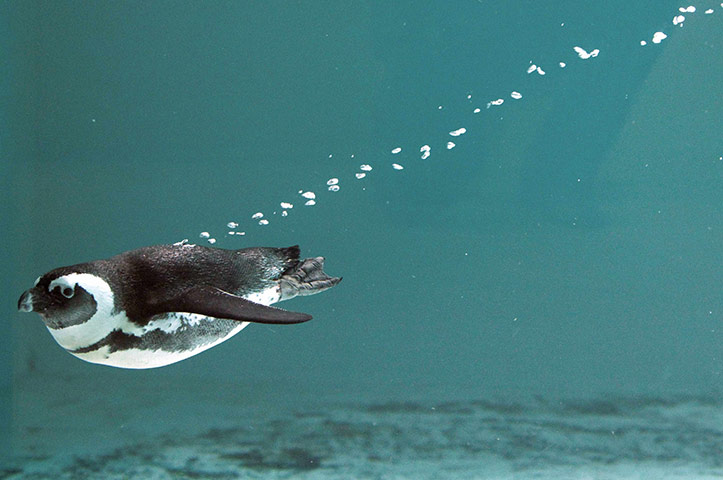
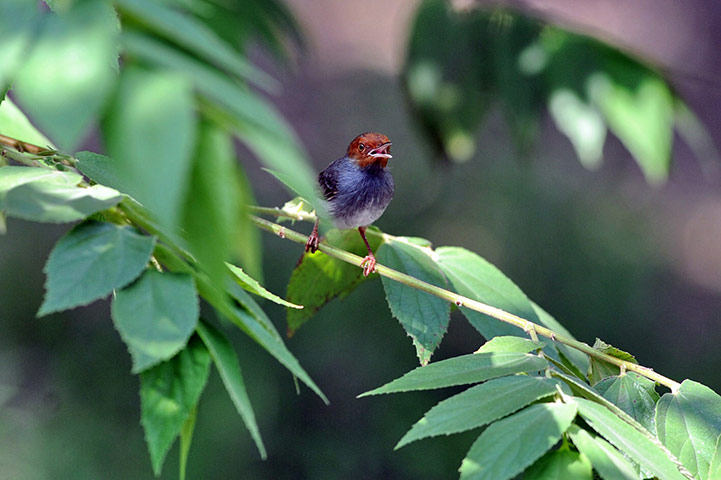
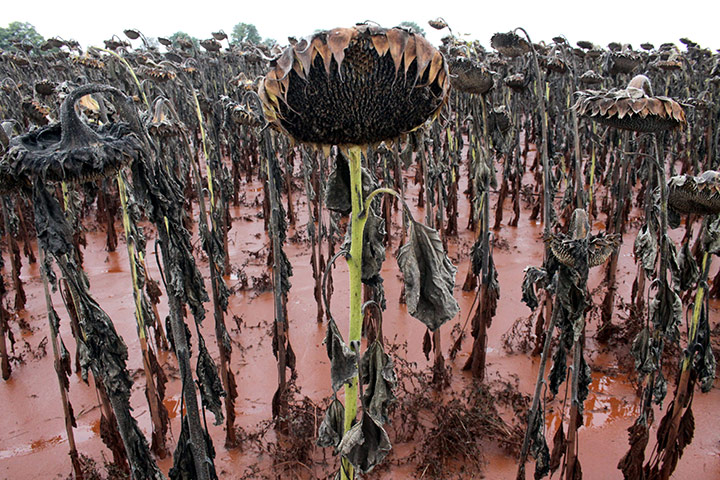
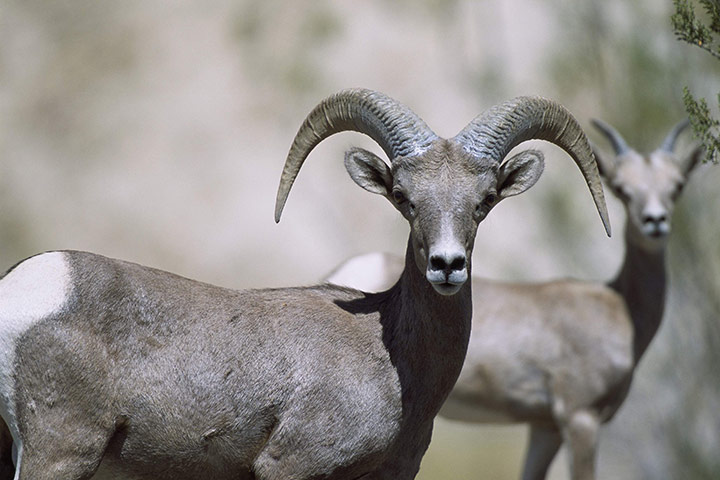
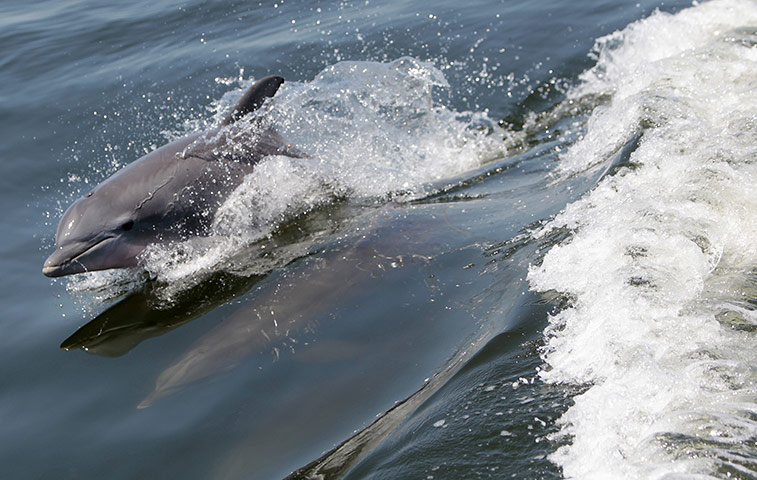
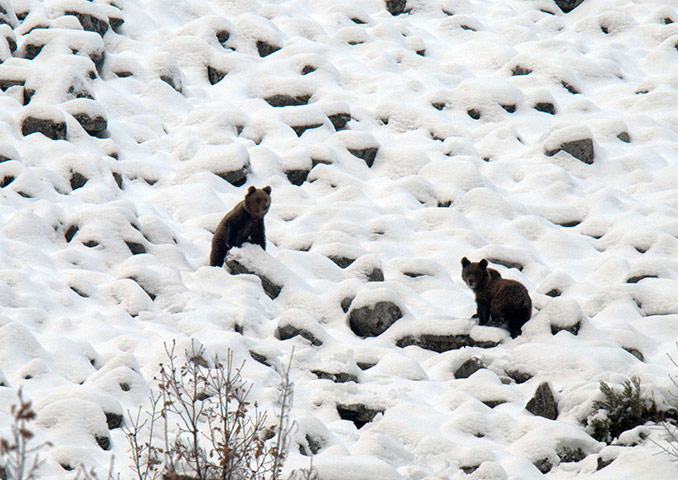
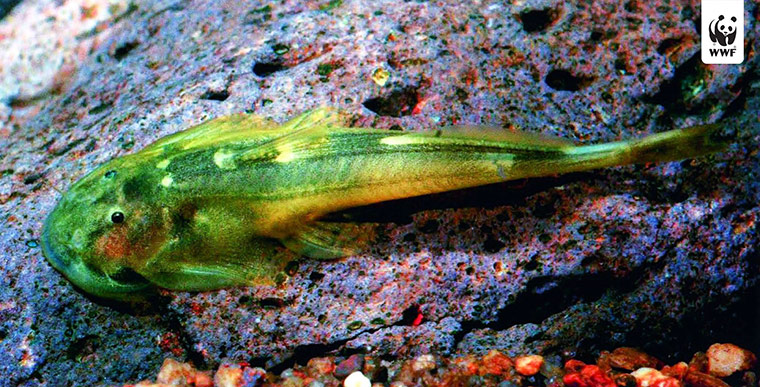
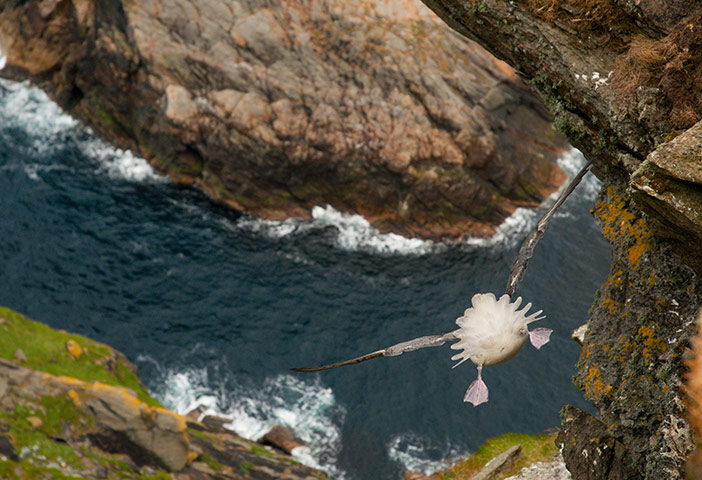
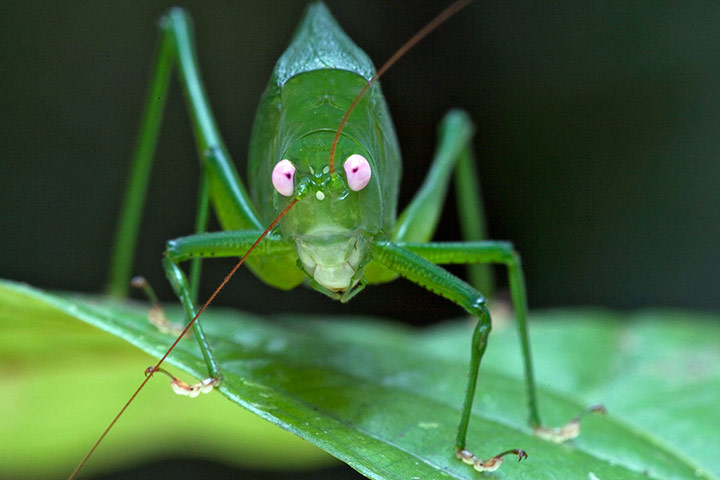
On the morning of 6 October a rare sighting of a green heron in the Lost Valley in Cornwall was recorded by Heligan’s wildlife team Photograph: Bob Mitchell /The Lost Gardens of HeliganA car passes through a group of monkeys on Jammu-Srinagar national highway in India. Large-scale deforestation has taken place in the region which has made the wildlife homeless, with monkeys being the worst hit. Unable to find food and shelter the monkeys have come towards inhabited areas and can be seen on the highway expecting food from the passers-by and touristsPhotograph: Jaipal Singh/EPAA newly discovered frog in Papua New Guinea in the remote Muller range. Small enough to sit comfortably on a thumbnail, this undescribed frog of the genus Choerophryne nearly eluded the researchers altogetherPhotograph: Piotr Naskrecki/iLCP/Conservation InternationalThis photo of Nereocystis luetkeana, a species of kelp, was taken along a NaGISA transect line. NaGISA is short for the Natural Geography in Shore Areas project, which was part of the Photograph: Brenda Konar/University of Alaska Fairbanks/Census of Marine LifeA swan floats by as an elephant from the Circus Knie bathes in Lake Geneva Photograph: Fabrice Coffrini/AFP/Getty ImagesAn African penguin swims in a pool at the Servion zoo in SwitzerlandPhotograph: Denis Balibouse/ReutersAn ashy tailorbird on a tree branch at the Sungei Buloh wetland reserve, a wildlife sanctuary in SingaporePhotograph: Roslan Rahman/AFP/Getty ImagesSunflowers stand in poisonous red mud in a field in Budapest, Hungary, after a dyke of a reservoir containing red mud of an alumina factory broke, and poisonous chemical sludge inundated three villages, killing four people and injuring over one hundred. Three people are unaccounted for and hundreds of families have been evacuatedPhotograph: Tamas Kovacs/EPABighorn sheep in Montana. Across the northern Rocky mountains, bighorn sheep are dying in their hundreds from pneumonia. Since winter, nine disease outbreaks across five states in the West have claimed nearly 1,000 bighorns. Alarmed wildlife officials are hunting and killing the majestic animals to halt the spread of the diseasePhotograph: Ryan Hagerty/U.S. Fish and Wildlife Service/ReutersWhen two dolphin species come together, they attempt to find a common language, research suggests. Bottlenose and Guyana dolphins, two distantly related species, often come together to socialise in waters off the coast of Costa Rica. Both species make unique sounds, but when gathered, change their communication and begin using an intermediate languagePhotograph: Dave Martin/APFemale Cantabrian bears with babies and independent young bears under the age of two do not usually hibernate, scientists have foundPhotograph: Fondation Oso PardoA sucker fish is among new species discovered in the Greater Mekong region. The new species of the Oreoglanis genus, was found in rocky, fast-flowing streams all over Thailand, and is thought to be present in neighbouring countries as well. They are recognisable by their colouring (mostly brown with yellow spots), large pointed teeth, and the notch in their lower lip. According to one scientist, the oreoglanis catfish have greatly enlarged paired fins that, together with their unique body shape, form a huge sucker. This enables the fish to stick to the rocks in torrential hill streamsPhotograph: Nonn Panitvong/WWFThe drop by Andrew Parkinson, of a fulmar diving, was highly commended in the Veolia Environnement wildlife photographer of the year 2010 awardsPhotograph: Andrew Parkinson/Veolia Environnement Wildlife Photographer of the YearSome 200 new species of plants and animals were discovered during just two months of deep rainforest exploration in a small portion of Papua New Guinea's remote forest-cloaked mountains last year, including this leaf katydid. This species, which is restricted to the forest’s canopy, is very difficult to collect, and thus virtually unstudiedPhotograph: Piotr Naskrecki/iLCP/CI
Sign up to read this article
Read news from 100’s of titles, curated specifically for you.