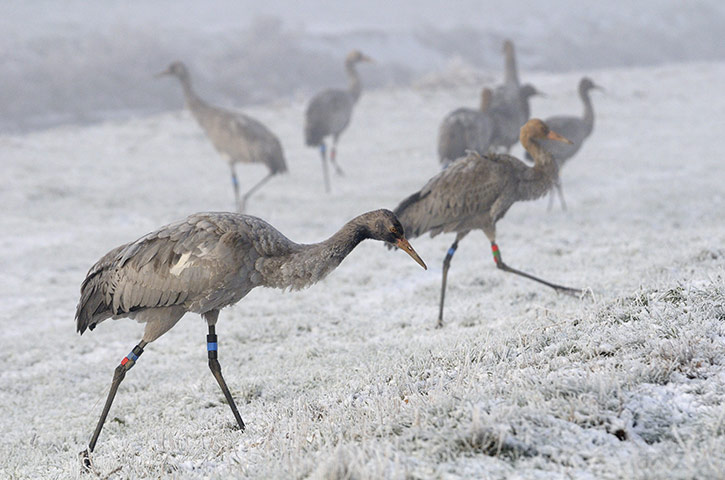
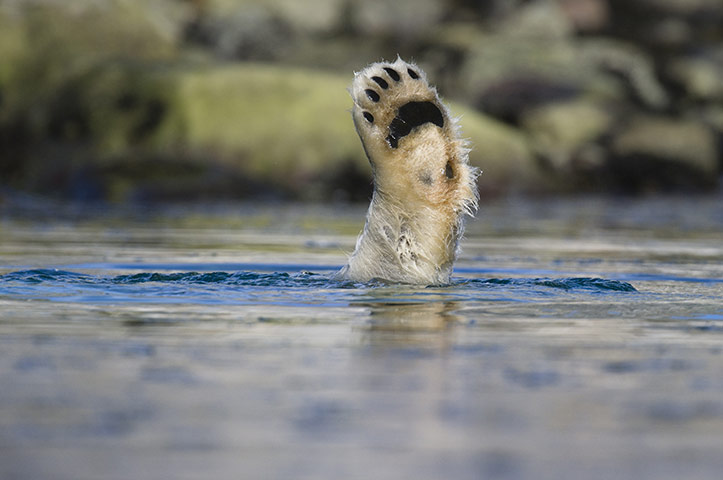
Eurasian cranes on a foggy winter morning in Somerset, England. Breeding cranes vanished from Britain in the 16th century due to voracious hunting and the reduction of their natural wetland habitat. In a bid to encourage cranes to once again flourish in Britain, earlier this year a flock of 20 was released at a secret location in the Somerset Levels as part of a joint initiative between the RSPB and the Wildfowl and Wetland Trust (WWT) called the Great crane project Photograph: Nature Picture Library/Rex FeaturesThe foot of a male polar bear is visible above the surface of the water as it dives. The group of polar bears were spotted picking a rotting whale carcass of its meat at Spitsbergen in Norway. Wildlife photographer Roy Mangersnes explains: 'A stranded fin whale was found in the Arctic archipelago of Svalbard in August 2009. One year later most of the meat is gone and an algae covered whale vertebra is the only part still visible. Still several bears are hanging around feeding on the carcass, which would secure them for the winter'Photograph: Roy Mangersnes/Rex FeaturesUnderneath the ice of Llyn Dinas lake in Snowdonia, Wales. This fish-eye view of a frozen lake shows the underwater world in the recent cold weather. Nature photographer Graham Eaton smashed through the ice covering the lake before wading into the freezing water, protected from the cold in a drysuit. With his camera set up in a special underwater housing he carefully lowered it below the water in order to document these eerily beautiful scenesPhotograph: NPL/Rex Features
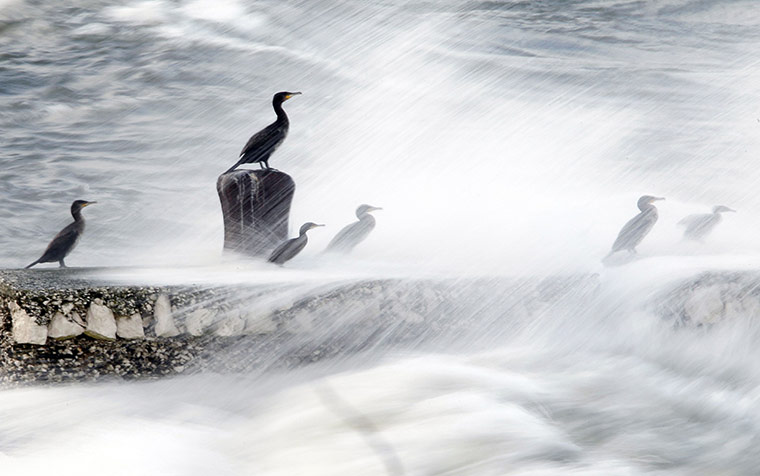
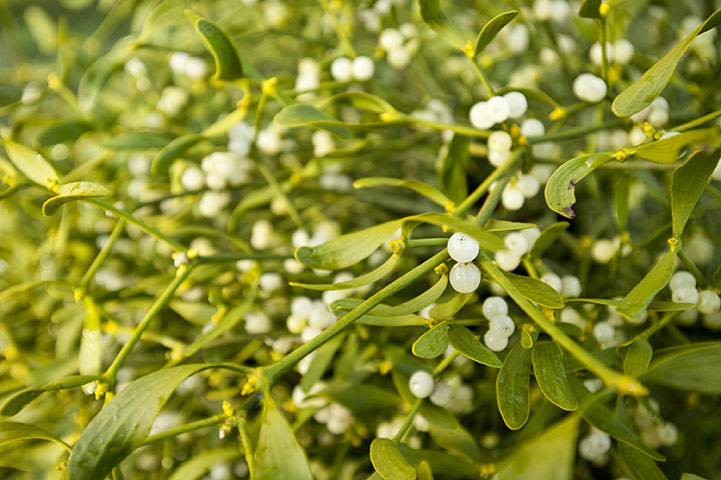
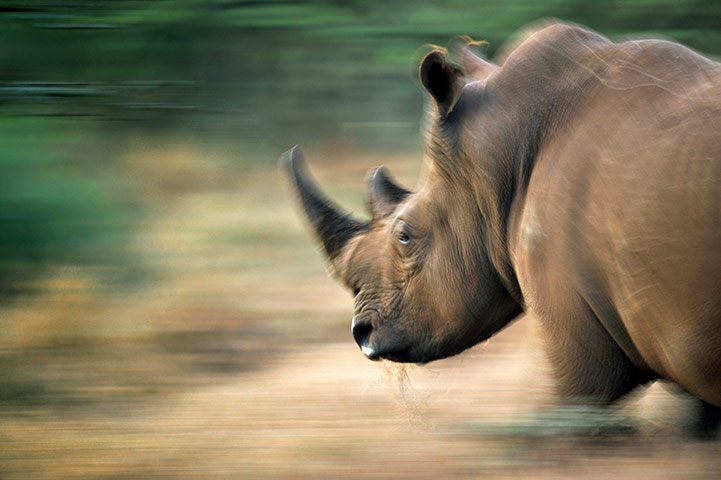
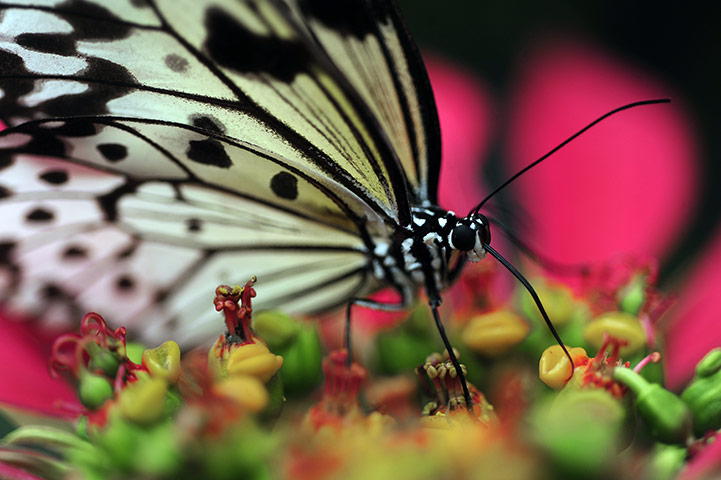
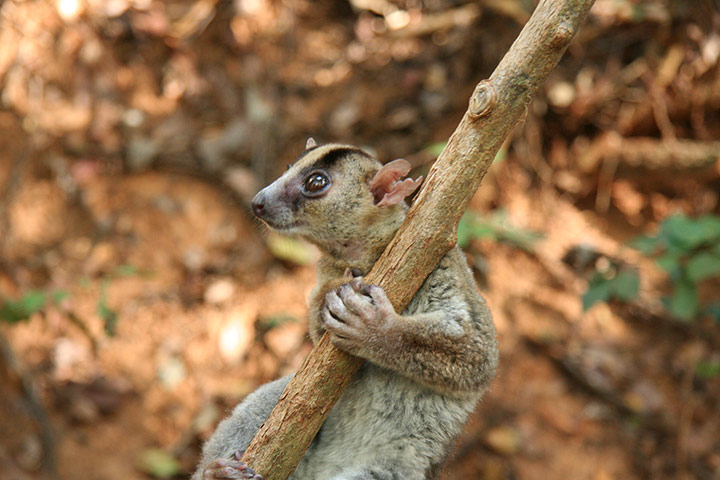
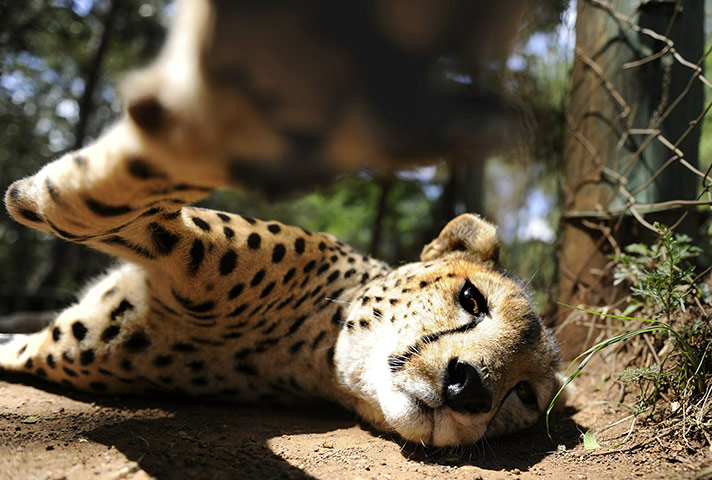
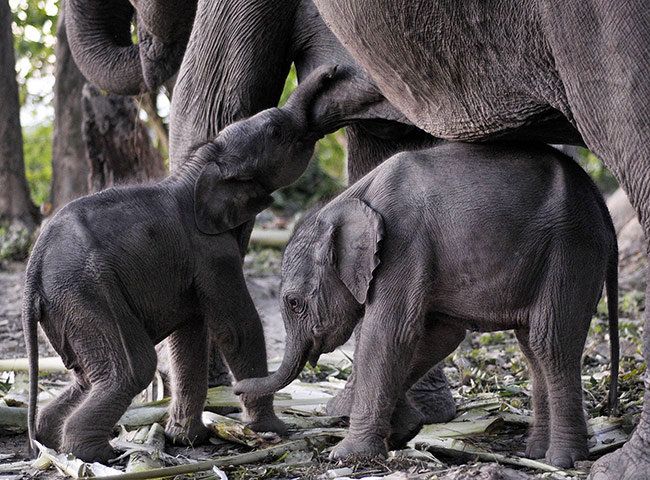
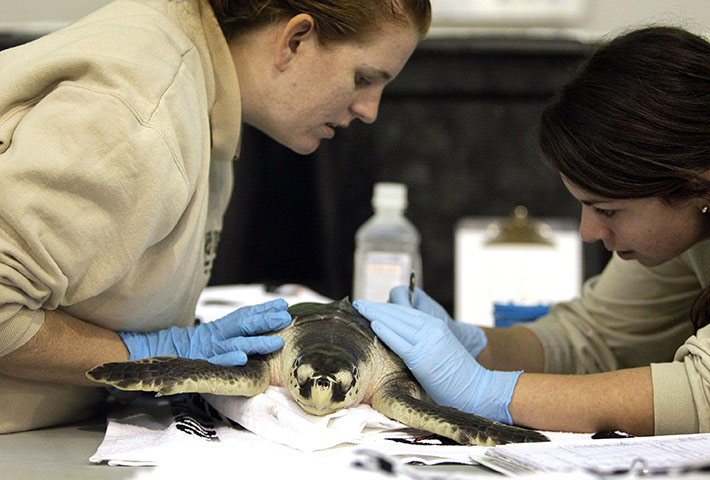
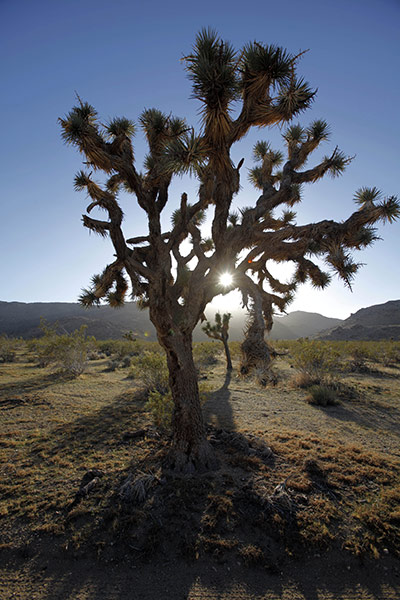
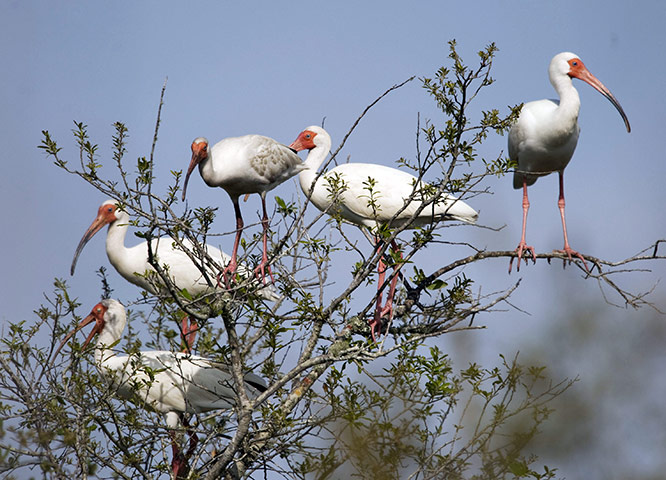
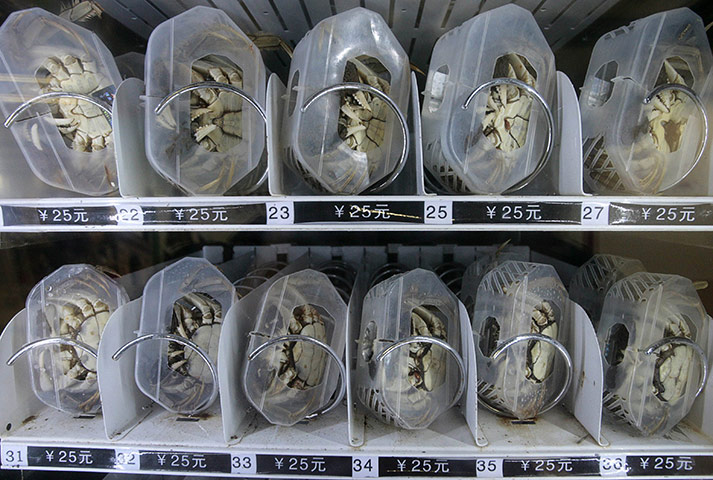
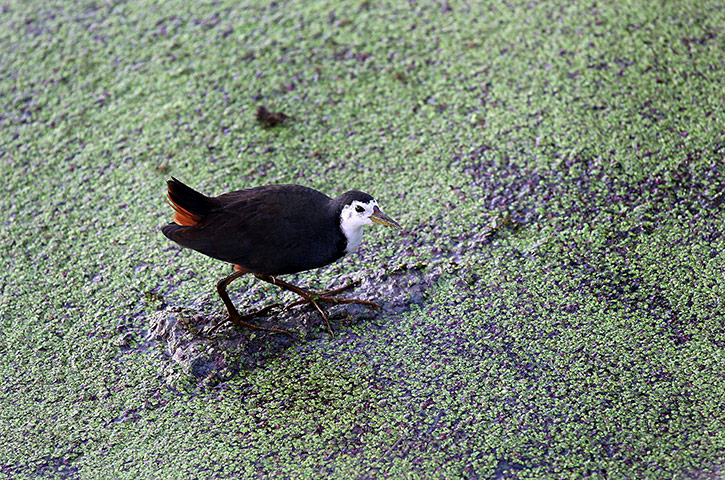
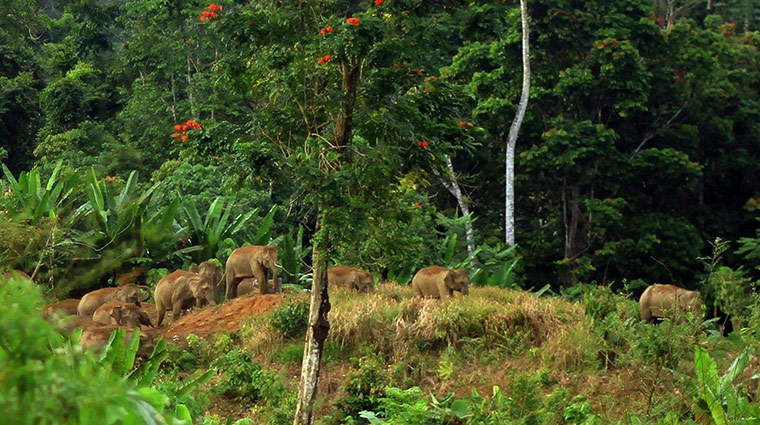
A group of cormorants perch on a pier as waves break around them in the coastal village of Waterfoot, County Antrim, Northern Ireland Photograph: Cathal Mcnaughton/ReutersConservationists warned this week that mistletoe could vanish from the UK within 20 years. The National Trust fears that the decline of traditional apple orchards, where mistletoe thrives, may lead to the parasitic plant disappearing – or becoming much harder to obtainPhotograph: Ross Hoddinott/PAA rhinoceros in the Lewa Wildlife Conservancy in Kenya. Two rhinos were killed by poachers at the reserve during 2010 and two in the last two months. Conservation officials are alarmed by a sharp increase in the poaching activity which they say is fueled by a high demand for rhino horns in Asia - especially from China. Spanning 62,000 acres, Lewa is home to more than 10% of Kenya's black rhino population and more than 14% of its white rhinosPhotograph: Roberto Schmidt/AFP/Getty ImagesA Filipino tree nymph butterfly feeds on a poinsettia at Butterfly World in Coconut Creek, Florida. The staff rounded up 12,000 butterflies to place them in breeding cubicles and protect them from sub-zero temperatures Photograph: Joe Cavaretta/APScientists believe they have discovered a new species of lemur in the forests of Madagascar. The animal's unique, feathery structure under its tongue – that may be used to gather nectar – distinguishes it as a new species, researchers say. They are waiting for the results of a genetic analysis to confirm the claim. Footage of the lemur aired this week on the BBC in the programme Decades of Discovery, in which filmmaker Chris Packham went in search of his top 10 favourite new species of the last decadePhotograph: BBCA female cheetah at the Nairobi animal orphanage in Kenya during a Christmas-party for the wild cats in captivity who were visited by their 'adoptive-parents',' corporates and individuals who contribute funds annually for the upkeep of the mostly orphaned cats. Africa's big-cat populations, especially lion and leopard, have been especially prone to human activity including cultivation, pastoralism and development as well as a growing trade in animal parts in the last few decadesPhotograph: Tony Karumba/AFP/Getty ImagesOne-day old female elephant twins feed from their mother Alka at the Orang national park in the Darrang district of Assam, India. Alka, an Asiatic elephant, made history when she gave birth to twins in the sanctuary on 15 December. Alka had mated with a wild elephant last year in the parkPhotograph: Stringer/EPAStaff at the Audubon Nature Institute examine a Kemp's Ridley turtle that was affected by the BP oil spill in the Gulf of Mexico. Of the thousands of animals rescued, dozens are still being cared for at wildlife centres along the Gulf Coast five months after the well was capped Photograph: Pat Semansky/APThe sun peeks through a Joshua tree at a proposed wind turbine site in the Mojave Desert, California. Fears that turbines could threaten protected golden eagles have halted progress on a key piece of the federal government's push to increase renewable energy on public lands, stalling plans for billions of dollars in windfarm developmentsPhotograph: Reed Saxon/APWhite ibis sit in a treetop at the Merritt Island national wildlife refuge in Titusville, Florida. Research by University of Florida scientists and collaborators showed that mercury consumption can affect ibis mating habits, causing some males to pair off, and reducing the number of chicks produced by femalesPhotograph: Stan Honda/AFPA cross-eyed opossum in its interim enclosure, Leipzig zoo, GermanyPhotograph: Sebastian Willnow/APLive hairy crabs in a vending machine at a station in Nanjing, Jiangsu province, China. This is the first live crab vending machine in China, and was installed on 1 October this year. The crabs cost from 10 yuan (US$1.50) to 50 yuan (US$7.50), depending on size and gender, and customers are promised a compensation of three live crabs if their purchase is dead. The machine sells an average of 200 live crabs dailyPhotograph: Sean Yong/ReutersA white-breasted waterhen pictured at the Keoladeo Ghana national park in Bharatpur, Rajasthan. After two years of drought-like situations, the park is again flooded with water this year due to a good monsoon season and water released from a nearby dam. Migratory birds have once again started returning to the park in large numbers and more are expected to arrive by end January. The park is a Unesco world heritage site and attracts a number of rare migratory birds such as the common demoiselle and the Siberian crane Photograph: Harish Tyagi/EPAA herd of endangered Sumatran elephants roam in a forested area of east Aceh, Indonesia. Three elephants were found dead in a nearby village after they rampaged in the area, destroying crops and houses and forcing 50 villagers to flee. There are up to 3,350 Sumatran elephants remaining in the wild, according to the environmental group WWF. Human-animal conflicts are a rising problem as people encroach on wildlife habitats in Indonesia, an archipelago with some of the world's largest remaining tropical forestsPhotograph: Sutanta Aditya/AFP/Getty Images
Sign up to read this article
Read news from 100’s of titles, curated specifically for you.