Get all your news in one place.
100’s of premium titles.
One app.
Start reading
The Guardian - UK
The Guardian - UK
Environment

The week in wildlife

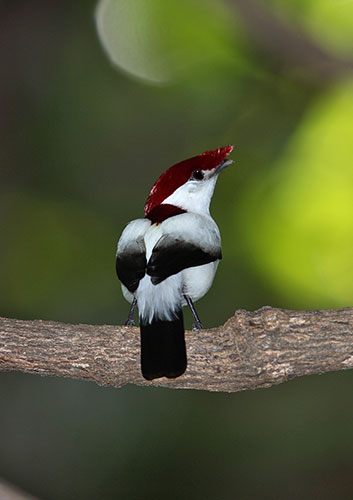
Week in Wildlife: The critically endangered Araripe Manakin Antilophia bokermanni
The critically endangered araripe manakin (Antilophia bokermanni), which is declining due to ongoing habitat clearance for agriculture within its tiny range in Brazil. The world has failed to meet the target set by international leaders to reduce the rate of biodiversity loss by this year, experts will announce next month
Photograph: Andy & Gill Swash/worldwildlifeimages.com
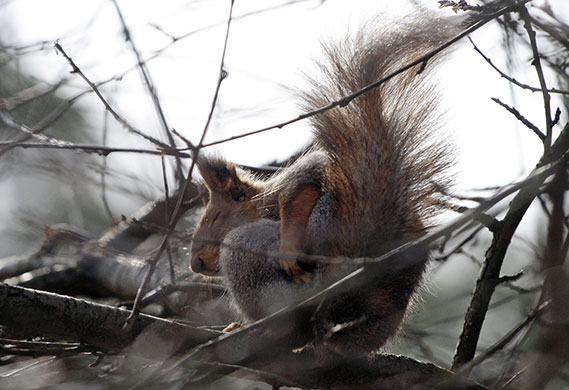
Week in Wildlife: A squirrel scratches himself on a tree
A squirrel scratches itself on a tree in a forest of Vaasa, Finland
Photograph: Olivier Morin/AFP/Getty Images
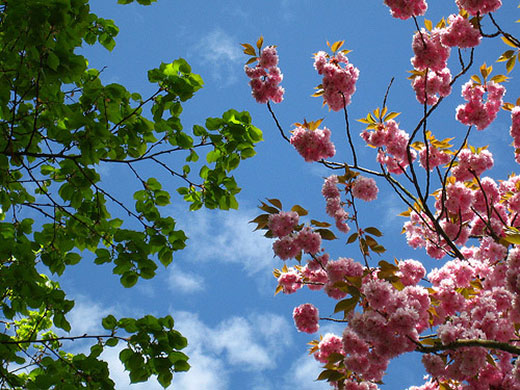
Week in Wildlife: Readers Blossom photos
To mark the first Full Bloom festival, we asked you to help us celebrate the beauty and biodiversity of spring blossom by posting your images on our Flickr group. This images was taken on 25 April by boz_w
Photograph: Flickr
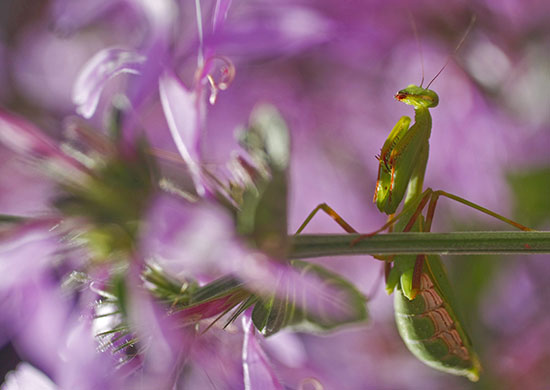
Week in Wildlife: Praying Mantis climbs through Fynbos flowers
A pregnant praying mantis climbs through fynbos flowers in Cape Town, South Africa. Temperatures are dropping during the southern hemisphere autumn with many insects using the last available sunshine for hunting prey
Photograph: Nic Bothma/EPA
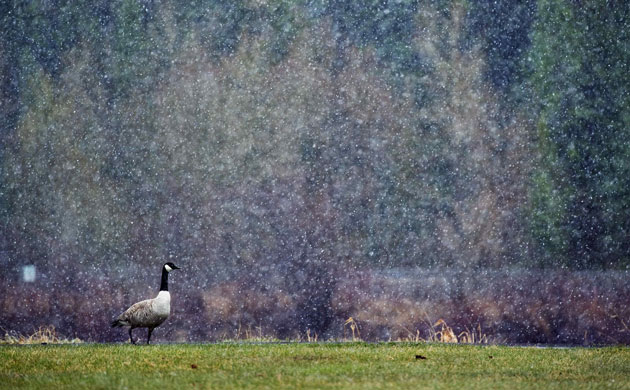
Week in Wildlife: A Canada goose walks along the Bow River in a snowstorm in Calgary
A Canada goose walks along the Bow River in a snowstorm in Calgary, Alberta. Southern Alberta is preparing for a late spring snowstorm that is forecast for the next few days
Photograph: Todd Korol/Reuters
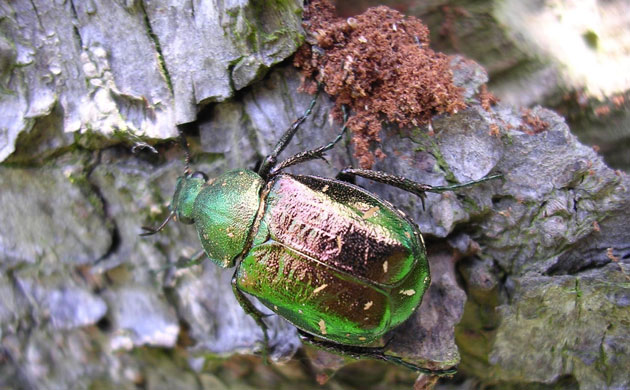
Week in Wildlife: Orchard project habitat for wildlife : a noble chafer beetle
A noble chafer beetle. Dozens of orchards have been planted, restored and surveyed in the first year of a project to protect traditional fruit trees and their habitat, the National Trust said. Traditional orchards, which are home to local fruit varieties and provide an important habitat for wildlife, are now listed as a conservation priority under the UK biodiversity action plan. The project aims to reverse the decline in traditional orchards which has seen more than 60% of sites disappear since the 1950s. The classic feature of the British countryside has declined as a result of development, conversion to other uses and pressure on small-scale producers from commercial fruit growing
Photograph: Matt Smith/NTPL/PA
Week in Wildlife: A frog hides amongst lily pads that dot a pond
A frog hides among lily pads in a pond in Roswell, New Mexico. Today marks the second annual Save the Frogs day, which aims to raise awareness of the conservation issues threatening amphibians worldwide. Amphibians (frogs and toads, newts, caecilians and salamanders) are being affected by habitat loss, climate change, pollution, pesticides and introduced species, but face an even bigger threat from a deadly parasitic fungus known as amphibian chytrid. Visit our gallery of some of the most endangered species
Photograph: Mark Wilson/AP
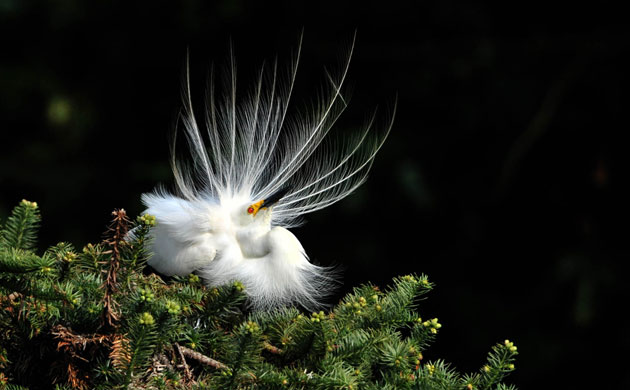
Week in Wildlife: A pair of white egrets plucking up plumes, Poyang Lake, China
A pair of white egrets plucking up plumes in the wetland of Poyang Lake in eastern China
Photograph: KPA/Zuma/Rex Features
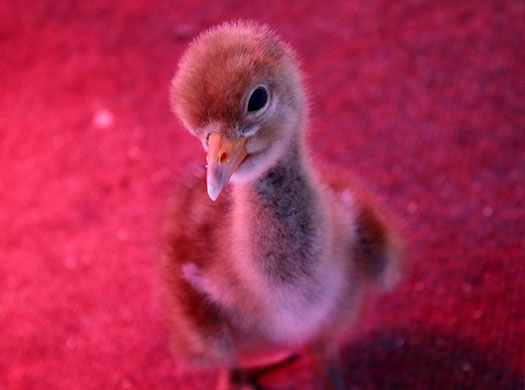
Week in Wildlife: Crane chicks set for release into the wild
The first crane chicks set for release into the wild as part of a reintroduction project in Britain hatched on 27 April - just hours after the eggs completed an 'epic' 17-hour road trip from Germany
Photograph: RSPB/PA
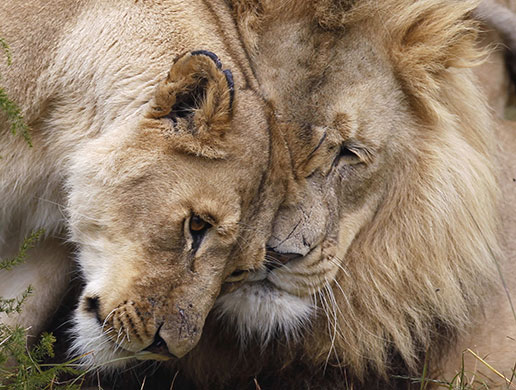
Week in Wildlife: Two lions are seen at the Lionsrock Big Cat Sanctuary near Bethlehem
Two lions are seen at the Lionsrock Big Cat sanctuary near Bethlehem in South Africa. Lionsrock is run by Four Paws, an international animal welfare organisation that raises awareness of the plight of lions that are being bred in captivity for a multi-million rand hunting and tourism industry
Photograph: Peter Andrews/Reuters
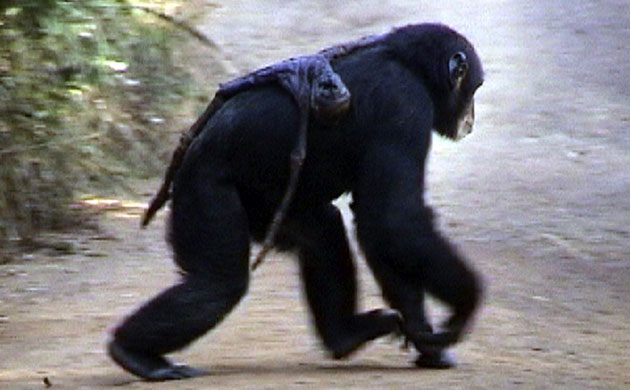
Week in Wildlife: An adult female chimpanzee carries the mummified remains of her infant
An adult female chimpanzee carries the mummified remains of her infant in Bossou, Guinea. Research published in the journal Current Biology has examined how chimpanzees deal with death. Video footage shows a young chimpanzee playing with the mummified corpse of an infant group-mate, before the dead chimpanzee's mother retrieves it. Lead author Dora Biro said: 'Our observations showed a remarkable response by chimpanzee mothers to the death of their infants: they continued to carry the corpses for weeks, even months, following death.'
Photograph: Dora Biro
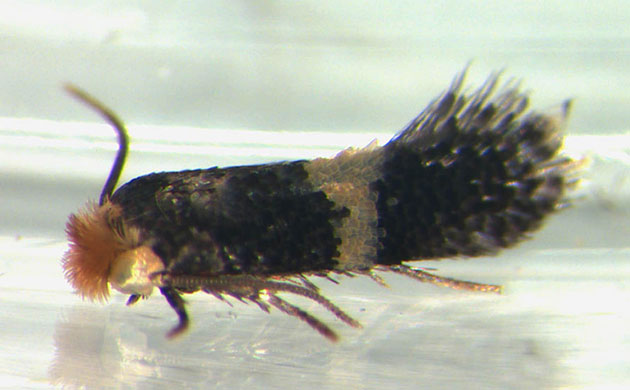
Week in Wildlife: New moth discovered
A new species of tiny moth was discovered this week by an amateur naturalist who spotted its caterpillar digging through an oak leaf. The micro moth, whose wingspan is just 6mm, was discovered in Hembury Woods in Devon by local naturalist Bob Heckford who noticed tell-tale signs of mines dug through the leaves of oak saplings. The new species has not been found anywhere else in the world and has been named Ectoedemia heckfordi after Heckford
Photograph: Handout/PA
Week in Wildlife: New moth discovered
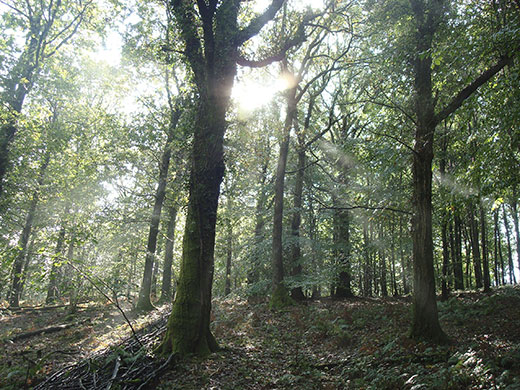
An oak forest in Hembury Woods, Devon. A new disease killing oak trees could alter the British landscape even more than Dutch elm disease, woodland groups warned this week as they called for more funding to tackle the problem
Photograph: Handout/PA
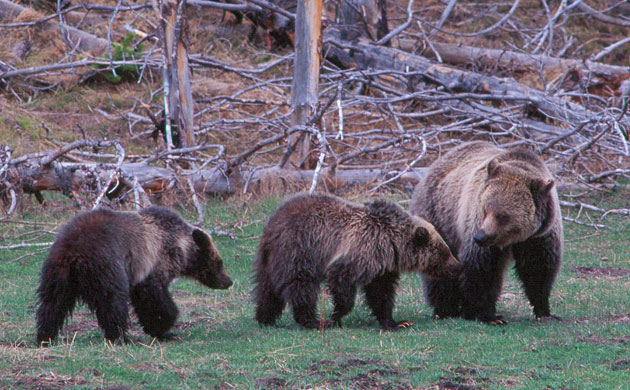
Week in Wildlife: A female grizzly bear family rambles through Yellowstone National Park
A female grizzly bear family rambles through Yellowstone national park
Photograph: Kim Keating /U.S. Geological Survey
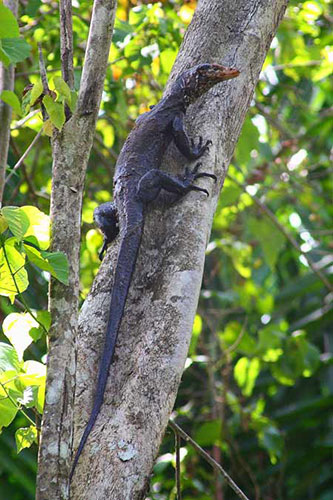
Week in Wildlife: The newly discovered Varanus obor aka Torch monitor lizard
The newly discovered Varanus obor, also known as the Sago - or torch - monitor, found in Indonesia by Sam Sweet, an ecologist at the University of California, Santa Barbara, and Valter Weijola, a graduate student at Abo Akademi University in Turku, Finland
Photograph: Valter Weijola
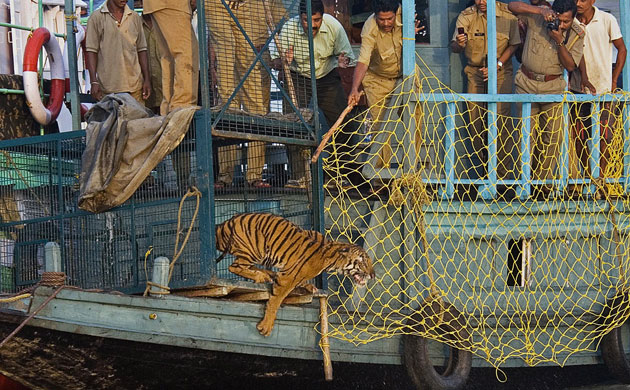
Week in Wildlife: a young female Royal Bengal tiger leaps into the water
Game officials watch as a young female Royal Bengal tiger leaps into the water from a cage as it is released into the Sundarban wildlife reserve near Calcutta. The tiger was found straying by officials during a recent storm and released back into the wild. According to the most recent Indian government census there are only roughly 1,400 tigers left in the country. This week the country announced its intention to severely limit tiger tourism
Photograph: Joydip Suchandra Kundu/AP
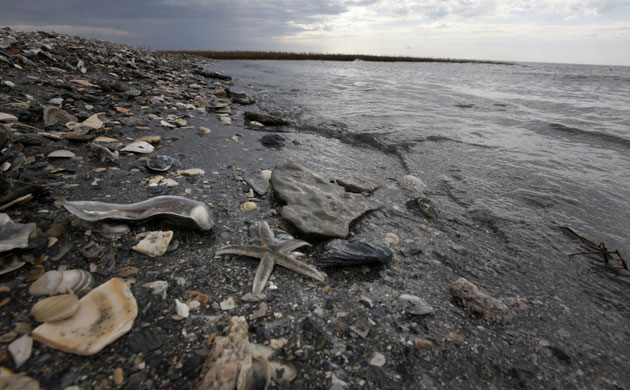
Week in Wildlife: A starfish washes ashore on the Chandeleur Islands
A starfish washed ashore on the Chandeleur Islands, off the south-eastern coast of Louisiana. The barrier islands are at risk from a growing oil spill and leak in the Gulf of Mexico caused by the explosion and sinking of the Deepwater Horizon oil rig last week
Photograph: Gerald Herbert/AP
Sign up to read this article
Read news from 100’s of titles, curated specifically for you.
Already a member? Sign in here
Related Stories
Top stories on inkl right now
One subscription that gives you access to news from hundreds of sites
Already a member? Sign in here
Our Picks
Fourteen days free
Download the app
One app. One membership.
100+ trusted global sources.