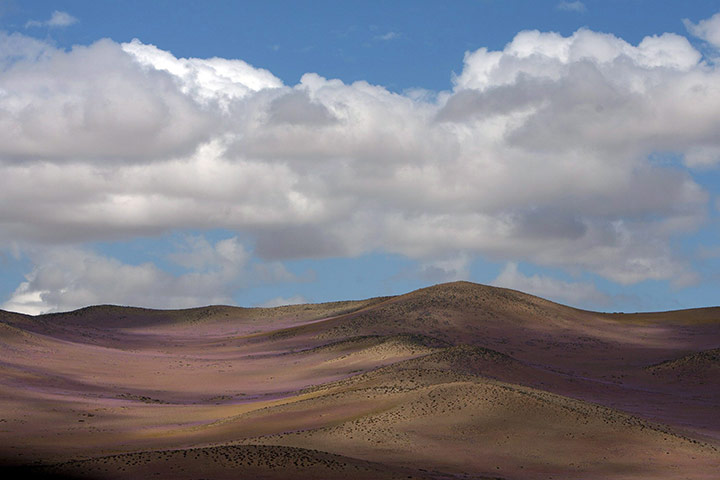
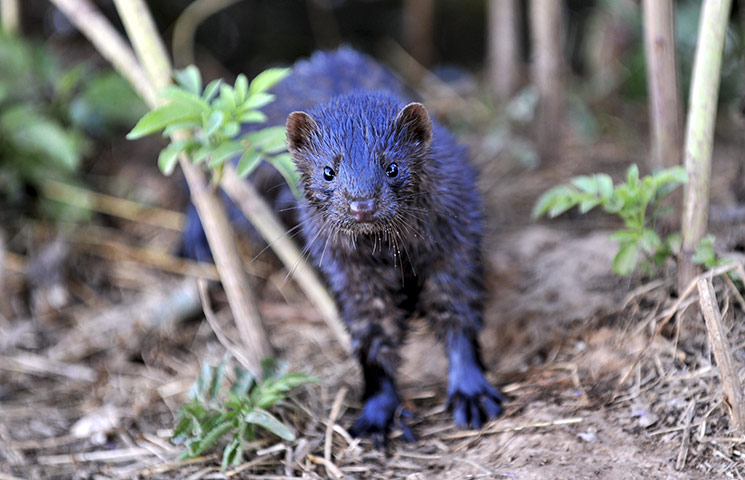
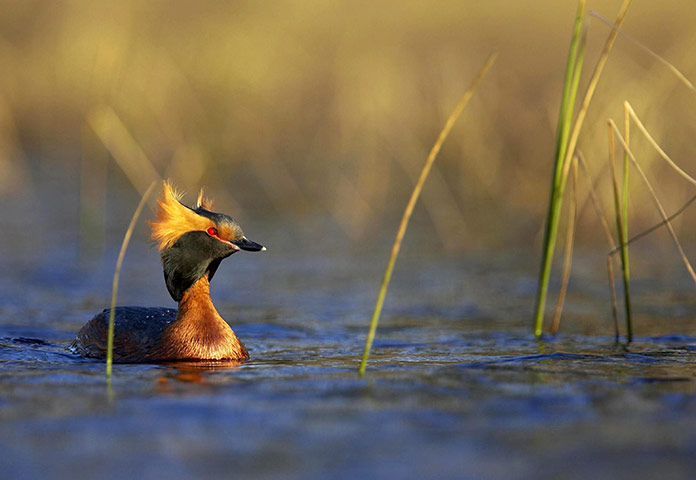
The 'flowery desert' in Atacama desert, between Copiapo and Vallenar, Chile. The 'flowery desert' is a natural phenomenon in which flowers of great diversity appear in July and AugustPhotograph: Ian Salas/EPAA mink in Hiliodendro, near the northern Greek city of Kastoria. More than 50,000 minks were set loose in the area last weekend, after raids by suspected animal rights activists on two fur farms. Greece's National Fur Breeders' Association said most of the released animals are likely to die, adding that the cost to farm owners could pass €1m despite an effort to recover the animalsPhotograph: Nikolas Giakoumidis/APThe Slavonian grebe, one of Scotland's most mysterious birds, has been in decline in recent years, with breeding pairs falling from about 80 at their peak during the 1970s and 1980s to just 22 todayPhotograph: RSPB/PA
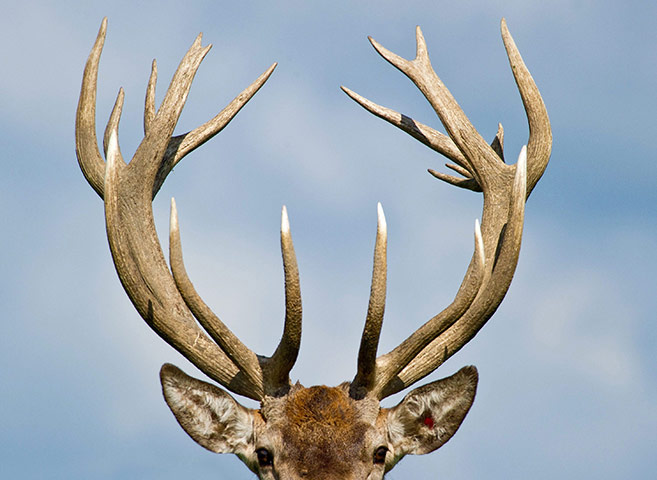
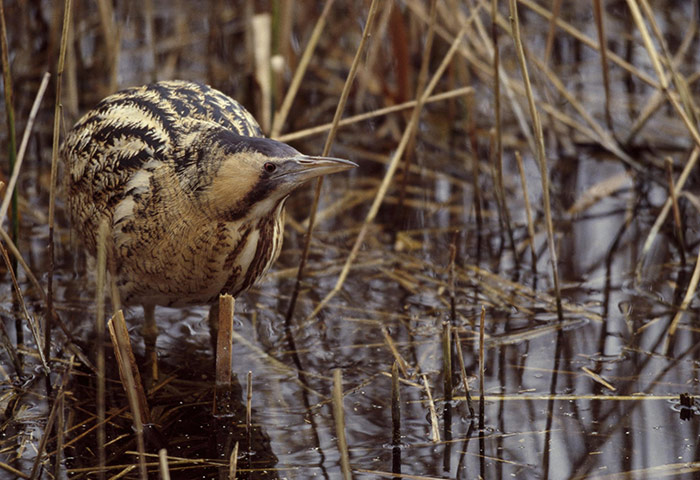
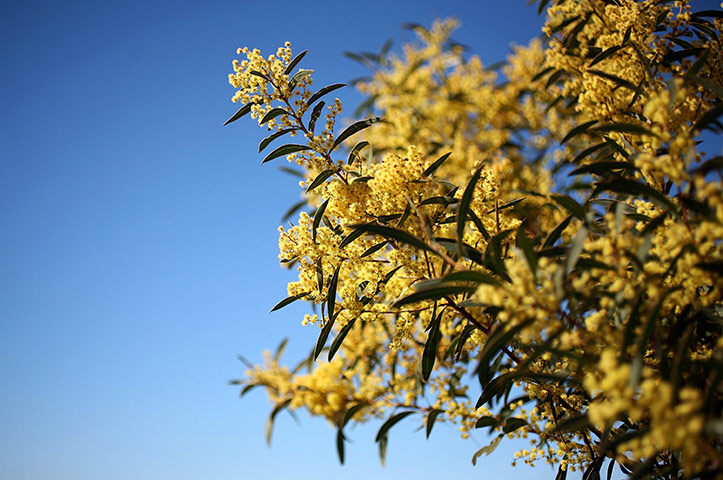
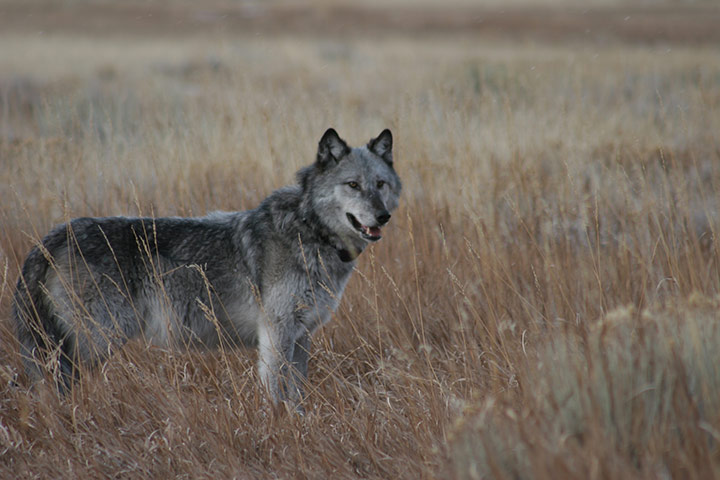
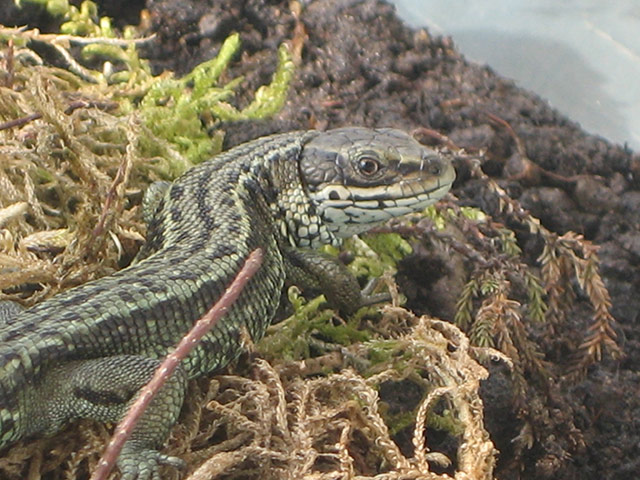
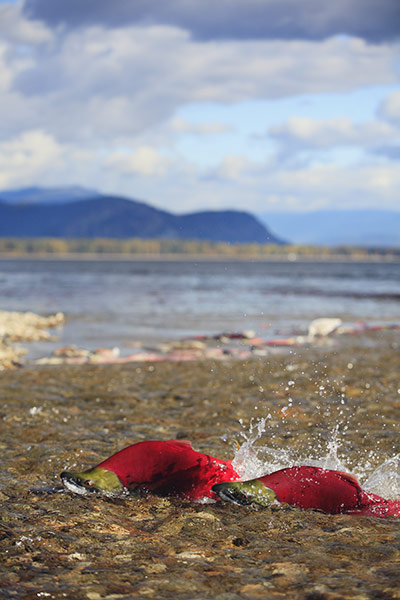
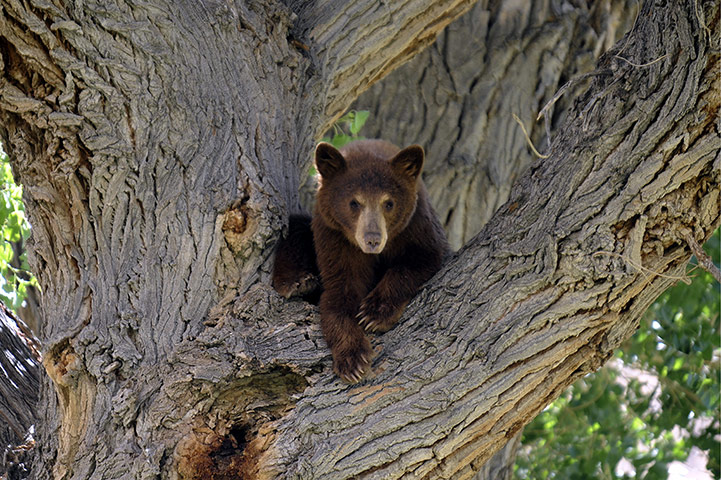
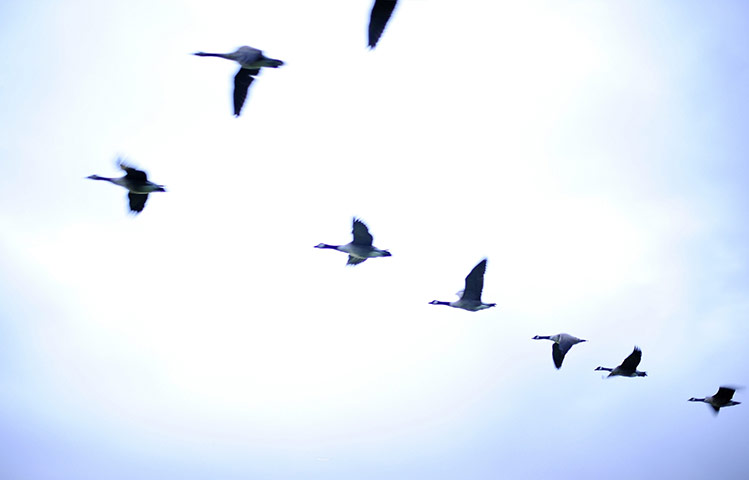
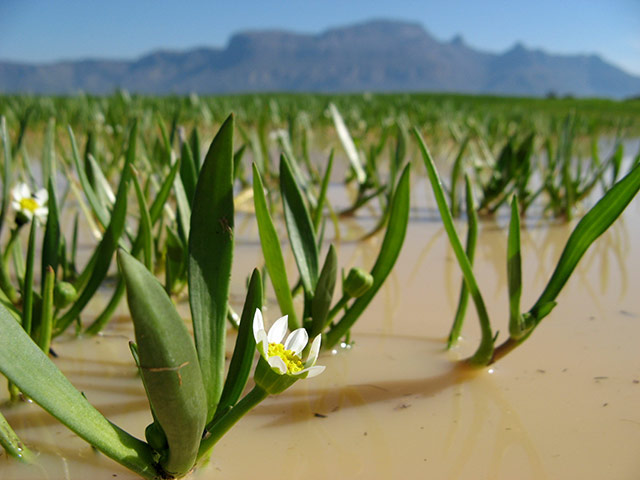
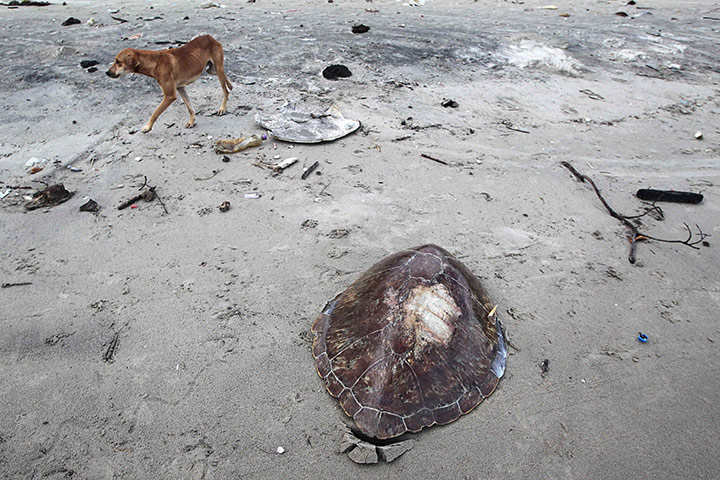
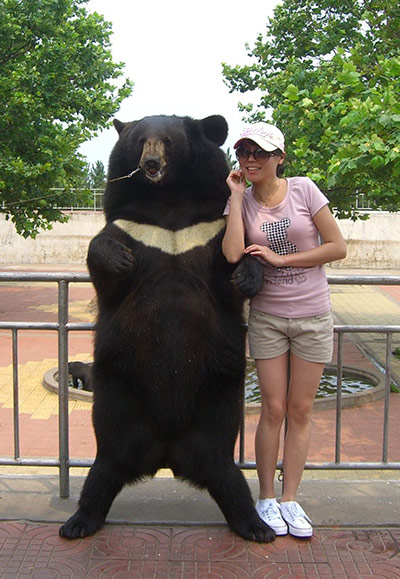
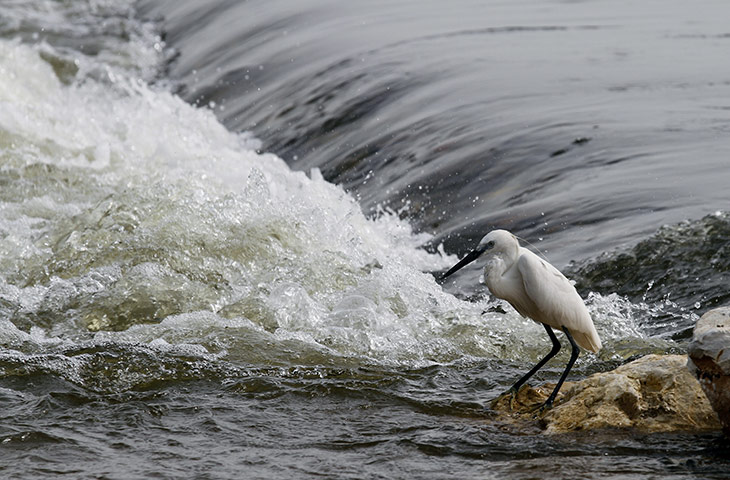
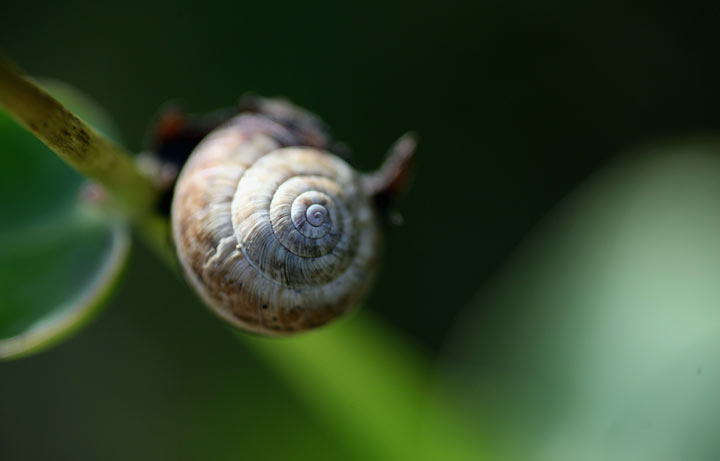
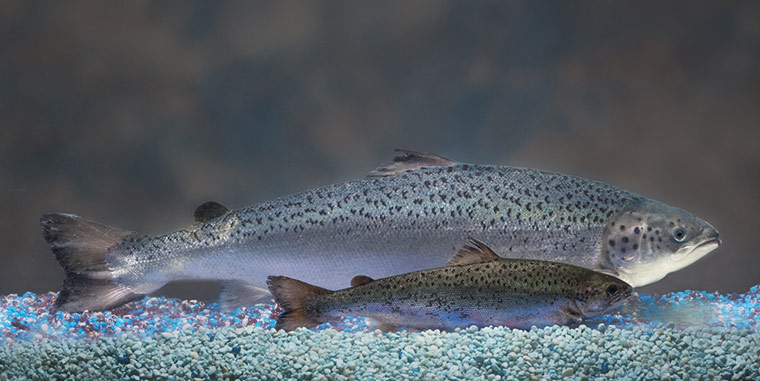
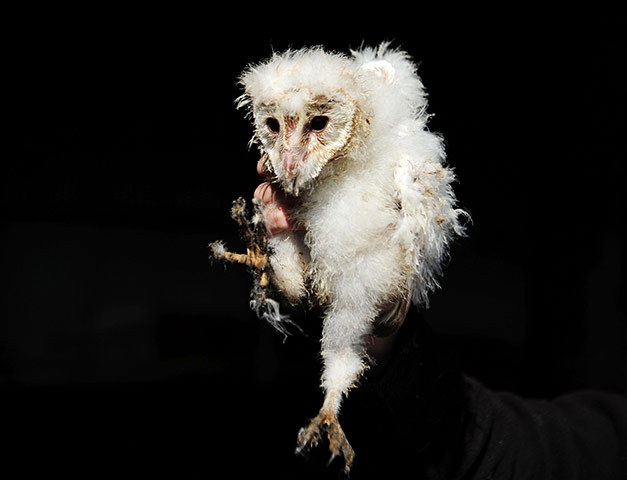
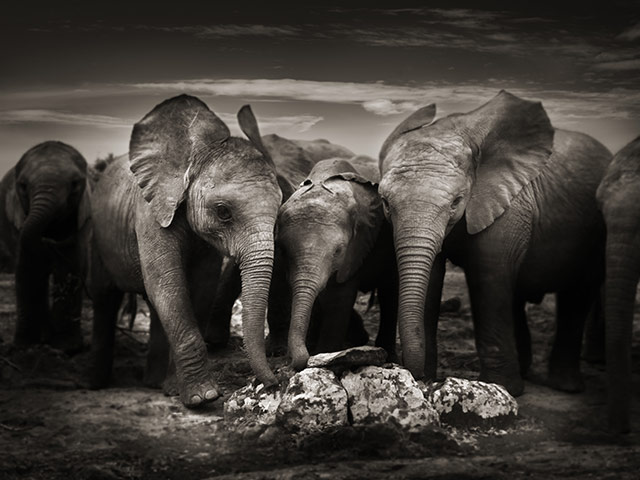
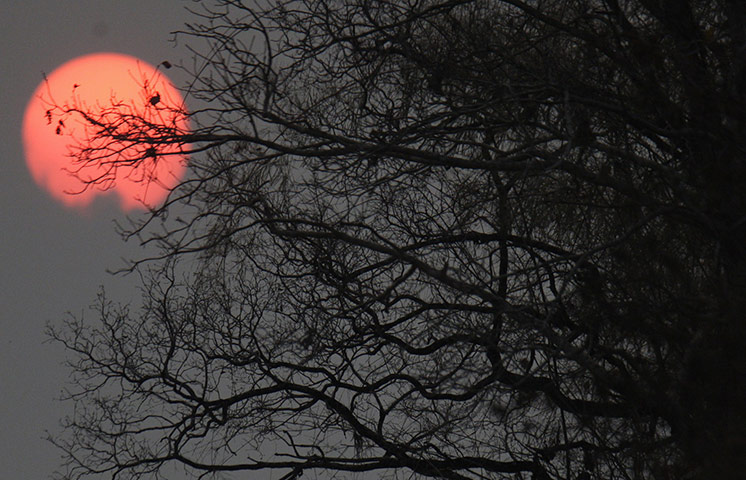
A stag with mighty antlers stands in Brandenburg, Germany, where rutting season has begun with its fascinating stag fightsPhotograph: Patrick Pleul/EPAAn adult bittern wading in the reedbed at Lee Valley country park, which straddles Essex and Hertfordshire. One of the UK's rarest birds has enjoyed its most successful year on record despite being hit by the harsh winter last year. Monitoring revealed that the number of bitterns 'booming' – the loud call made by male birds to attract a mate – reached 87 this year, up from the previous record of 82 males heard last yearPhotograph: Andy Hay/RSPB/PAIn 1988 the golden wattle (Acacia pycnantha) was made Australia's official floral emblem and, in 1992, 1 September was named National Wattle day. For indigenous Australians, wattle trees provided a source of food, medicines, and wood for utensils and weaponsPhotograph: Mark Kolbe/Getty ImagesA wolf in Yellowstone national park. In 1995, wolves were reintroduced into the park, which is primarily in the US state of Wyoming, though it also extends into Montana and Idaho. Previous research claimed the wolves were helping to stop elk from eating aspen trees but a new study suggests this may not be the casePhotograph: Arthur Middleton/USGCA common lizard (Zootoca vivipara) in Northern Ireland. A new ecological network is urgently needed to ensure the continued survival of Northern Ireland's precious lizard population, according to researchers at Queen’s University BelfastPhotograph: Aodan Farren/QuercusSockeye salmon in Adams River, Shuswap, Canada. Every year, sockeye salmon return to the rivers of western Canada to make their arduous upstream journey to calmer spawning groundsPhotograph: John E Marriott/CorbisA black bear cub peers from a Cottonwood tree after being scared up there by a visitor to the Whitewater Canyon nature preserve near Palm Springs, California. Human encounters with bears and mountain lions in urban areas of Los Angeles and southern California have become a problem as the animals' habitats are invaded by new construction developmentsPhotograph: Mike Nelson/EPAA flock of Canada geese fly in formation above Clapham Common in LondonPhotograph: Dylan Martinez/REUTERSThe critically endangered Cadiscus aquaticus is only found in a few vernal pools in the Western Cape of South Africa where it is threatened by livestock grazing, infilling of wetlands and damage by agricultural machinery. Millions of Africans may lose a key source of livelihoods as a fifth of freshwater African species are threatened with extinctionPhotograph: Nick Helme/AFP/Getty ImagesA dog walks past the carcass of an endangered green sea turtle (Chelonia mydas) on the beach in Puerto Cabezas, along Nicaragua's Caribbean coast. About 500 turtles per month are sold for food in the port and turtle meat sells for approximately $1.10 per poundPhotograph: Oswaldo Rivas/ReutersTian Tian, who had been a circus performer, has become a celebrity in Shendiao Mountain zoo, northern China, by posing for pictures with tourists. Last week a documentary fronted by Terry Waite highlighted the abuse of bears, big cats and elephants in Chinese circusesPhotograph: Quirky China News/Rex FeaturesAn egret waits to catch fish from a floodwater stream in Shahdad Kot, in southern Pakistan. Hundreds of thousands of people have had to flee to higher groundPhotograph: Anjum Naveed/APA snail at the Dungeness nature reserve in Kent, which has one of the largest areas of vegetated shingle in the worldPhotograph: Dan Kitwood/Getty ImagesA genetically engineered AquAdvantage salmon (background) and an Atlantic salmon of the same age. The US Food and Drug Administration will hold a three-day meeting this month to discuss whether to approve the altered fish for American consumers to eatPhotograph: HO/ReutersA barn owl chick has its wings measured in Kielder, Northumberland. A farm where holiday makers can watch owls in their nest via CCTV was celebrating a baby boom of chicks following one of the harshest winters on recordPhotograph: Owen Humphreys/PAGroup therapy: Nchan, Chaimu and Ndii at an elephant nursery in Nairobi, Kenya. The David Sheldrick Wildlife Trust is holding an exhibition of pictures taken by three of the world's most celebrated wildlife photographers – Joachim Schmeisser, Michael Nichols and Robert Carr-HartleyPhotograph: Joachim Schmeisser/David Sheldrick Wildlife TrustThe sun sets behind a parched tree in Mato Grosso, midwestern Brazil. Dry weather, drought and heat has put about 70% of the country at risk of firesPhotograph: Ricardo Moraes/Reuters
Sign up to read this article
Read news from 100’s of titles, curated specifically for you.