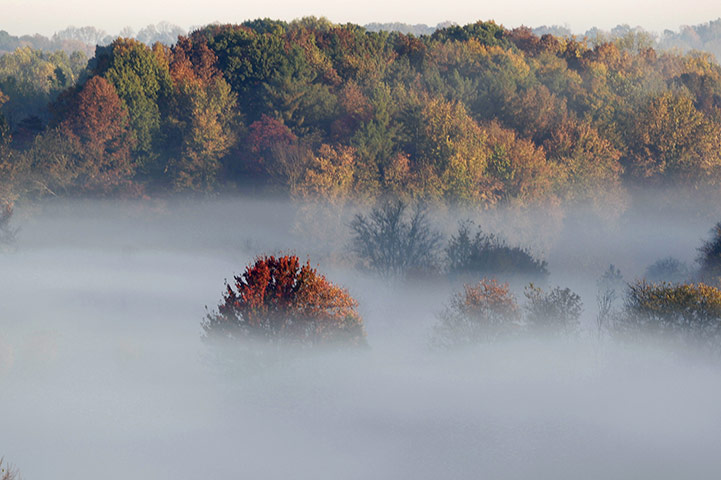
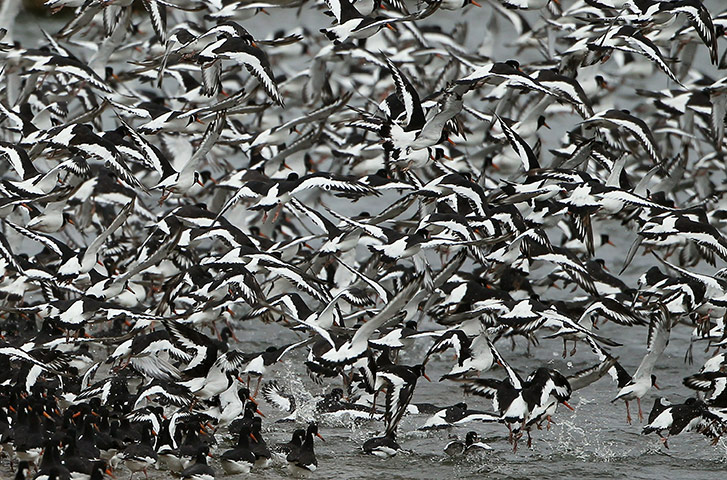
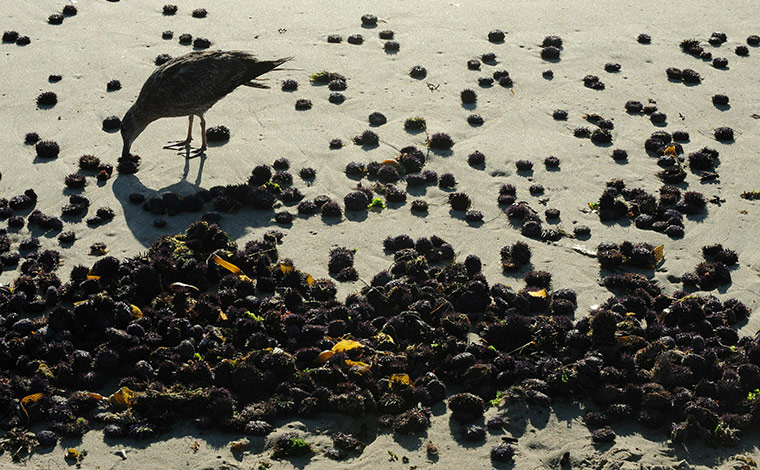
Autumnal leaves in the fog in Jasper, Indiana, US Photograph: Michael Conroy/APOystercatchers take to the air at the RSPB's Snettisham nature reserve, north-east England. The reserve lies on the edge of The Wash estuary, one of the most important bird habitats in the UK that supports over 300,000 birds. High tides force thousands of geese and other waders including knot, oystercatchers, avocet and grey plover to take flight, and advance up the mud flats in search of food. This week the RSPB released a report suggesting innovative ways for the UK to raise the funding needed protect species and habitats in an era of cutsPhotograph: Dan Kitwood/Getty ImagesA juvenile sea gull feeds amongst tens of thousands of dead sea urchins washed up on Malibu beach in California, US, which is closed to swimmers after recent rains caused the water to be contaminatedPhotograph: Mark Ralston/AFP/Getty Images
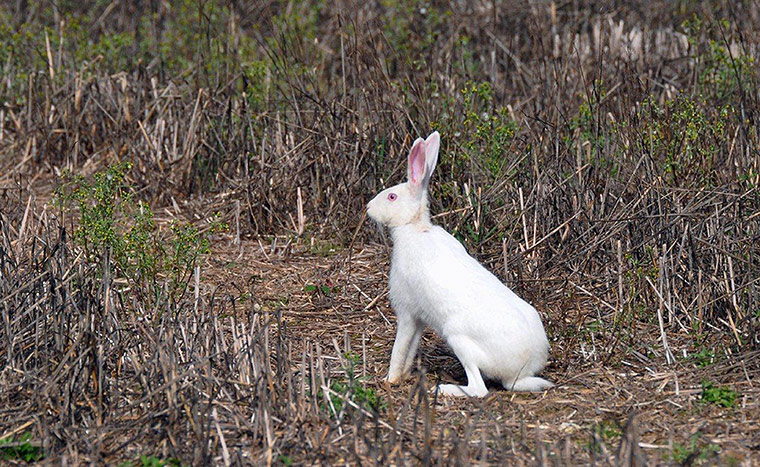
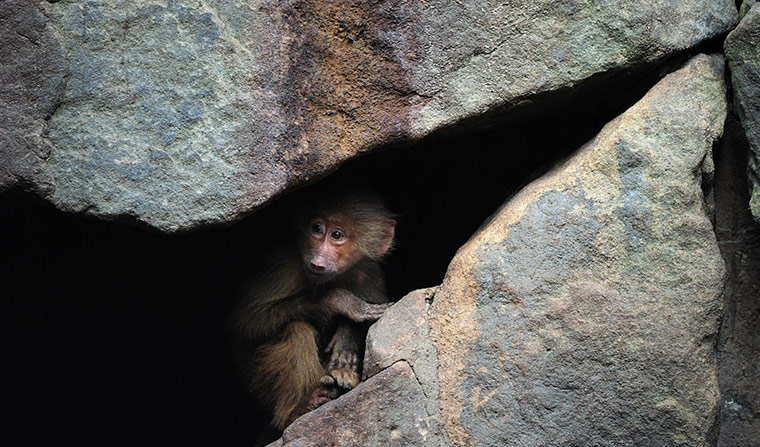
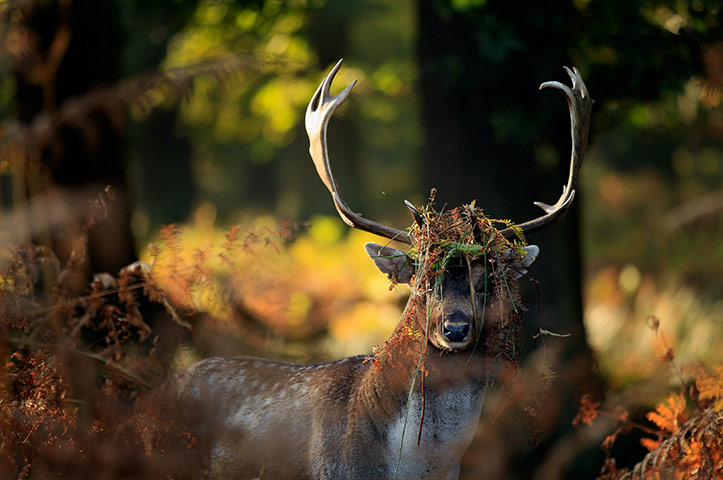
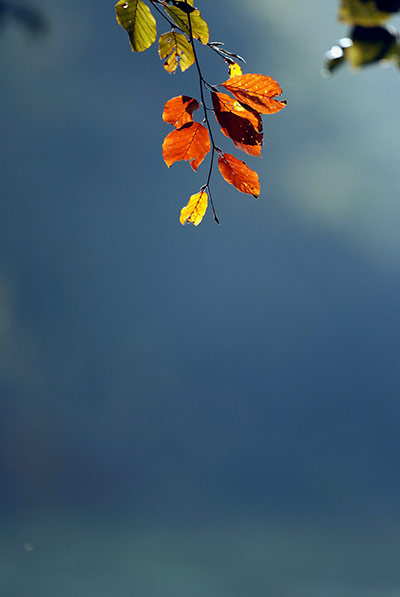
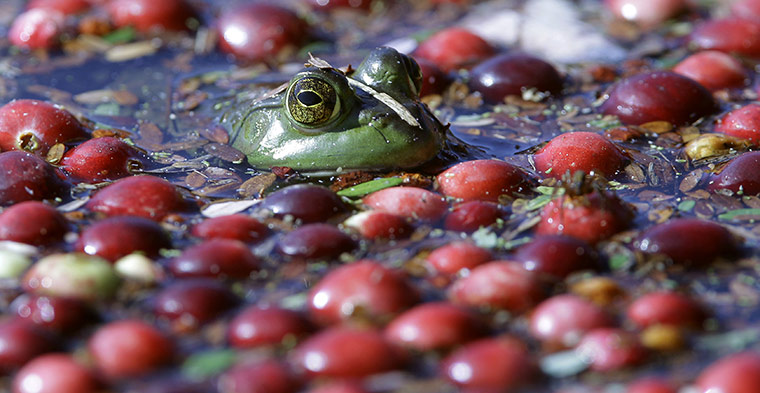
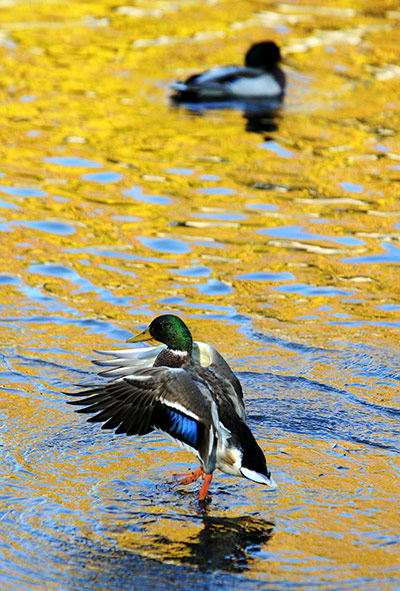
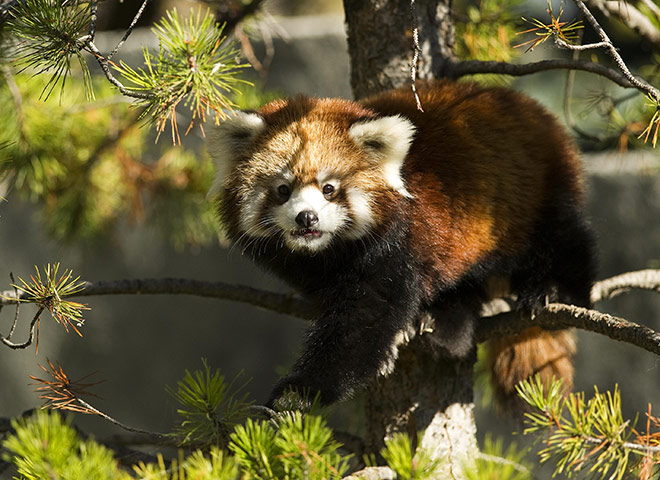
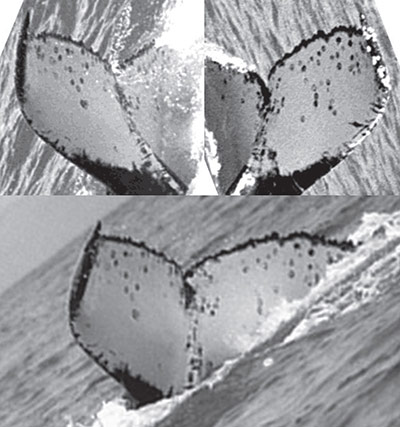
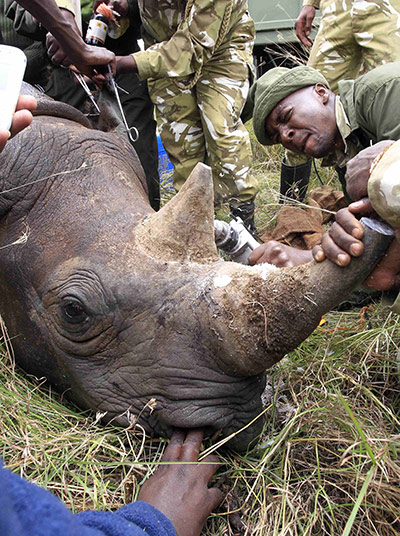
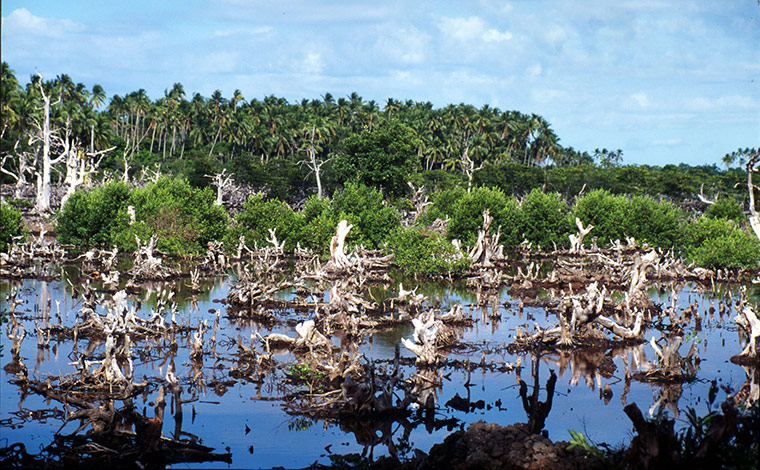
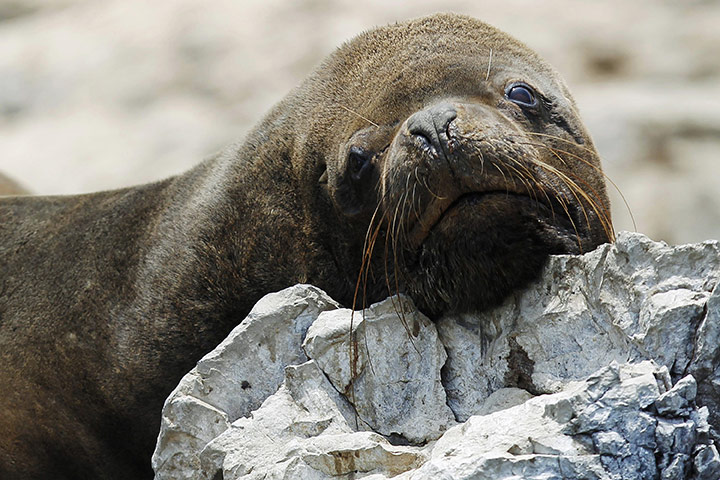
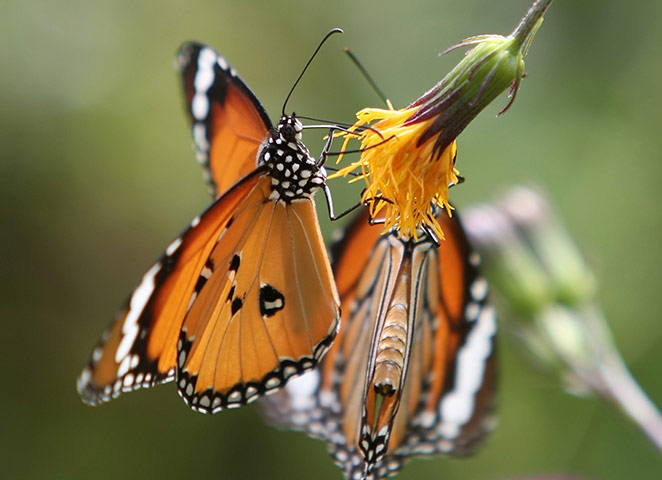
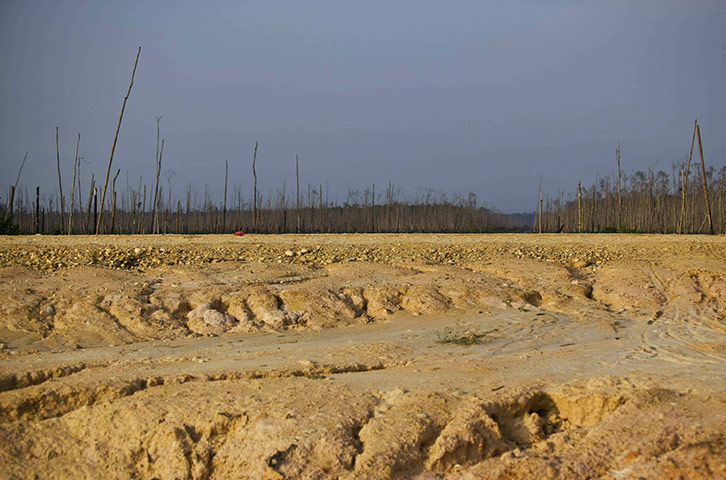
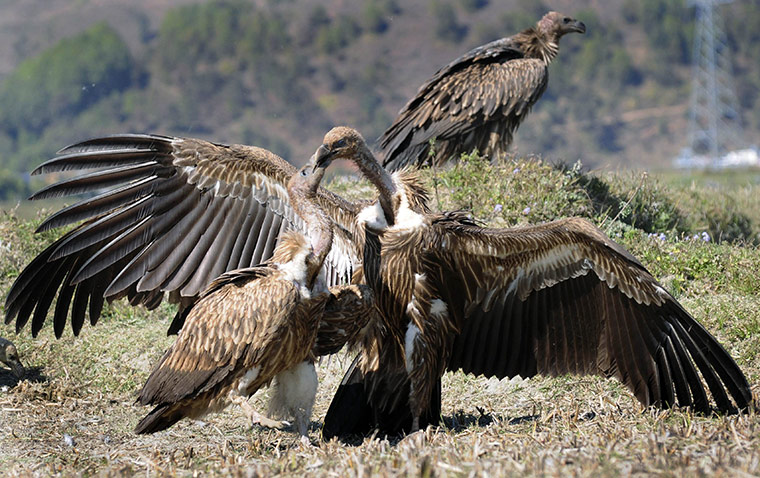
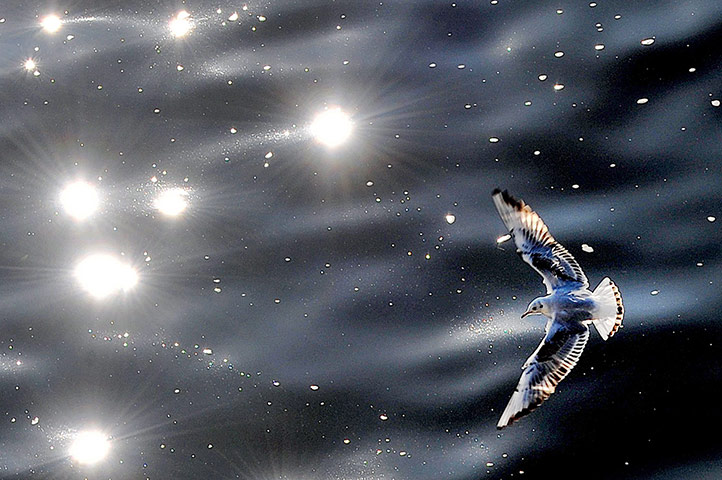
A photo from the Game & Wildlife Conservation Trust of an albino brown hare that was spotted on farmland in Hampshire, England, this weekPhotograph: Game & Wildlife Conservation Tru/PAA baboon peers out from rocks in an enclosure in Berlin's Tiergarten zoo, GermanyPhotograph: Johannes Eisele/AFP/Getty ImagesA deer forages for food in the early morning sun at the National Trust's Dunham Massey property in Cheshire, England. Shortening daylight hours and cooler weather signals the start of the rutting season for red and fallow deerPhotograph: Christopher Furlong/Getty ImagesThe early morning sun on autumn leaves at Dunham MasseyPhotograph: Christopher Furlong/Getty ImagesA frog pokes its head up amid cranberries awaiting harvest on a cranberry bog in Wareham, Massachusetts, USPhotograph: Charles Krupa/APA duck spreads its wings on a pond reflecting the autumn leaves in a park in central Moscow, RussiaPhotograph: Dmitry Kostyukov/AFP/Getty ImagesA red panda cub ventures out of its den for the first time at Calgary zoo. Red panda cubs typically remain in their den until they are able to get around almost as well as an adult. The cub is one of two born on 30 MayPhotograph: Todd Korol/ReutersA humpback whale swam a quarter of the way around the world to breed, a 6,000 mile trek that is the longest recorded by any mammal. The creature, one of the biggest on the planet, was identified by researchers who photographed the underside of its tail from a boat as it cruised the waters off the east coast of Brazil. Two years later the same animal was spotted off the coast of MadagascarPhotograph: RSKenya Wildlife Service (KWS) wardens insert a transmitter on a tranquillised male black rhinoceros for relocation at the Lake Nakuru national park. After implanting radio transmitters into the horns to track the animals, and notching their ears, KWS is moving 10 black rhinos to the Tsavo national park, south-east of Nairobi, to re-establish the populationPhotograph: Thomas Mukoya/ReutersMangrove forests cleared for fish ponds in the Philippines. A WWF report this week showed Western lifestyles are plundering the tropics at a record ratePhotograph: Jürgen Freund/WWFA sea lion at Isla de Asia, a guano island some 100km (62 miles) south of Lima, Peru. During some periods of the year, the island is inhabited by 100,000 guano birds, including pelicans, Peruvian boobies and Guanay cormorants. The exceptionally dry climate preserves the droppings of seabirds, which are harvested as a fertiliserPhotograph: Enrique Castro-mendivil/ReutersCommon tiger butterflies (Danaus genutia) on a flower in Thailand. This species is found in rural areas and closely resembles the Monarch butterfly (Danaus plexippus) of the Americas. About 12,000 species of 40 families of butterflies have been found in Thailand of a total of about 140,000 species of 77 families of butterflies in the world, according to entomologistsPhotograph: Narong Sangnak/EPALand cleared for a palm oil plantation in Indonesia. This week a video camera trap installed by WWF captured a bulldozer clearing the trees in a crucial tiger forest for what WWF says is an illegal plantationPhotograph: Ulet Ifansasti/Getty ImagesVultures gather near a 'vulture restaurant' in Pokhara, west Nepal. The restaurants have been opened in an effort to provide safe food for the highly endangered species, after many were wiped out when the anti-inflammatory drug Diclofenac was used on livestock on which the vultures fed. The authorities say the number of vulture species has increased since the opening of these restaurants in NepalPhotograph: STR/NEPAL/ReutersA sea gull flies over sunlight reflections on the surface of the Vltava river in Prague, Czech RepublicPhotograph: Filip Singer/EPA
Sign up to read this article
Read news from 100’s of titles, curated specifically for you.