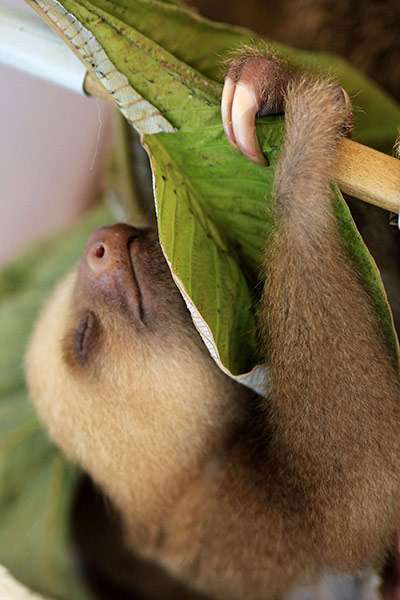
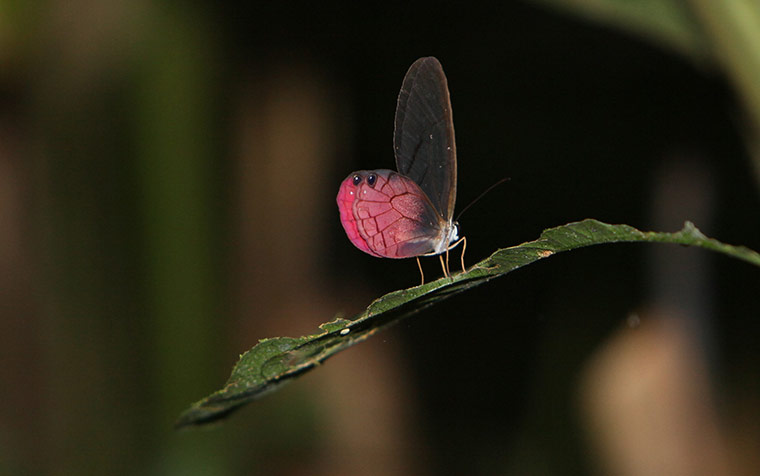
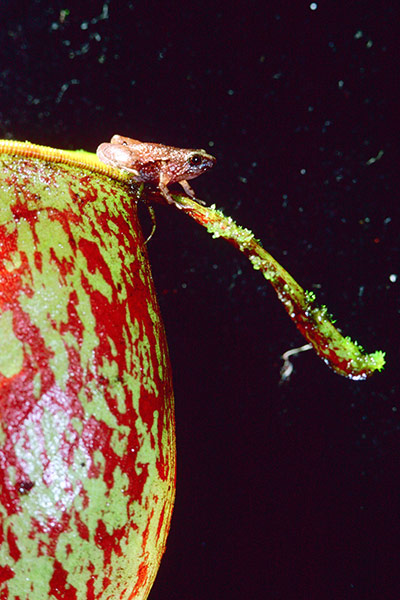
A rescued baby sloth at a sanctuary in Cahuita de Limon, Costa Rica. The centre shelters more than 100 orphaned and injured sloths, which receive rehabilitation before being returned to the forestPhotograph: Juan Carlos Ulate/ReutersA butterfly in Yasuni national park in the western Amazon region of Ecuador. Conservation groups have been staggered by the biological riches in the park, which is situated at the intersection of the Amazon, the Andes and the equator. It was recently found to have 650 species of tree and shrub within a single hectare – the highest number in the world and more than in the whole of north America. It also has more than 20 threatened mammal species, including, jaguars, otters and monkeys, and several hundred bird species. This month, the government signed a $3.6bn deal not to exploit an oil-rich tract of land in the reservePhotograph: Dolores Ochoa/APOne of the world's tiniest frogs – barely larger than a pea – has been found living in and around carnivorous plants in Borneo. The frogs were named Microhyla nepenthicola after the pitcher plant species in which they livePhotograph: HO/Reuters
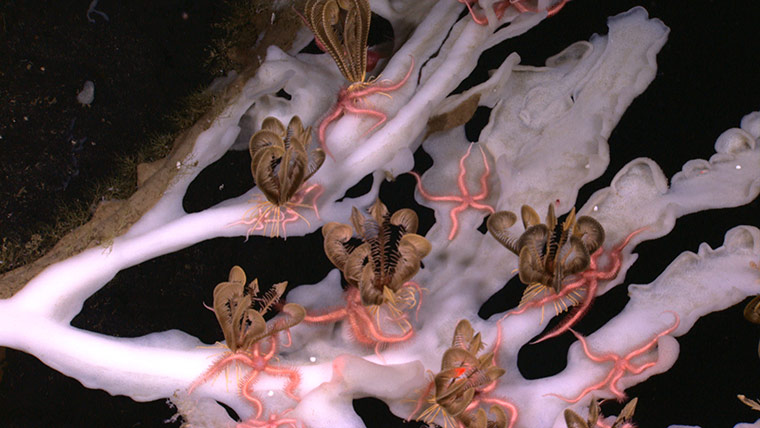
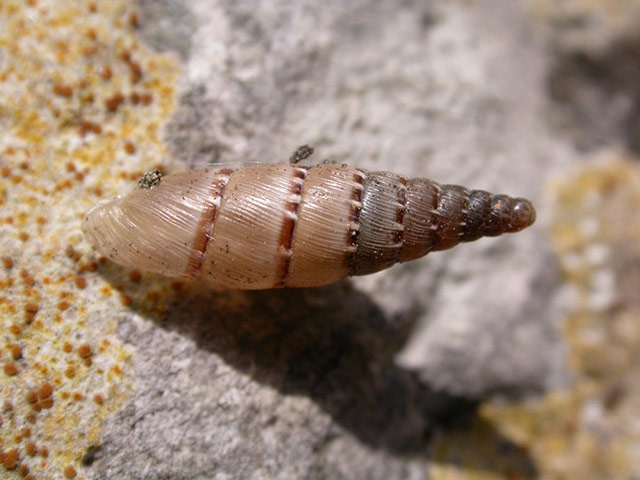
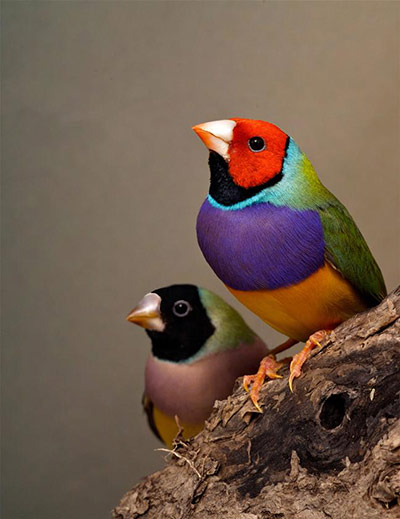
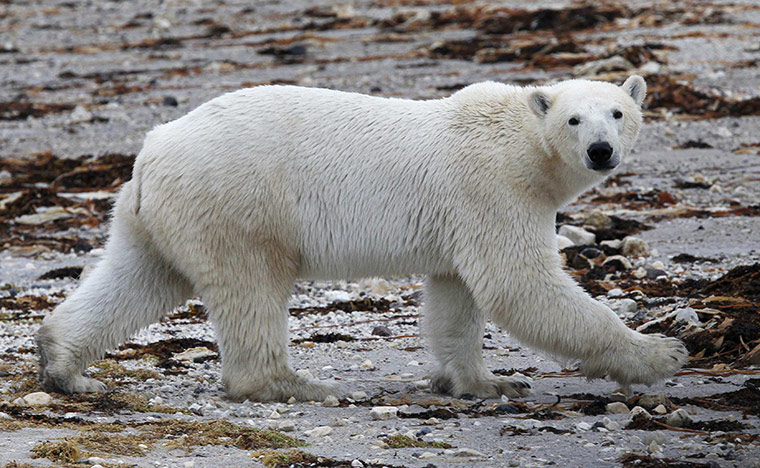
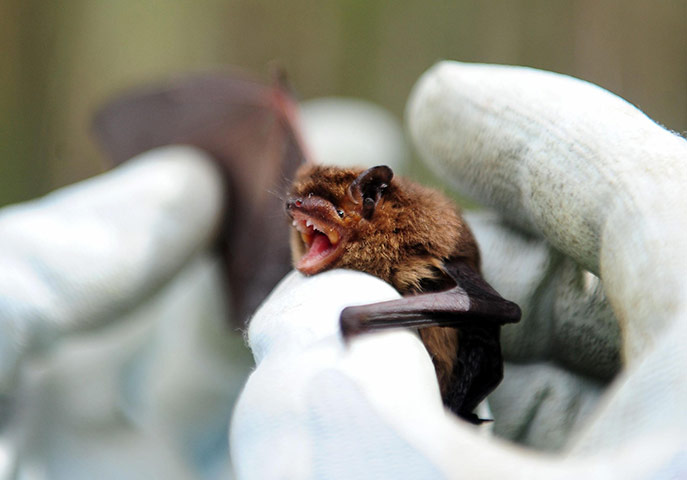
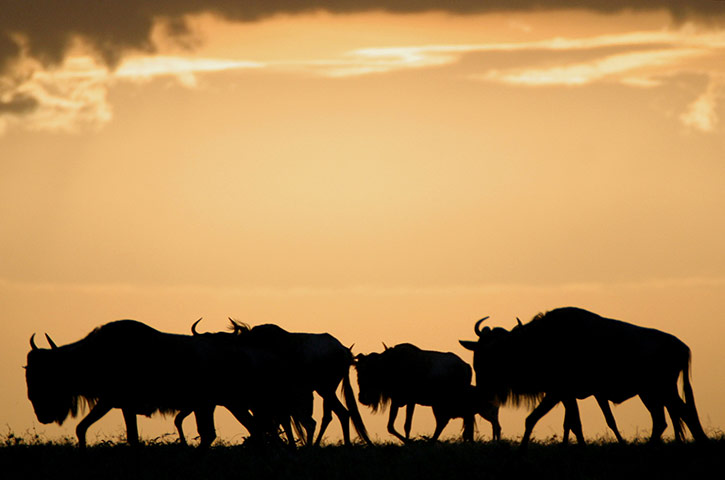
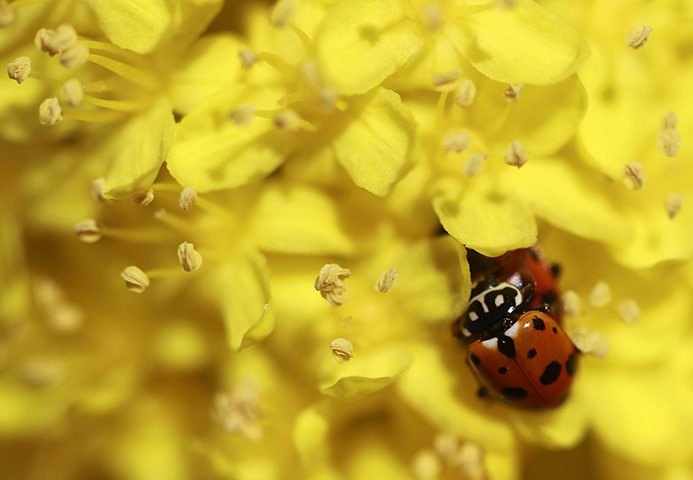
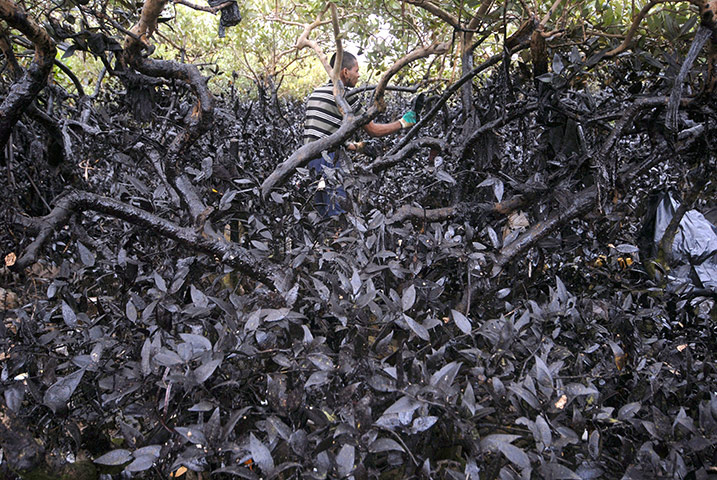
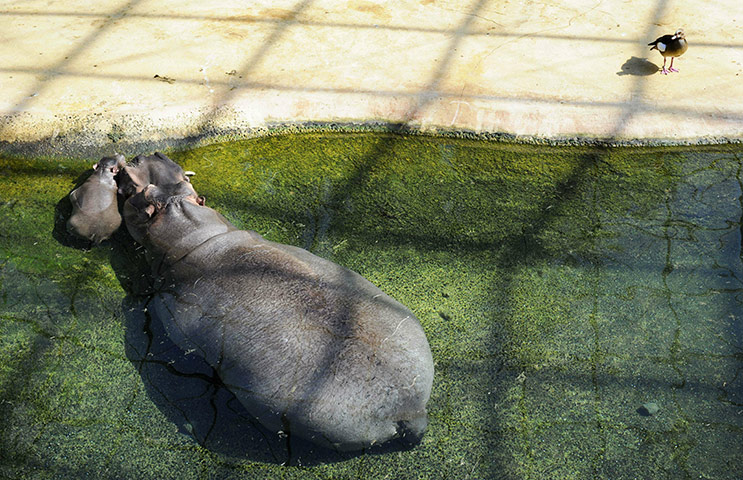
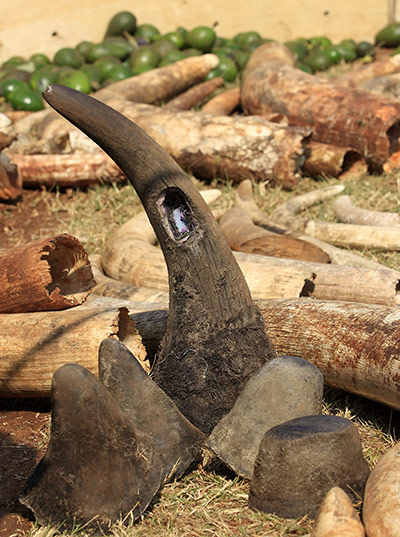
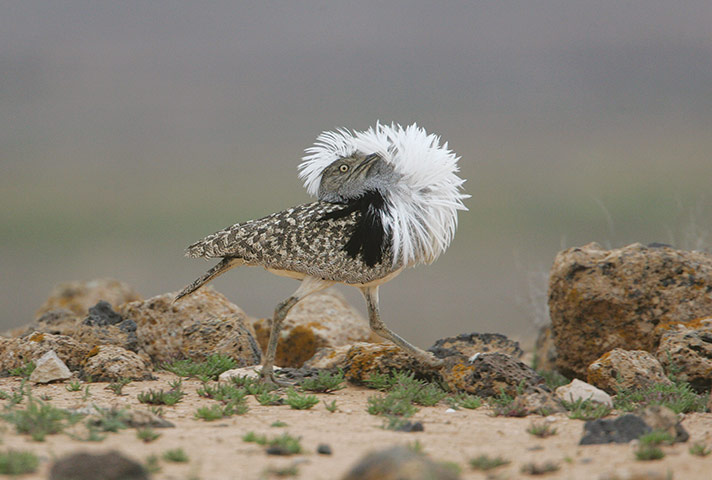
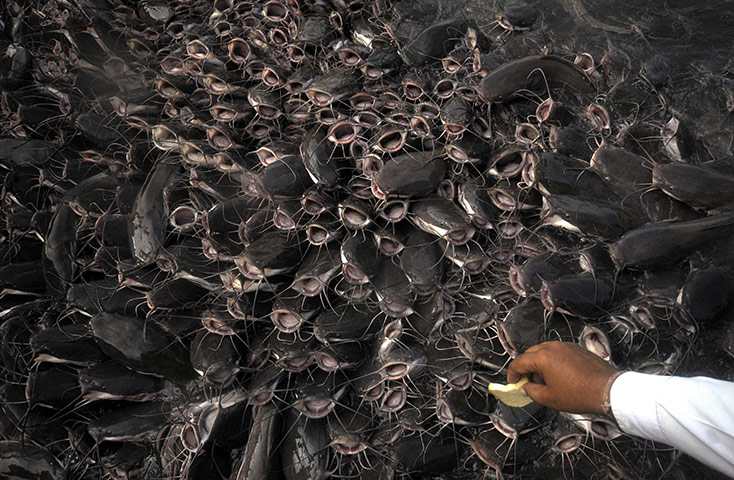
One of the images collected by the National Oceanic and Atmospheric Administration (NOAA) ship the Okeanos Explorer during an expedition of marine life in the waters surrounding the Sangihe Talaud islands in Indonesia. Scientists using cutting-edge technology were wowed by colourful images of marine life on the ocean floor – including plate-sized sea spiders and flower-like sponges that appear to be carnivorous. They said as many as 40 new plant and animal species may have been discovered during the three-week expedition in July-August Photograph: NOAA Ocean ExplorerA nationwide hunt was launched this week for a tiny Mediterranean snail which has turned up in the UK after stowing away on stonework imported more than a hundred years ago. The snail, Papillifera bidens, which has no English name, hitched a ride from Europe on statues, rocks and brickwork in the 19th century – but remained hidden from naturalists until recently Photograph: PAA baby pink dolphin rescued by biologists from the Rio Paila north of Santa Cruz, Bolivia. Biologists and environmental activists rescued two of the nine freshwater dolphins that have been trapped in the river by low water levels for more than a month. Efforts are continuing to rescue the remaining dolphins Photograph: Dado Galdieri/APPromiscuous female finches can select sperm from the males that are a more ideal genetic match, giving the resulting offspring a better chance at survival, scientists found this weekPhotograph: Sarah R PrykeScientists this week warned that polar bears stranded on land in the summer months are devastating breeding barnacle goose populations as they roam the coastline looking for food. Conservation efforts over the last 60 years have brought the goose, which migrates between Scotland and Svalbard, back from a dire 300 to more than 30,000. However, as the polar ice diminishes there has been a direct increase in the number of bears in the area that are unable to reach the seal colonies on which they usually feedPhotograph: Chris Wattie/ReutersA common or Soprano bat is held by a Forestry Commission worker in Kielder Forest, Northumberland, during the annual bat inventoryPhotograph: Owen Humphreys/PAMigrating wildebeest in the Serengeti national park, Tanzania. The government of Tanzania is proposing to build a highway through the park, a move conservationists say could be devastating. The migration of wildebeest and zebra from Tanzania's Serengeti national park into Kenya's Masai Mara reserve is one of the greatest natural spectacles on Earth. More than 2 million herbivores – about 200,000 zebra, 500,000 Thomson's gazelle and 1,500,000 wildebeest – thunder up to 700 miles northwards across east Africa's plains at the beginning of the dry season in June. Tanzania's government says the road is needed to connect the country's west with commercial activity on the eastern coast. But the northern road could provide easier access for poachers, and conservationists predict a 'catastrophic decrease' in wildebeest and zebra, due to a stunted migration and animals being hit by vehicles Photograph: Sarah Durant/APLadybirds crawl on a yellow bulbinella flower in the Namaqualand plains of Nieuwoudtville, South Africa. Every August, an arid, desert-like area of about 200,000 sq km is transformed into a spectacular carpet of wild spring flowersPhotograph: Nic Bothma/EPAA volunteer cleans up after an oil spill caused by the collision of two cargo ships off the coast of Mumbai, India. Mangrove forests are among the most productive and biologically important ecosystems of the world, including trees, palms and shrubs which grow at tropical and subtropical tidal zones across the equator. New satellite imagery has given scientists the most comprehensive and exact data on the distribution and decline of mangrove forests from across the world. 'This reveals that 75% of the remaining forest is found in just 15 countries, out of which only 6.9% is protected under the existing protected areas network,' said Dr Chandra GiriPhotograph: STR/EPAA female hippopotamus calf born in Berlin zoo this week, with her mother KathiPhotograph: Odd Andersen/AFP/Getty ImagesA silvery gibbon jumps through its enclosure at the zoo in Munich, Germany. Silvery gibbons are an endangered species and occur in tropical and subtropical rainforests from north-east India to Indonesia and north to southern China, including the islands of Sumatra, Borneo and JavaPhotograph: Peter Kneffel/AFP/Getty ImagesA rhino horn previously fitted with a radio transmitter is seen among elephant tusks intercepted at the Jomo Kenyatta international airport in the Kenyan capital, Nairobi. The smuggled consignment of 317 pieces of raw ivory and five rhino horns were intercepted by Kenyan authorities en route to Malaysia via DubaiPhotograph: Thomas Mukoya/ReutersLove is blind: having feathers in front of your face is awkward for a display posture, meaning that an excited houbara bustard can often run into obstacles. Like a miniature ostrich, it picks seeds, grasshoppers and locusts from the arid earth of north Africa and the Canary Islands. See more images from our book review gallery, An Atlas of Rare BirdsPhotograph: Bill Baston/Atlas of Rare Birds/New Holland PublishersA man feeds a piece of bread to catfish in the Gadisar Lake at Jaisalmer Rajasthan, India. The man-made lake was built as a reservoir in the 14th century and is now home to catfish who are fed by tourists and devotees praying at nearby templesPhotograph: Krishnendu Halder/Reuters
Sign up to read this article
Read news from 100’s of titles, curated specifically for you.