Get all your news in one place.
100’s of premium titles.
One app.
Start reading
The Guardian - UK
The Guardian - UK
Environment

The week in wildlife

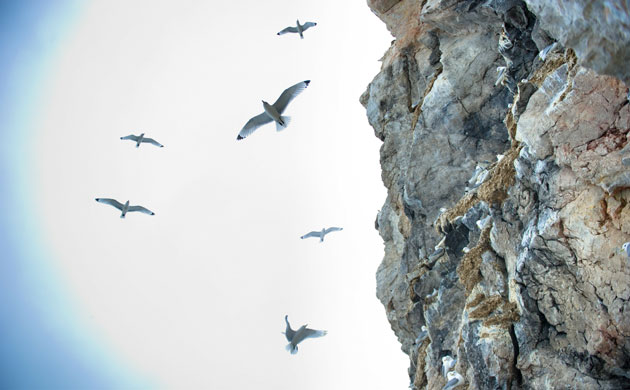
Week in Wildlife: Black Legged Kittiwakes nest in the Norvegian fjord Kongsfjord
Black-legged kittiwakes nest on the cliffs of Kongsfjord, near the scientific base at Ny-Ålesund on the west coast of Spitsbergen, Norway
Photograph: Martin Bureau/AFP/Getty Images
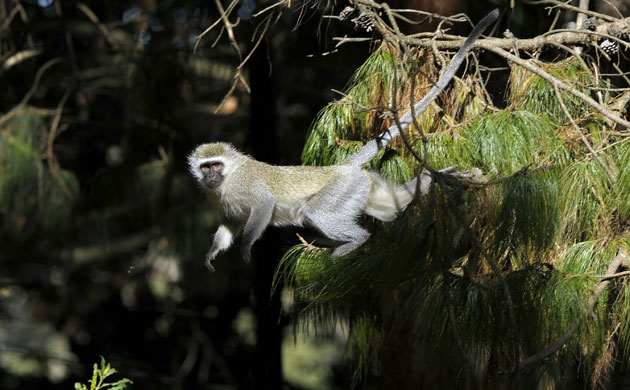
Week in Wildlife:  A female vervet monkey
A female vervet monkey jumps from a pine tree in the town of Balgowan in Kwazulu-Natal province, near Paraguay's World Cup base camp
Photograph: Juan Mabromata/AFP/Getty Images
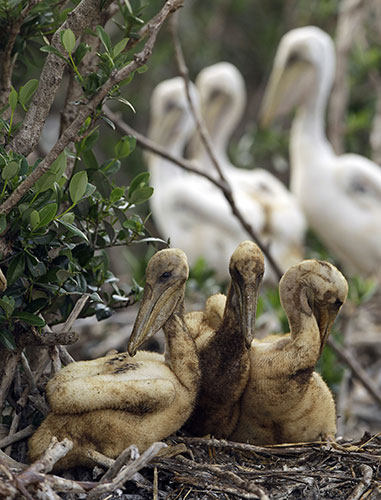
Week in Wildlife: Oil-covered Brown Pelican chicks
Oil-covered brown pelican chicks stand in contrast to clean chicks on Cat island, Louisiana. The Deepwater oil spill took place right in the middle of breeding season, and hatchlings are now sitting in marshland nests waiting to be fed, wildlife experts say
Photograph: Charlie Riedel/AP
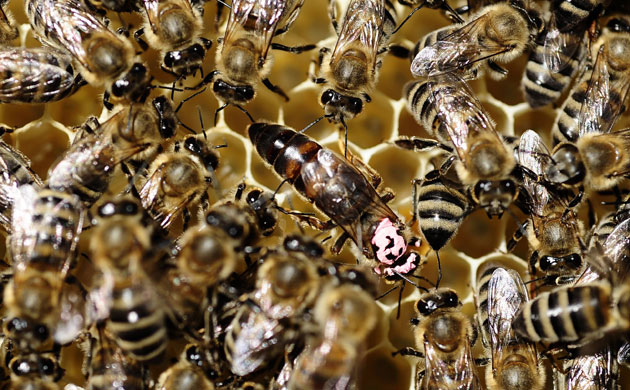
Week in Wildlife: A queen bee is seen among other bees in a honeycomb
A queen bee (centre) surrounded by her worker bees at a farm in Macedonia
Photograph: Ognen Teofilovski/Reuters
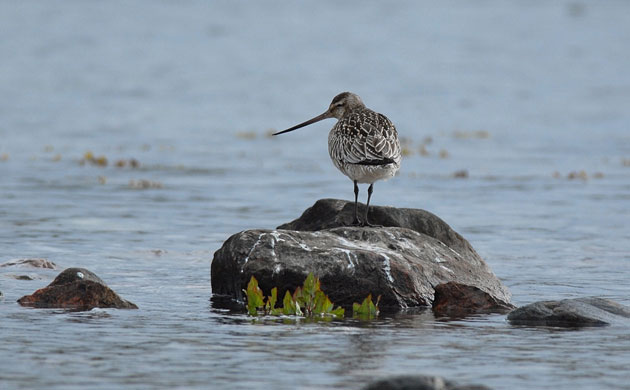
Week in Wildlife: Bar-tailed godwit
A bar-tailed godwit. Satellite telemetry has recently demonstrated that these birds make one non-stop flight of 11,000km between Alaska and New Zealand during autumn migration
Photograph: Lars Hedenstršm
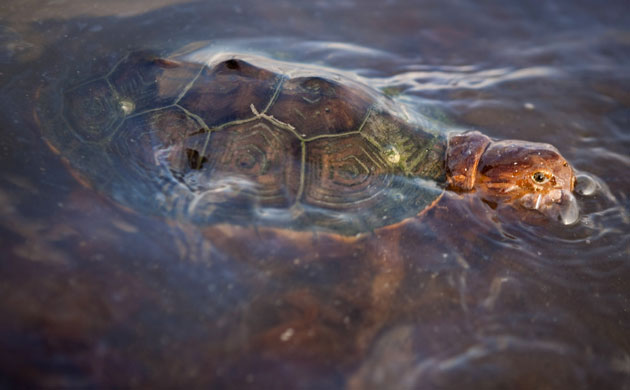
Week in Wildlife: A sea turtle covered in oil from the Deepwater Horizon oil spill
A sea turtle covered in oil from the Deepwater Horizon oil spill swims off Grand Terre island, Louisiana. Oceana, the ocean conservation organisation, released a new report this week warning that the spill is proving extremely dangerous for sea turtles. Turtles can become coated in oil or inhale volatile chemicals when they surface to breathe, swallow oil or contaminated prey, and swim through oil or come in contact with it on nesting beaches
Photograph: Lee Celano/Reuters
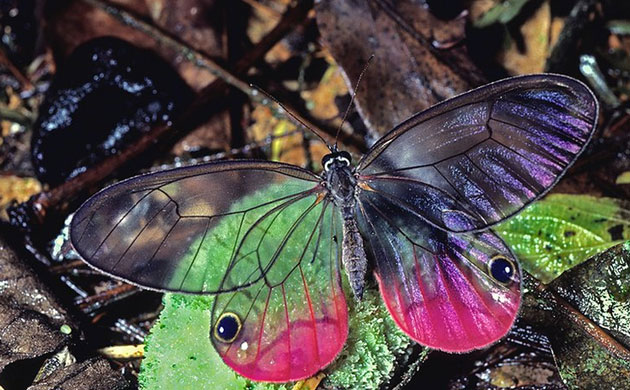
Week in Wildlife: Cithaerias menander butterfly
The clearwing butterfly (Cithaerias menander) is found in central and South America lowland rainforests. Scientists have studied the species using traps to find out more about how long it lives, the size of its range and the genetic structure of the population
Photograph: Phi DeVries
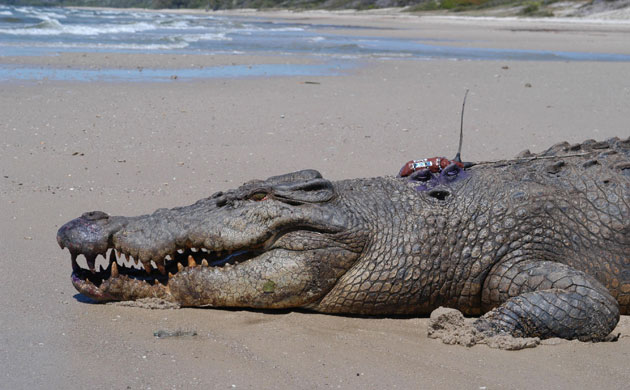
Week in Wildlife: Crocodiles surf waves to travel
The satellite transmitter fitted to this 4.8m (16ft) estuarine crocodile revealed it had travelled over 590km (367 miles) by sea. Crocodiles 'surf' ocean currents to cross huge distances of open sea, scientists learned this week. The discovery explains how the world's largest living reptile came to occupy so many South Pacific islands despite having little stamina for swimming
Photograph: Australia Zoo/PA
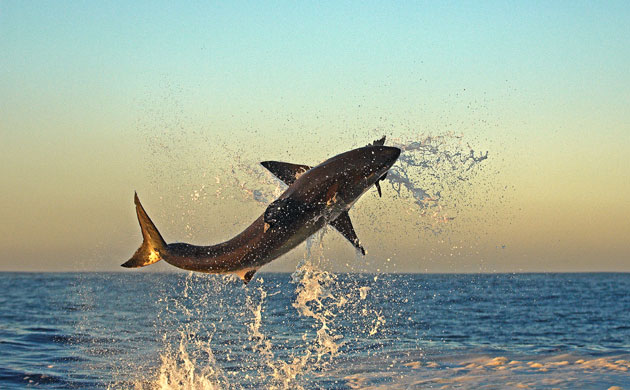
Week in Wildlife: Great white sharks, False Bay, South Africa - 2010
A great white shark breaches out of the water in an attempt to catch a seal in False Bay, 30km south of Cape Town, South Africa
Photograph: Alfred Weissenegger/Rex Features
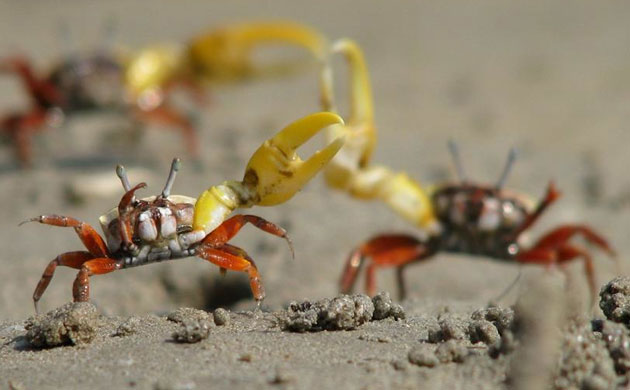
Week in Wildlife: Male fiddler crab
Male fiddler crabs that see a receptive female wave their single, greatly enlarged claw in a highly conspicuous courtship display. But scientists found this week that other males 'eavesdrop' on their competitors' courtship displays to detect potential female mates for themselves
Photograph: Tanya Detto
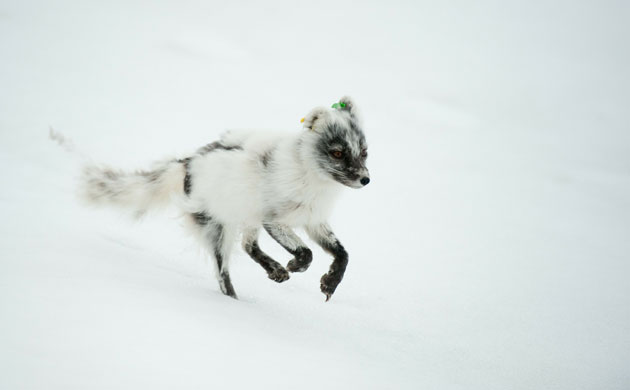
Week in Wildlife: A Artic fox in the Svalbard archipelago
An Arctic fox in the Svalbard archipelago
Photograph: Martin Bureau/AFP/Getty Images
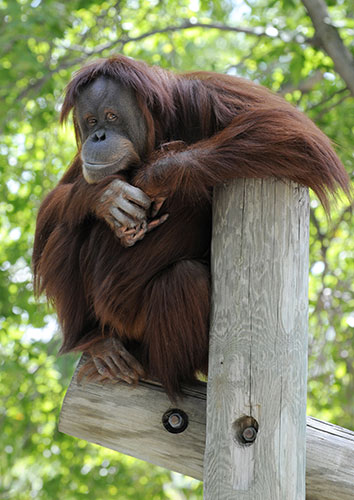
Week in Wildlife: An adult Sumatran orangutan
An adult Sumatran orang-utan watches the crowd from its perch at the Como zoo, in St Paul, Minnesota. Researchers from Melbourne zoo found this week that orang-utans like to people-watch in return
Photograph: Jim Mone/AP
Week in Wildlife: Squirrels Show Softer Side by Adopting Orphans
A female North American red squirrel moves an orphan newborn to a new nest. A study by the University of Guelph in Canada last week found that red squirrels will adopt pups that have lost their mother - surprising behaviour for a species that is known to be asocial
Photograph: Ryan W. Taylor/redsquirrel.ca
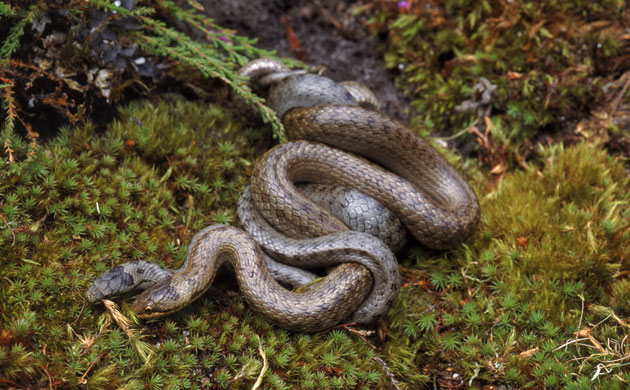
Week in Wildlife: Smooth snakes
Smooth snakes (Coronella austriaca) mating in Dorset, Britain. Scientists in five countries across three continents reported this week that they had found 'alarming' declines in snake numbers after monitoring 17 populations in a variety of habitats – something they believe could be part of a global phenomenon
Photograph: Tony Phelps/Nature Picture Library / Rex Features/Rex Features
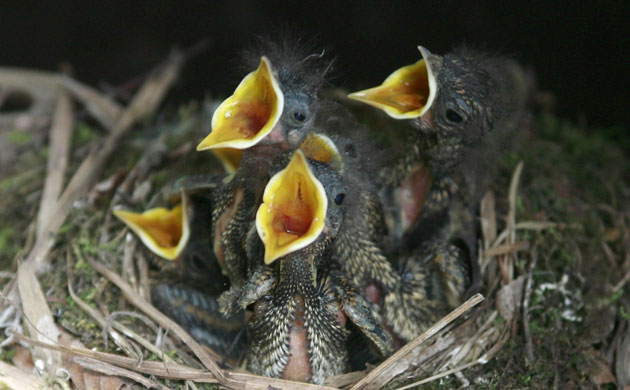
Week in Wildlife: Baby sparrows cry out from a nest in Russia's city of Vladikavkaz
Baby sparrows cry out from a nest in Vladikavkaz, Russia
Photograph: Kazbek Basayev/Reuters
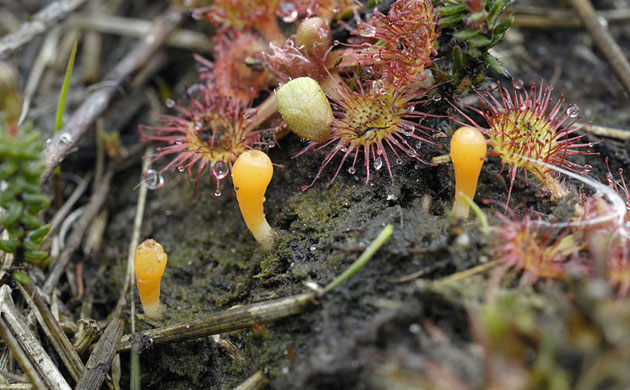
Week in Wildlife: rare fungus - Multiclavula vernalis
A rare fungus - Multiclavula vernalis - has been sighted in England for the first time. The fungus, which forms a tiny, orange fruiting body, was found in British Army training land in Hampshire. Experts from the Royal Botanic Gardens at Kew confirmed the fungus's identity
Photograph: Leif Goodwin/The Wildlife Trusts
Sign up to read this article
Read news from 100’s of titles, curated specifically for you.
Already a member? Sign in here
Related Stories
Top stories on inkl right now
One subscription that gives you access to news from hundreds of sites
Already a member? Sign in here
Our Picks
Fourteen days free
Download the app
One app. One membership.
100+ trusted global sources.