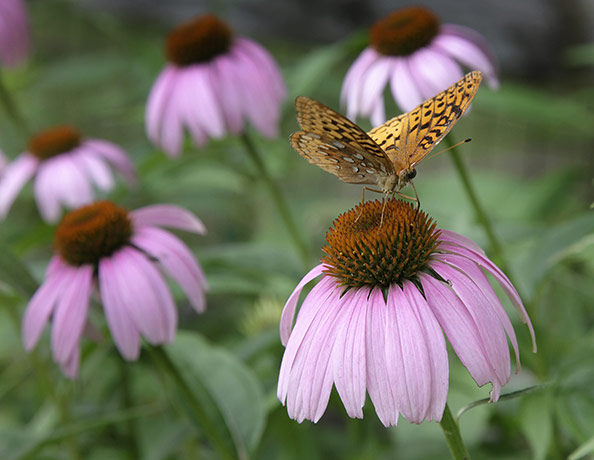
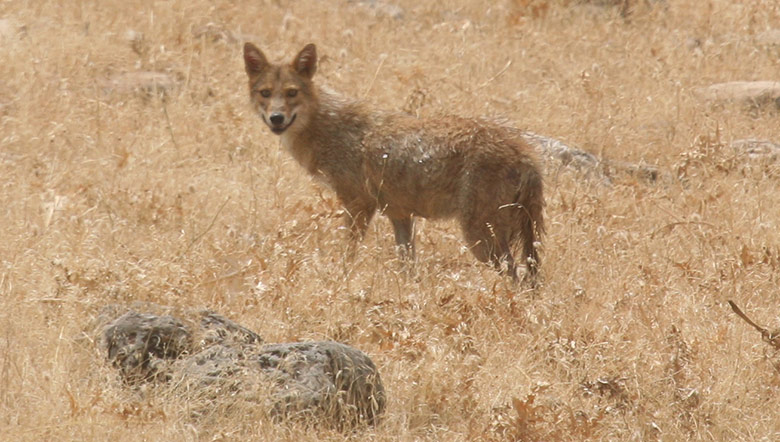
A baby Kemp's Ridley sea turtle awaits veterinary care at the Audubon Centre for the research of endangered species in New Orleans. The turtle was rescued from oil leaking from the Deepwater Horizon well in the Gulf of MexicoPhotograph: Gerald Herbert/APA butterfly feeds on an echinacea plant in OhioPhotograph: Amy Sancetta/APA golden jackal seen in the Mesopotamian marshes. Nearly two decades after the drainage of the Mesopotamian marshes of Iraq by the dictator Saddam Hussein, the area is buzzing and twittering with life again after local people and a new breed of Iraqi conservationists restored to some of its former glory much of what was once the world's third largest wetlandPhotograph: Korsh Ararat, Omar Fadil and Mudhafar Salim/Nature Iraq
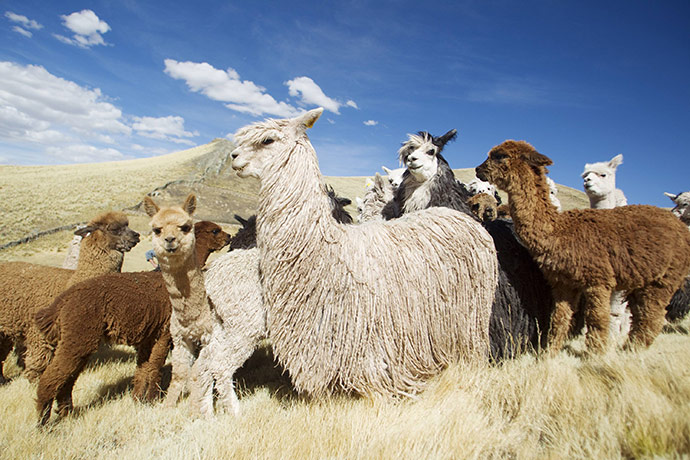
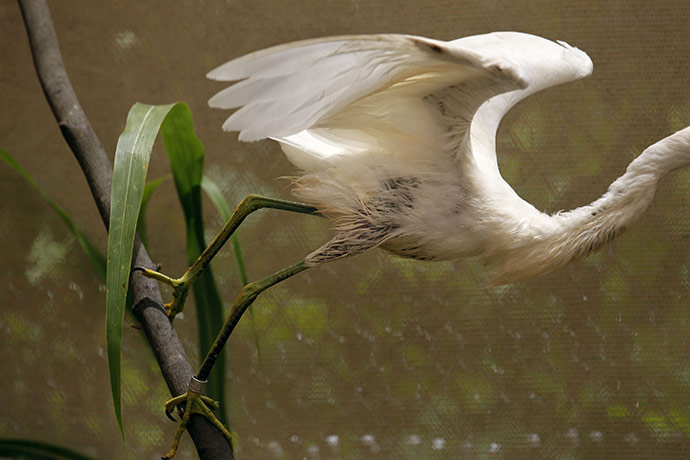
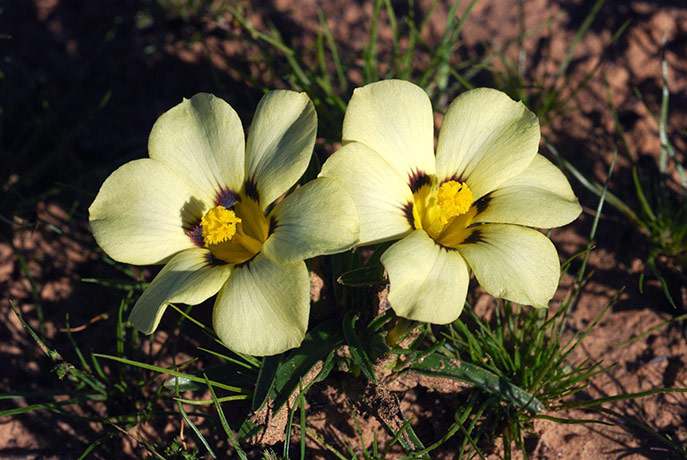
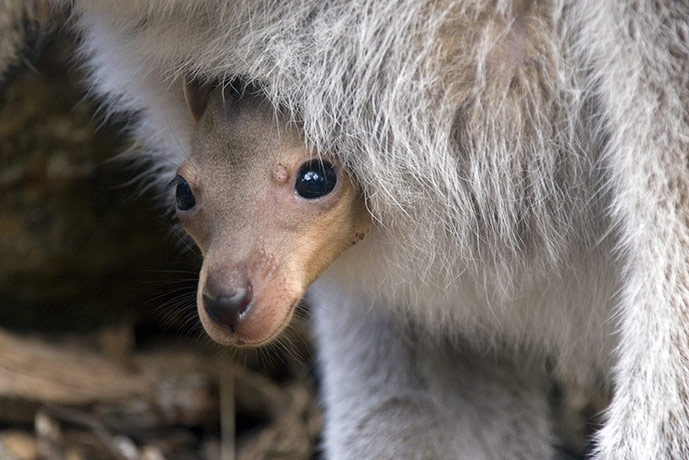
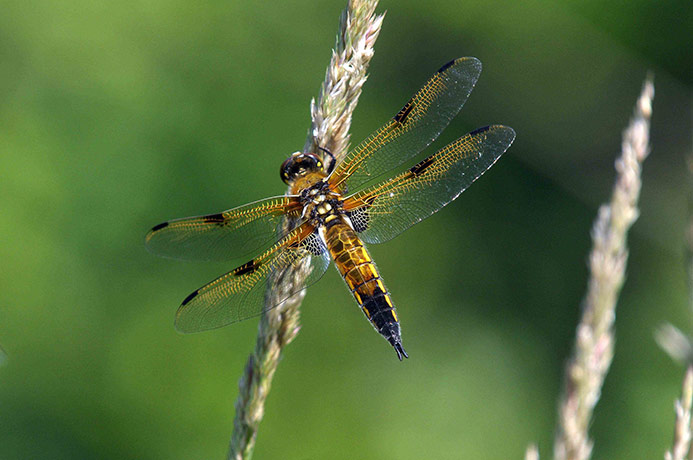
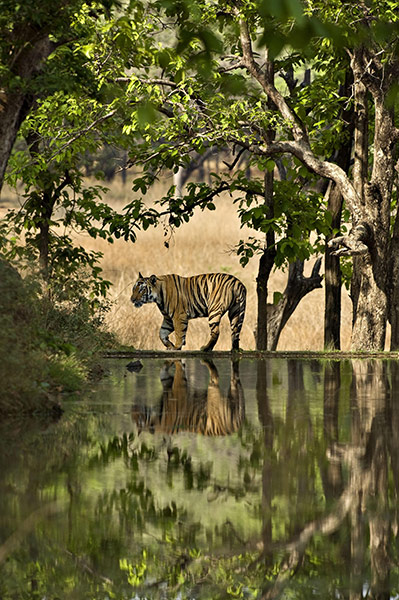
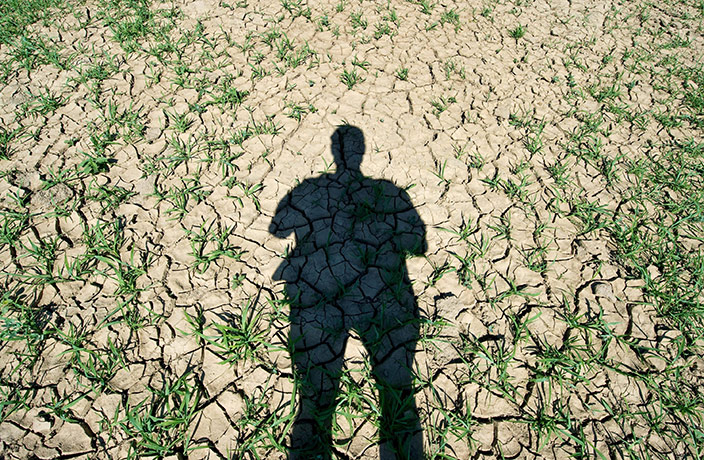
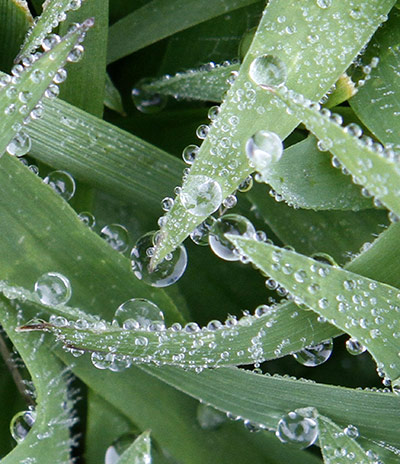
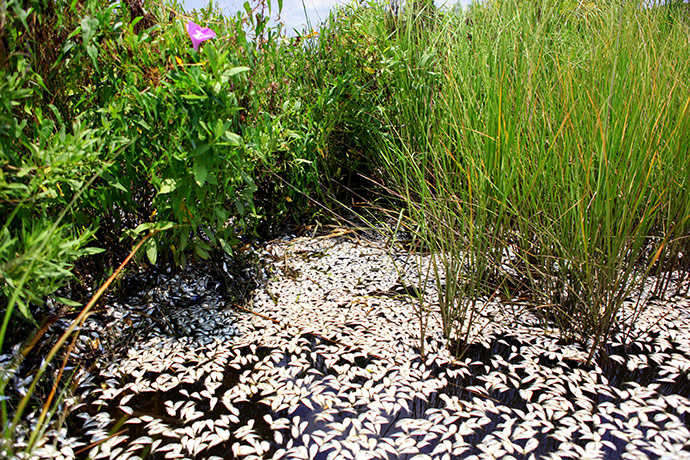
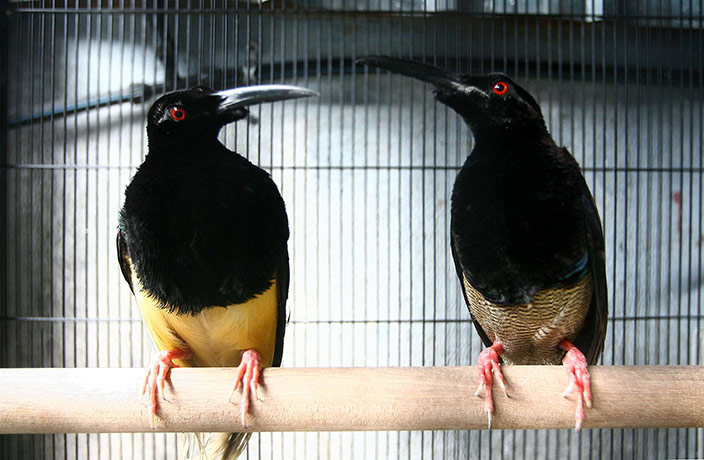
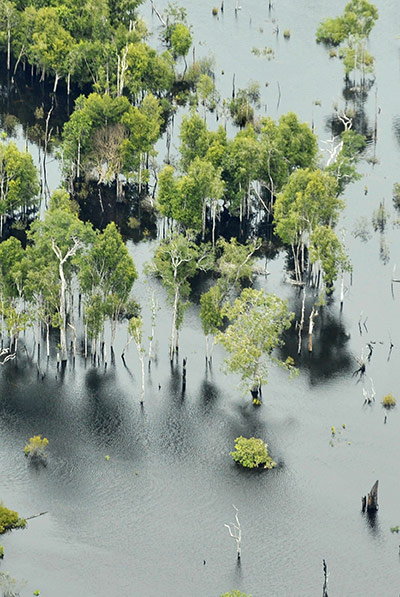
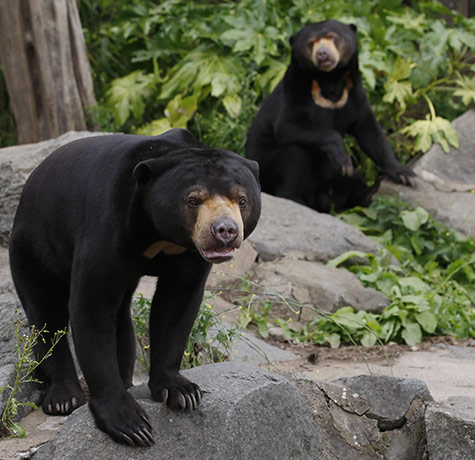
A herd of alpacas graze near the Andean district of Nunoa at the highlands of Puno, 4,000m (13,123ft) above sea levelPhotograph: Enrique Castro-mendivil/ReutersA young heron rescued from the Deepwater Horizon oil spill takes flight at the Fort Jackson wildlife rehabilitation centre in Buras, LouisianaPhotograph: Gerald Herbert/APA lioness leaps into the water. African national parks like Masai Mara and the Serengeti have seen populations of large mammals decline by an average of 59%, according to a studyPhotograph: NPL/Rex FeaturesA new South African species of iris, which was recently discovered in Worcester, has been named Morea vuvuzela. The flower, that only grows a few centimetres tall, was named as a tribute to the vuvuzela horns that characterised the first football world cup held on the African continentPhotograph: John Manning/EPAA five-month-old red necked wallaby joey pokes her head out of her mother's pouch at Taronga zoo, Sydney, AustraliaPhotograph: Lorinda Taylor / Taronga Zoo Handout/EPAA dragonfly in Rakov Skocjan national park, SloveniaPhotograph: Srdjan Zivulovic/ReutersCountries with remaining wild tiger populations met in Bali this week and agreed on a rescue declaration to save the big cats from extinctionPhotograph: Tony Heald/PAA shadow cast on a dried-up field in Petersdorf, Germany. Some regions of Brandenburg have not experienced any rain in a couple of weeks. Last month was the hottest June recorded worldwide, figures showPhotograph: Patrick Pleul/EPADew forms on blades of grass in CincinnatiPhotograph: Al Behrman/APDead fish float on the surface of waterways north of Point a la Hache marina in Plaquemines Parish, Louisiana. It is unclear what killed the fish and Louisiana Wildlife and Fisheries are investigatingPhotograph: P.J. Hahn/APA pair of rare birds of paradise worth £195,000 (US$300,000) inside a cage in Kuala Lumpur, Malaysia. A police raid on the warehouse found 42 stolen vehicles and hundreds of birds and other protected wildlifePhotograph: APA wetland forest at the Danau Sentarum national park in West Kalimantan island, Indonesia. Efforts to tackle illegal destruction of the world's rainforests have been a success, according to a new report that details a significant fall in unauthorised loggingPhotograph: Romeo Gacad/AFP/Getty ImagesThis week the International Union for the Conservation of Nature (IUCN) highlighted the sun bear (Helarctos malayanus) as its red list species of the day. Sun bears are so named because of the bib-shaped patch on their chests, which legend says represents the rising sun. The reclusive species, the smallest member of the bear family, lives in the dense lowland forests of south-east AsiaPhotograph: Danny Lawson/PA
Sign up to read this article
Read news from 100’s of titles, curated specifically for you.











.jpg?w=600)