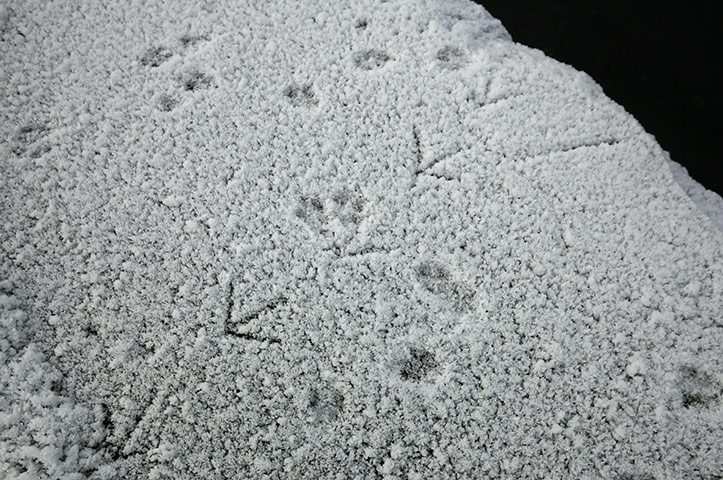
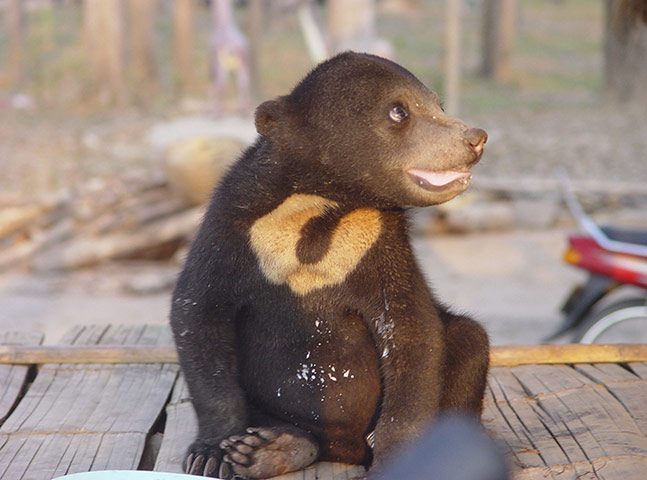
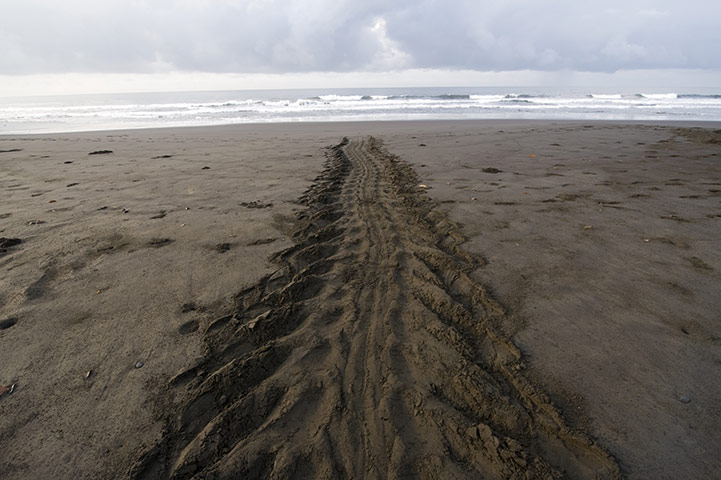
Footprints left in the frost beside the Aire and Calder navigation canal on 26 December 2010 in Goole, England. In much of the country temperatures fell to -18C, making it the coldest Christmas on record in the UK • Send us your pictures of frostPhotograph: Dan Kitwood/Getty ImagesA sunbear cub is sold for the pet trade on the northern Thai-Laos border. Poor data, minimal funding and lax enforcement are undermining the fight to protect endangered species, raising the risks from the spread of pests and diseases, scientists say Photograph: HO/ReutersLeatherback sea turtle tracks on a nesting beach. Researchers have used transmitters to track 'nature's ancient mariners' as they spend several months travelling from Africa to South AmericaPhotograph: Joel Sartore/NGC/Getty Images
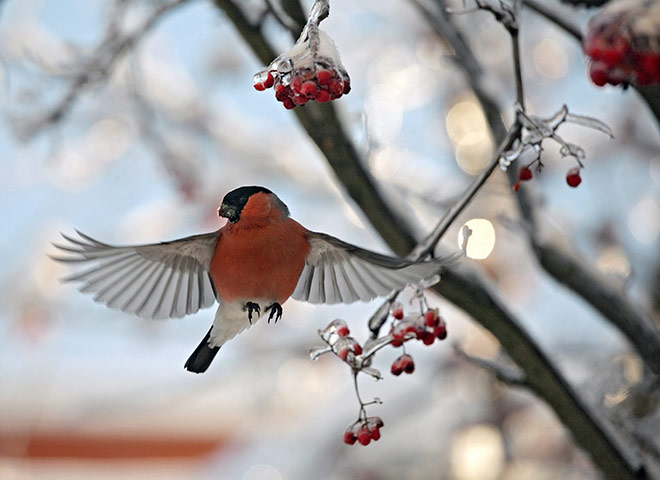
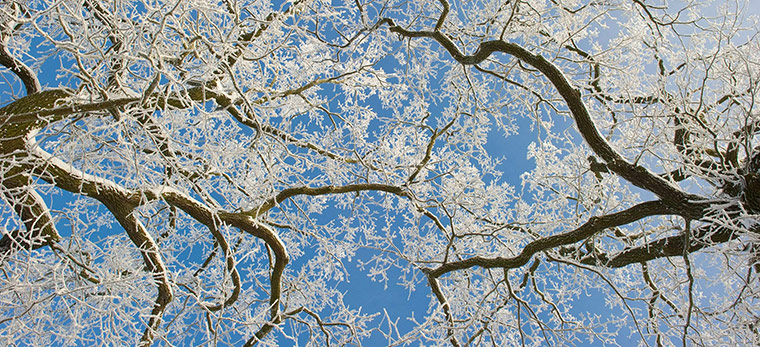
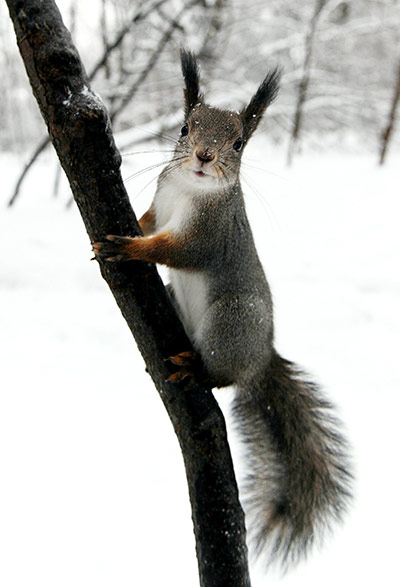
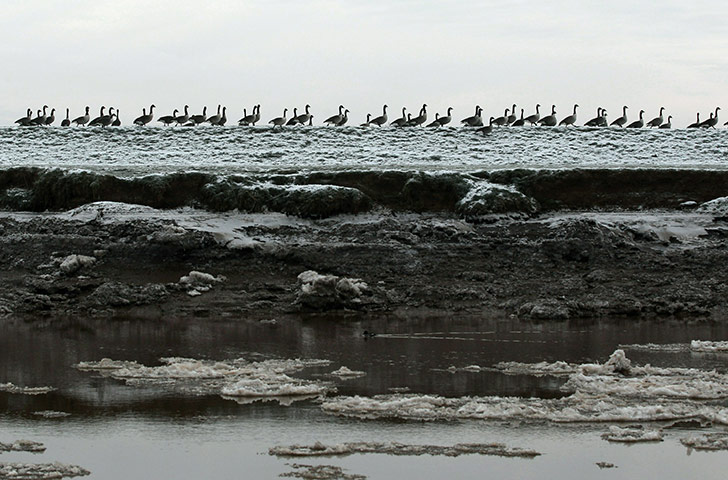
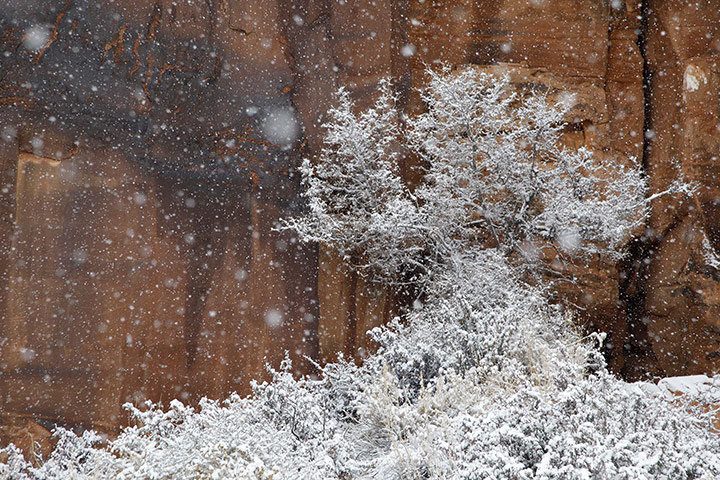
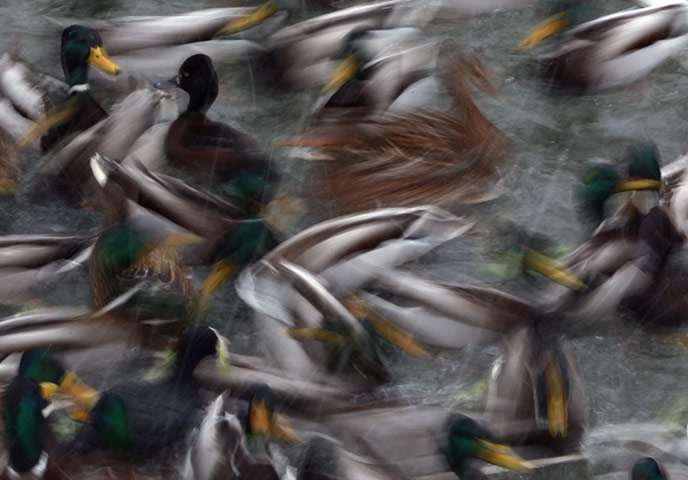
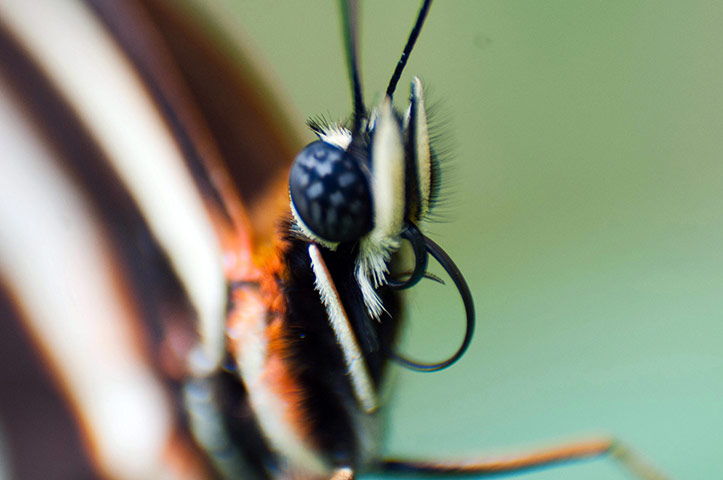
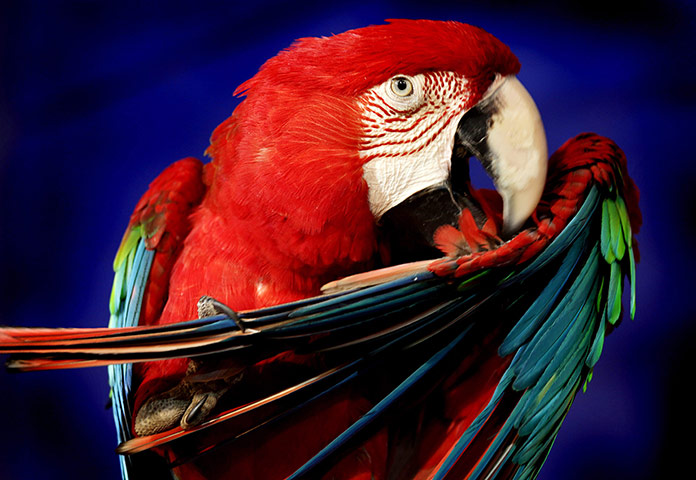
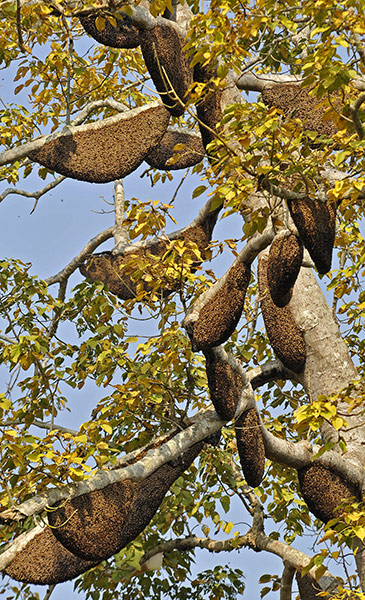
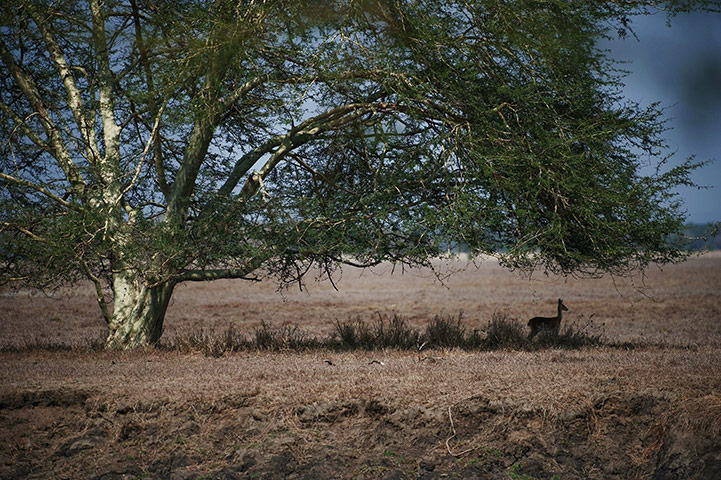
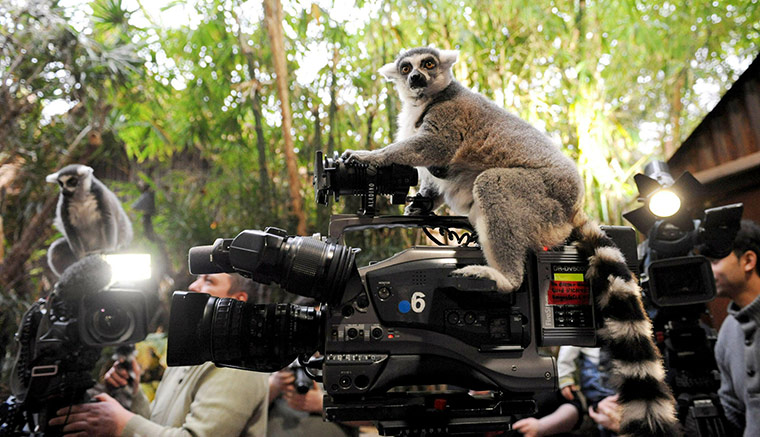
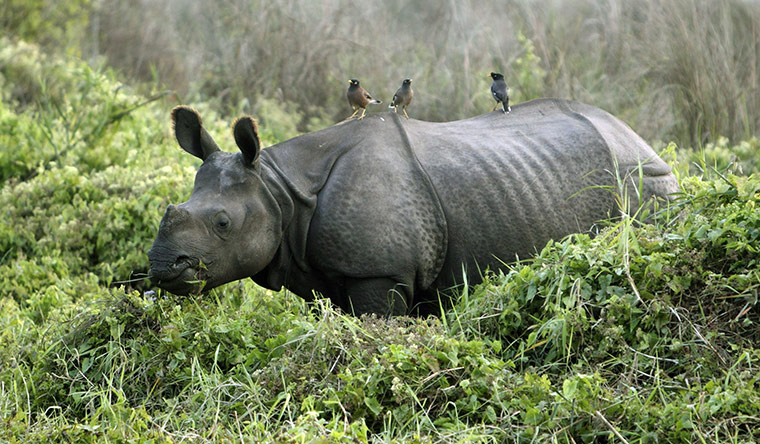
A bullfinch, on its search to find food, flies between ice-crusted branches of a rowan tree in a Moscow suburb, Russia, on 5 January 2011. The freezing rain and heavy snowfalls, which caused many troubles for Moscow region power supply, also creates severe problems for many birds, who's food is hidden under the thick ice coverPhotograph: Vassili Korneyev/EPATrees covered in snow and hoar frost in eastern Germany. Temperatures in most parts of the country stayed below the freezing point last weekPhotograph: Patrick Pleul/AFP/Getty ImagesA squirrel on an ice-covered branch in a park in Moscow on 30 December 2010. Icy rain fell in Moscow, covering streets, trees and cars with ice while temperatures dropped to -7CPhotograph: Natalia Kolesnikova/AFP/Getty ImagesCanada geese on the bank of the River Don on in Goole, EnglandPhotograph: Dan Kitwood/Getty ImagesA snow-covered tree along state highway 279 stands in stark contrast to the red sandstone wall it grows up against, during a snow storm on 30 December 2010, near Utah Photograph: Julie Jacobson/APGolden-haired monkeys keep warm in their snowy habitat on Shennongjia Mountain in the Hubei Province of China - by hugging. With their fur coated with icicles the monkeys huddle close together for shelter from the arctic weather. Snow can reach a depth of 30cm with temperatures plummeting to as low as -25C. Golden-haired monkeys can withstand colder temperatures than any other non-human primate. There are estimated to be just 800 to 1,300 left in the wildPhotograph: Quirky China News/Rex FeaturesDucks scramble for food during feeding time in the zoo in BerlinPhotograph: Thomas Peter/ReutersA butterfly at the butterfly farm Selva Viva in Bello, Colombia. Colombia has 5,000 diurnal and more than 20,000 nocturnal species of butterfliesPhotograph: Federico Rios/EPAA red-fronted macawduring the 11th annual exotic bird show in Calcutta, East India, on 26 December 2010. More than five hundred exotic birds of 26 species from many different countries were gathered by the All Bengal Bird Lovers Organisation for two daysPhotograph: Piyal Adhikary/EPAOrphaned bats being kept warm in dusters. Trish Wimberley and her colleagues at the Australian Bat Clinic and Wildlife Trauma Centre have helped save 130 orphaned bats on the Gold Coast after the recent floods in Australia. They saved 350 young bats during the 2008 storm season but this year think there's more going on than just wild weather. Carers have visited several bat 'camps' on the coast in recent weeks to find four-week-old babies on the ground covered in maggots and fly eggs. Trish said: "They're coming down to feed on the ground. That makes them vulnerable. It's not a natural occurrence and shows there is trouble in the environment. "Bats are a barometer to what is going on in the environment. They're our canaries down the coal mine." The surviving youngsters will be bottle fed and kept either hanging on clothes lines or in special intensive care units until they are ready to fly again in about four weeks Photograph: Luke Marsden/Newspix / Rex Features/Luke Marsden/Newspix / Rex FeaturesColonies of giant honeybee on a tree in Bahatpur village in north-east India. There are nearly 100 giant honeybee colonies on this single tree and they are under the protection of the local people of the area. The giant honeybees are among the most aggressive of all creatures. Since such large colonies of giant honeybee are very rarely seen in a single tree, no one disturbs and collects honey from these bee colonies. There is general concern that the total numbers of giant honeybee nests all over Asia are on the verge of declining because of shrinking forest areas, the use of toxic pesticides in foraging farm lands and bee huntingPhotograph: STR/EPAAn impala finds shade below a fever tree in the Gorongosa national park in MozambiquePhotograph: Gianluigi Guercia/AFP/Getty ImagesRing-tailed lemurs inspect the cameras of journalists at the Tropical Aquarium Hagenbeck zoo in Hamburg, northern Germany. The Alaotran gentle lemur lives only on the shores of Madagascar's largest lake, Alaotra. Now locals have banded together to preserve this slice of fragile biodiversityPhotograph: Angelika Warmuth/AFP/Getty ImagesBirds rest on the back of a baby one-horned rhinoceros in Sauraha forest, IndiaPhotograph: Gopal Chitrakar/Reuters
Sign up to read this article
Read news from 100’s of titles, curated specifically for you.