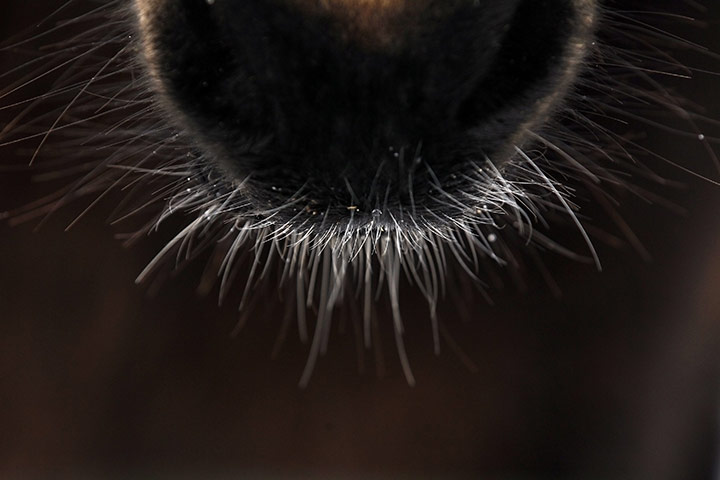
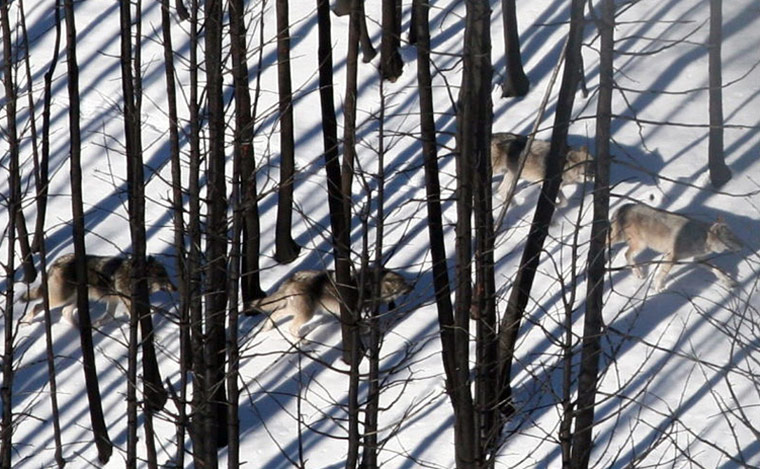
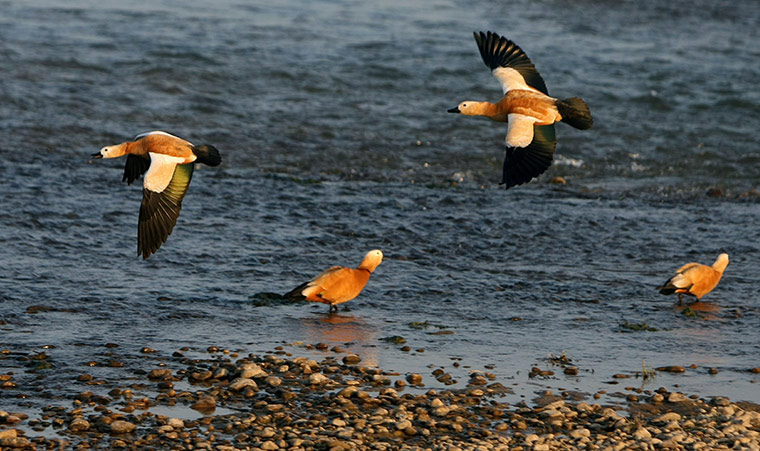
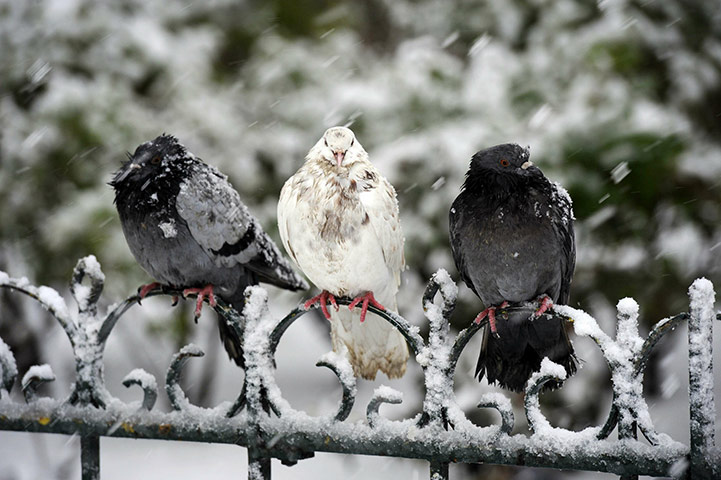
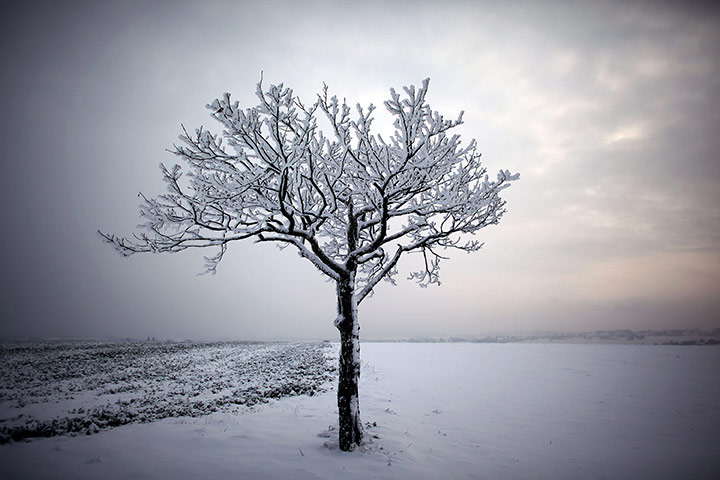
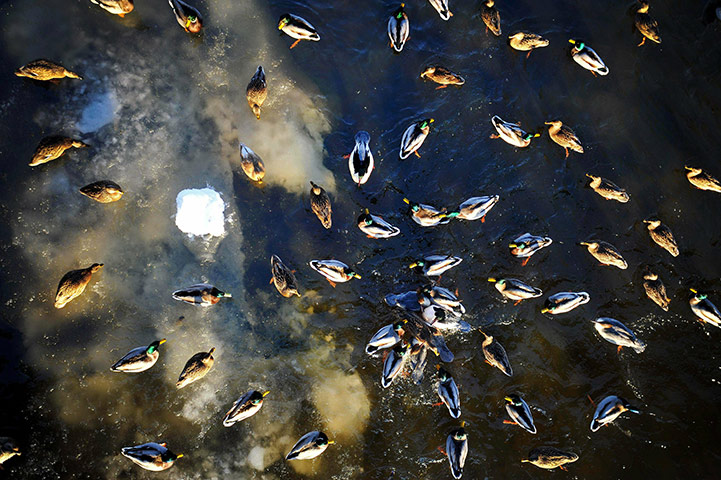
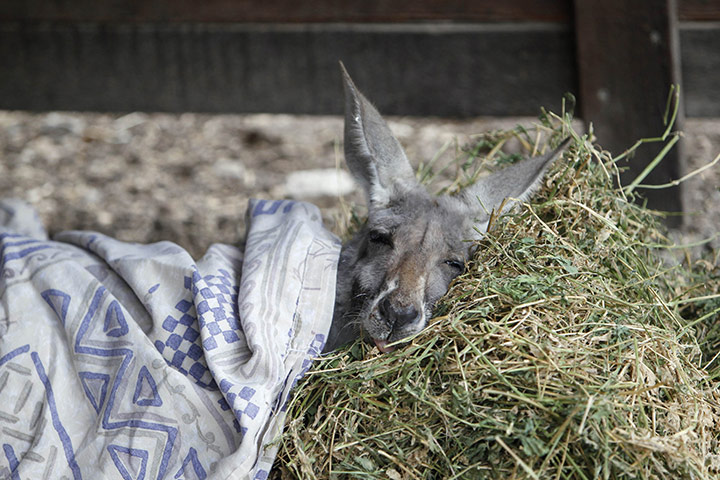
Moisture on the hairs around the mouth of a horse near BelfastPhotograph: Cathal Mcnaughton/ReutersA pack of wolves moves through the Derby Mountain fire area, where wildfires burned about 200,000 acres, south of Big Timber, Montana. America is learning to live with wolves again, wrote Suzanne Goldenberg in the Guardian this weekPhotograph: Montana Fish Wildlife and Parks/APRuddy shelduck (Tadorna ferruginea) fly over the Rapati river in Nepal's Chitwan national park, around 200km south-west of Kathmandu. The park is a haven for wildlife, including the endangered one-horned rhino and royal Bengal tigerPhotograph: Prakash Mathema/AFP/Getty Images
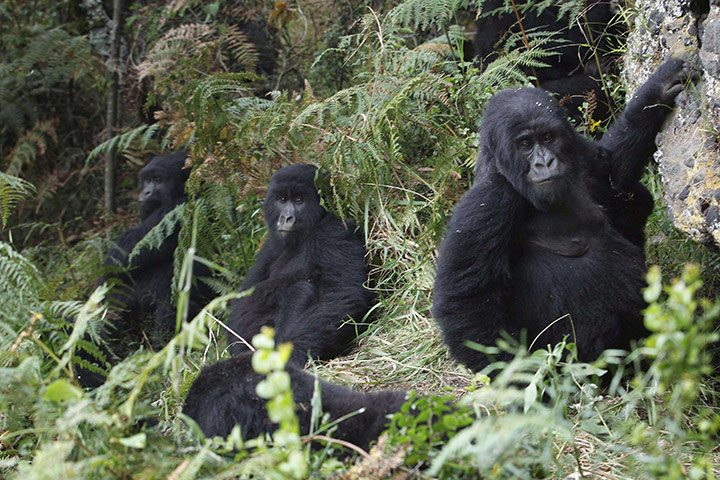
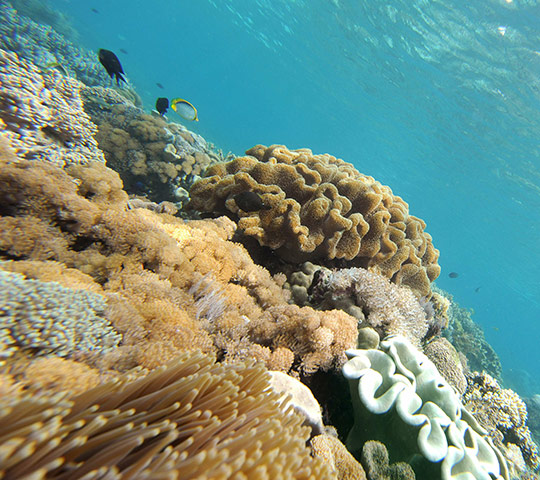
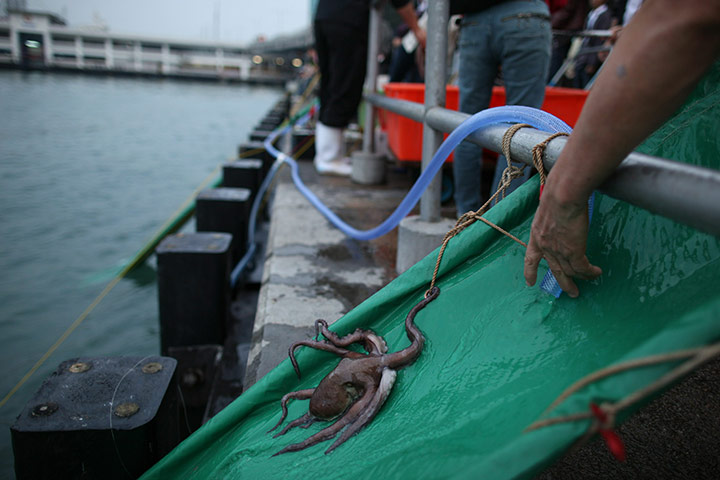
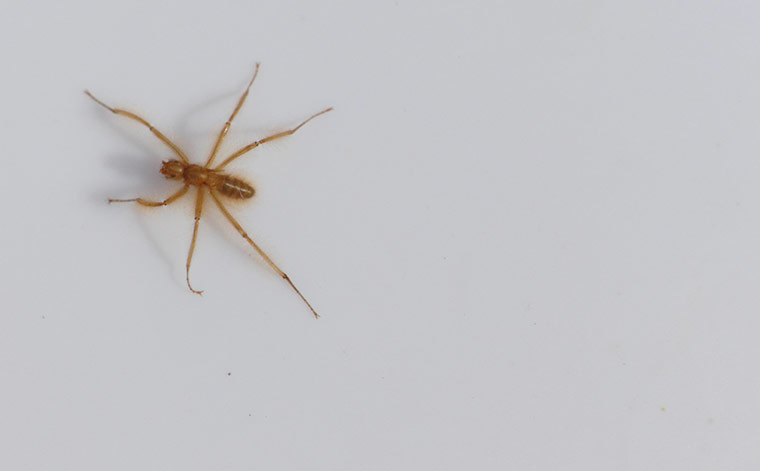
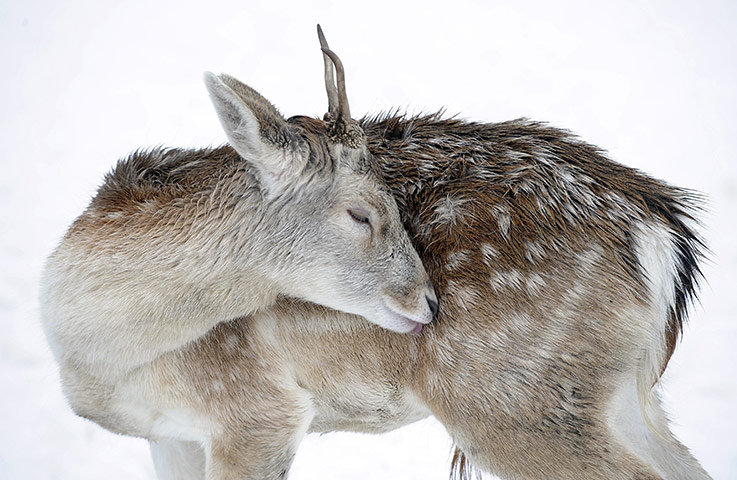
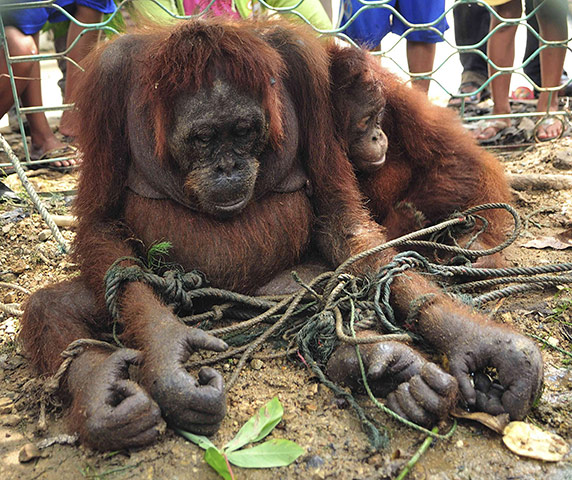
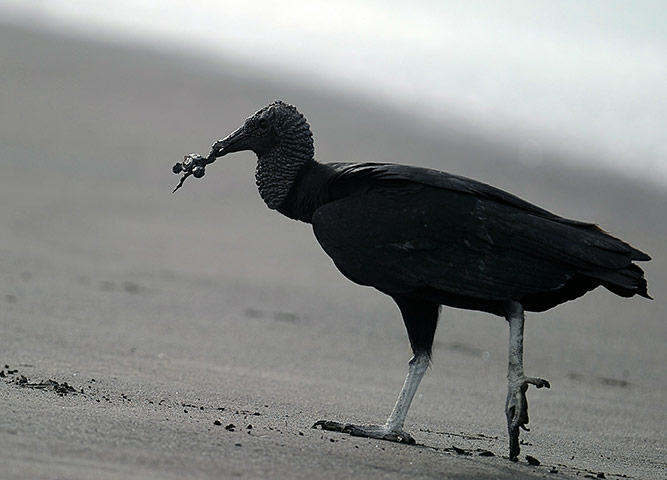
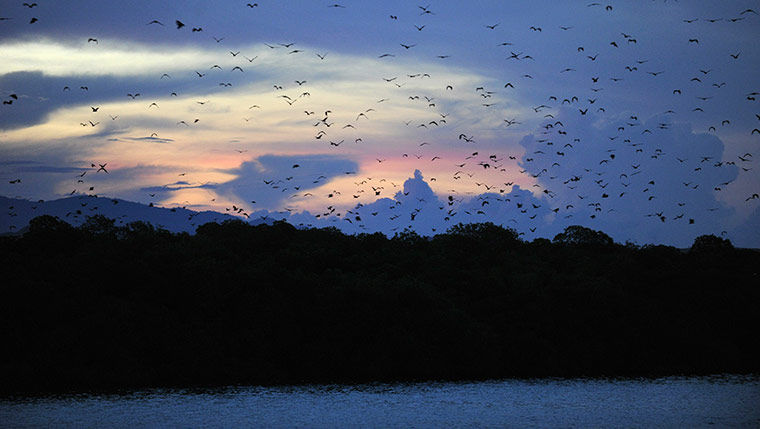
Mountain gorillas from the Kabirizi family in Virunga national park, just north of the eastern Congolese city of Goma. The number of mountain gorillas living in the Virunga Massif in central Africa has soared by 26.3% since 2003, according to a new census. The increase in numbers from 380 to 480 individuals is thanks to 'immense' efforts to reduce poaching and disease, scientists said – but should not be read as a sign that the fight to save the highly endangered species is overPhotograph: Finbarr O'reilly/ReutersA colourful variety of coral growing at Pink Beach off Komodo island. The marine ecosystem of Komodo National Park in Indonesia's East Nusa Tenggara province has more than 1,000 fish species and 250 varieties of reef-building corals thriving in the current-swept sea bed and open water surrounding nature reserve. Indonesia is a vast archipelago of 17,000 islands located in the marine rich Coral Triangle. Coral reefs could disappear in our children's lifetime, warned marine scientist JEN Veron this weekPhotograph: Romeo Gacad/AFP/Getty ImagesA juvenile Whale Shark feeding on plankton in the Sea of Cortez. Also known as the Gulf of California, this body of water separates the Baja California Peninsula from the Mexican mainland. A Unesco World Heritage Site, the Gulf is home to almost 900 species of fish and the widest variety of whales and dolphins found anywhere on EarthPhotograph: Dan Callister/Rex FeaturesHundreds of newly unloaded shark fins drying in the afternoon sun in a quiet street near Kennedy Town docks, Hong Kong. It is difficult to take pictures like this in countries such as South Africa and Costa Rica, where shark fin drying compounds are fortified with walls, barbed wire and security cameras. This is because shark fin traders are wary of theft and negative publicity. However, in Hong Kong, where crime rates are low and attitudes more relaxed towards shark finning, shark fin drying is brazenly done in public. According to the IUCN Red List of Threatened Species, 74 shark species are listed as at high risk of extinctionPhotograph: Alex Hofford/EPAAn octopus is released by a group of Buddhists into Victoria harbour in Hong Kong on 4 December 2010. The group gather regularly to release fish left unsold from Hong Kong's thriving local markets back into the harbour, while offering prayers of long life and freedom from future captorsPhotograph: Ed Jones/AFP/Getty ImagesA Mormotomyia hirsuta is seen in this picture released by the Nairobi-based International Centre of Insect Physiology and Ecology (ICIPE). Scientists in Kenya have located one of the world's rarest flies after a long hunt for the insect dubbed the 'terrible hairy fly'Photograph: HO/ReutersA fallow deer stands in snow in South Weald Park, Brentwood, EssexPhotograph: Nick Ansell/PAPigeons in Paris as heavy snow shut Paris Charles de Gaulle-Roissy airport and forced the Eiffel Tower to be closed to touristsPhotograph: Bertrand Guay/AFP/Getty Images A tree covered with ice near Gemuend, GermanyPhotograph: Oliver Berg/EPADucks fight for bread on the River Kelvin in Glasgow, Scotland. Hundreds of motorists in Scotland were stranded on Tuesday, spending a freezing night in their cars Photograph: Andy Buchanan/AFP/Getty ImagesAngelina, a seven-year-old Red Kangaroo, rests after receiving treatment for lumpy jaw disease at the Gan-Garoo Australian park, which features wildlife from Australia, near Kibbutz Nir David in northern Israel. Lumpy jaw is a gum disease common to kangaroos living in captivity. Israeli scientists and vets have developed what they call a non-invasive treatment for the condition, and say the pasty medicine, if applied at an early stage of the disease, increases the chances for a speedy recoveryPhotograph: Nir Elias/ReutersOrangutans are tied to the ground as villagers look on in Sungai Pinyuh, Indonesia's West Kalimantan province. The primates were captured as they came to the village to look for food and were beaten, resulting in the death of one of them, according to a villager. Rainforests cover 60% of Indonesia but it has one of the planet's fastest rates of deforestation – driving orangutans out of their natural habitatsPhotograph: Stringer/ReutersA vulture catches a baby olive ridley sea turtle (Lepidochelys olivacea) in Ostional National Wildlife Refuge, some 300km north of San Jose, Costa Rica. Mass arrivals of sea turtles, known as 'Arribadas', happen in Ostional. The Integral Development Association of Ostional estimates that about 800 thousand may arrive this year to lay their eggsPhotograph: Yuri Cortez/AFP/Getty ImagesA swarm of fruit bats, or flying foxes, from Kalong Island in Indonesia's East Nusa Tenggara province head south to nearby Flores island to feed. The huge bats inhabit the mangrove island of Kalong by day, setting off in their thousands at sundown to feed on fruit-bearing plants on nearby islandsPhotograph: Romeo Gacad/AFP/Getty Images
Sign up to read this article
Read news from 100’s of titles, curated specifically for you.