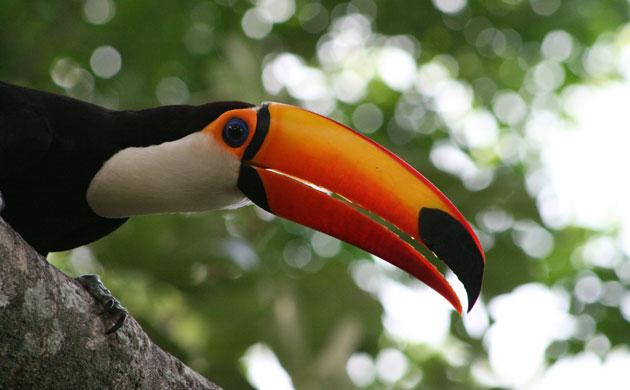
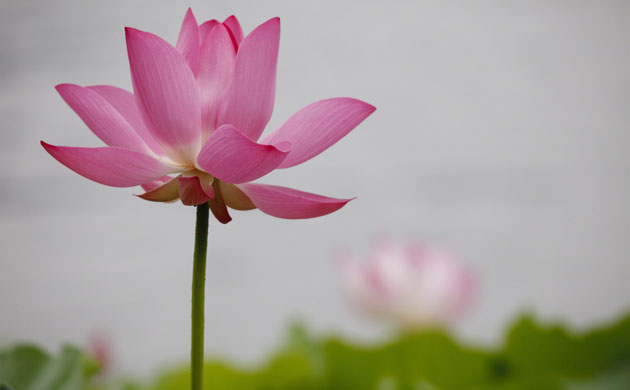
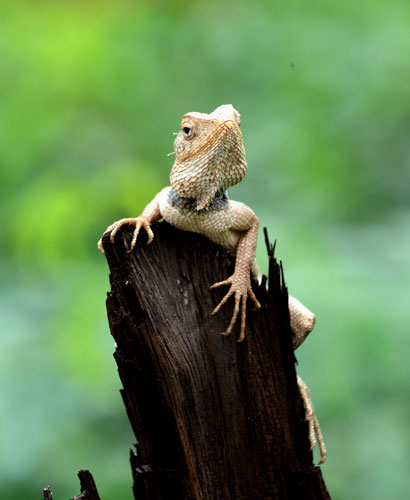
Toucans use their enormous bills to keep their cool, scientists found this week. Researchers claim the birds don't primarily use the huge appendage for sexual display, or as a tool for getting at hard-to-reach fruit, or to scare other birds – but as a giant radiator Photograph: Thiago Filadelpho/APLotus flowers in bloom on a lake in Beijing, China. The lotus is central to Chinese culture where it has been since ancient times a symbol of purity and spiritual essence, floating above the muddy waters of worldly matters. The roots, seeds and stamen of the plant are also largely edible and the plant's flowers and young leaves are used in many dishesPhotograph: Adrian Bradshaw/EPAA chameleon clings to a tree stump during rains on the outskirts of Ahmedabad, IndiaPhotograph: Sam Panthaky/AFP/Getty Images
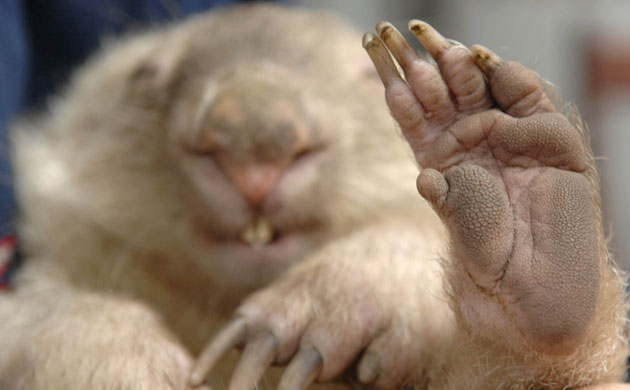
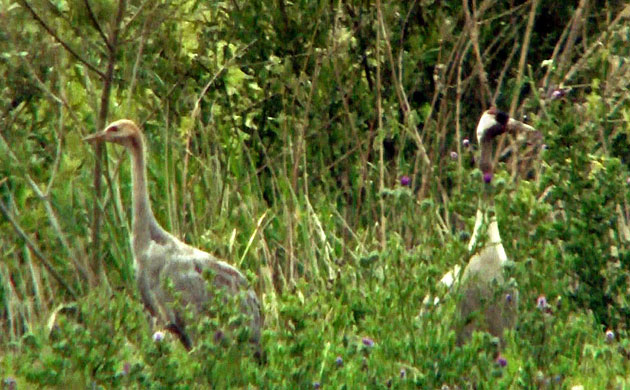
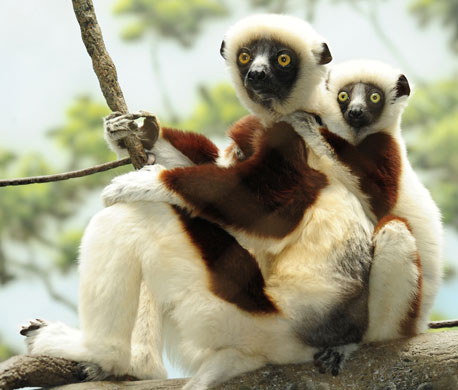
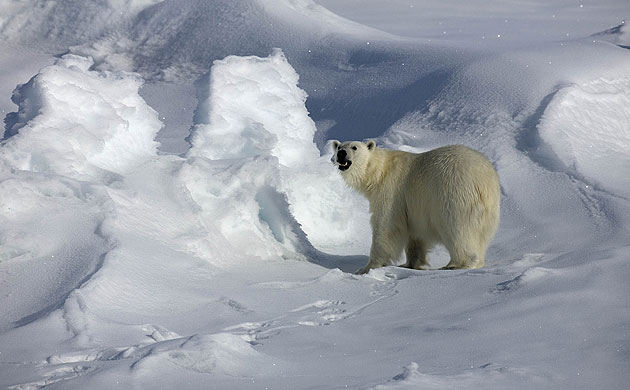
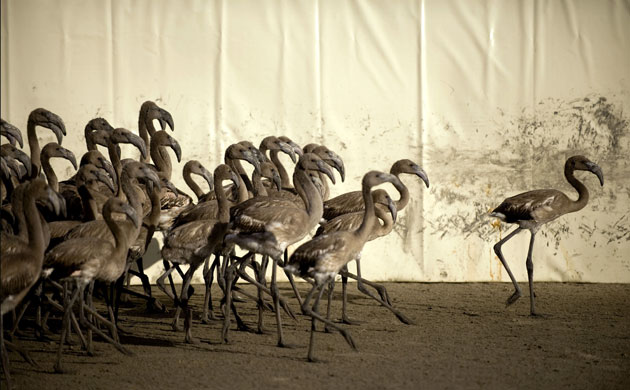
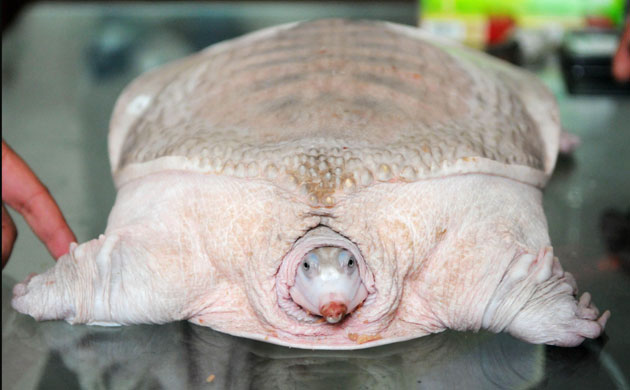
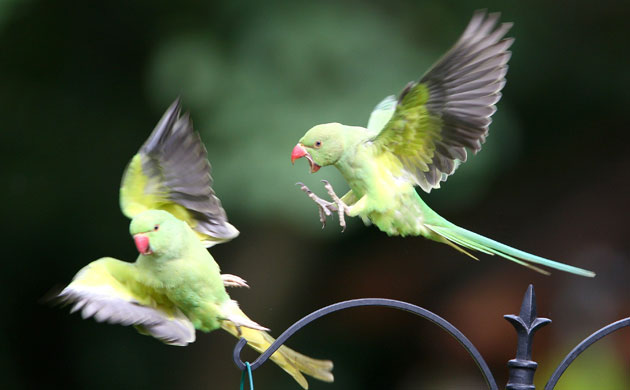
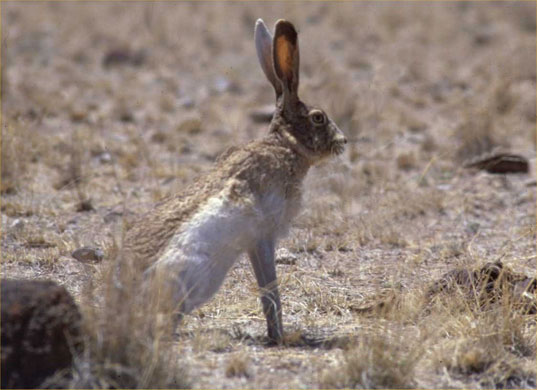
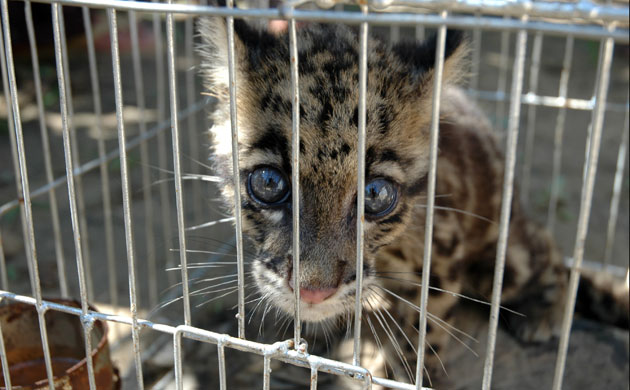
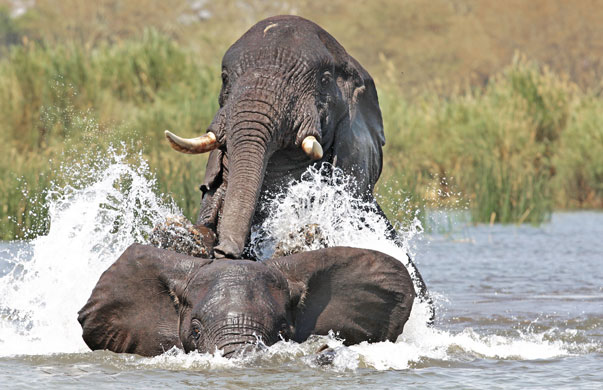
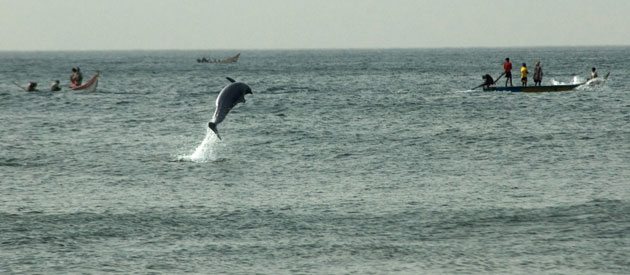
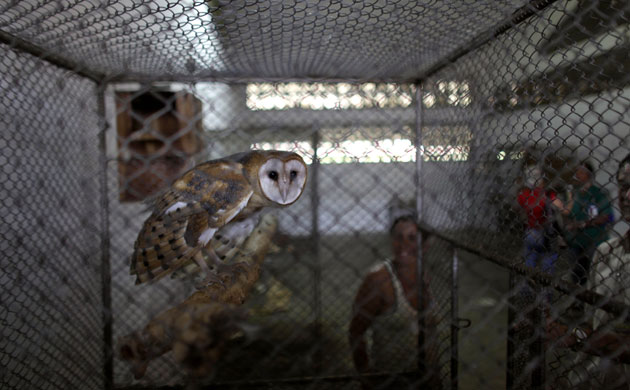
A close-up shot of the paw of an orphaned white wombat at the Maryknoll wildlife shelter in Melbourne, Australia Photograph: Jane Ollerenshaw/Rex FeaturesA juvenile (left) and adult common crane at the RSPB's Lakenheath Fen nature reserve. The juvenile is the first crane to fledge from the East Anglian Fens in 400 years Photograph: Grahame Madge/rspb-images.comA female sifaka and her baby perch on a tree at the Bronx zoo's Madagascar exhibit in New York. The sifaka is a member of the lemur family, a primate which is found only on the island of Madagascar, off the east coast of Africa Photograph: Julie Larsen Maher/WCS/APA great blue heron holds a small fish after catching it in a pond in Roseburg, USPhotograph: Robin Loznak/guardian.co.ukA polar bear walking along the edge of the 'ice bridge' in the Robeson channel, near the border between Greenland and Canada. This week, Greenpeace launched a three-month expedition leading a team of climate scientists to Greenland to gather global warming data ahead of the Copenhagen climate summit in DecemberPhotograph: Nick Cobbing/GreenpeaceFlamingo chicks move around a pen at the Fuente de Piedra nature reserve, near Malaga, in southern Spain. Around 600 flamingo chicks were ringed and measured this week before being released in the lagoon Photograph: JORGE GUERRERO/AFP/Getty ImagesThis rare white turtle, weighing 6.5kg and measuring 40cm in length, was found on the banks of the Yellow River in ChinaPhotograph: Rex FeaturesA carpenter bee collects pollen from a flower in Cincinnati, USPhotograph: Al Behrman/APParakeets on a bird feeder in a London garden. Around 90% of the UK's population of wild parakeets are believed to live in the London area. It is feared that the parakeets, which nest in holes and crevices in trees, may displace British species such as woodpeckers and starlingsPhotograph: Phil Cole/Getty ImagesA white-sided jackrabbit in New Mexico. There are an estimated 150 of these jackrabbits left in the United States. Federal wildlife officials this week announced that they will study the elusive rabbit to determine if it needs to be protected under the endangered species act. The US Fish and Wildlife Service says the biggest threat is change to the hare's habitat brought on by drought, grazing, the suppression of wildfire and the encroachment of shrubs Photograph: Cesar Mendez/WildEarth Guardians/APThis handout picture released by the Wildlife Trust of Bangladesh shows a clouded leopard cub sitting in a cage in Rangamati. Bangladeshi conservationists said this week that the discovery of the rare leopard, captured by villagers, renewed hopes for the survival of the critically endangered species. The clouded leopard is listed as critically endangered by the International Union for Conservation of Nature, with just 100,000 of the species believed to still be living worldwide. It is mainly found in south Asian and south-east Asian countries, and the last reported sightings of the animal in Bangladesh were in 2005Photograph: HO/AFP/Getty ImagesTwo male elephants play in a river in Malawi's Liwonde national park Photograph: David Hobcote/Rex FeaturesA dolphin leaps from the water at Marina beach in Chennai, IndiaPhotograph: STR/EPAA barn owl perches in its cage at the Cuba's national zoo in Havana. The zoo is experimenting with artificial insemination to breed endangered speciesPhotograph: Javier Galeano/AP
Sign up to read this article
Read news from 100’s of titles, curated specifically for you.











.png?w=600)