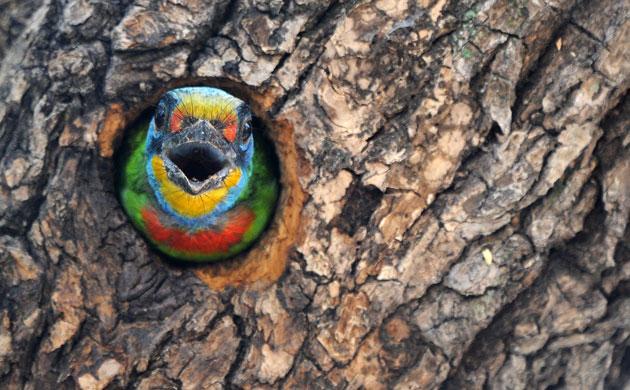
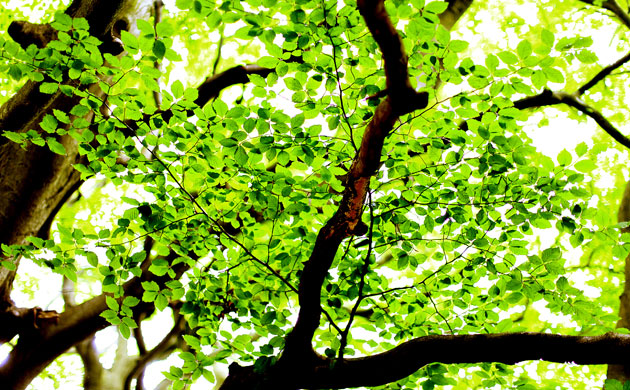
A black-browed barbet or Müller's barbet, a species of bird native to south-eastern Asia, stands guard by its nest on a street tree in TaipeiPhotograph: Sam Yeh/guardian.co.ukBeech tree canopy in the sunshine in the Chiltern Hills, north-west of LondonPhotograph: Graeme Robertson/Graeme RobertsonA joey - one of 15 baby eastern grey kangaroos at Ballarat wildlife park in Victoria, Australia - takes his first tentative steps. Last year the entire joey population was wiped out by foxesPhotograph: Craig Borrow/Rex Features
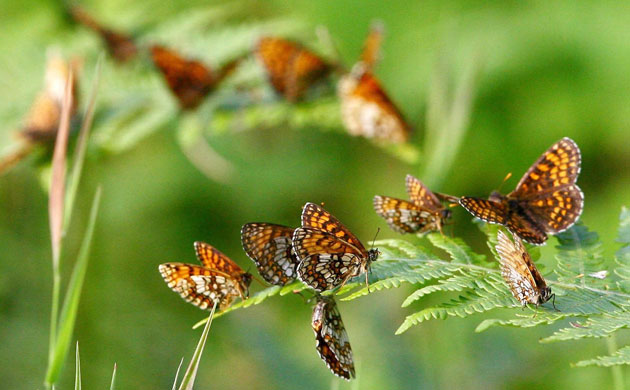
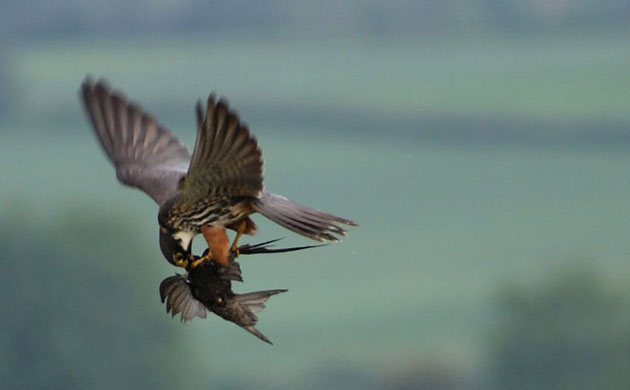
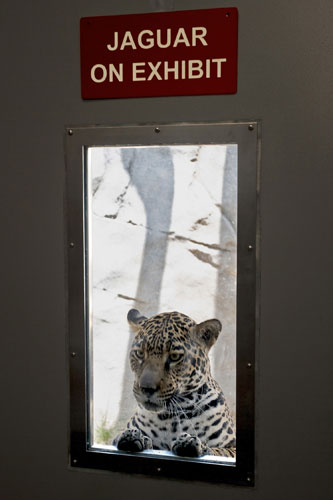
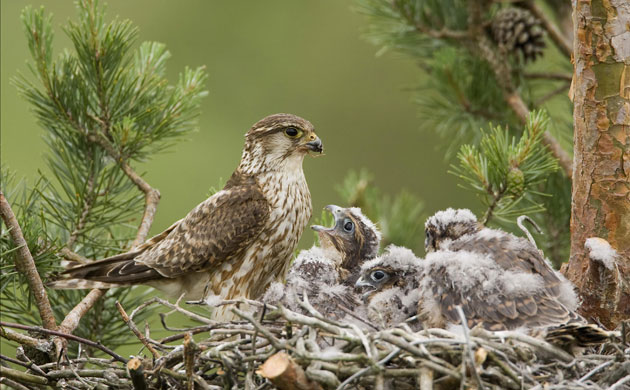
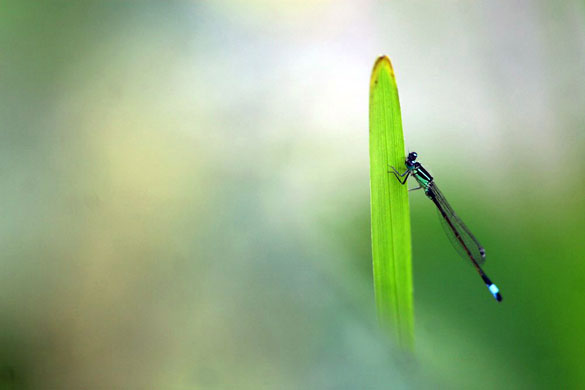
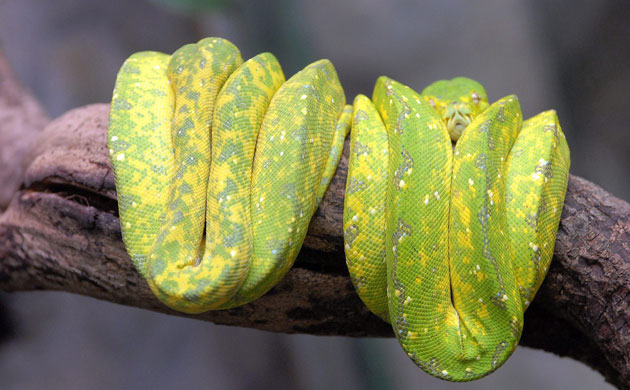
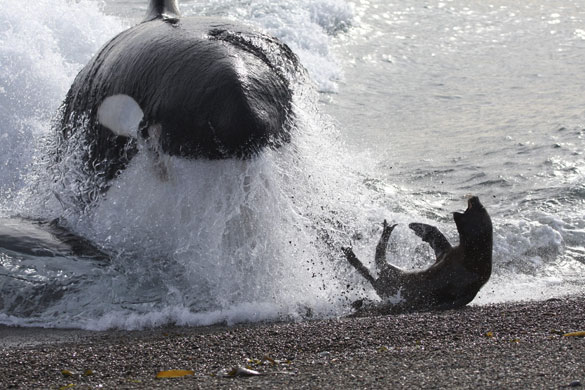
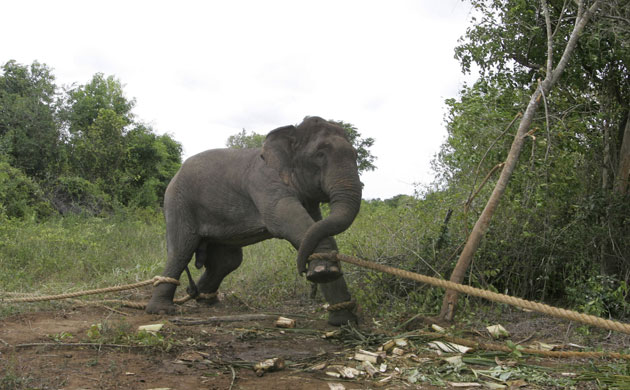
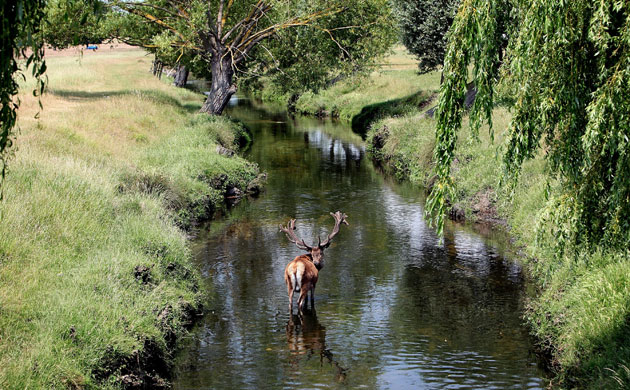
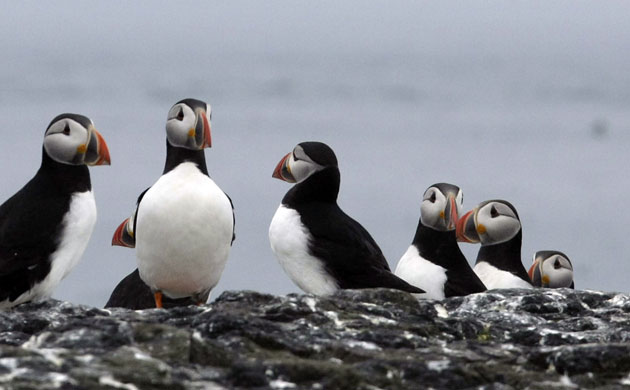
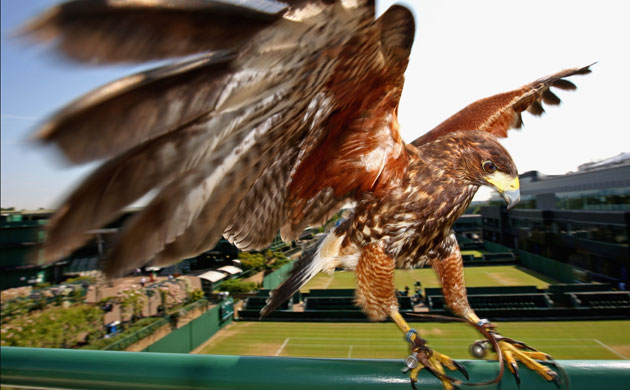
Heath fritillary butterflies which are rare in the UK, have returned in large numbers to Blean Woods, near Canterbury in KentPhotograph: Gareth Fuller/PAA hobby catches a swift in mid-air in a picture taken by amateur photographer Clive Newcombe. The magnificent bird looked delighted with its lunch as it flew off with its victim in its beak over the hills at the Farmoor Reservoir in Oxford. The hobby is mainly a summer visitor to the UK, returning to Africa in winterPhotograph: Clive Newcombe/swns.comNindiri, a two-year-old jaguar, at San Diego zoo, California, peers through the window of her pen to see the new neighbours, a pair of African lions in an adjacent exhibit. The lions are the last of more than 35 species to be moved into the Elephant Odyssey, a new multispecies habitat that opened one month agoPhotograph: HO/APBeekeeper and chairman of the London Beekeepers' Association John Chapple installs a new bee hive on an urban rooftop garden in Hackney, east London. The UK has an estimated 274,000 bee colonies producing an average of 6,000 tonnes of honey a year. An estimated 44,000 beekeepers manage these hives with each one containing around 20,000 bees. It is estimated that honeybee numbers in the UK have fallen between 10 and 15% in the last two yearsPhotograph: Dan Kitwood/Getty ImagesA pigeon hawk feeds its chicks in a nest near the village of Sosnovka, BelarusPhotograph: Vasily Fedosenko/ReutersKatie Fuller's photo of the blue-tailed damselfly was voted by guardian.co.uk/environment readers to be the winner of our garden wildlife photo competition that ran alongside the RSPB's Make Your Nature Count eventPhotograph: guardian.co.ukNewly acquired green tree pythons (Morelia viridis) coiled around a bough in its vivarium at Pecs zoo in Hungary. This snake is indigenous to Australia, Indonesia and Papua New GuineaPhotograph: Ferenc Kalmandy/EPAA killer whale or orca narrowly misses out on a seal that it was hunting in Patagonia. Photographer and conservationist Rob Lott travelled to Patagonia to study and photograph the foraging behaviour of 18 orcas. Of the 18 only seven have mastered the stranding behaviour where the orca enters the shallow surf to feed on seal pupsPhotograph: Rob Lott/BarcroftmediaA Sri Lankan wild elephant is seen tied to trees before being sent to a wildlife sanctuary, in Ralapanawa in Puttlum, about 121 miles north of Colombo, Sri Lanka. Wildlife officials say the Sri Lankan elephant population is under extreme threat with at least three elephants being shot dead every week by villagers desperate to protect their crops and livesPhotograph: Eranga Jayawardena/APA red deer stag cools down in Richmond Park during the hottest week of the 2009 in the UK. The Met Office announced several weather warnings for much of Great Britain as temperatures peaked at 31.8C on Tuesday. But cooler temperatures and rain showers were expected for the weekendPhotograph: Dan Kitwood/Getty ImagesFarne Island puffins have been fitted with satellite tracking devices to monitor their behaviour after a sudden population collapsesurprised scientists Photograph: Mark PinderRufus, the resident Harris hawk, keeps the courts pigeon-free at the Wimbledon lawn tennis championshipsPhotograph: Ian Walton/Getty Images
Sign up to read this article
Read news from 100’s of titles, curated specifically for you.