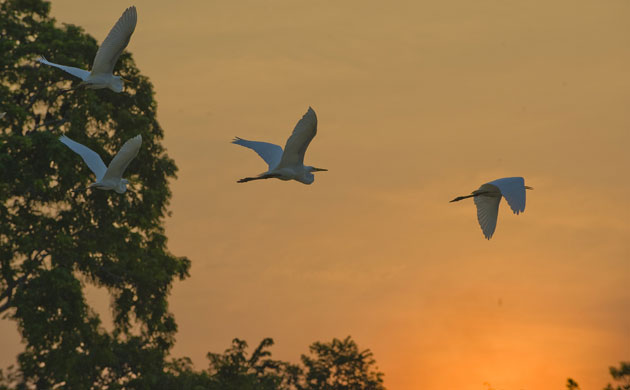
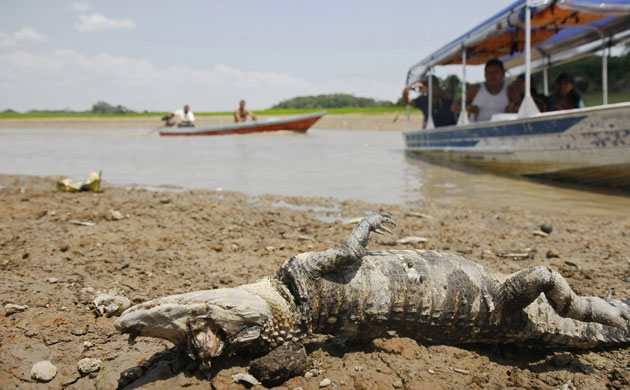
Birds fly over the Amazon rain forest near the Solimoes River near Manaquiri, 120Km from Manaus, Brazil. The drought, aggravated by the weather phenomenon EL Nino, is worst this year in Brazil. The dry season, aggravated by the weather phenomenon EL Nino, is worse this year. According to studies by Brazilian universities USP, UNICAMP, UFRJ and Embrapa, the country could lose some USD 3.6 billion dollars over the next 40 years.Photograph: Antonio Scorza/guardian.co.ukA dead alligator lies in a drying lake that forms part of the Amazon river system, near the city of Manaquiri November 22, 2009. After a rainy season that caused some of the worst flooding in recent history, the seasonal drought that followed is proving to be especially bad as well. Picture taken November 22. Photograph: Amazonaspress/guardian.co.ukElderly Thai elephants use their trunks to pet each other at Pang La Elephant Rehabilitation Center in Lampang province, northern Thailand, 21 November 2009. The country's first nursing home for elephants Pang La is now officialy open in northern Thailand taking care of 26 aged elephants and disabilities jumbos untill their last breath.Photograph: Pongmanat Tasiri/guardian.co.uk
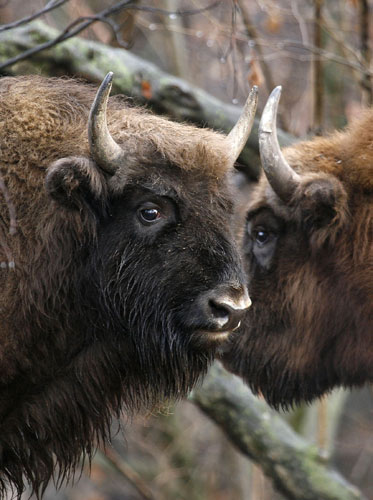
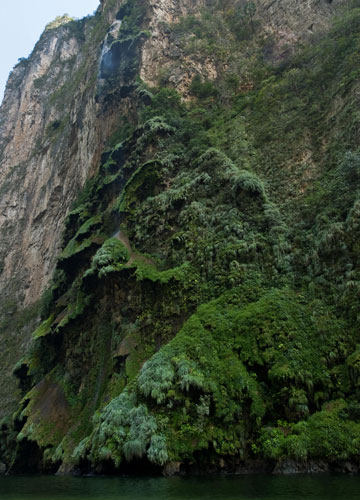
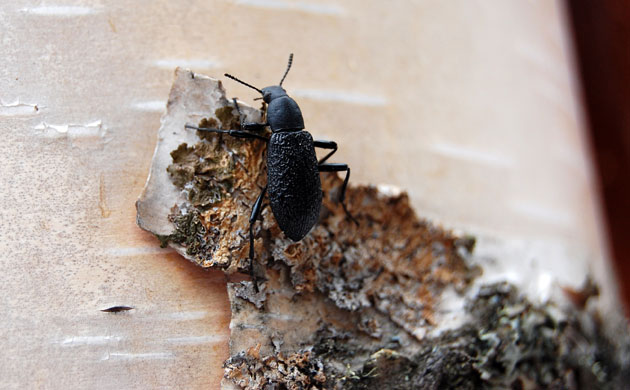
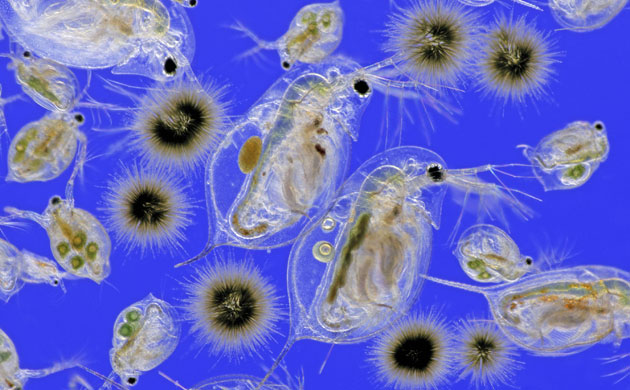
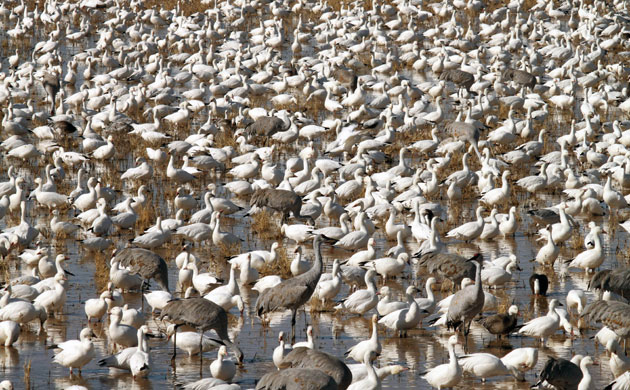
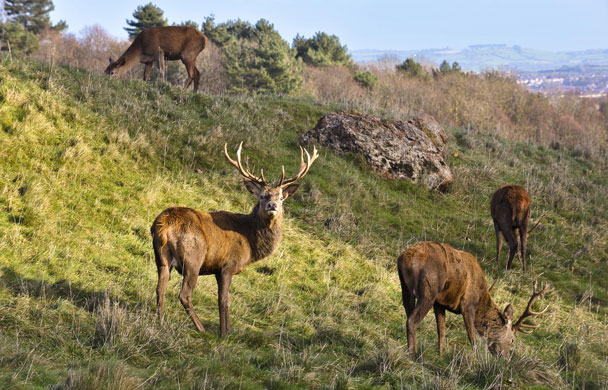
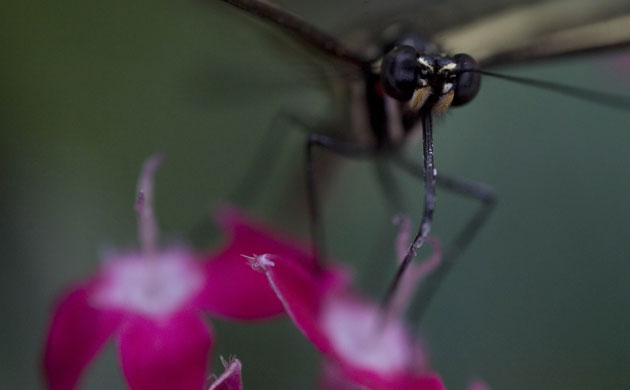
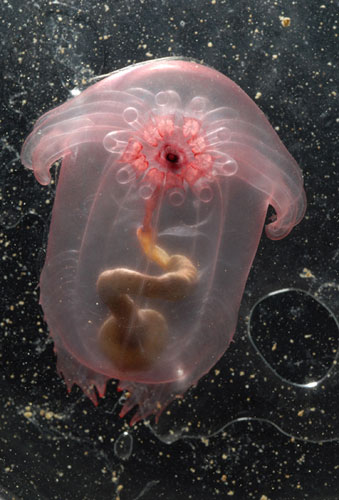
Two European bison are pictured after being released in a forest reserve near the village Saniba, 20 km (12 miles) west of the regional centre Vladikavkaz, November 26, 2009. The first five out of 20 European bison were transported to their new home after being raised in central Russia as part of a World Wildlife Fund (WWF) project to restore the number of European bison. Photograph: Kazbek Basayev/guardian.co.ukView of the "Arbol de Navidad" (Christmas Tree) waterfall at the Sumidero Canyon in Chiapa de Corzo, Chiapas State, on November 22, 2009. The cliffs are 900 meters above sea level and overlook the Grijalva River, which extends across the states of Chiapas and Tabasco and flows into the Gulf of Mexico. The Sumidero canyon is a result of a geological fault during the Pleistocene. The canyon is regarded as an important tourist attraction in the state of Chiapas.Photograph: Ronaldo Schemidt/guardian.co.ukAlaskan beetle Upis ceramboides produces a nonprotein "antifreeze" molecule says a new study. Insects exposed to subzero temperatures can adapt to the extreme climate to survive freezing temperatures, but until now, antifreeze molecules had not been isolated from freeze-tolerant animals. The NSF-supported study, published in the November 24 issue of Proceedings of the National Academy of Sciences, describes a brand new type of antifreeze molecule isolated from a freeze-tolerant Alaskan beetle by Kent Walters and colleagues at the University of Notre Dame..see story http://www.nsf.gov/news/news_summ.jsp?cntn_id=115986&org=NSF&from=newsPhotograph: Kent Walters/guardian.co.ukWellcome Image Awards finalists: Summer plankton by Spike Walker. Plankton, small organisms that drift in the oceans, seas and fresh water. Many types of plankton, such as these, are microscopic, but some, such as jellyfish, are very large. Light micrograph.Photograph: Spike Walker/guardian.co.ukThousands of sandhill cranes, snow geese and other migratory birds gather at Bosque del Apache National Wildlife Refuge south of Socorro, November 23, 2009. The refuge wrapped up its 22nd annual Festival of the Cranes on Sunday.Photograph: Susan Montoya Bryan/guardian.co.ukStags graze in patchy light and very changeable weather on the Ashton Court estate near Bristol. Photograph: Ben Birchall/guardian.co.ukA butterfly perches on a flower during a butterfly exhibit at the botanical garden in Bogota, Friday, Nov. 20, 2009. Photograph: William Fernando Martinez/guardian.co.ukA transparent sea cucumber, identified as Enypniastes, is seen at a depth of 2,750 meters (9,200) in the northern Gulf of Mexico in this undated handout photo released November 22, 2009. The permanent darkness of the ocean depths is home to a far greater range of animals, from luminous jellyfish to tubeworms that live off oil seeping from the seabed, than previously thought, scientists said.Photograph: HO/guardian.co.ukTalons extended, this is the last thing a mouse would see as it's pounced on by an Eagle Owl.
The Eurasian Eagle Owl was filmed at Turbary Woods Owl and Bird of Prey Sanctuary in Whitestake, near Preston, Lancashire.
The rescue and rehabilitation center offers a unique collection of over 90 birds of prey including eagles, hawks, falcons, owls, vultures and more unusual species.
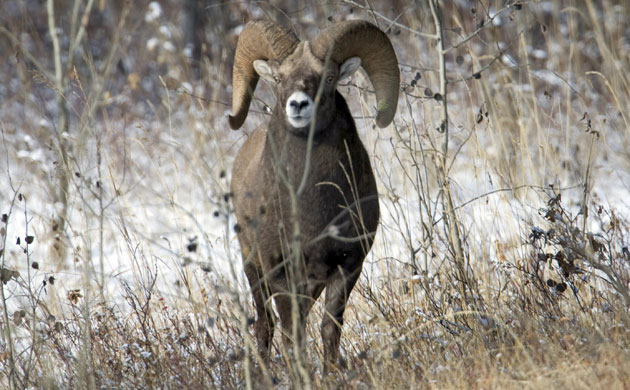
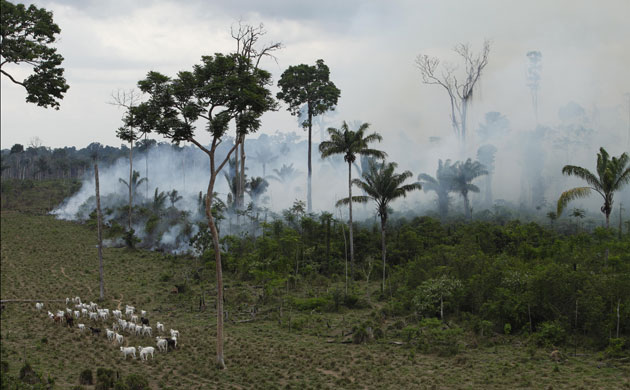
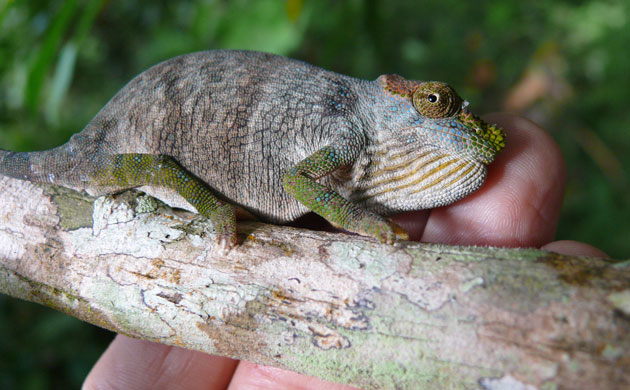
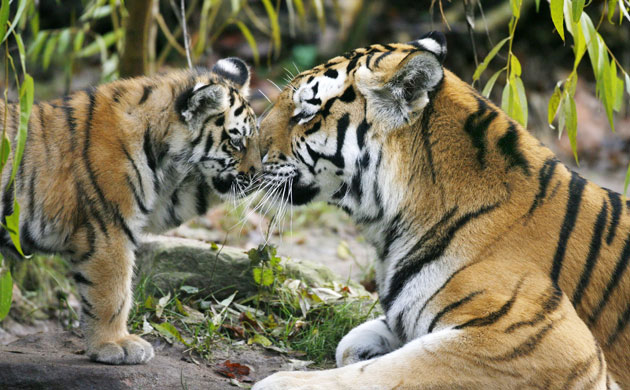
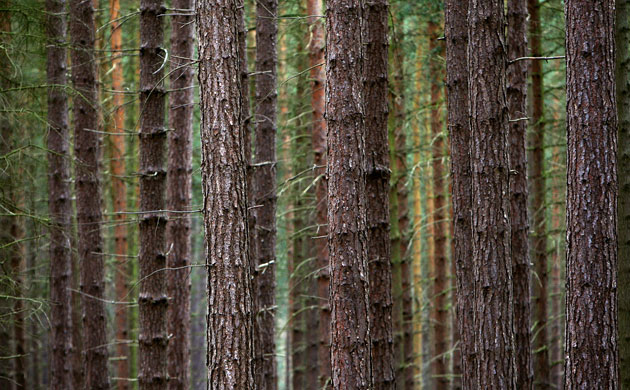
Photograph: guardian.co.ukA Bighorn Sheep near the road between Banff and Lake Louise November 23, 2009. Photograph: DON EMMERT/guardian.co.ukIn this Sept. 15, 2009 photo, cattle walk near a burning area near Novo Progresso in Brazil's northern state of Paral. The Brazilian Amazon is arguably the world's biggest natural defense against global warming, acting as a "sink," or absorber, of carbon dioxide. But it is also a great contributor to warming. About 75 percent of Brazil's emissions come from rainforest clearing, as vegetation burns and felled trees rot. Photograph: Andre Penner/guardian.co.ukPhoto issued by African Journal of Herpetology of a new chameleon species called Kinyongia magomberae that has been discovered in Tanzania, East Africa. Photograph: Andrew Marshall/African Journal/guardian.co.ukA baby Siberian tiger and its mother check each other out in their enclosure at the zoo in the southern German city of Nuremberg on November 20, 2009. Numbers of the world's biggest cat, the Siberian tiger, have dropped sharply, with researchers blaming the slump on poachers, who are killing the feline for its pelt and bones, a report showed November 25, 2009. A survey conducted of the tigers in a 9,000-square-mile (23,555-square-kilometer) monitoring area in the Russian far east found only 56 of the large felines, accroding to the report, coordinated by the Wildlife Conservation Society (WCS), Russian government and non-governmental organizations. Photograph: Timm Schamberger/guardian.co.ukFile photo dated 24/02/09 of trees at Sherwood Pines Park. PRESS ASSOCIATION Photo. Issue date: Wednesday November 25, 2009. Planting enough trees to cover an extra 4% of the UK in woodland could lock up a tenth of the country's predicted greenhouse gas emissions by the middle of the century, researchers working for the Forestry Commission said today. Photograph: John Walton/guardian.co.uk
Sign up to read this article
Read news from 100’s of titles, curated specifically for you.