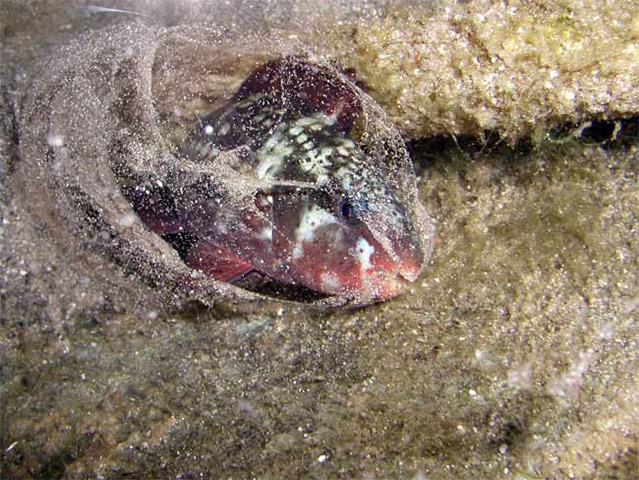
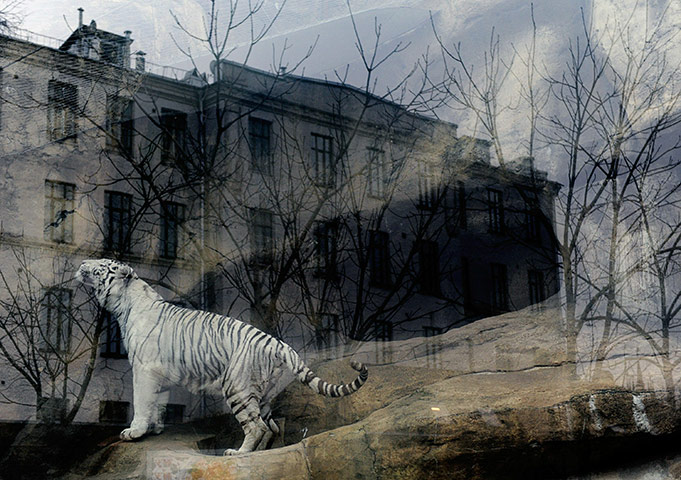
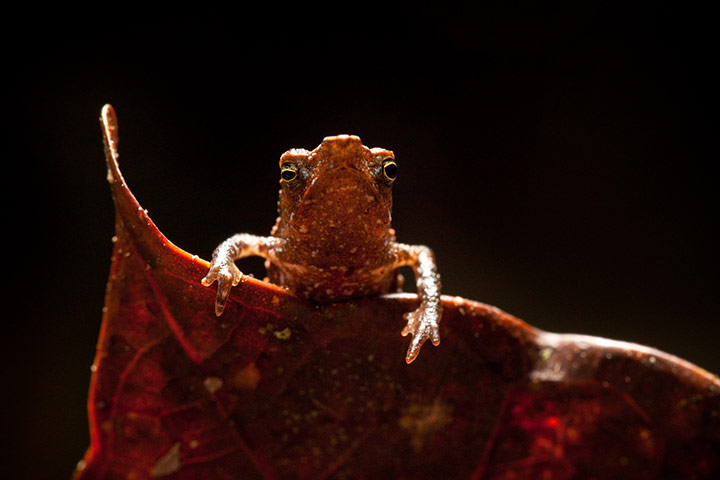
Parrotfish (Chlorurus sordidus) secrete mucous from their mouths that they use to create a gooey cocoon around themselves possibly to protect against biting parasitesPhotograph: A. GrutterA building and trees are reflected in the glass wall as a white tiger walks in his enclosure at the Moscow zoo. The International Tiger Forum will take place next week in St Petersburg, RussiaPhotograph: NATALIA KOLESNIKOVA/AFP/Getty ImagesA new species of beaked toad, genus Rhinella, found in the rainforests of Chocó, Colombia, during a search for lost frogs. This individual, around 2cm in length, is thought to skip the tadpole stage, hatching directly into toadlets from eggs laid on the forest floor. The colour and shape of the head make the toad resemble the dead leaves on which it livesPhotograph: Robin Moore/iLCP
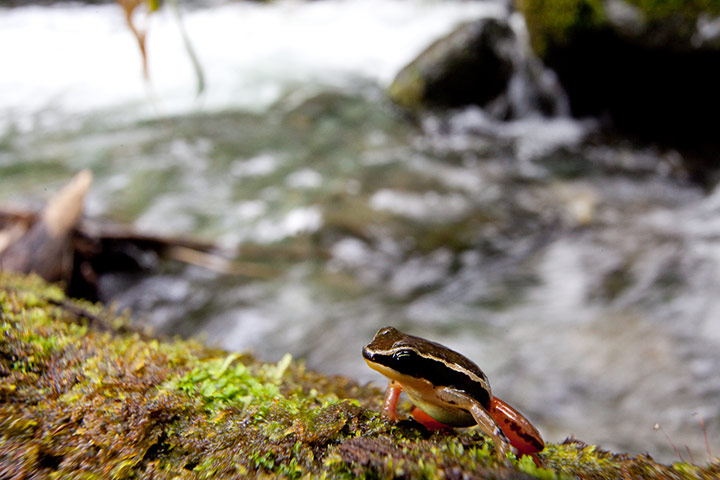
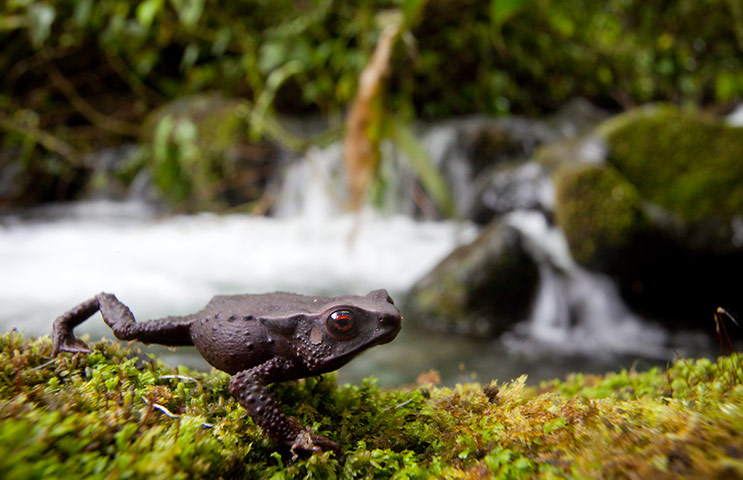
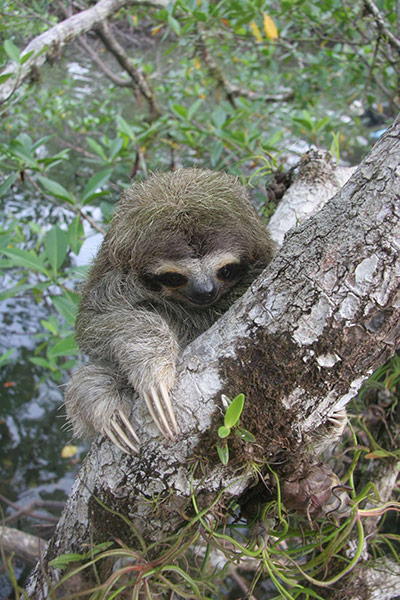
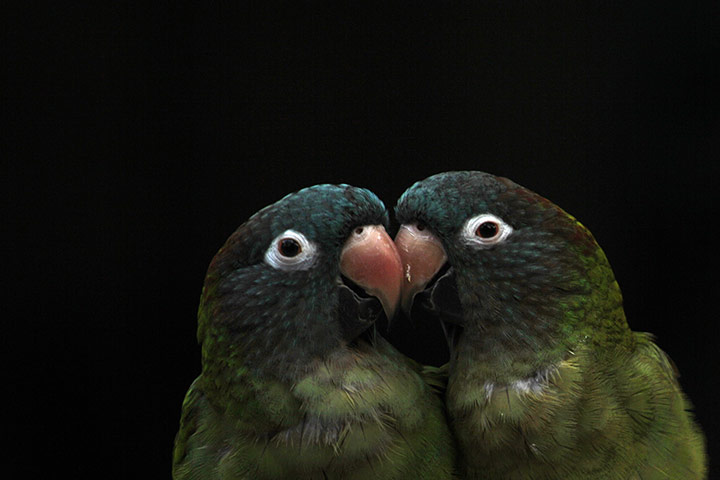
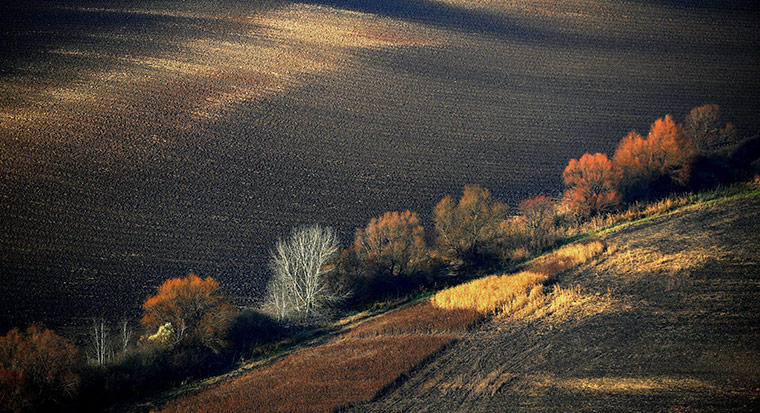
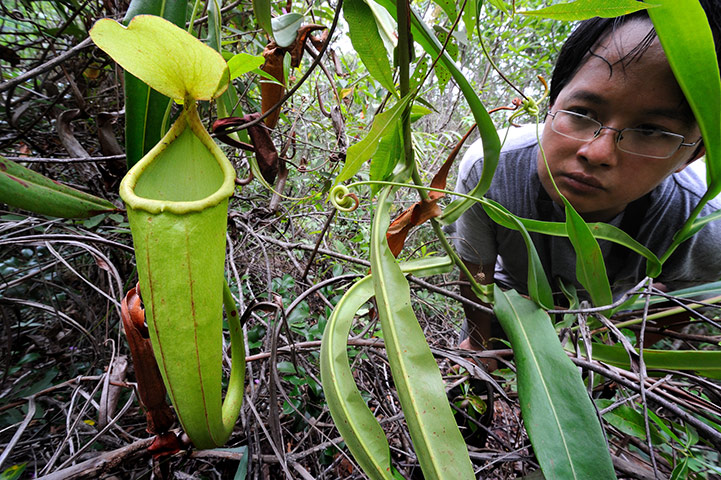
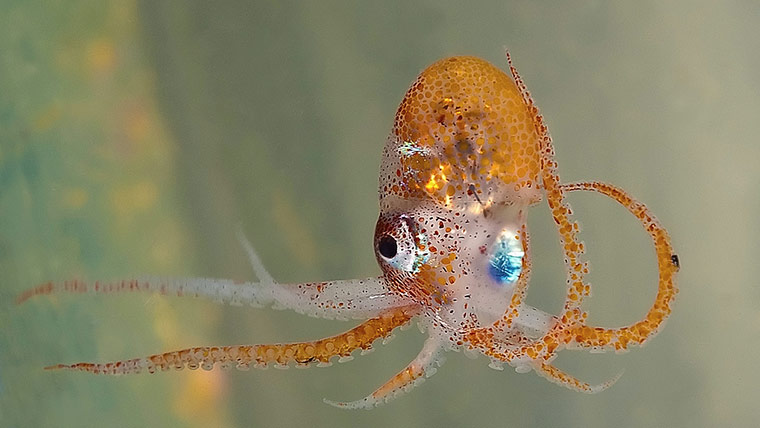
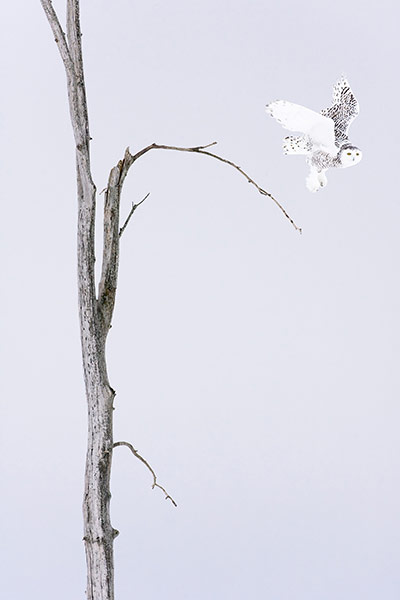
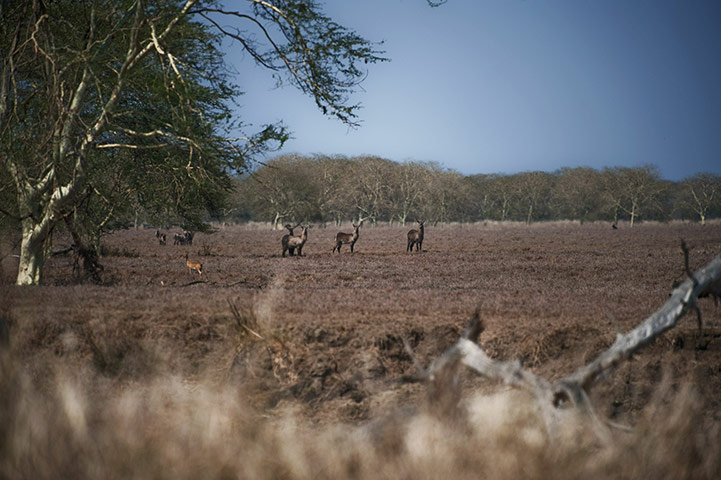
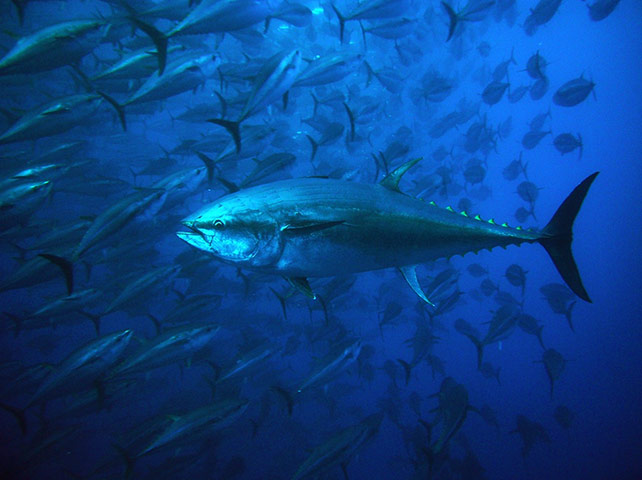
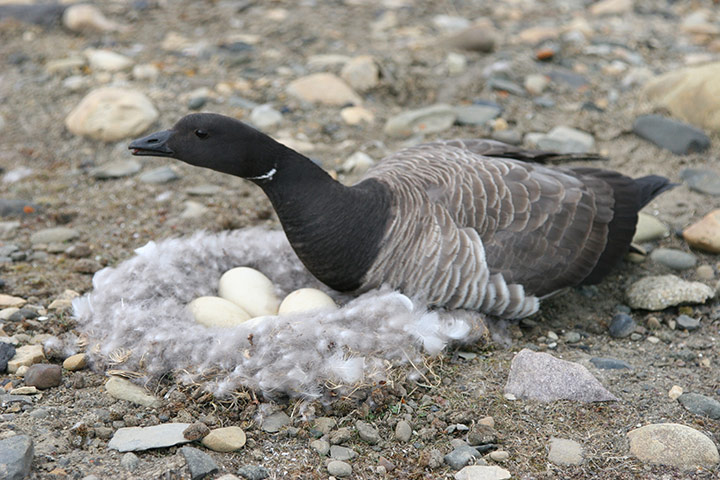
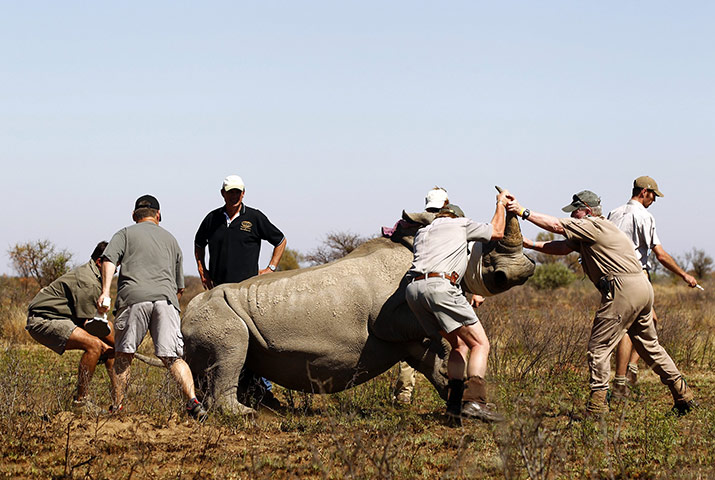
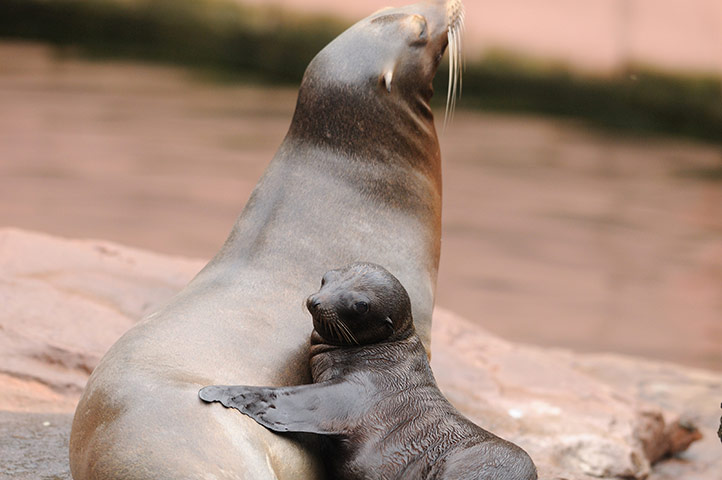
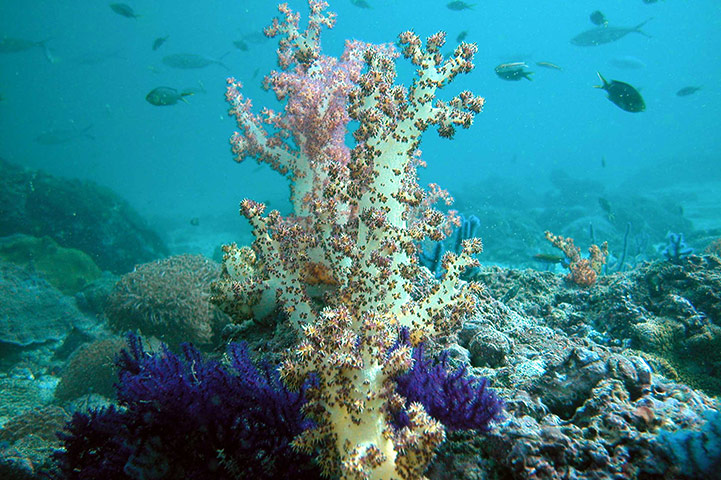
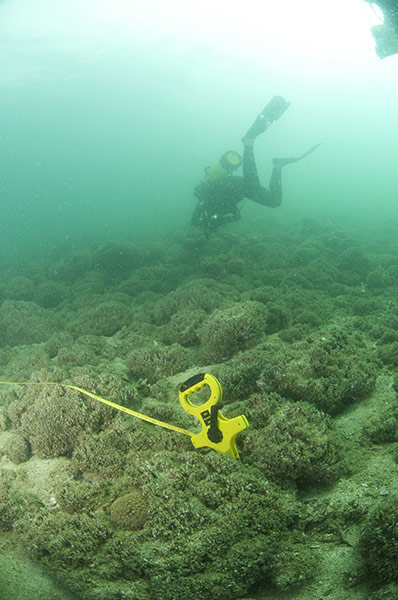
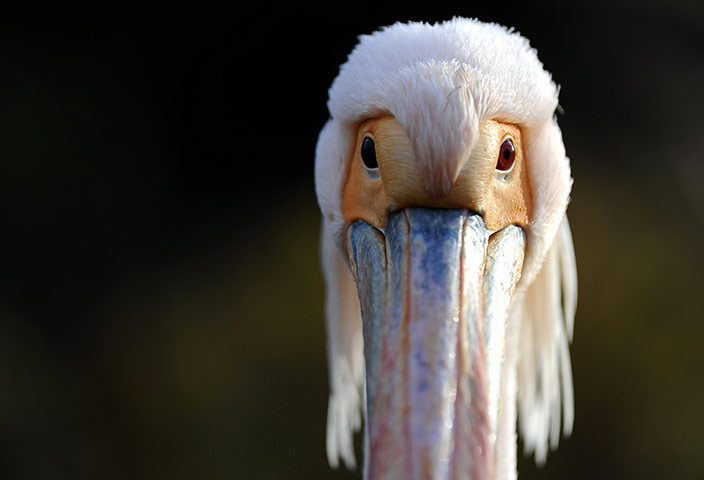
A new species of rocket frog, from the genus Silverstoneia, found in Chocó. A type of poison dart frog – a group that has given rise to many chemicals found to be useful to humans – this species is less poisonous than its brightly coloured relatives. Living in and around streams, the rocket frogs carefully carry newly hatched tadpoles on their backs to deposit them in water to complete their developmentPhotograph: Robin Moore/iLCPA new toad species with striking red eyes found in Chocó. This highly unusual species has scientists baffled – we know nothing about it other than where it livesPhotograph: Robin Moore/iLCPDiscovered in 2001, this miniature sloth is the smallest and most threatened of all the sloth species. It is confined to a single tiny island off the coast of PanamaPhotograph: Bryson Voirin/ZSLBirds at a bird market in Hong Kong Photograph: Tyrone Siu/REUTERSAn autumn landscape of agricultural fields in Loerinci, HungaryPhotograph: Sandor H. Szabo/EPAA new species of carnivorous pitcher plant has been found by Fauna and Flora International in Cambodia’s remote Cardamom Mountains. The discovery of Nepenthes holdenii is an indicator of both the stunning diversity and lack of research in the forests of the Cardamom mountainsPhotograph: Jeremy Holden/FFIAn unidentified octopus is one of 11 potentially new species found this month during a deep-sea expedition off Canada's Atlantic coast, scientists sayPhotograph: Sarah Gotheil/IUCNThis picture of an owl flying in a snow-covered landscape won the audience prize in GDT European Wildlife Photographer of the Year 2010. It was taken by David Allemand and Christophe Sidamon-PessonPhotograph: David Allemand/Christophe Sidamon-Pesson /GDT European Wildlife Photographer of the Year 2010Antelope stand in an open field in the Gorongosa National Park at the southern end of the Great African Rift Valley in the heart of central MozambiquePhotograph: Gianluigi Guercia/AFP/Getty ImagesTuna fish after being caught and before being transferred into cages in Spain. The International Consortium of Investigative Journalism deployed 12 journalists to report on the black market bluefin trade, a trail that led from major fishing fleets and tuna ranches in the Mediterranean and north Africa to some of the world’s largest buyers in Japan Photograph: Felix SanchezA light-bellied Brent goose guards its eggs. University of Exeter research from a six-year study on migrating geese discovered they return to the same spots they were taken to as youngstersPhotograph: Kendrew Colhoun/University of Exeter Rangers prepare to insert a GPS on an eight-year-old rhino to keep track of its movements at the Mafikeng Game Reserve in the North West province. Poaching in South Africa has soared this year owing to booming demand and rising prices for rhino horn from increasingly rich Asian markets, where it is mistakenly used as a medicinePhotograph: Siphiwe Sibeko/ReutersYoung and adult California sea lion (Zalophus californianus) on San Jorge Island in the Gulf of California, where a study documented a 6% rate of adoption among the speciesPhotograph: Rex FeaturesGlorious corals are seen in Dibba on the Gulf of Oman in 2004, before the 2008 Red Tide which badly affected life underwater and killed fish. Scientists worry that increasing pollution and ocean acidity will kill even Gulf reefs, which had proven unusually resistant to climate change's rising temperatures and increased ocean salinity. Coral reefs support not only a third of the Gulf's fish populations, but also local economiesPhotograph: HO/ReutersA diver on a fact-finding mission to discover the extent of the damage to coral reef and sea species caused by the 2008 Red TidePhotograph: HO/ReutersA pelican in St James's Park, central LondonPhotograph: Adrian Dennis/AFP/Getty Images
Sign up to read this article
Read news from 100’s of titles, curated specifically for you.